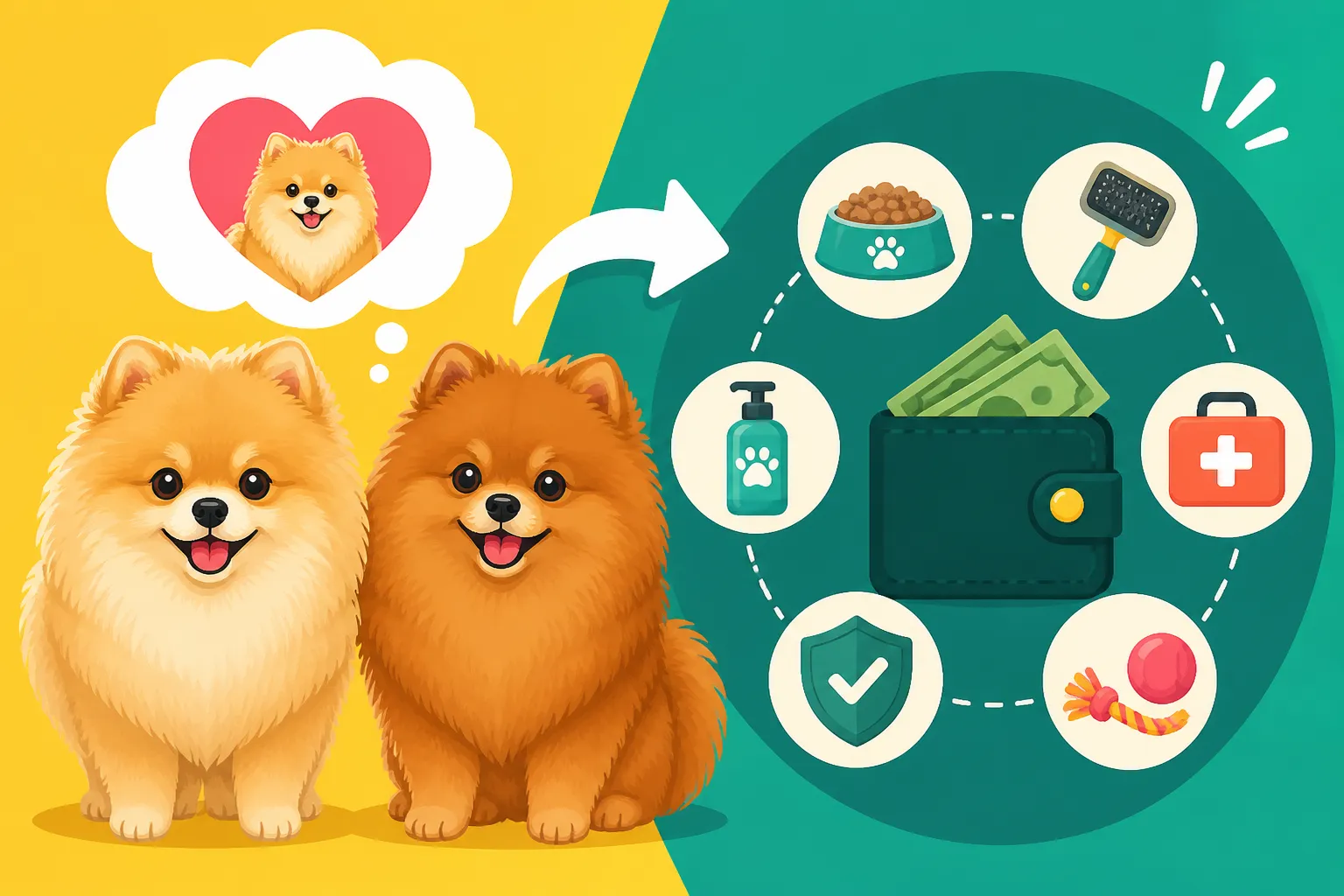
What a Second Pomeranian Adds Per Month
It’s a thought that crosses the mind of almost every Pomeranian parent at some point: Wouldn't it be wonderful to have another? You picture two fluffy little shadows, chasing each other through the living room, snuggling together on the couch. And while the heart absolutely swells at the idea, the practical side of your brain, usually buried under all that Pom love, starts to wonder about the financial reality. This guide is here to realistically break down what adding a second Pomeranian truly adds to your monthly budget, so you can plan with confidence and avoid any unwelcome surprises.
The Initial Lure of a Second Pom and Why It's More Than Double the Fun
Oh, the romantic idea of adding a second Pom! We've all been there. Your first little fluffball has brought so much joy, and you think, "Surely, two won't be that much more work, or cost?" It's a sweet sentiment, often born from a place of deep love for the breed, but the reality is a little more nuanced than simply doubling everything.
The "Buy One, Get One Free" Fallacy
When you first consider a second Pomeranian, it's easy to fall into the trap of thinking you already have all the "stuff." You have bowls, a leash, a bed, maybe even a crate. "We can just share," you tell yourself. Or, "I'll just buy one more bowl." But this is where the "buy one, get one free" fallacy kicks in. While you might already own some essentials, a second dog almost always necessitates a second set of those essentials, or at least a significant upgrade in quantity.
Think about it: do you really want two dogs fighting over one favorite bed, or one precious toy? What about their safety? If your first Pom has a comfortable carrier, will a second one truly fit in there, or will you need another? These aren't just minor purchases; they represent the foundation of comfort and security for your new family member. Furthermore, the excitement of bringing home a new puppy often means splurging on new, exciting things just for them, from tiny leashes to brand-new squeaky toys, regardless of what you already have. The initial investment might feel like a one-time hit, but the ongoing need for individual items often persists.
Understanding the "Individual" Needs
It's also crucial to remember that even if they're the same adorable breed, each Pomeranian is an individual with unique needs, preferences, and potential health considerations. Your first Pom might be perfectly content with a certain brand of kibble, but your new one could have allergies, a sensitive stomach, or simply turn their nose up at it. What if one requires a special diet for a health issue, while the other doesn't? Suddenly, you're buying two different types of food.
Beyond diet, their personalities can dictate separate needs. One might love a plush, cozy bed, while the other prefers a cooling mat. One might be a vigorous chewer, needing durable toys, while the other prefers soft, squeaky ones. We often project our existing dog's needs onto a potential second, but a smart owner anticipates the possibility of completely distinct requirements. This individualization is especially important when considering healthcare, as what one Pom needs for preventative care or managing a condition might be entirely different from the other. You’re not just getting "another dog"; you’re welcoming a new, unique personality into your home that deserves to have its specific needs met, whatever they may be.
Doubling Up on the Basics: Food, Treats, and Daily Supplies
When it comes to the day-to-day, the most consistent increase you'll see in your monthly budget is for consumables. These are the items that literally disappear as your Poms enjoy them, meaning you'll be restocking them constantly.
The Food Bowl Conundrum
This might seem obvious, but food is almost always a double cost when you add a second Pomeranian. Unless you’re planning to free-feed and hope they self-regulate (which rarely works out well, especially with multiple dogs and varying appetites!), you’ll need to purchase a separate supply of food for your new addition. The amount of food a Pomeranian needs is small in comparison to larger breeds, but when you have two, those bags empty twice as fast.
Consider if your new Pom is a puppy; they often require specialized puppy formulas, which can sometimes be pricier than adult kibble, and they eat more frequently throughout the day. If you have an older Pom already, they might be on a senior diet. Or perhaps you're considering a fresh food diet for your new pup, like those offered by Ollie, which might be a different cost structure entirely. Even if both dogs can eat the same adult small-breed kibble, you're still buying twice the volume. For a typical five-pound Pomeranian, a bag of food might last a good while, but for two, that lifespan is halved. This means more frequent trips to the pet store or increased delivery frequency from online retailers like Chewy. You'll need to know exactly How Many Cups a Five Pound Pomeranian Eats to budget effectively for two. Don't forget, if one dog is a fast eater and the other is a slow grazer, you might even need separate feeding areas to prevent resource guarding or one dog from eating the other's meal!
Treats and Chews for Two
Treats are an absolute staple for training, enrichment, and just plain spoiling your beloved Poms. With a second dog, the treat jar empties twice as fast. What might have lasted a month for one Pom could now be gone in two weeks. This isn't just about training treats either; think about dental chews, which are important for maintaining oral hygiene in small breeds. Most Poms need daily dental care, and a good dental chew can supplement that. Now you need two a day, every day.
Beyond dental health, many Poms enjoy recreational chews – things like bully sticks, natural bones, or long-lasting dental toys. These can provide hours of mental stimulation and help with anxiety, but they can be a significant cost, especially if you're buying them for two dogs. It's also important to consider if your dogs might have resource guarding tendencies. If so, you'll need to provide equally appealing treats and chews simultaneously, or separate them during chew time, to avoid conflict. Finding Treats Small Enough for a Pomeranian that are also appealing to both can be a fun, albeit continuous, expense. Websites like Chewy offer a vast selection, but those costs certainly add up over time.
Waste Bags, Potty Pads, and Enrichment Toys
The daily grind for two Poms means double the "output," literally. More potty breaks mean more waste bags disappearing from the dispenser. If you use potty pads, especially for a new puppy or during inclement weather, your consumption will increase dramatically. What might have been a small, infrequent purchase before suddenly becomes a regular line item on your budget.
And then there are toys. While Poms can share some toys, many prefer their own stash, or you might find one toy becomes a point of contention. You’ll want to have a good rotation of individual toys for each dog to keep them mentally stimulated and prevent boredom. This includes puzzle toys, squeaky toys, tug toys, and comforting plushies. Poms, despite their size, can be quite destructive with toys, so having backups or investing in more durable options is a smart move, but again, that cost doubles. Discovering Puzzle Toys Small Enough for a Pomeranian that both your dogs enjoy can be a fun exercise, but be prepared for that toy budget to expand. The more dogs you have, the more you need to consider constant enrichment to keep them happy and prevent destructive behaviors stemming from boredom.
Healthcare & Grooming: Where Costs Really Multiply
This is often where the reality of a second Pomeranian truly hits the wallet. Unlike a shared bed, you cannot share a vaccination or an emergency surgery. Each dog comes with its own set of health and grooming requirements, and these can be significant.
Veterinary Visits and Preventative Care
Adding a second Pomeranian means adding a whole new set of veterinary expenses, period. You're looking at double the cost for annual wellness exams, which are vital for Poms as they age. Then there are vaccinations – often a series for puppies, followed by annual boosters for both dogs. Flea, tick, and heartworm preventatives are prescribed based on weight and are an ongoing monthly or quarterly cost for each dog.
If you bring home a puppy, you're looking at a series of initial exams, deworming, possibly microchipping, and eventually, the cost of spaying or neutering. What Neutering a Pomeranian Costs can be a considerable upfront expense, and now you’ll face it for the second dog. Even if you adopt an adult, they may need a full workup, blood tests, and dental care upon arrival. As Poms are prone to certain breed-specific issues like collapsing tracheas and luxating patellas, a thorough initial vet check is critical for both dogs. Following The Checkup Schedule a Pomeranian Should Keep for two dogs diligently is the best way to catch problems early, but it undeniably doubles your bill.
The Price of Grooming a Second Fluffball
Pomeranians are renowned for their magnificent double coats, which require diligent grooming. Whether you do it yourself or opt for professional groomers, the cost of keeping a second Pom looking pristine and mat-free doubles. If you DIY, you’ll need more shampoo, conditioner, detangling spray, and potentially brushes that wear out faster. Most importantly, you'll need twice the time and physical energy to commit to brushing both dogs several times a week, and giving them regular baths and sanitary trims.
If you rely on professional groomers, prepare for a second full grooming bill. A full groom for a Pomeranian typically includes bathing, drying, brushing out the undercoat, trimming paw pads, ears, and sanitary areas, and sometimes a light trim to shape the coat. These appointments can be fairly frequent, perhaps every 4-8 weeks, depending on the coat and your preference. So, What a Year of Pomeranian Grooming Adds Up To for one dog quickly becomes double that for two. It’s a significant ongoing expense, but one that is absolutely essential for a Pomeranian's health and comfort, preventing painful mats and skin issues.
Pet Insurance: A Smart Choice for Both (but double the premium)
Considering pet insurance for your Pomeranians is a very wise move, given their predisposition to certain health conditions such as patellar luxation, collapsing trachea, and dental issues. However, just like with preventative care, pet insurance premiums are calculated per individual dog. This means you will be paying a separate monthly or annual premium for each Pomeranian you own.
While it's an added expense, the peace of mind can be invaluable, especially if one or both of your Poms develop a chronic condition or require emergency surgery. Reputable providers like Healthy Paws offer plans that can cover accidents, illnesses, and sometimes even hereditary conditions if enrolled before diagnosis. It's worth comparing different plans and deductibles to find what fits your budget and offers the best coverage. You’ll want to research What Pet Insurance Runs on a Pomeranian and understand if Whether a Policy Covers a Pomeranian's Trachea or their knees. The cost for two policies can seem daunting at first, but one unexpected vet bill could easily outweigh years of premiums. It’s an investment in their long-term health and your financial stability.
Training, Socialization, and Lifestyle Adjustments
Beyond the tangible items, bringing a second Pomeranian into your home significantly impacts your time, energy, and overall lifestyle. These aren't always direct monetary costs, but they represent a substantial investment.
Initial Training and Socialization Costs
If your new Pom is a puppy, you’re essentially starting from scratch with training. Even if your existing Pom is perfectly behaved, the new one will need all the basics: house training, leash manners, bite inhibition, and basic commands. Puppy classes are highly recommended for socialization and foundational training, and these are typically charged per dog. So, if you enroll your new pup, you're looking at Puppy Class Fees for a Three Pound Pomeranian that add up over a few weeks or months.
House training a second Pomeranian can also be a challenge, especially if your first dog is already fully reliable indoors. The presence of a new, untrained dog can sometimes set back the house training of the older dog, or at least require you to be vigilant with both. How Many Weeks House Training a Pomeranian Takes can vary, but it's a significant time commitment regardless. You’ll need to dedicate consistent effort to prevent accidents and establish good habits, often managing two dogs with different levels of understanding. This involves patience, repetition, and a lot of cleanup.
Doubling the Daycare, Boarding, or Sitter Fees
For many busy Pomeranian parents, daycare, boarding, or a pet sitter is a necessity for when they're at work, traveling, or simply need a break. When you add a second Pom, these costs will almost certainly double. Most reputable pet care services charge per animal, as each dog requires individual attention, space, and supervision.
Imagine needing to board both dogs for a week-long vacation. What might have been a manageable expense for one becomes a much larger figure for two. Similarly, if you utilize a dog walker or daily daycare service, you'll be paying for two spots. It's crucial to factor in What Daycare Charges to Watch a Pomeranian for both your furry companions. Some facilities might offer a slight multi-dog discount, but it's rarely a "buy one, get one half off" deal. You'll also need to ensure the facility is comfortable and safe for two small dogs, and that their personalities are compatible with the other dogs present.
Lifestyle Impact: Travel, Furniture, and Home Maintenance
The lifestyle impact of a second Pomeranian extends into various aspects of your daily life. Traveling with two small dogs can be more complex. While they might both fit in a slightly larger carrier for car trips, airline travel often requires separate carriers for each dog, even if they're small enough to fit under the seat. This means double the airline pet fees and double the hassle of navigating airports.
At home, you'll likely see increased wear and tear on furniture and carpets. More paws on the floor mean more dirt and shed fur, requiring more frequent vacuuming and cleaning. You might also need to invest in a second set of pet-safe stairs or ramps to protect their delicate joints, as Pomeranians are prone to issues like luxating patellas. Ramps for a Pomeranian That Jumps Off Off the Sofa are crucial for preventing injuries, and now you might need them in multiple rooms or for multiple pieces of furniture. Even something as simple as finding enough space for two beds, two crates, or two sets of food bowls can be a minor logistical challenge that wasn't there with just one.
Unexpected Expenses and Long-Term Considerations
While we plan for the regular monthly costs, it's the unexpected curveballs and the long-term outlook that can truly impact the financial picture of owning two Pomeranians.
Emergency Funds and Age-Related Care
With two dogs, the probability of one of them needing unexpected veterinary care significantly increases. This could be anything from an accidental injury, a sudden illness, or an ingestion of something they shouldn't have. Having an emergency fund specifically for pet care becomes even more critical. What might have been a few thousand dollars saved for one dog now ideally needs to be double that for two.
As your Pomeranians age, the costs of care often rise. Both dogs will eventually enter their senior years, which can bring a host of age-related issues. Dental disease is rampant in small breeds, and you could find yourself budgeting for multiple dental cleanings and extractions for both dogs in the same year. Dental Disease in a Mouth the Size of a Pomeranian's is a common problem. Other senior issues might include arthritis, declining eyesight, or even heart conditions. Extra senior care typically kicks in around 8-10 years old, and having two older Poms means you could be facing simultaneous treatments, medications, and specialized senior diets. These aren't just one-off costs; many senior care needs are ongoing, adding a steady stream of expenses to your monthly budget.
The Intangible Costs: Time and Energy
While not directly monetary, the biggest "cost" of adding a second Pomeranian is arguably the increased demand on your time and energy. It's easy to think that if you're already caring for one, two won't be that much more. However, Poms thrive on attention, interaction, and mental stimulation. Doubling your dog count means doubling the time spent on walks, playtime, training sessions, cuddles, and general supervision.
You'll need to ensure both dogs are getting adequate individual attention, preventing one from feeling neglected or developing behavioral issues. Managing two different personalities, especially if they have different energy levels or play styles, can require a lot of active engagement from you. If one is a puppy, they'll need constant supervision and training. If both are adults, you'll still need to dedicate time to reinforce good behaviors and keep them engaged. While the love and companionship they bring are immeasurable, don't underestimate the sheer investment of your personal bandwidth. It's a commitment that goes far beyond just opening your wallet.
Here's a breakdown of potential monthly costs you might see with one vs. two Pomeranians. Keep in mind, these are general ranges and can vary widely based on your location, chosen brands, and your dogs' specific needs.
| Expense Category | Monthly Cost (1 Pomeranian) | Monthly Cost (2 Pomeranians) | Notes |
|---|---|---|---|
| Food | $20 – $60 | $40 – $120 | Depends on quality (kibble vs. fresh), brand, and any special dietary needs. Puppies and seniors may cost more. |
| Treats & Chews | $10 – $30 | $20 – $60 | Includes training treats, dental chews, and recreational chews. Can vary based on consumption and brand. |
| Preventative Vet Care | $15 – $40 | $30 – $80 | Annual exams, vaccinations, flea/heartworm prevention averaged monthly. Puppy initial costs (deworming, shots, spay/neuter) can add significant upfront costs. |
| Professional Grooming | $30 – $60 | $60 – $120 | Averaged monthly for appointments every 4-8 weeks. Home grooming reduces this but increases supply costs. |
| Pet Insurance | $25 – $55 | $50 – $110 | Varies by age, health, and coverage level. Premiums are always per dog. |
| Miscellaneous Supplies | $10 – $25 | $20 – $50 | Waste bags, potty pads, toys, shampoo, dental supplies, occasional new leash/collar. |
| Daycare/Boarding (Optional) | $50 – $200+ | $100 – $400+ | Highly variable, depending on frequency and duration. Charged per dog. |
| Emergency Fund Contribution | $25 – $50 | $50 – $100 | Suggested monthly contribution to an emergency fund for unexpected veterinary expenses. |
| TOTAL ESTIMATED MONTHLY | $185 – $470+ | $370 – $1040+ | Does not include initial adoption/purchase fees, one-time items like crates/carriers, or unexpected medical emergencies beyond fund contribution. Your actual costs may be higher or lower. |
Disclaimer
This article is for general informational purposes only and does not constitute professional advice. Laws, prices and regulations vary by location and change over time. Consult a qualified professional for guidance on your specific situation.