Whether a Pet Store Pomeranian Is Cheaper
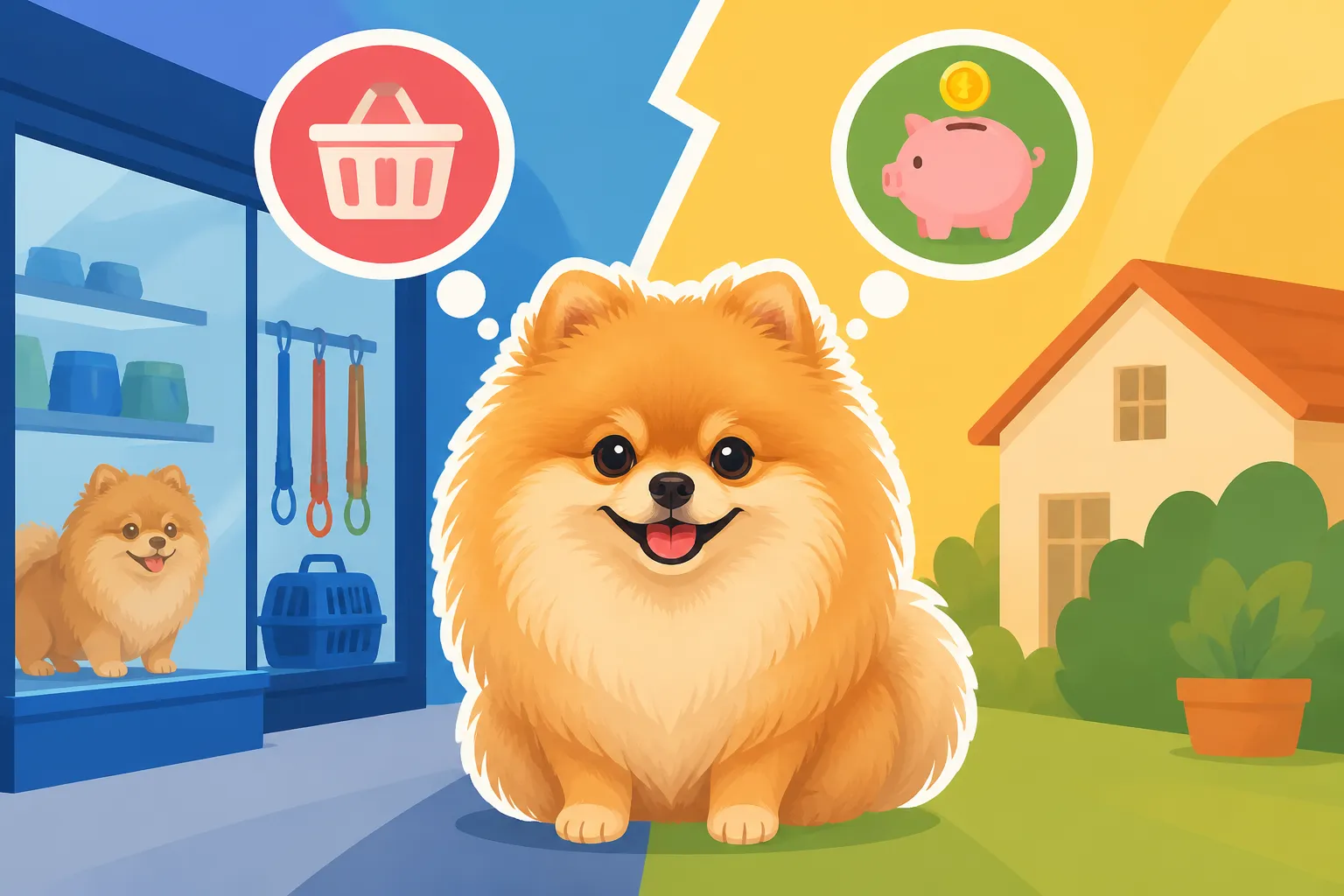
It's an incredibly common scenario: you're walking through a mall or a shopping center, and there, in a brightly lit window, is a tiny, fluffy Pomeranian puppy looking up at you with those irresistible eyes. The price tag on these pet store puppies can often seem lower than what you might see advertised by a dedicated, ethical breeder, leading many to wonder if they’ve found a bargain. But the truth about whether a pet store Pomeranian is truly cheaper is far more complex than that initial sticker price suggests, and unfortunately, many new owners discover the hidden, long-term financial and emotional costs only after bringing their new companion home. This guide will help you understand the full financial landscape of a pet store Pomeranian, moving beyond the immediate cost to reveal the true investment you'd be making.
The Deceptive Lure of the Upfront Price
When you first see the price for a Pomeranian at a pet store, it might look appealing, perhaps even a few hundred dollars less than what a reputable, health-testing breeder in your area might quote. This immediate saving is often what draws people in, creating the illusion of a more affordable entry point into Pomeranian ownership. You see a cute puppy, a relatively accessible price, and the desire to bring that little fluffball home is strong.
However, this upfront cost is rarely, if ever, the full story. Think of it like buying a car that seems cheap, but has a long history of unreported issues under the hood. The purchase price is just the first drop in what can become a very expensive bucket. An ethical breeder, for instance, has invested significantly in the health clearances of the parent dogs, quality nutrition, veterinary care for the mother and puppies, proper socialization, and often, a take-home package that includes initial vet checks and sometimes even microchipping. These investments contribute to their puppy prices, but they also significantly reduce the risk of future, often costly, problems for you. The pet store model often bypasses these crucial, foundational investments.
Why Pet Store Prices Can Seem Lower
Pet stores operate on a business model that often prioritizes volume and quick sales. They typically acquire puppies from commercial breeding operations, often referred to as "puppy mills," where the focus is on producing as many puppies as possible with minimal overhead. This means cutting corners on things like genetic health testing for parent dogs, proper veterinary care, and adequate socialization for the puppies. When these costs are minimized, the wholesale price of the puppy to the pet store is lower, allowing the pet store to sell them at a price point that appears competitive or even cheaper than a carefully bred puppy.
It’s not just about the monetary investment, either. There's also an emotional investment that ethical breeders pour into their puppies, ensuring they are well-adjusted and healthy, which is a stark contrast to the often transactional nature of a pet store purchase. The initial "bargain" price rarely reflects the true value or the care that has gone into raising a healthy, stable Pomeranian.
The Troubling Origins of Most Pet Store Pomeranians
The biggest, most uncomfortable truth about pet store puppies is their source. While pet stores will often claim their puppies come from "USDA-licensed breeders" or "local reputable kennels," these terms can be incredibly misleading. A "USDA license" for a breeder, for example, is the bare minimum requirement for commercial breeding operations that sell to pet stores, but it often does not equate to humane or ethical standards. In many cases, these are large-scale breeding facilities, also known as puppy mills, where profit is the primary driver.
In these environments, parent dogs, including Pomeranians, can live their entire lives in small cages, receiving inadequate veterinary care, poor nutrition, and minimal human interaction. They are seen as breeding machines, not beloved companions. The puppies born in these conditions are often weaned too early, exposed to stress and disease, and lack critical socialization experiences during their formative weeks.
The Puppy Mill Connection
Understanding the term "puppy mill" is crucial here. These operations are characterized by substandard conditions, overbreeding of female dogs, and a lack of proper genetic health screening. This means that genetic predispositions to serious health issues common in Pomeranians, such as Slipping Kneecaps in a Five Pound Pomeranian, collapsing tracheas, or even heart defects, are often ignored. When you buy a Pomeranian from a pet store, you are, by extension, supporting this industry, even if you’re unaware of it at the time of purchase.
The implications for the puppy are profound. Without proper early care, nutrition, and environmental enrichment, a Pomeranian puppy from a puppy mill is far more likely to develop both physical and psychological issues down the line. This isn't just a moral concern; it's a practical one that directly impacts the "cheaper" aspect of the pet store puppy. The lack of investment in their early life inevitably translates into significant costs for the new owner.
The Hidden Health Costs That Emerge Later
This is where the idea of a "cheaper" pet store Pomeranian truly falls apart. A puppy that comes from a high-volume, low-care breeding operation is at a much higher risk for a myriad of health problems, many of which can be incredibly expensive to diagnose and treat. These aren't just minor sniffles; we're talking about serious, chronic conditions that can plague a Pomeranian for its entire life.
Consider the common health issues that often crop up. Pomeranians are predisposed to conditions like Dental Disease in a Mouth the Size of a Pomeranian's due to their small jaws and crowded teeth. A reputable breeder screens for genetic predispositions and often provides initial dental care advice. A puppy mill puppy, however, might arrive with already compromised dental health, setting you up for costly dental cleanings and extractions years earlier than necessary.
Common Medical Expenses to Expect
Beyond dental issues, here are some of the other health problems that can escalate vet bills for a pet store Pomeranian:
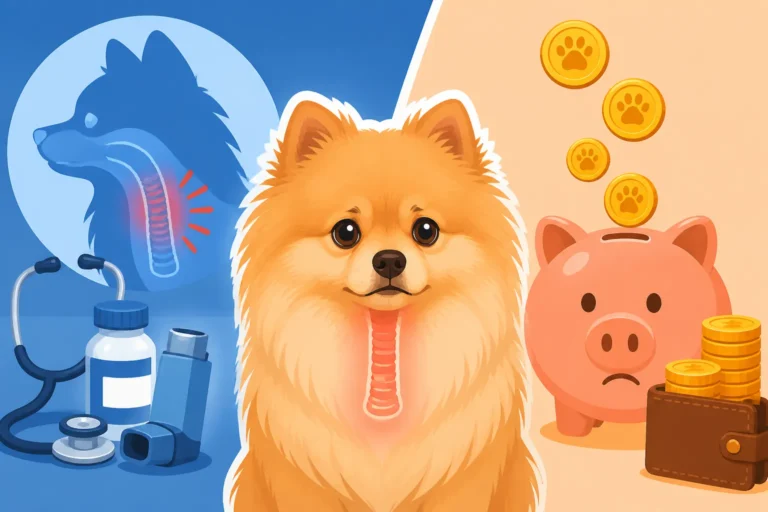
- Respiratory Issues: Collapsing trachea is a well-known Pomeranian concern. Puppies from mills might inherit weakened tracheal rings or develop issues due to stress and poor early nutrition. Managing The Honking Cough of a Pomeranian's Collapsing Windpipe can involve medication, special harnesses, and, in severe cases, expensive surgery.
- Patellar Luxation: Also known as "slipping kneecaps," this is highly prevalent in toy breeds. Without careful breeding practices to select against it, a pet store Pomeranian is at a higher risk. Corrective surgery for patellar luxation can run into thousands of dollars per knee, and often affects both legs. You can learn more about The Skip in a Pomeranian's Back Leg and its implications.
- Heart Conditions: Congenital heart defects, while less common, can occur. Reputable breeders often have their breeding dogs screened by a veterinary cardiologist. Without this screening, you might unknowingly bring home a puppy with a heart murmur that develops into a serious condition, requiring lifelong medication or even complex surgery. The cost of a full cardiac workup alone can be substantial.
- Infectious Diseases: Puppies from crowded, unsanitary conditions are more susceptible to infectious diseases like kennel cough, parvovirus, or giardia. These can be life-threatening for a small puppy and require immediate, intensive veterinary care. While these might not be genetic, they are a direct consequence of the environment the puppy came from.
These are not hypothetical "what-ifs"; they are very real, very common problems. The initial savings on the purchase price can quickly be dwarfed by recurring vet visits, medications, and potential surgeries. This is where pet insurance, from providers like Healthy Paws, really comes into play. While no insurance covers pre-existing conditions, having a plan in place for unexpected illnesses or accidents can help mitigate some of these costs, but it can't erase the heartache or the expenses incurred before coverage kicks in or for issues that are chronic.
Behavioral Challenges and Their Cost Implications
It's not just physical health; the mental and emotional well-being of a Pomeranian puppy is just as crucial, and sadly, often compromised in a pet store setting. Puppies from puppy mills often miss out on vital early socialization experiences during the critical developmental window (roughly 3 to 16 weeks of age). They might be housed in barren environments, with little exposure to varied sights, sounds, textures, and positive human interaction.
This lack of early enrichment can lead to a host of behavioral problems that can be challenging and expensive to manage. These aren't just minor quirks; they can be deeply ingrained issues that require professional intervention.
Common Behavioral Issues and Expenses
- Fear and Anxiety: Puppies not exposed to normal household noises, different people, or varied environments can become fearful of everything. This can manifest as excessive barking, hiding, destructive chewing, or even aggression born out of fear. Addressing Why a Pomeranian Barks at Everything That Moves or separation anxiety (which can be profound in Poms not properly acclimated to being alone) often requires the help of professional dog trainers or veterinary behaviorists, whose services can be quite costly.
- House Training Difficulties: Puppy mill puppies often live in their own waste, learning no concept of cleanliness or appropriate elimination areas. This can make Why House Training a Pomeranian Drags On an incredibly frustrating and lengthy process. You might spend significant money on enzymatic cleaners, puppy pads (if you opt for them), and specialized training methods to try and undo these deeply ingrained habits.
- Lack of Socialization: Poor early socialization can lead to difficulties interacting with other dogs, strangers, or even children. A Pomeranian that snips or growls at new people because it wasn't socialized properly can be a liability and requires careful, consistent training. Daycare options may be limited, or you might need private training sessions to address these specific fears.
- Separation Anxiety: Many Pomeranians are prone to becoming very attached to their owners. When combined with a lack of early independence training, pet store puppies can develop severe separation anxiety, leading to destructive behavior, incessant barking, and distress when left alone. Managing this can involve costly behavioral modification programs, specific toys or tools from places like Chewy, and even anti-anxiety medication prescribed by a vet.
These behavioral issues not only carry a significant financial burden but also an immense emotional toll. Living with a dog that constantly struggles with fear or anxiety can be stressful for both the dog and the owner. The cost of trainers, behaviorists, specialized calming products, and constant management can quickly eclipse any initial savings from the purchase price.
A Lifetime of Investment: Pet Store vs. Reputable Breeder
Let's put this into perspective with a simple comparison. When you choose an ethical, reputable breeder, you're investing in a puppy whose parents have been health screened, who has received excellent early veterinary care, and who has been socialized within a loving home environment. This upfront cost is higher, but it often dramatically reduces your risk of facing massive vet bills and behavioral training costs down the road.
A pet store Pomeranian, with its seemingly lower initial price, is often a gamble with your finances, and more importantly, with the health and happiness of a living creature.
| Cost Category | Pet Store Pomeranian (Potential) | Reputable Breeder Pomeranian (Potential) |
|---|---|---|
| Initial Purchase Price | Moderate to Low | Moderate to High |
| Vet Bills (First Year) | Potentially Very High (for illness, parasites, congenital issues) | Generally Moderate (routine check-ups, vaccinations) |
| Ongoing Vet Bills | High (for chronic conditions, surgeries for genetic issues) | Moderate (annual check-ups, age-related care) |
| Training/Behaviorist | Potentially Very High (for fear, anxiety, house training) | Generally Low to Moderate (basic obedience, socialization classes) |
| Special Diets/Meds | Potentially High (for chronic health issues) | Generally Moderate (standard quality food, occasional supplements) |
| Pet Insurance Premiums | Likely Higher (due to pre-existing conditions, if any) | Generally Standard (for a healthy puppy) |
| Emotional Toll | Very High (stress, worry, guilt) | Low to Moderate (joy, companionship) |
This table clearly illustrates that while the "Cost of a Pomeranian Puppy" from a pet store might seem lower initially, the potential for long-term expenses is significantly higher. Many owners discover that The Eighteen Thousand Dollar Lifetime of a Pomeranian can quickly become much more if they start with a puppy from a questionable background.
The Value of a Health Guarantee and Breeder Support
One of the often-overlooked benefits of buying from a reputable breeder is the health guarantee. Many breeders offer a guarantee against genetic health defects for the first year or two of the puppy's life. While you hope you never need it, this provides a layer of financial protection that pet stores typically do not match. A pet store's "guarantee" might only cover a few days or weeks, hardly enough time for complex genetic issues to manifest.
Furthermore, a good breeder provides lifelong support. They are a resource for questions about Pomeranian care, training, grooming, and health. They know their lines and can offer insights. This invaluable support is completely absent when you purchase from a pet store. If you have questions about The Puppy Uglies a Pomeranian Goes Through or need advice on socialization, a pet store clerk simply cannot provide the deep, breed-specific knowledge that a dedicated breeder can.
The Ethical Considerations: Beyond Your Wallet
While this guide focuses on the financial aspect of pet store Pomeranians, it's impossible to discuss the topic without touching on the ethical implications. Every purchase from a pet store fuels the demand for puppy mill operations. By choosing to buy from a pet store, even unknowingly, you are inadvertently supporting a system that often prioritizes profit over the welfare of animals.
Many people are drawn to rescue options for this very reason. Rescuing an adult Pomeranian can be a wonderfully rewarding experience, and rescue organizations often have the dog's known health and behavioral history, offering a clearer picture of what you're taking on. However, if your heart is set on a puppy, the most ethical and financially responsible path is to seek out a reputable, health-testing breeder. They will be transparent about their practices, welcome visits to their home, and provide extensive health clearances for the parent dogs. You can ask them about specific health tests like those for The Heart Defect Found in Pomeranian Puppies or The Eye Problems a Pomeranian Carries. They will also likely have a waiting list, which might mean a delay, but that wait is a small price to pay for a healthy, well-adjusted companion and peace of mind.
Even if you’re trying to keep costs down, consider that a cheap puppy often comes with a much higher long-term price tag in vet bills, behavioral intervention, and emotional stress. Opting for a higher upfront cost with an ethical breeder is an investment in a healthier, happier future for both you and your Pomeranian. You'll be able to focus on enjoying your furry friend, perhaps getting them the best food from brands like Ollie or toys from Chewy, rather than constantly worrying about the next vet bill or behavioral setback.
Disclaimer
This article is for general informational purposes only and does not constitute professional advice. Laws, prices and regulations vary by location and change over time. Consult a qualified professional for guidance on your specific situation.