Pomeranian Prices Across the Country
It's incredibly frustrating when you're trying to budget for a new furry family member, but all you see are wildly fluctuating numbers for Pomeranian puppies. You might see a price tag that seems too good to be true, or one that makes your jaw drop. This guide is here to demystify those figures, helping you understand the many factors that contribute to Pomeranian prices across the country, so you can make an informed decision and avoid any unwelcome surprises.
Understanding the Factors That Influence Pomeranian Prices
The sticker price on a Pomeranian puppy isn't just a random number a breeder pulls out of a hat. There's a whole host of considerations that go into it, and understanding these can help you appreciate why some puppies cost more than others, and what you're truly paying for. It's not always about rarity; often, it's about the care and commitment behind that little fluffball.
Breeder Reputation and Health Testing
One of the biggest drivers of a Pomeranian's initial cost, and rightfully so, is the reputation of the breeder and their commitment to health testing. A responsible breeder isn't just breeding two Poms together because they're cute; they're investing heavily in the health and future of their puppies. This means ensuring both parent dogs have undergone comprehensive health screenings for common Pomeranian ailments.
For instance, they'll check for conditions like Slipping Kneecaps in a Five Pound Pomeranian. Hip and elbow evaluations, eye certifications, and cardiac clearances are also crucial. These tests aren't cheap, and the cost of veterinary appointments, specialized diagnostics, and potential genetic testing adds up. Breeders who bypass these steps might offer lower prices, but you could end up paying far more in vet bills down the line for a puppy with preventable health issues. Think of it as investing in a healthy foundation from day one. A good breeder also spends time on early socialization, which can impact a puppy's temperament, and ensures they've received their first vaccinations and deworming treatments, further adding to their initial expenses.
Pedigree and Show Potential
Another significant factor is the puppy's pedigree and its potential for showing. If a puppy comes from a line of champion show dogs, its price will naturally be higher. These breeders invest years, sometimes decades, in carefully selecting breeding pairs to uphold the breed standard, aiming for specific traits like proper coat texture, compact size, and that signature foxy expression. They travel to shows, pay entry fees, and invest in professional grooming and handling.
A "show quality" puppy, meaning one that adheres closely to the breed standard and has the potential to excel in the conformation ring, will always command a premium compared to a "pet quality" puppy from the same litter. Even if you're looking for a beloved family companion, a puppy from champion lines often means a more predictable temperament and appearance, thanks to generations of careful breeding. Breeders will typically offer What Limited Registration Saves on a Pomeranian for pet quality pups, meaning you won't be able to breed or show them, which helps maintain the integrity of their lines.
Coat Color and Rarity
The vast spectrum of Pomeranian colors can also play a role in pricing, though this can be a bit of a tricky area. Popular colors like orange or sable are readily available, while "rarer" colors such as blue, lavender, or chocolate might sometimes fetch a higher price simply due to perceived exclusivity. However, it's crucial to exercise caution here. Some unethical breeders might market certain colors as "rare" to justify exorbitant prices, especially if they are not legitimate or if they come from questionable breeding practices.
For example, the Merle pattern, while striking, comes with significant health risks if bred irresponsibly. You'll want to read about The Case Against Buying a Merle Pomeranian to understand why this color should be approached with extreme caution and why reputable breeders typically avoid it or charge a premium due to the extensive health testing required. Always prioritize health and ethical breeding over a specific coat color, as a beautiful coat won't matter if the puppy is facing serious health challenges.
Age of the Pomeranian
The age at which you acquire your Pomeranian also affects its price. Puppies, especially those between 8 and 12 weeks old, are typically the most expensive. This is the prime age when most reputable breeders feel they are ready for their new homes, having been weaned and socialized adequately.
However, adult Pomeranians, sometimes referred to as "retired show dogs" or "rehomed adults," can be a more affordable option. Breeders might rehome their adult show dogs after their careers are over, or when they've finished their breeding obligations. These dogs often come with the huge advantage of being house-trained, well-socialized, and past the challenging puppy stage. Similarly, adopting a Pomeranian from a rescue organization, like those mentioned in Rescuing an Adult Pomeranian Rather Than Buying, will usually involve an adoption fee that is significantly lower than a breeder's price, and often includes spay/neuter, vaccinations, and microchipping. While the initial purchase cost is lower, it's vital to remember that an adult dog might come with its own set of known or unknown health needs, which can impact ongoing expenses.
Geographic Variations in Pomeranian Costs
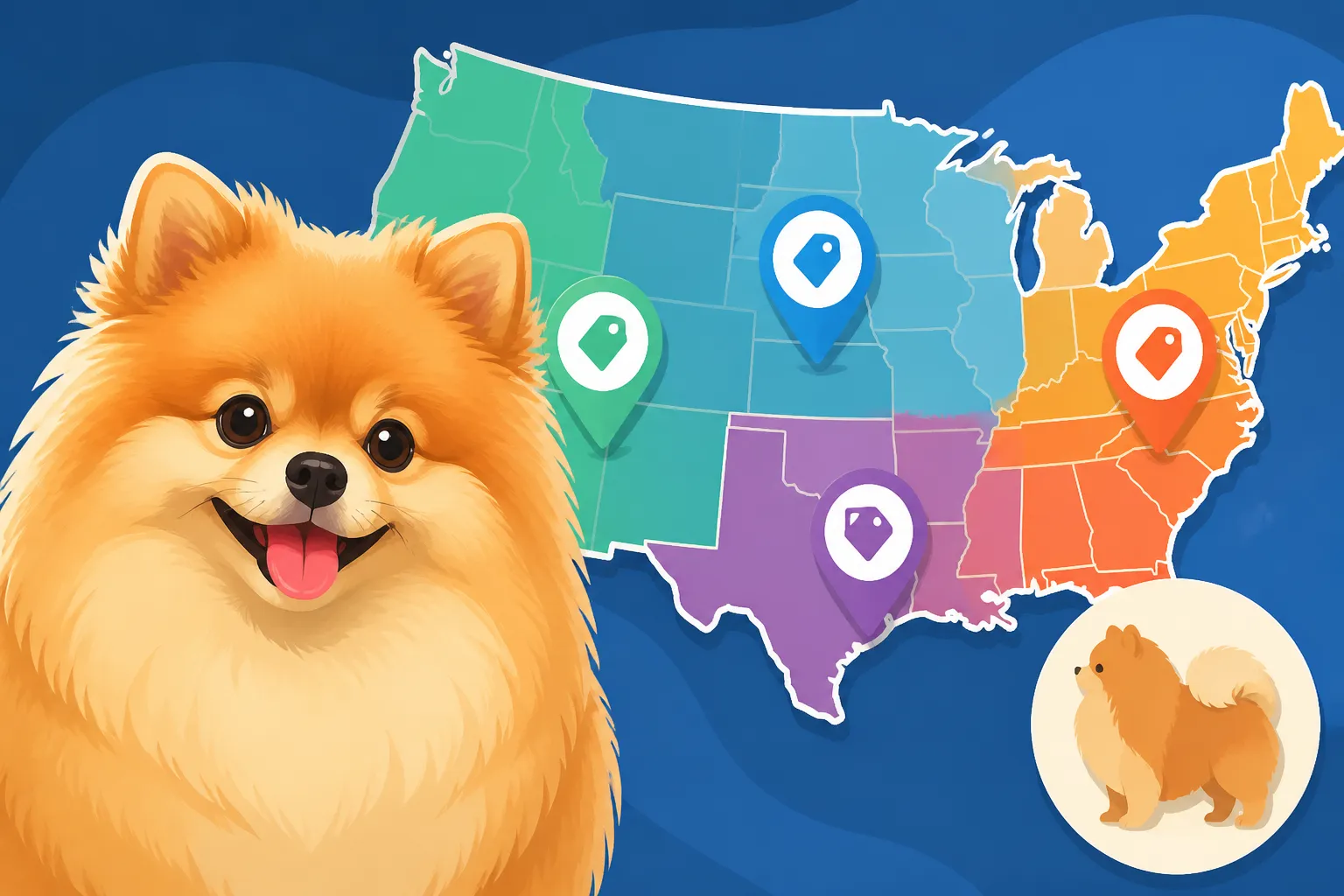
Just like real estate, the cost of a Pomeranian can vary significantly depending on where you live. What might be a standard price in one state could be considered a steal or outrageously expensive in another. It’s all about local economics, demand, and how much it costs the breeder to operate.
Cost of Living and Breeder Expenses
It makes sense that breeders in areas with a higher cost of living will generally charge more for their puppies. Think about a breeder operating in a bustling metropolitan area versus one in a quiet rural setting. The urban breeder likely faces higher costs for everything: rent, utilities, veterinary services, quality dog food, and even advertising. These overheads are inevitably factored into the puppy's price.
Moreover, access to specialized veterinary care, which is crucial for health testing and emergency situations, can vary by region. If a breeder needs to travel further or pay more for advanced screenings like cardiac evaluations or OFA certifications, those costs trickle down. So, if you're looking for a Pomeranian in, say, New York City or Los Angeles, expect prices to reflect the local economic landscape. This is one reason why Pomeranian Prices Across the Country can differ so much; a breeder in a high-tax, high-cost state will simply have higher operational expenses.
Demand and Availability
The simple economics of supply and demand also play a huge role. In regions where Pomeranians are incredibly popular and demand for puppies is high, prices tend to be elevated. Conversely, in areas where there might be fewer enthusiastic buyers, or a larger number of breeders, prices could be more competitive.
Think about how many people in your area are seeking this specific breed. If there are fewer reputable breeders to meet the demand, those breeders can set higher prices. This can be particularly true for specific coat colors or lineages if they are perceived as rare or highly desirable locally. Sometimes, you might find that driving a few hours to a different region or even a neighboring state could present different pricing structures simply due to variations in local popularity and breeder density.
Transportation and Shipping Costs
If you fall in love with a puppy from a breeder located far from your home, you'll need to factor in transportation costs. While many breeders prefer potential owners to pick up puppies in person, especially for small breeds like Pomeranians, sometimes that's not feasible. Shipping a puppy can add a substantial amount to the overall cost, including airfare for the puppy, a travel crate, and a health certificate from a vet stating the puppy is fit for travel.
It’s crucial to understand the logistics and potential stress involved when a puppy travels. Reputable breeders will always prioritize the puppy's safety and well-being during transport, often choosing methods that minimize stress. However, these methods, such as a flight nanny accompanying the puppy, can be quite expensive. Always discuss transportation options and associated costs thoroughly with the breeder before committing to a long-distance purchase. This is a significant additional expense often overlooked when considering the initial price tag. You'll want to ask your breeder about Whether Shipping a Pomeranian Puppy Is Safe before making any decisions.
The Hidden Costs Beyond the Initial Purchase Price
Alright, so you’ve got a handle on what goes into the purchase price. But let’s be real, that’s just the very first step in Pomeranian ownership! Many first-time owners are truly blindsided by the ongoing expenses, which can easily eclipse the initial cost over the lifespan of your dog. It's not just about the cute puppy; it's about providing a healthy, happy life for The Twelve to Sixteen Years a Pomeranian Lives.
Initial Setup Costs
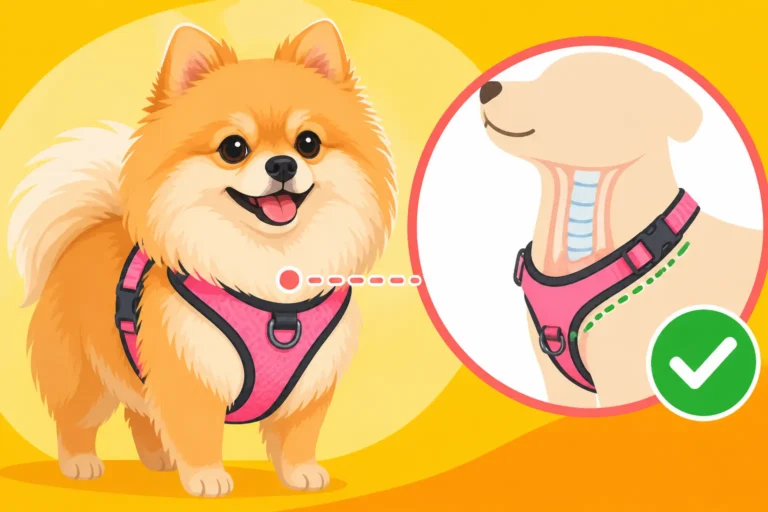
Once you bring your Pomeranian home, there’s a whole new shopping list to tackle before they even arrive. You’ll need essentials like a comfortable bed, food and water bowls, a suitable harness (many Poms benefit from a harness over a collar to protect their delicate tracheas), a leash, and an initial supply of high-quality puppy food. And don't forget toys! Small, sturdy toys are a must for these playful pups.
Then there are safety items like a crate or playpen. A playpen is excellent for confining a small puppy safely when you can't directly supervise them, protecting them from household hazards and helping with house training. These initial purchases can easily run into a few hundred dollars. Many owners turn to online retailers like Chewy for a wide selection of Pomeranian-appropriate gear, from tiny harnesses to puzzle toys that engage their active minds. Don't forget their first vet visit for a check-up, which is crucial for establishing a baseline of health and ensuring they're on track with their vaccinations.
Ongoing Care Expenses
This is where the real long-term costs start to add up. Daily food expenses might seem small, but over a decade, it’s a significant sum. A healthy diet, perhaps even fresh dog food from services like Ollie, is paramount for their overall well-being and coat health. Grooming is another big one for Pomeranians with their luxurious double coats. While you can do some at-home brushing (which is essential for Working a Pomeranian's Coat in Sections to the Skin), professional grooming appointments for trims and baths are a recurring expense.
Routine veterinary care, including annual check-ups, vaccinations, and parasite prevention, is non-negotiable. And then there are the unexpected health issues. Pomeranians, like many small breeds, can be prone to certain conditions such as The Honking Cough of a Pomeranian's Collapsing Windpipe or Dental Disease in a Mouth the Size of a Pomeranian's. These can lead to costly treatments, medications, or even surgeries. This is where pet insurance, from providers like Healthy Paws, can be a lifesaver, helping to cover a significant portion of unexpected vet bills and giving you peace of mind. Without insurance, these bills can be financially devastating.
Training and Socialization
A well-behaved Pomeranian is a joy, but that doesn't happen by accident. Training and socialization require time, consistency, and sometimes, professional help. Puppy classes are an excellent way to start, teaching basic commands and exposing your puppy to new sights, sounds, and friendly dogs in a controlled environment. This is especially important for Bringing Up a Pomeranian Puppy Its First Year.
If your Pomeranian develops specific behavioral challenges, such as excessive barking (a common Pomeranian trait!) or separation anxiety, you might need to invest in private training sessions or consult with a canine behaviorist. These services can be quite expensive, but they are often invaluable for addressing issues before they become deeply ingrained problems. Remember, a properly socialized and trained Pomeranian is a happier, more confident dog, and a better companion for you. These investments upfront can save a lot of heartache (and potentially destroyed furniture!) down the road.
Summary of Pomeranian Pricing Factors
To give you a clearer picture, here's a table summarizing the general impact of various factors on the price of a Pomeranian. Remember, these are general guidelines, and actual prices will always have a range.
| Factor | Impact on Price (Generally) | What it Means for You |
|---|---|---|
| Reputable Breeder | Higher | Healthier puppy, better support, typically includes initial vet care |
| Backyard Breeder/Pet Store | Lower | Higher risk of health issues, unknown lineage, less support |
| Champion Pedigree | Higher | Predictable temperament, appearance, potential for showing |
| "Rare" Color (e.g., Merle) | Often Higher | Can be ethically questionable, potential for health issues (e.g., Why Double Merle Pomeranian Puppies Are Born Deaf) |
| Puppy (8-12 weeks) | Highest | Most popular age, more training required |
| Adult (rehomed/rescue) | Lower (adoption fee) | Often house-trained, may have existing medical history |
| High Cost of Living Area | Higher | Reflects breeder's operational expenses |
| Low Cost of Living Area | Lower | Potentially more affordable, but research breeder thoroughly |
| High Demand Region | Higher | Less availability, competitive pricing |
| Low Demand Region | Lower | More options, potentially better pricing |
| In-person Pickup | No added cost | Best for puppy's well-being |
| Shipping | Significant added cost | Convenience, but potential stress for puppy |
Choosing to bring a Pomeranian into your life is a wonderful decision, but it's one that comes with financial responsibilities beyond that initial purchase price. By understanding the factors that influence what you'll pay and being prepared for the ongoing costs, you can ensure you provide the best possible life for your tiny, fluffy companion.
Disclaimer
This article is for general informational purposes only and does not constitute professional advice. Laws, prices and regulations vary by location and change over time. Consult a qualified professional for guidance on your specific situation.