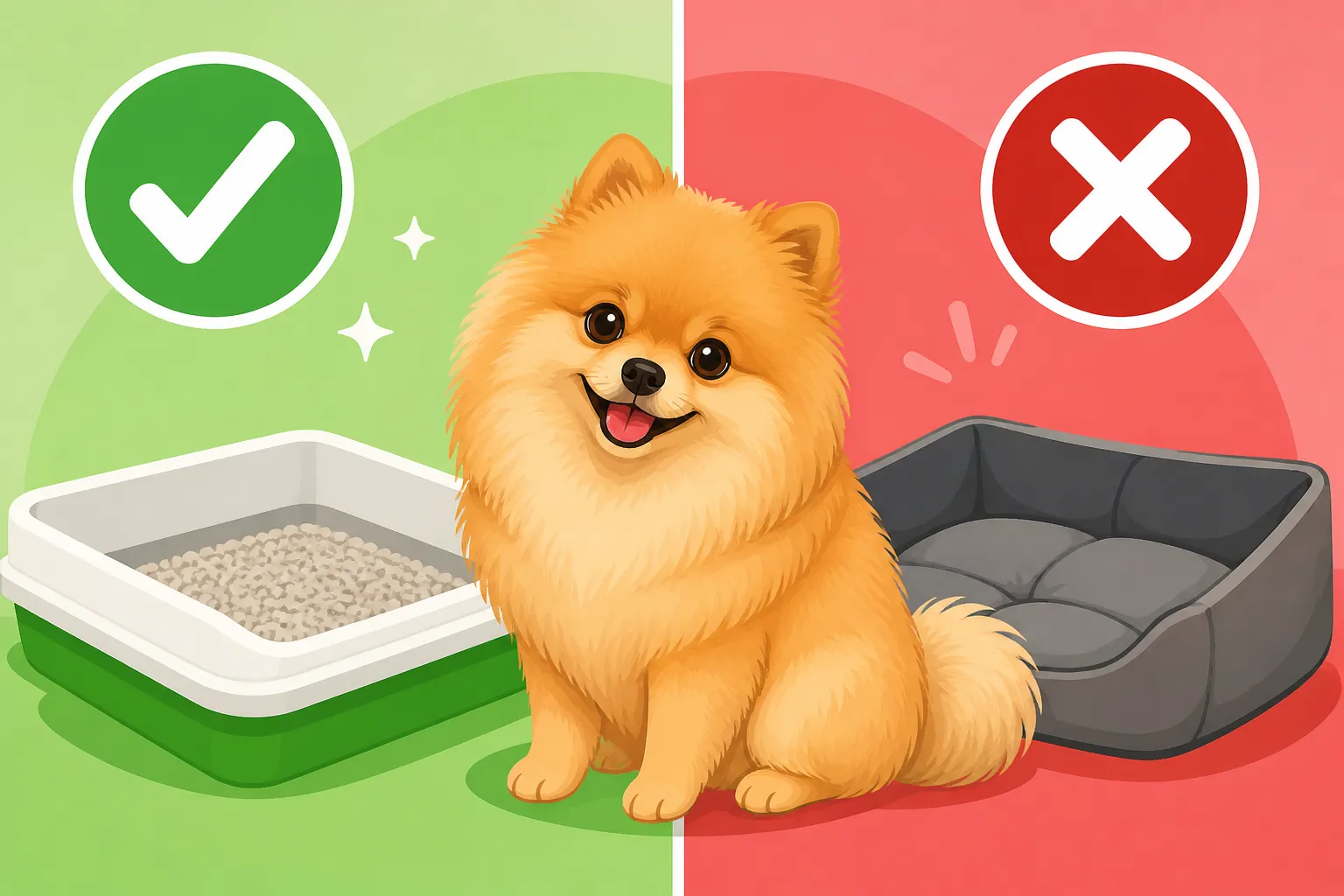
Whether a Litter Box Works for a Pomeranian
One of the most persistent, and honestly, sometimes maddening, challenges of bringing a tiny Pomeranian into your home is the house training. Their tiny bladders, combined with often less-than-ideal weather or apartment living realities, can make you wonder if you'll ever truly be free of accidents. This guide is here to explore a potential solution that many small breed owners consider: the dog litter box. We'll dive deep into whether this method truly works for a Pomeranian, what it entails, and how you can approach it successfully.
The Reality of Pomeranian House Training Challenges
Let's be real, traditional house training for a Pomeranian isn't always a walk in the park, or rather, a quick dash outside. Many owners grapple with unique hurdles that make achieving consistent outdoor potty habits feel like a monumental task. You’re certainly not alone if you've ever felt this frustration!
Why Traditional Methods Can Feel Like an Uphill Battle
Pomeranians are adorable, intelligent little fluffballs, but their physical attributes and sometimes stubborn nature can turn house training into a drawn-out saga. First and foremost, their size dictates a tiny bladder. This isn't just a cute fact; it means they physically cannot hold their urine for very long, especially as puppies. Expecting a small Pomeranian puppy to hold it for hours on end is simply unrealistic, leading to frequent accidents and a sense of failure for both dog and owner. How Small a Pomeranian Puppy's Bladder Is is a crucial piece of understanding here.
Beyond bladder size, Pomeranians, with their luxuriant double coats, aren't always thrilled about inclement weather. Rain, snow, or even just chilly temperatures can turn an eager outdoor trip into a dramatic protest. Imagine trying to coax a three-pound dog with sensitive paws and a fresh blow-dry out into a downpour – it often doesn't end well for your training efforts. A Pomeranian That Will Not Get Its Coat Wet is a common complaint. This aversion to weather often leads to quick, unproductive trips outside where the dog might just hold it in until they're back inside on your favorite rug.
Then there's the distraction factor. The great outdoors is a sensory overload for a curious Pomeranian. Every leaf, every smell, every passing bird or distant siren can pull their focus away from the task at hand. What should be a quick potty break can turn into an exploration mission, and before you know it, they've forgotten why they were out there in the first place, only to relieve themselves the moment they step back through your door. It’s enough to make you pull your hair out!
The Allure of Indoor Solutions for Small Breeds
Given these very real struggles, it's no wonder that many small breed owners, particularly those with Pomeranians, start looking for indoor potty solutions. The idea of a designated, reliable spot indoors holds immense appeal. Think about it: no more battling the elements, no more frantically bundling up your tiny companion for a midnight dash, and a perceived reduction in exposure to outdoor risks.
For apartment dwellers, especially those in high-rise buildings, an indoor potty solution can be a godsend. Waiting for an elevator, navigating busy lobbies, and finding a suitable patch of grass can add significant time and stress to every potty break. An indoor option offers immediate relief for your dog and convenience for you.
Safety is another huge consideration. A small Pomeranian is vulnerable outdoors, whether it's from larger, off-leash dogs, wildlife, or even careless pedestrians. Having a safe, controlled indoor space for them to relieve themselves reduces these anxieties dramatically. For older Pomeranians or those with mobility issues, like Slipping Kneecaps in a Five Pound Pomeranian or The Honking Cough of a Pomeranian's Collapsing Windpipe, an indoor option removes the strain of navigating stairs or uneven terrain outside. It’s about creating a more comfortable and accessible life for them.
Understanding Litter Box Training for Pomeranians
When we talk about "litter box training" for a dog, it's important to clarify what that actually means, as it's quite different from what you might imagine for a cat. It's not about scooping clay litter, but rather providing a specific, absorbent, and designated indoor area.
What a "Litter Box" Means for a Dog
For a Pomeranian, a "litter box" isn't usually a traditional cat litter box filled with clumping clay. Those can be dusty, tracked all over the house, and some dogs might even try to eat the litter, which can be dangerous. Instead, dog-specific indoor potty solutions come in a few main forms:
- Pee Pad Holders/Trays: These are essentially shallow trays designed to hold absorbent pee pads firmly in place. The tray prevents leaks and keeps the pad from being bunched up or chewed. This is a very common starting point for many small breed owners. You can find many varieties on Amazon, offering different sizes and aesthetic choices to blend into your home.
- Artificial Grass Patches: These systems feature a layer of synthetic grass over a drainage tray. They simulate an outdoor environment, which can be helpful for dogs transitioning from outdoor potty habits or those who prefer a natural texture underfoot. They require regular cleaning but can be a good compromise between pads and real grass.
- Real Grass Delivery Services: Companies like Fresh Patch offer subscriptions that deliver real, hydroponically grown grass patches to your door. The natural grass absorbs odors and feels authentic to dogs, often making the transition smoother. Once it needs replacing, you simply dispose of the old patch. While not one of our specified brands, it's a popular option for those seeking a more natural solution.
- Dog Litter/Pellet Systems: Less common but available, these are specific indoor potty trays filled with absorbent pellets made from recycled paper, wood, or other materials designed for canine waste. They are usually larger than cat litter boxes and aim to control odor more effectively than just a pee pad. The key is finding a material that your Pomeranian won't try to ingest.
The goal with any of these options is to provide a consistent, acceptable place for your dog to relieve themselves indoors. It’s about teaching them that this specific area is their designated indoor bathroom, rather than just any spot on the floor.
Pros and Cons of Going the Litter Box Route
Like any training method, there are distinct advantages and disadvantages to consider before committing to litter box training for your Pomeranian. It’s essential to weigh these carefully against your lifestyle, your dog's temperament, and your long-term goals.
| Feature | Pros for Pomeranian Litter Box Training | Cons for Pomeranian Litter Box Training |
|---|---|---|
| Weather Independence | No more rainy day struggles or freezing cold dashes outside. | Can make outdoor potty training more challenging to establish later. |
| Safety | Eliminates risks from larger dogs, wildlife, or traffic when outside. | Indoor hygiene must be meticulous to prevent odors and germ spread. |
| Convenience | Immediate access for your dog, especially for apartment dwellers. | Ongoing cost of pads, grass, or pellets. |
| Consistency | A predictable potty spot, reducing confusion for your dog. | Risk of "tracking" urine or feces outside the designated box area. |
| Elderly/Special Needs | Ideal for senior Poms or those with health conditions. | Some dogs may never fully adapt to an artificial substrate. |
| Travel | Can be useful for hotel stays or extended indoor periods. | Requires diligent cleaning and maintenance; not "set it and forget it." |
One significant advantage is the ability to bypass A Pomeranian That Will Not Get Its Coat Wet issues entirely. For city dwellers, an indoor solution can also significantly reduce stress and time commitment associated with frequent outdoor trips. Imagine the relief of not having to rush downstairs multiple times a day.
However, the "cons" are equally important to consider. While convenient, an indoor potty solution introduces its own set of hygiene challenges. You absolutely must be diligent about cleaning and replacing pads or grass patches. If not, your home will quickly develop an unpleasant odor, and your Pomeranian might start seeking cleaner spots elsewhere – which defeats the purpose entirely. Also, remember the ongoing expense of supplies. Pads, grass, or pellets aren't free, and over the lifespan of your Pomeranian, these costs can add up, becoming part of The Eighteen Thousand Dollar Lifetime of a Pomeranian.
There's also the potential for confusion. If your ultimate goal is for your Pomeranian to potty exclusively outdoors, introducing an indoor litter box can inadvertently slow down or complicate that process. It's a bit like teaching a child to use a potty in the living room and then expecting them to understand that the real bathroom is down the hall. Whether Indoor Pads Confuse a Pomeranian is a very real concern for many trainers and owners.
Step-by-Step Guide to Litter Box Training Your Pomeranian
So, you've decided the litter box route is for you and your fluffy companion. Great! Now, let’s get down to the practical steps to set your Pomeranian up for success. Remember, consistency and patience are your best friends here.
Gathering Your Supplies and Setting Up the Spot
Before you even start, you need to acquire the right tools. Don't just grab a cat litter box; as discussed, these are usually not suitable.
- Choose Your "Box": Decide between a pee pad holder, an artificial grass patch, or a dog litter system. Consider your Pomeranian's size (even if small, ensure they can comfortably stand and turn around in it) and your cleaning preferences. You can find many suitable options for various budgets on Amazon.
- Select Your Substrate: If using a pad holder, stock up on absorbent pee pads. If opting for artificial grass, ensure you have a few to rotate for cleaning, or understand the replacement schedule for real grass services. For pellet systems, choose dog-safe, absorbent pellets.
- Location, Location, Location: This is crucial. Choose a consistent, easily accessible spot that's somewhat out of the main thoroughfare but not so hidden that your Pomeranian forgets about it. A quiet corner in a bathroom, laundry room, or kitchen often works well. Avoid placing it near their food, water, or sleeping area, as dogs instinctively prefer to keep these separate. Make sure it's on a hard, easily cleaned surface, just in case of an overflow or a missed shot.
- Cleaning Supplies: Have a good enzymatic cleaner on hand for accidents. This is vital because regular cleaners don't break down the enzymes in urine, meaning your Pomeranian can still smell their previous accidents, which encourages them to repeat the behavior in that spot.
Once you have everything, set up the chosen "litter box" in its permanent location. Introduce your Pomeranian to it. Let them sniff around, perhaps even give them a treat for approaching it calmly.
The Training Process: From Introduction to Consistency
Now for the hands-on part. This requires vigilance and a predictable routine, especially in the beginning.
- Frequent Trips: Just like traditional house training, the key here is timing. Take your Pomeranian to their designated indoor potty spot frequently: first thing in the morning, after every nap, after playing, after eating and drinking, and right before bedtime. Essentially, any time you suspect they might need to go, gently lead them to the spot.
- Use a Cue Word: As you place them on the pad or grass, use a consistent, calm cue word like "potty" or "go pee." This helps them associate the command with the action and location.
- Reward Success Immediately: The moment your Pomeranian potties in the right spot, praise them lavishly and offer a high-value treat. Make it a huge celebration! This immediate positive reinforcement is critical for them to understand what they did right. Don't wait until they've walked away from the box; the reward needs to happen during or immediately after the act.
- Stay Calm with Accidents: Accidents will happen. It’s part of the process. If you catch your Pomeranian in the act, calmly interrupt them ("Oops!" or a gentle clap) and immediately take them to their litter box. If you find an accident after the fact, simply clean it up thoroughly with your enzymatic cleaner without scolding your dog. They won't understand why they're being punished, and it can just make them afraid to potty in front of you.
- Confine When Not Supervised: When you can't actively supervise your Pomeranian (e.g., when you're busy, cooking, or on a phone call), keep them in a safe, confined space like a playpen or a Crates Sized for a Pomeranian that has their litter box in one corner. This minimizes opportunities for accidents in other areas of the house and reinforces the idea of the litter box as the designated potty spot.
- Consistency is King: Everyone in the household needs to be on the same page with the training protocol. A solid, consistent routine is what builds reliable habits. Programs like BAXTER & Bella emphasize consistent methods and routines, which can be immensely helpful when you’re navigating any training challenge, including indoor potty solutions. Their structured approach can provide the framework needed for success. The Routine a Pomeranian Needs Every Day is important for any training goal.
Troubleshooting Common Litter Box Training Issues
Even with the best intentions, you might run into bumps in the road. Don't get discouraged; these are common and usually solvable.
- Missing the Box Entirely: Is the box too small? Is your Pomeranian easily distracted? Sometimes, making the "target" larger by using multiple pads or a bigger tray can help. Also, observe where they are missing. If they are peeing just outside the edge, they might be stepping too far back. Consider a tray with higher sides or a different placement.
- Refusing to Use the Box: This often happens if the box isn't clean enough (Pomeranians are fastidious!), if the substrate isn't comfortable, or if they have a strong preference for an outdoor surface. Try changing the type of pad or grass. Ensure the box is cleaned after every single use initially. If they are used to grass, try a real grass patch.
- Regressing After Initial Success: This can be frustrating. Look for changes in their routine, a new stressor, or a lapse in your consistency. Have you been extending the time between visits to the box too much? Are you still rewarding generously? Sometimes, a quick "back to basics" approach with more frequent trips and high-value rewards can get them back on track. Health issues can also cause regression, so if it's sudden and persistent, a vet check-up is always a good idea.
- Chewing the Pads/Grass: Some puppies see pads as giant chew toys. If this is the case, a sturdy pee pad holder or a real grass system that's harder to destroy might be a better choice. Distraction with appropriate chew toys away from the potty area can also help.
Integrating Litter Box Use with Outdoor Potty Habits
The big question for many Pomeranian owners is whether their dog can be trained to use both an indoor litter box and potty outdoors. It's a valid concern, and the answer is usually "yes," but it requires a thoughtful approach.
Can a Pomeranian Do Both?
Yes, a Pomeranian can absolutely learn to do both! Think of it like this: your Pomeranian learns that one area (the litter box) is for potty indoors, and another area (the grass outside) is for potty outdoors. The key is to teach them that these are two distinct options, each for different contexts.
Many owners find this dual approach ideal. The indoor litter box becomes a reliable backup, perfect for those unpredictable moments, bad weather, or when you're simply unable to get outside quickly. The outdoor potty time can still be part of your regular walk schedule, providing exercise and mental stimulation.
To achieve this successfully, it’s about clear distinctions and consistent expectations. For outdoor potty breaks, always take them to the same patch of grass and use your outdoor cue. When indoors, use your indoor cue at the litter box. Reward both successful eliminations with equal enthusiasm. It's also helpful to keep the "litter box" in a consistent indoor spot, so they don't get confused about where the indoor option is. Whether a Pomeranian Puppy Should Use Pads and Grass Both covers this concept further.
The challenge comes if the dog begins to see the indoor option as the only option, or if the lines between indoor and outdoor expectations become blurred. This is why vigilance in the early stages and clear communication from you are vital.
When a Litter Box is a Permanent Solution
For some Pomeranians and their owners, the litter box isn't just a convenience; it becomes the primary or even sole potty solution for life. There are several scenarios where this approach is not just acceptable but often preferable:
- Apartment Living/Urban Dwellers: For those in high-rise apartments or busy urban environments where safe, accessible outdoor potty spots are scarce or inconvenient, a litter box system can provide the quality of life both owner and dog need. It eliminates the stress of elevator rides, busy sidewalks, and potentially dirty or unsafe public areas.
- Senior Pomeranians or Those with Health Issues: As Pomeranians age, they might develop conditions like Kidney Disease in an Aging Pomeranian or Arthritis in a Pomeranian at Ten that make frequent outdoor trips difficult or painful. An indoor litter box allows them to relieve themselves without discomfort or rushing, preserving their dignity and comfort. Similarly, dogs with chronic conditions that cause increased urination or urgency greatly benefit from immediate access to a potty spot.
- Owners with Mobility Challenges: If an owner has limited mobility, getting outside frequently with their dog might be physically challenging. A litter box solution allows them to maintain a close bond with their Pomeranian without compromising the dog's potty needs.
- Extreme Weather Conditions: In regions with brutally cold winters or scorching summers, relying solely on outdoor potty breaks can be detrimental to a Pomeranian's health and comfort. Their delicate paws can suffer from extreme temperatures, and their overall well-being can be affected. An indoor option provides a safe haven during these times.
- Safety Concerns: If you live in an area where local wildlife (like coyotes or large birds of prey) poses a significant threat to a small Pomeranian, or if your yard isn't securely fenced, an indoor litter box minimizes exposure to these dangers.
In these situations, embracing the litter box as a permanent solution is not a failure of training, but rather a responsible and compassionate choice that prioritizes the health, safety, and well-being of your beloved Pomeranian. It’s about adapting to circumstances to create the best possible life for your furry family member.
Using resources like BAXTER & Bella for their comprehensive training guidance can be extremely beneficial whether you're focusing on indoor-only training or integrating it with outdoor habits. Their programs offer structured lessons and support that can help you navigate the nuances of dog behavior and build a strong foundation for any training goal.
Ultimately, the question isn't whether a litter box can work for a Pomeranian, but whether it works for your Pomeranian and your lifestyle. With patience, consistency, and the right approach, it can certainly be a convenient and effective solution for many owners of these delightful little dogs.
Disclaimer
This article is for general informational purposes only and does not constitute professional advice. Laws, prices and regulations vary by location and change over time. Consult a qualified professional for guidance on your specific situation.