Whether Cold Weather Sets Back a Pomeranian’s Training
It’s a chilly morning, and you glance out the window, seeing frost on the grass or perhaps even a dusting of snow. Immediately, a familiar dread settles in: how on earth are you going to keep up with your Pomeranian’s training schedule when neither of you wants to brave the cold? Many Pomeranian owners share this frustration, worrying that the dropping temperatures will completely derail all the hard work they've put into house training, leash manners, or even just basic commands. This guide will walk you through exactly how cold weather can impact your tiny companion's training progress and, more importantly, offer practical, empathetic strategies to ensure your Pomeranian continues to learn and thrive, no matter how low the mercury drops.
The Real Impact of Cold Weather on Pomeranian Training Motivation
Let's be honest, getting out there when it's bitter cold isn't fun for anyone, and that includes our little fluffballs. Pomeranians, despite their luxurious double coats, are still very small dogs. Their body mass means they lose heat much faster than larger breeds, making prolonged exposure to cold not just uncomfortable, but potentially dangerous. This fundamental physiological reality has a huge ripple effect on their willingness to train.
Reluctance to Go Outdoors for Potty Breaks
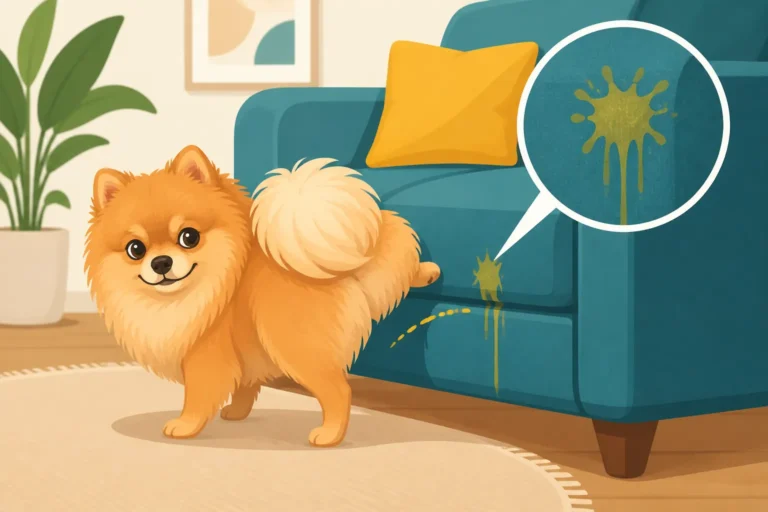
This is perhaps the biggest and most immediate setback for many Pomeranian owners. Imagine being just a few pounds, with your belly only an inch or two off the freezing ground. It's not exactly an inviting scenario for a leisurely potty break. Many Poms will go out, do their business as quickly as humanly (or doggily) possible, and race back inside, barely registering where they've been. Others might flat-out refuse to go, holding it in until they're back indoors and then having an accident on your rug.
This refusal or rush can undo weeks or even months of diligent house training. When a dog is consistently reluctant to relieve themselves outside, it creates a pattern of accidents indoors, which reinforces the wrong behavior. It's not that your Pomeranian has suddenly forgotten their training; it's that the discomfort or even fear of the cold overrides their learned behavior. This is especially true for puppies who are still mastering the art of bladder control. You might notice your little one shivering and miserable, leading you to rush them back inside before they've truly emptied their bladder. How Many Weeks House Training a Pomeranian Takes often feels like an endless process in winter.
Reduced Outdoor Exercise and Socialization Opportunities
Training isn't just about commands; it's also about exposure, socialization, and physical exercise that helps a dog be calm and receptive to learning. When the weather forces you indoors, your Pomeranian's world shrinks considerably. Less time outside means fewer chances to encounter new sights, sounds, smells, and people, which are crucial for maintaining good social skills and preventing fear-based behaviors. A bored, under-exercised Pomeranian is often a destructive or anxious one, and these underlying issues can make formal training sessions far less effective.
Think about the usual walks where your Pom sniffs around, meets a friendly neighbor, or sees another dog from a distance. These seemingly small interactions are actually vital training moments, teaching them about the world and how to behave in it. When these opportunities vanish, you might see an uptick in reactivity, excessive barking at the window, or even fear of novel situations once spring finally arrives. How Far a Pomeranian Can Walk in a Day can be drastically reduced, impacting their physical and mental well-being.
Decreased Engagement and Focus During Sessions
Cold, wet paws, a shivering body, or even just the overall desire to be warm and cozy can significantly impact your Pomeranian's ability to focus on training cues. If you're trying to practice "sit" or "stay" in a drafty hallway or on a quick, chilly outdoor trip, your Pom is likely to be distracted by their discomfort. Their primary motivation will be getting warm, not earning a treat for a perfect "down." This isn't stubbornness; it's a natural instinct to prioritize comfort and safety.
Furthermore, if the trainer (that's you!) is cold and rushed, that energy transmits to your dog. Training should ideally be a calm, positive, and engaging experience for both of you. If you're shivering and trying to get it over with, your Pomeranian will pick up on that, making the session less productive and potentially even stressful. Maintaining consistency is key, but the quality of those consistent sessions can plummet in unfavorable conditions.
Common Cold Weather Training Challenges for Pomeranian Owners
It's not just about reluctance; cold weather introduces specific logistical and behavioral hurdles that Pomeranian owners need to actively navigate. Ignoring these can lead to frustration for both you and your pint-sized companion.
Dealing with Accidents Indoors After Outdoor Refusal
This is a classic winter dilemma. You bundle up your Pom, take them outside, they shiver, do a tiny pee, or nothing at all, and then as soon as they're back inside on the warm rug, voilà, a puddle. This cycle is incredibly frustrating and makes you feel like you're losing ground in house training. The problem often isn't a lack of understanding from your dog, but a conflict between their learned behavior and their instinctual desire to avoid discomfort.
The small size of a Pomeranian means their bladders are also small. They can't "hold it" for exceptionally long, especially puppies. When they refuse to go outside due to cold, the pressure builds quickly, and an indoor accident becomes almost inevitable. You might find yourself scrubbing floors more often than training "leave it." This isn't a setback in your dog's intelligence, but a failure in adapting the environment to support their training. A House Trained Pomeranian That Starts Having Accidents is a common winter complaint.
Maintaining Socialization and Mental Stimulation Without Outdoor Access
The cold often means fewer trips to the park, fewer playdates, and shorter walks. For a social and intelligent breed like the Pomeranian, this lack of mental and physical engagement can lead to a host of behavioral issues. Destructive chewing, excessive barking, demand barking, and even some forms of anxiety can all stem from boredom and insufficient stimulation. These behaviors, in turn, make focused training sessions harder to conduct.
Think about a typical day for your Pom: a morning walk, sniffing new smells, greeting a friendly face, maybe a trip to a pet-friendly store. In winter, this might reduce to a quick dash outside and then endless hours staring out the window. Without those rich sensory experiences, their mental energy isn't being properly channeled. This leads to pent-up energy that manifests as "naughtiness," making it feel like training has gone backward, when in reality, it's the foundation of their well-being that's been neglected. Whether a Pomeranian Can Be Left During Work Hours becomes even more challenging if their exercise is curtailed.
Managing Leash Training and Proper Equipment
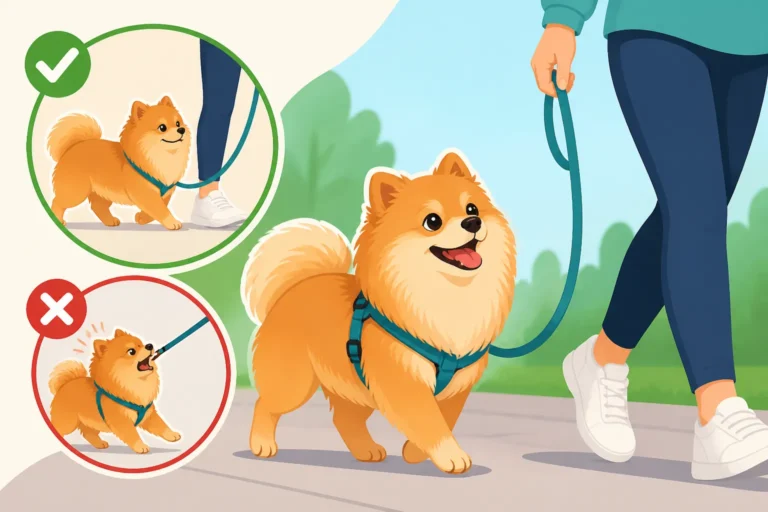
Leash training, which involves exposure to different environments, sounds, and textures, can also suffer. If your Pomeranian is uncomfortable in their harness and booties, or if the icy pavement is painful, they're not going to be receptive to learning how to walk politely on a leash. They might pull harder to get back inside, refuse to move, or try to pick up their paws.
Proper gear becomes paramount. A regular collar is a no-go for a Pomeranian due to their delicate trachea, making a harness essential. But finding one that fits snugly, doesn't chafe, and can accommodate a winter coat and potential additional clothing (like a sweater or jacket) can be tricky. Then there are booties: some Poms tolerate them, others absolutely despise them. If your Pom is constantly fighting their gear, or if the cold is genuinely affecting their comfort, you'll find every outdoor walk turning into a battle rather than a training opportunity. Why a Collar Threatens a Pomeranian's Windpipe highlights this importance.
Strategies to Keep Your Pomeranian's Training On Track in Winter
The good news is that cold weather doesn't have to spell the end of your Pomeranian's training journey. With a little planning, patience, and creativity, you can not only maintain their progress but even introduce new skills.
Adapting Potty Training for Cold Weather Success
Consistency is king, but adaptation is the queen. To prevent setbacks in house training, you need to make outdoor potty breaks as comfortable and appealing as possible.
- Gear Up: Invest in quality cold-weather gear. A well-fitting dog coat or sweater is essential to keep their core warm. For paws, dog booties can protect against ice, snow, salt, and freezing temperatures. You can find a wide range of options on Amazon, from simple fleece coats to insulated, waterproof jackets. Start introducing these items indoors for short periods to get your Pom used to them before heading out.
- Create a Designated "Warm Spot": If possible, clear a small, sheltered patch of grass or snow in your yard. If you have a patio, consider a potty pad holder or a patch of real grass designed for dogs, protected from the elements. This gives them a consistent, less intimidating place to go.
- Shorter, More Frequent Trips: Instead of trying to make them stay out for a long time, take them out more frequently for very short, targeted potty breaks. As soon as they go, praise them enthusiastically and bring them back inside to warmth and a treat. The instant gratification helps reinforce the desired behavior.
- Indoor Potty Solutions (Temporary): If outdoor conditions are truly extreme (blizzard, ice storm), or you have a very resistant Pomeranian, consider a temporary indoor potty solution like pee pads or an indoor grass patch. While not ideal for long-term house training, it prevents accidents and helps maintain a routine. Just be diligent about transitioning back to outdoors when the weather improves. Whether a Pomeranian Puppy Should Use Pads and Grass Both has its pros and cons, but can be a lifesaver in winter.
Boosting Indoor Enrichment and Mental Stimulation
Since outdoor adventures might be limited, it's crucial to ramp up indoor activities that engage your Pomeranian's mind and body. This prevents boredom and keeps them sharp for training.
- Puzzle Toys and Treat Dispensers: These are fantastic for mental stimulation. Fill KONGs or other puzzle toys with kibble, peanut butter, or treats and let your Pom work to get the reward. This keeps them occupied and thinking. Amazon offers a vast selection of puzzle toys suitable for small breeds.
- Interactive Play: Engage in short bursts of indoor fetch, tug-of-war (with appropriate toy size and rules), or hide-and-seek with treats. These games provide physical exercise and reinforce your bond.
- New Tricks and Commands: Winter is an excellent time to teach new tricks! Your Pomeranian is smart and eager to learn, especially when food is involved. Focus on fun, confidence-building tricks like "spin," "weave," "bow," or "take a bow." Break them down into tiny steps and use positive reinforcement. This keeps their brain active and your training relationship strong. The Trick Titles a Pomeranian Picks Up Easily shows just how capable they are.
- Indoor Agility or Obstacle Courses: Get creative with household items! Use cushions as jumps, a broomstick across two chairs as a tunnel, or a blanket over a laundry basket as a crawl space. Guide your Pomeranian through these "obstacles" with treats, making it a fun physical and mental challenge.
- Scent Work: Hide treats around the house and encourage your Pomeranian to find them using their nose. This is incredibly enriching and tiring for dogs. Start easy and gradually increase the difficulty.
Leveraging Indoor Spaces for Consistent Training
Your home isn't just for lounging; it's a prime training ground! Think about how you can use different rooms and spaces to practice and reinforce behaviors.
- Short, Frequent Sessions: Instead of one long, arduous outdoor session, aim for multiple short (5-10 minute) training sessions indoors throughout the day. This keeps your Pomeranian engaged without overwhelming them, and it's easier to fit into your schedule.
- Focus on Fundamentals: Revisit basic commands like "sit," "stay," "come," "down," and "leave it." Practice them in different rooms, with varying levels of distraction (e.g., in the living room, then the kitchen, then the bedroom). This strengthens their understanding and reliability.
- Proofing Behaviors: Once your Pom understands a command, practice "proofing" it. This means practicing in new locations, with new distractions, and with different people. Even if you can't go to the park, you can introduce new distractions indoors, like a TV playing, someone walking by a window, or a family member pretending to drop food.
- Online Training Resources: If you're feeling stuck or need new ideas, consider an online puppy training program. Many platforms offer structured lessons that you can follow from the comfort of your home, complete with video tutorials and support. Programs like BAXTER & Bella provide comprehensive, step-by-step guidance that's perfect for continuing training when outdoor options are limited. This can be a fantastic way to maintain momentum and learn new skills.
Essential Gear and Preparations for Cold Weather Training Sessions
Making sure your Pomeranian is safe and comfortable is the first step to any successful training, especially in winter. Without the right gear and preparation, you're setting both of you up for failure.
Selecting the Right Cold Weather Apparel
A Pomeranian's fluffy double coat is designed to keep them warm, but it has its limits, particularly for their paws and bellies which are close to the cold ground.
- Warmth for the Body: A good quality, insulated coat or sweater is indispensable. Look for materials that are water-resistant on the outside to keep them dry from snow or slush, and fleece-lined on the inside for warmth. Ensure it fits snugly but doesn't restrict movement, especially around the front legs and chest. The aim is to cover their core. Whether a Pomeranian Needs Clothing at All is a question with a clear answer in cold climates.
- Paw Protection: Dog booties are a game-changer for cold-weather potty breaks and short walks. They protect delicate paw pads from freezing temperatures, ice, road salt, and harsh chemicals. It can take some time for Poms to get used to booties, so start acclimation indoors well before the cold hits. Put them on for a few minutes at a time, distracting with treats and praise, and gradually increase the duration.
- Harness Over Collar: Always use a harness, never a collar, for walks. A harness distributes pressure across the chest and shoulders, protecting your Pomeranian's fragile trachea, which is especially vulnerable to irritation in cold, dry air. Choose a harness that fits well over their winter clothing without being too bulky.
Creating a Winter Training Toolkit
Beyond just clothing, having a few key items on hand can make indoor and outdoor training much more manageable.
| Item | Purpose |
|---|---|
| High-Value Treats | Essential for motivating your Pomeranian in cold weather, as they might need extra incentive. Small, soft, smelly treats work best. |
| Potty Pads / Indoor Grass | For extreme weather or very reluctant dogs, these offer a temporary indoor solution to prevent accidents and maintain routine. |
| Interactive Toys | Puzzle feeders, treat-dispensing balls, or snuffle mats keep their minds engaged and prevent boredom when outdoor activity is limited. Many durable options are available on Amazon. |
| Warm Towels | Have these ready by the door to quickly dry off wet paws and bellies after outdoor trips, preventing chills and making the transition indoors more comfortable. |
| Leash and Harness | A lightweight leash and a comfortable, well-fitting harness are crucial. Ensure the harness fits over winter clothing without bulk. |
| Crate or Playpen | Provides a safe, warm, designated space for indoor training sessions or quiet time, especially useful for managing a busy puppy when outdoor exercise is reduced. Playpens for a Pomeranian Puppy are a must-have. |
Prioritizing Safety and Well-being
Training is secondary to your Pomeranian's health and safety. Always put their well-being first when training in cold weather.
- Monitor for Hypothermia: Watch for signs like shivering, lethargy, holding paws up, or reluctance to move. If you see these, bring your Pom inside immediately and warm them up slowly with blankets.
- Beware of Ice and Salt: Icy surfaces are a slip hazard, which can be dangerous for small dogs prone to Slipping Kneecaps in a Five Pound Pomeranian. Road salt and de-icers can burn paw pads; booties are the best defense. Always wipe paws clean after outdoor exposure, even if they wore booties.
- Hydration and Nutrition: Ensure your Pomeranian has constant access to fresh water, as even in cold weather, staying hydrated is vital. Maintain their regular feeding schedule, perhaps slightly adjusting portions if their activity level changes significantly. Feeding a Dog That Weighs What a Pomeranian Weighs means being very precise.
- Communicate with Your Vet: If you have concerns about your Pomeranian's tolerance to cold, especially if they are a puppy, senior, or have underlying health conditions, consult your veterinarian. They can offer personalized advice on safe outdoor limits and necessary precautions.
Cold weather certainly presents challenges for Pomeranian training, but it's not an insurmountable obstacle. By understanding their needs, adapting your routine, and utilizing appropriate gear and indoor resources, you can ensure your little Pom continues to learn, grow, and thrive all winter long. Don't let the frost derail your progress; instead, use it as an opportunity to get creative and strengthen your bond with your furry friend.
Disclaimer
This article is for general informational purposes only and does not constitute professional advice. Laws, prices and regulations vary by location and change over time. Consult a qualified professional for guidance on your specific situation.