Introducing a Pomeranian to a Larger Dog
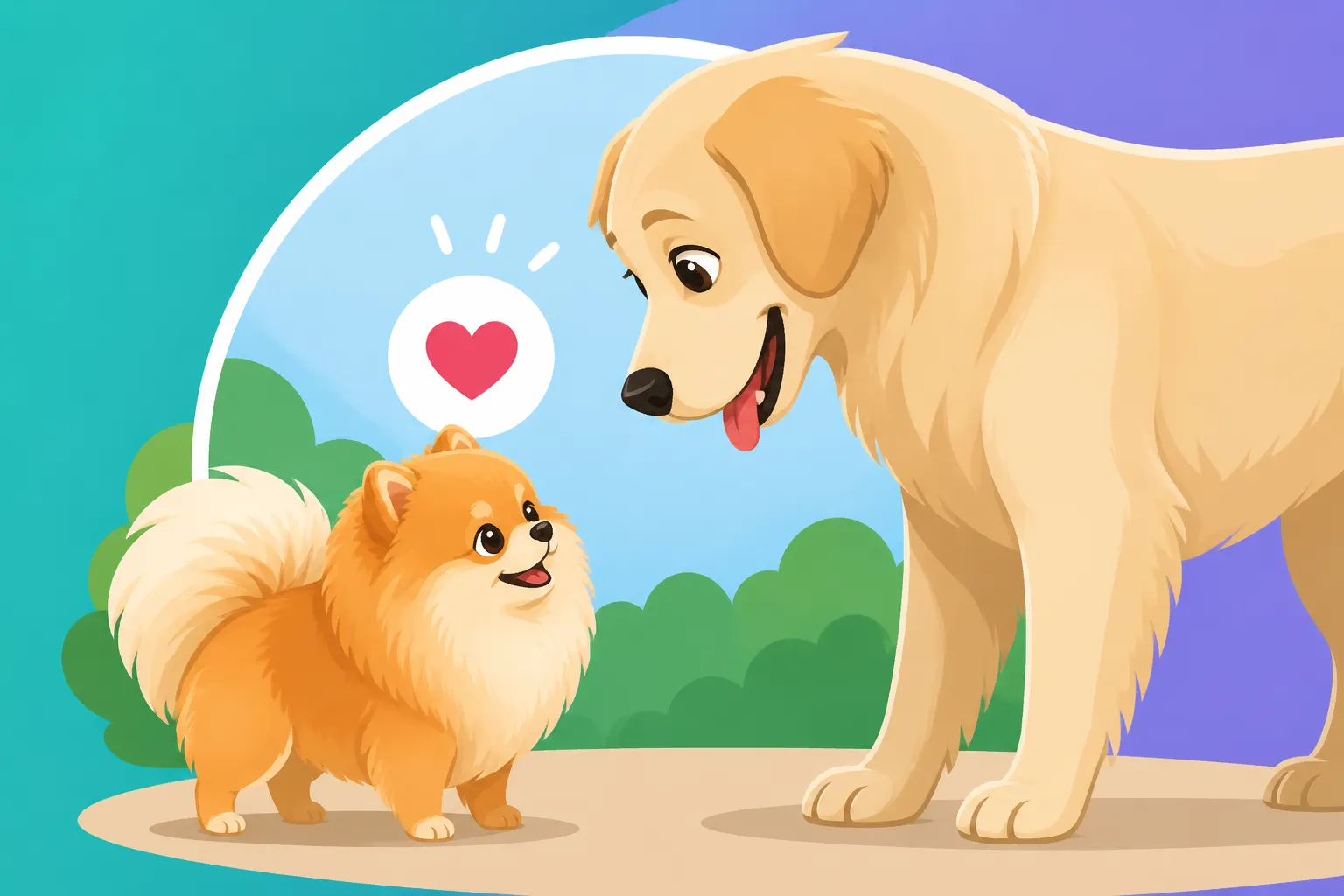
Bringing a new dog into a home, especially when there's a significant size difference, can feel like navigating a minefield. Many Pomeranian owners are rightly concerned about the safety of their tiny companion when a larger dog is in the picture, fearing accidental injury or even intentional harm. This guide will walk you through a thoughtful, step-by-step process for safely and successfully introducing your beloved Pomeranian to a larger canine friend, focusing on careful preparation and positive reinforcement to build a harmonious relationship.
Understanding the Dynamics of a Size Mismatch
The idea of a tiny Pomeranian interacting with a much larger dog often fills owners with anxiety, and for good reason. It's not just about perceived aggression; accidental injuries are a very real concern due to the sheer difference in bulk and play style. We need to be realistic about the challenges before we can address them effectively.
The Fragility of a Pomeranian Compared to a Larger Dog
Let's be honest: your Pomeranian is small. Like, really small. We're talking about a dog that might weigh five or six pounds, standing next to a seventy-pound Labrador or a hundred-pound German Shepherd. This isn't just a cute visual; it's a fundamental difference in physical resilience. A playful bump from a large dog, even one with the best intentions, can be catastrophic for a Pomeranian. Their delicate bone structure, tiny windpipes (which can be prone to conditions like The Honking Cough of a Pomeranian's Collapsing Windpipe), and overall slight build mean that what's a harmless nudge to a big dog could result in a broken bone or internal injury for your Pom.
Think about a common play scenario: two large dogs wrestling. They tumble, they mouth, they use their bodies to pin each other. Now imagine a Pomeranian in that mix. Even if the large dog is merely trying to "play nice," their sheer mass and strength could easily overwhelm or injure your smaller companion. This isn't about blaming the big dog; it's about acknowledging the physical reality and understanding that our role as owners is to prevent these dangerous situations from ever arising. It means constant vigilance and a proactive approach to safety.
Different Play Styles and Communication
Beyond size, dogs have different play styles, and these are often influenced by their breed and individual personalities. Many larger breeds engage in rough-and-tumble play, using their paws, bodies, and mouths quite extensively. They might chase, wrestle, and mouth each other with gusto. A Pomeranian, while often possessing a feisty spirit, is typically not built for this kind of interaction. Their play tends to be more about quick bursts of running, barking, and perhaps some light chasing, but rarely the heavy body contact that larger dogs enjoy.
Furthermore, communication can be misinterpreted. A larger dog's "play bow" might appear intimidating to a tiny Pomeranian. A big dog's loud bark or enthusiastic tail wag might be read as aggression or a threat by the smaller dog, triggering a fear response. Conversely, a Pomeranian's confident, sometimes bossy, demeanor might be completely ignored or misunderstood by a large dog, who might see the tiny fluffball as a moving toy rather than another canine with boundaries. Understanding these potential miscommunications is key to orchestrating safe introductions.
Strategic Preparation: Setting the Stage for Success
Before you even think about allowing your Pomeranian and a larger dog to meet face-to-face, extensive preparation is non-negotiable. This isn't just about managing the meeting itself; it's about setting up both dogs for a successful, low-stress interaction long before they are in the same room.
Thorough Assessment of Both Dogs' Temperaments
You need to be brutally honest about both your Pomeranian and the larger dog's personalities. Is your Pomeranian generally confident and curious, or are they prone to fear-barking and hiding? Some Poms, despite their size, have a very strong "big dog" personality and aren't easily intimidated, while others are incredibly timid. For the larger dog, consider their history and general demeanor. Are they known for being gentle with small animals? Do they have a high prey drive? Have they lived with small dogs before, or are they used to only interacting with dogs their own size?
If you're introducing dogs within your own household, you already have a leg up on this assessment. If it's a friend's dog, have an honest conversation with their owner. Ask about any history of aggression, resource guarding, or overly boisterous play. A larger dog with a known history of aggression or a very high prey drive towards small, fast-moving objects is simply not a good candidate for this kind of introduction, and it's vital to prioritize your Pomeranian's safety above all else. Similarly, a Pomeranian that barks and snaps at everything that moves might provoke an unwelcome reaction from a larger, less tolerant dog.
Essential Training for Calmness and Control
Both dogs need to have a solid foundation of basic obedience, particularly commands like "sit," "stay," "leave it," and a reliable recall. For the larger dog, this is about controlling their enthusiasm and ensuring they can be called off if they get too boisterous. For the Pomeranian, it's about being able to manage their sometimes-feisty responses and ensure they don't escalate a situation. Teaching "leave it" can be a literal lifesaver, allowing you to redirect attention if one dog becomes overly focused on the other in an inappropriate way.
Consider using positive reinforcement training tools to make these interactions calm and pleasant. An online program like those offered by BAXTER & Bella can be incredibly helpful for teaching both dogs good manners and self-control in a structured way. This isn't just about preparing for the first meeting; it's about instilling good habits that will serve both dogs throughout their lives together. The goal isn't just tolerance, but a calm, respectful coexistence.
Creating Safe and Segregated Spaces
Before any physical introduction, ensure both dogs have their own secure, comfortable spaces where they can retreat and feel safe. This is especially crucial for your Pomeranian. A sturdy crate, a playpen, or even a designated room with a baby gate can serve as a sanctuary. This isn't just for sleeping; it's a place where they can eat, chew a favorite toy, or just relax without fear of being bothered by the other dog.
For the larger dog, they also need a defined space, perhaps a large crate or a dog bed in a quiet corner. The idea is to create an environment where neither dog feels threatened or overwhelmed, and they can gradually become accustomed to each other's presence without direct interaction. You can use baby gates to create physical barriers, allowing them to see and smell each other from a distance without direct contact. Playpens for a Pomeranian Puppy are fantastic for giving your Pom a secure zone even when the larger dog is in the room. This initial segregation reduces stress and prevents any potential incidents before they even have a chance to occur.
The Art of the First Meeting: Controlled and Positive
The first face-to-face meeting is the most critical step. This isn't a moment for spontaneous, excited greetings. It needs to be carefully orchestrated to maximize safety and positive associations.
Neutral Territory and Leash Management
The very first physical introduction should always happen on neutral territory. This means a place where neither dog feels territorial or possessive – a quiet park, a friend's fenced yard, or even just a different street than your usual walking route. Avoid bringing the new dog directly into your home, especially if your Pomeranian is already established there, as this can trigger territorial aggression or fear. Both dogs should be on leashes, handled by separate, confident individuals. This allows for immediate, gentle control if either dog shows signs of stress or over-excitement.
Keep the leashes loose; you don't want to create tension, but you do want to be able to gently guide them apart if necessary. Avoid tight leashes, as this can communicate stress to the dogs and even escalate tension. The goal is a casual, relaxed introduction where they can sniff and observe each other without feeling trapped or threatened. Always have high-value treats on hand to reward calm behavior.
Short, Positive, and Frequent Interactions
The first meeting should be very brief. Seriously, think minutes, not hours. Allow them a quick sniff, observe their body language closely, and then separate them. End on a positive note, even if it was just a few seconds of calm coexistence. You want both dogs to associate the other's presence with good things – treats, praise, and a relaxing experience. Don't push them to interact more than they are comfortable with.
Repeat these short, positive introductions multiple times over several days, gradually increasing the duration as both dogs show signs of comfort. Pay close attention to their body language: relaxed posture, loose tails (not tucked or rigidly high), soft eyes, and sniffing are good signs. Stiff bodies, hard stares, raised hackles, or excessive barking are clear indicators to separate them and try again later, or re-evaluate your approach. Remember, it's about building trust and positive associations slowly and steadily. Training Session Length for a Pomeranian should always be short and positive, and this applies to initial introductions as well.
Supervised Integration: Building a Safe Relationship
Once initial greetings have gone well, the next phase is supervised integration, where you gradually allow them to spend more time together in a controlled environment. This still requires vigilance, but it's about fostering a more relaxed relationship.
Gradual Increase in Time Together
After successful neutral territory meetings, you can start bringing them together in a shared space, like your home, but always under direct supervision. Keep them leashed initially, even indoors. You might start by having them in the same room but on opposite sides, both chewing a high-value treat or Kong. This allows them to get used to each other's presence in a calm, non-threatening way. Gradually, as they show consistent signs of relaxation, you can increase the amount of time they spend together off-leash, but only in safe, open areas where the Pomeranian has an easy escape route if needed.
Consider using a secure playpen for your Pomeranian during these early stages, allowing the larger dog to observe from outside. This offers a critical layer of protection for your tiny Pom, letting them feel safe while still being part of the environment. Items like secure indoor gates available on Amazon can be excellent tools for managing space and ensuring controlled interactions without full physical contact too soon. It's a slow dance, taking cues from both dogs' comfort levels.
Shared Activities and Positive Reinforcement
To help them build a positive association with each other, engage them in shared, low-stress activities. Short, calm walks together (still on separate leashes, with handlers focused on keeping them calm and separate if necessary) can be a great way to build a "pack" feeling. Feeding them simultaneously, but in separate areas or behind gates, also creates a positive routine. Always reward calm, polite behavior when they are in each other's presence. Every time they ignore each other, lie down calmly, or offer a respectful sniff, shower them with praise and a small, tasty treat.
Puzzle toys can be fantastic for redirecting their attention and creating a calm atmosphere. Give each dog a Puzzle Toys Small Enough for a Pomeranian or a larger equivalent, in the same room but at a distance. This teaches them to enjoy their own activity while the other dog is present, building a sense of comfortable coexistence rather than forced interaction. The more positive experiences they share, the stronger their bond will become.
Ongoing Management: Ensuring Long-Term Harmony
Even when your Pomeranian and the larger dog seem to get along beautifully, ongoing management is crucial. Their safety should always be your top priority, especially given the significant size difference.
Consistent Supervision and Management Tools
The reality is that a Pomeranian's small size means they are never completely safe from accidental injury from a large dog, no matter how gentle that dog is. Therefore, constant, diligent supervision is a lifelong commitment. You should never leave them unsupervised together, especially during the initial months or if either dog exhibits even the slightest signs of discomfort. This means crating or separating them when you leave the house, or even when you step out of the room for a moment.
Management tools continue to be invaluable. Secure indoor gates can section off parts of your home, creating designated "Pomeranian zones" and "big dog zones." Sturdy crates remain essential for safe separation. If the larger dog is particularly bouncy or prone to sudden movements, consider a no-pull harness that offers better control on walks, like those often recommended for safe walking and found on Amazon. This might seem like a lot of effort, but it's the responsible approach to ensure both dogs can live happily and safely in your home.
Recognizing and Addressing Stress Signals
Become a master of dog body language. Both your Pomeranian and the larger dog will give subtle cues when they are feeling stressed, uncomfortable, or overly aroused. For the Pomeranian, this might include lip licking, yawning (when not tired), turning their head away, trying to hide, or showing their teeth. For the larger dog, look for stiffness, whale eye (showing the whites of their eyes), growling, or an intense stare. Any sign of discomfort, from either dog, is a signal to immediately intervene and separate them calmly.
It's also important to watch for inappropriate play. If the larger dog is constantly trying to "pin" or "mouth" the Pomeranian, even gently, it might be too much for your small dog. Always advocate for your Pomeranian. If they signal they've had enough, respect that. Intervene with a cheerful distraction, a "leave it" command, and separate them. The goal is to prevent any negative interaction from escalating into a serious incident. Regular quiet time apart, even if they seem to get along, can help prevent stress buildup.
When Things Go Wrong: Troubleshooting and Seeking Help
Despite the best preparations, sometimes things don't go as planned, or you encounter unexpected challenges. Knowing when to seek professional help is a sign of a responsible owner.
Identifying Red Flags and When to Step Back
It's important to recognize when an introduction isn't working or when a relationship is deteriorating. Red flags include:
- Persistent fear or anxiety: One dog consistently trying to avoid the other, hiding, or showing constant signs of stress.
- Aggression: Any growling, snapping, lunging, or biting, even if it doesn't result in injury. This is a serious red flag.
- Resource guarding: One dog guarding toys, food, or even your attention from the other.
- Excessive bullying: The larger dog constantly pestering or overwhelming the Pomeranian, despite your interventions.
- Injury: Any physical harm, no matter how minor, indicates a breakdown in safety protocols.
If you observe these behaviors consistently, it's time to take a step back. Re-establish complete separation and reconsider your approach. It may be that these particular dogs, despite your best efforts, are not a good match for living together freely. Sometimes, managing separate living spaces for the long term is the safest and kindest solution. A Pomeranian That Snaps When Lifted or A Pomeranian That Guards a Toy From the Family might indicate underlying issues that need to be addressed before adding another dog to the mix.
Professional Intervention: When to Call a Behaviorist
If you're struggling to manage the introduction, or if any aggressive behaviors emerge, do not hesitate to call a certified professional dog trainer or veterinary behaviorist. These experts have the knowledge and experience to assess the individual dogs, identify the root cause of issues, and develop a tailored plan to address them. They can offer invaluable insights into canine body language, communication, and behavior modification techniques that might be beyond the scope of a typical owner.
A professional can help you understand Introducing a Pomeranian to a Much Bigger Dog with nuance, setting up controlled scenarios and guiding you through each step. They can provide hands-on coaching and ensure you're implementing techniques safely and effectively. Investing in professional help early can prevent minor issues from becoming major problems and potentially save the relationship between your dogs. Companies like BAXTER & Bella also offer online resources and consultations that can provide valuable guidance and support for complex behavioral challenges, making expert advice more accessible.
| Behavior Signal | Pomeranian (Small Dog) | Larger Dog | Interpretation | Action Required |
|---|---|---|---|---|
| Relaxed Body Posture | Loose, wiggly body; soft eyes; relaxed mouth; tail wagging loosely. | Loose, wagging tail (not stiff or tucked); soft eyes; open, relaxed mouth; weight evenly distributed. | Comfort/Happiness: Indicating positive feelings and comfort in the situation. | Continue observation, reinforce calm behavior. |
| Lip Licking / Yawning | Often subtle, quick flick of the tongue; yawn when not tired. | More pronounced lip licks; yawning often with head turn. | Stress/Anxiety: A calming signal that they are uncomfortable or trying to diffuse tension. | Create distance, distract with a treat, end interaction briefly. |
| Stiff Body / Freezing | Tense muscles, low crouch, or standing rigidly still. | Body rigid, tail often held low and stiff or high and stiff; often a hard stare. | Fear/Warning: Precursor to potential fear-based aggression or extreme discomfort. | Immediately separate dogs, remove from situation. |
| Whale Eye | Showing the whites of their eyes, often looking away from the other dog. | Showing the whites of their eyes as their head is turned but eyes are focused. | Stress/Discomfort: Sign of feeling threatened or cornered. | Increase distance, ensure escape route for the dog showing whale eye. |
| Growling / Snapping | Low rumble, sometimes accompanied by baring teeth; quick, air snaps. | Deep growl, often with lowered head; quick snap, may make contact. | Warning/Aggression: Clear signal to back off, immediate threat. | IMMEDIATE SEPARATION. Professional help is needed. |
| Overly Boisterous Play | May be overwhelmed, yelping, trying to get away, or hiding. | Bumping, wrestling, chasing excessively, pinning, or mouthing too hard. | Inappropriate Play: May be accidental injury risk for small dog, or bullying. | Intervene with "break" command, redirect to separate toys, give a time-out. |
| Ignoring the Other Dog | Calmly engaging with own toy, person, or resting. | Calmly engaging with own toy, person, or resting. | Comfortable Coexistence: Showing they are comfortable enough to exist without constant focus on the other. | Reinforce with praise and treats, continue to supervise. |
Disclaimer
This article is for general informational purposes only and does not constitute professional advice. Laws, prices and regulations vary by location and change over time. Consult a qualified professional for guidance on your specific situation.