Brushing a Pomeranian’s Teeth Without a Fight
Getting your adorable Pomeranian to cooperate with daily tooth brushing can feel like trying to herd a flock of glittery, fluffy clouds – utterly charming but incredibly challenging when they decide they'd rather be anywhere else. Many of us struggle with our tiny companions wiggling, snapping, or just plain refusing to let us near their mouths, leaving us worried about their dental health and feeling like we're failing. This guide is here to walk you through understanding your Pomeranian's resistance and providing gentle, effective strategies to make teeth brushing a less stressful, and hopefully, even enjoyable, part of your routine for both of you.
Understanding Why Your Pomeranian Hates Tooth Brushing
It's easy to take it personally when your beloved Pom turns into a tiny, growling tornado at the sight of a toothbrush, but there are very real, understandable reasons behind their resistance. It's not about being naughty; it's often about discomfort, fear, or simply not understanding what's happening.
The Natural Instincts and Sensitivities of a Small Dog
Pomeranians, like many small dogs, are naturally a bit more sensitive and can be easily startled. Their mouths are incredibly delicate, and they rely on them for exploring, playing, and eating. Having something unfamiliar poked into that sensitive area can feel invasive and even threatening. Imagine someone trying to brush your teeth without your consent or understanding – it would be unsettling! For a small dog, that feeling can be magnified. Their instinct might tell them to protect themselves from this perceived threat, whether through squirming, backing away, or a quick snap.
Furthermore, Poms are often carried and coddled, which, while well-intentioned, can sometimes lead to them being less accustomed to having their boundaries pushed, even gently. They might not be used to someone holding their head or manipulating their jaw, especially if it's not associated with a pleasant experience like cuddles or treats. Their small size makes them feel vulnerable, and any sudden movement or uncomfortable sensation can trigger a strong defensive reaction. It's crucial to approach them with extreme gentleness and respect for their tiny stature and inherent sensitivities.
Past Negative Experiences and How They Shape Behavior
Sometimes, a Pomeranian's aversion to teeth brushing isn't just about general sensitivity; it stems from a specific negative experience. Maybe a well-meaning but overzealous attempt at brushing caused discomfort, or perhaps a trip to the vet for a dental check-up was stressful. Even if it wasn't a traumatic event, a series of uncomfortable or forced interactions can quickly build up a negative association in your dog's mind. They learn to predict that "toothbrush time" means unpleasant sensations, and they'll do everything they can to avoid it.
This is why consistency in positive reinforcement is so vital. If every attempt to brush their teeth ends in a struggle, you're inadvertently reinforcing their fear. Conversely, if past attempts were painful due to an existing dental issue, like a loose tooth or inflamed gums, your Pom is simply trying to tell you they're hurting. It’s important to rule out any underlying problems by having your vet check their mouth if their resistance seems particularly strong or sudden. A quick look by a professional can ensure there aren't any hidden issues making the process genuinely painful for them. You can learn more about assessing their oral health in Checking a Pomeranian's Gums at Home.
The Challenge of a Pomeranian's Tiny Mouth
Let's be honest, a Pomeranian's mouth is adorably small. This compact space, while perfect for their tiny face, presents unique challenges for brushing. Their teeth are crowded, making it difficult to reach all surfaces with a standard brush. The small jaw means there's not a lot of leverage, and trying to maneuver a brush in there can feel awkward for both you and your dog. Their lips and cheeks are also delicate and can easily get caught or pulled, adding to their discomfort.
The tight spacing of their teeth also means they are particularly prone to plaque and tartar buildup, which unfortunately, also means more potential for gum inflammation. This inflammation, even if minor, can make brushing incredibly uncomfortable. It's a vicious cycle: their crowded teeth make them prone to dental disease, which makes brushing painful, which makes them resist, further exacerbating the dental problems. That's why specialized tools and techniques are not just recommended but truly essential for effective and comfortable dental care for your Pomeranian. Without careful attention, dental disease in a mouth the size of a Pomeranian's can quickly become a serious health issue, leading to pain and potential tooth loss. Dental Disease in a Mouth the Size of a Pomeranian's discusses these risks in more detail.
Setting the Stage for Stress-Free Dental Care
Transforming teeth brushing from a dreaded chore into a manageable routine isn't about magic; it's about preparation, patience, and consistency. You're essentially retraining your Pomeranian to associate this activity with positive experiences, which takes time and a gentle touch.
Starting Early: Puppyhood's Critical Role
If you're lucky enough to have a Pomeranian puppy, you have a golden opportunity to instill good dental habits from the very beginning. Puppies are naturally more curious and less set in their ways, making them much more receptive to new experiences. Start by simply touching their muzzle and lips gently, gradually introducing your finger into their mouth. Pair every touch with a tiny, high-value treat and enthusiastic praise. The goal here isn't to brush, but to make mouth handling a normal, pleasant part of their day.
As they become comfortable with finger touches, introduce a small amount of dog-specific enzymatic toothpaste – never human toothpaste, as it contains ingredients toxic to dogs. Let them lick it off your finger first. Most dog toothpastes come in appealing flavors like poultry or peanut butter, which can make it a treat in itself. Once they're happy with the toothpaste, introduce a finger brush or a very tiny, soft toothbrush designed for puppies or small breeds. Keep sessions extremely short, just a few seconds, focusing on one or two teeth initially, always followed by lavish praise and a special treat. This early desensitization is foundational for a lifetime of easier dental care. The critical period for learning and acceptance is during puppyhood, even before their permanent teeth fully emerge.
Creating a Positive and Predictable Routine
Dogs thrive on routine and predictability. Establishing a consistent schedule for dental care can significantly reduce your Pomeranian's anxiety. Choose a calm time of day, perhaps when they're naturally relaxed after a walk or a nap, and stick to it. This helps them anticipate the activity without the surprise that can trigger fear. Make it an enjoyable ritual: perhaps you always start with a brief cuddle, then offer a tiny smear of toothpaste as a pre-brushing treat, followed by the actual brushing, and then a bigger reward.
The environment matters too. Choose a quiet space free from distractions where you can both feel relaxed. Avoid approaching them from behind or cornering them, which can make them feel trapped. Instead, sit on the floor or on a sofa with them, holding them comfortably but not overly restrained. Speak in a soothing, happy voice throughout the entire process. If you're feeling stressed or frustrated, your Pomeranian will pick up on that energy, making them more anxious. Take a deep breath, stay calm, and remember that even small steps forward are a success. Consistency, even with just a few seconds of successful brushing each day, is far more effective than infrequent, long, stressful battles.
Choosing the Right Tools for a Pomeranian's Mouth
Having the right equipment is non-negotiable when dealing with a Pomeranian's tiny, sensitive mouth. Forget human toothbrushes; they're simply too big and too harsh. You'll need specialized tools designed for small pets.
Here’s a breakdown of what to look for:
- Toothbrush:
- Finger Brushes: These slip over your finger and have soft bristles. They offer maximum control and allow you to feel your dog's mouth, but some Poms may be uncomfortable with a finger deep in their mouth.
- Small, Soft-Bristled Pet Toothbrushes: Look for brushes specifically labeled for toy breeds or cats. They often have angled heads and extra-soft bristles to be gentle on gums. Some even have a double-ended design with different sizes.
- Electric Pet Toothbrushes: While tempting, these can be too vibrating and noisy for many sensitive Pomeranians, especially when first starting out. Introduce them only if your Pom is completely comfortable with manual brushing.
- Toothpaste:
- Enzymatic Toothpaste: This is your best friend. Enzymatic toothpastes work to break down plaque even with minimal brushing, so every little bit helps. They come in dog-friendly flavors like poultry, beef, malt, or peanut butter. Remember, human toothpaste is toxic! The Toothpaste to Use on a Pomeranian explains why this is so important.
- Other Aids:
- Dental Wipes: For dogs who absolutely refuse a brush, dental wipes can be a stop-gap. They don't offer the mechanical scrubbing power of a brush but can help remove some surface plaque.
- Rewards: Tiny, high-value treats are essential. Think freeze-dried liver, small pieces of cheese, or a dollop of peanut butter (xylitol-free!).
You can find a wide range of suitable toothbrushes, finger brushes, and enzymatic toothpastes on online retailers like Chewy or Amazon. Always ensure the products are specifically formulated and sized for small dogs. Trying to force a large brush into a tiny mouth will only create more resistance and discomfort.
| Tool Type | Best For | Pros | Cons |
|---|---|---|---|
| Finger Brush | Beginners, sensitive Poms, maximum control | Gentle, allows tactile feedback, easy to introduce | Can be bulky for very small mouths, some Poms dislike fingers |
| Small Pet Brush | Established routines, more thorough cleaning | Designed for small teeth, reaches more surfaces, soft bristles | Can still feel large, less direct control than a finger brush |
| Dental Wipes | Extreme resistance, quick cleanups | Easiest introduction, less invasive | Less effective at plaque removal, not a substitute for brushing |
| Enzymatic Paste | All Pomeranians | Breaks down plaque, appealing flavors, essential for oral health | Must be dog-specific, never human paste |
Gentle Techniques for Brushing a Pomeranian's Teeth
Once you have the right tools and a positive mindset, it's time to refine your technique. The key is to be slow, patient, and always prioritize your Pomeranian's comfort over getting a perfect brush every time.
The Step-by-Step Desensitization Process
If your Pomeranian is already a veteran tooth-brushing hater, you'll need to go back to basics with a gradual desensitization process. This isn't a race; it's a marathon of tiny, positive steps.
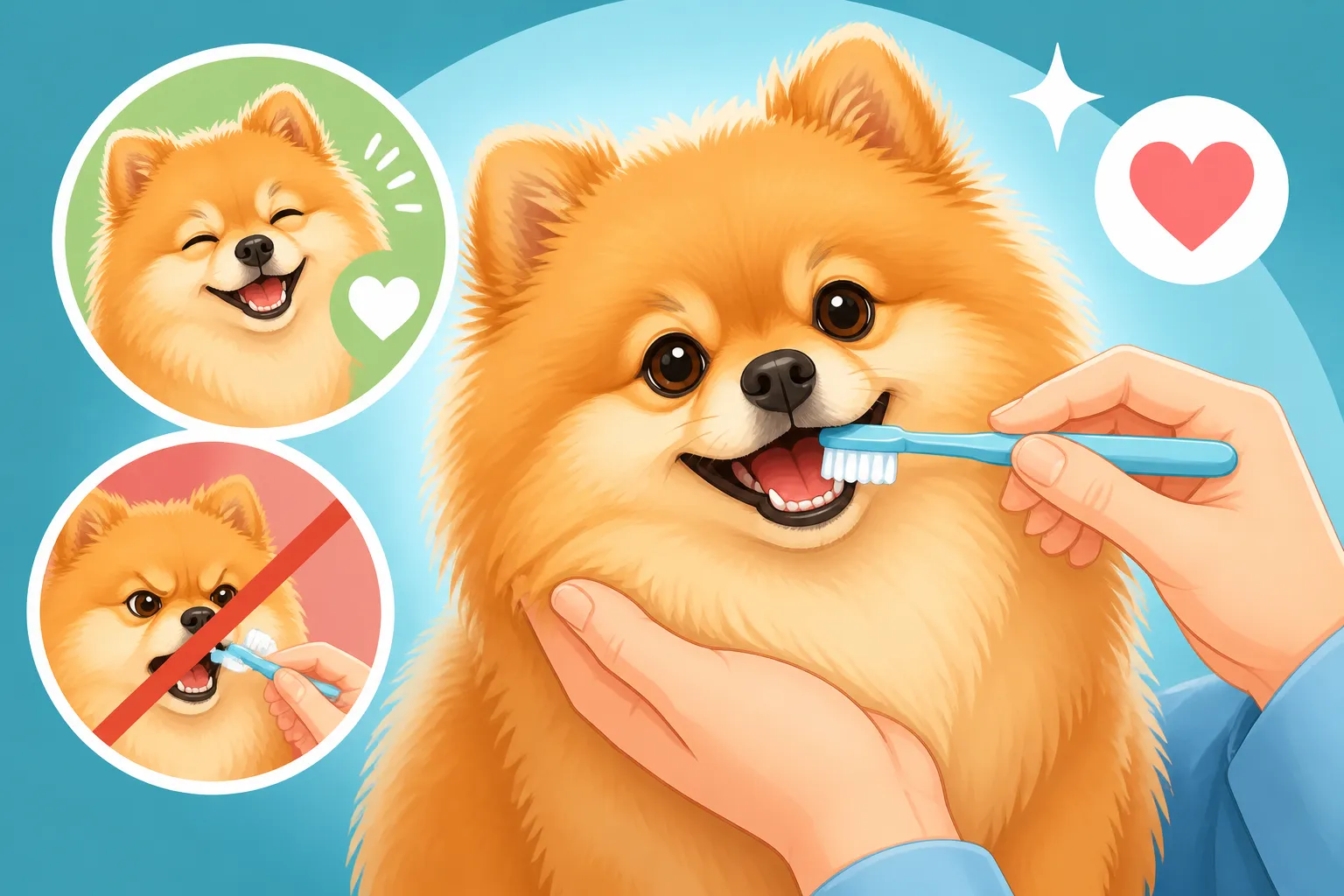
- Phase 1: Touch the Muzzle. Start by simply touching your Pomeranian's muzzle gently, without trying to open their mouth. Do this for a second, then immediately give a high-value treat. Repeat 5-10 times in a session. Make it super quick and easy. Do several short sessions a day.
- Phase 2: Lift the Lip. Once they tolerate muzzle touches, gently lift their upper lip for a brief second, exposing their canine teeth. Treat immediately. Don't worry about getting inside the mouth yet. The goal is to make lip lifting a non-event.
- Phase 3: Introduce Paste on Finger. Put a tiny dab of dog-specific enzymatic toothpaste on your finger. Let your Pom sniff and lick it off. Most Poms love the taste. Make this a daily treat. This helps them associate the taste with good things. You can find many brands of enzymatic toothpaste on Chewy or Amazon.
- Phase 4: Finger Brush/Brush Introduction. Once they happily lick the paste, put a tiny amount on a finger brush or a very small toothbrush. Gently rub it on one or two of their outer canine teeth or incisors for just a second. Immediately give a treat and praise.
- Phase 5: Gradual Expansion. Over days and weeks, gradually increase the number of teeth you brush and the duration. Always work on the outer surfaces first, as that's where plaque accumulates most. Most dogs won't tolerate the inner surfaces well, but that's okay – the outer surfaces are the most critical. If you meet resistance, go back a step. Never force it.
Each phase might take several days, or even weeks. The progress isn't linear; some days will be better than others. The crucial part is to end every session on a positive note, even if you only managed a single quick rub of a tooth. This builds trust and positive associations.
Reward Systems and Positive Reinforcement
Positive reinforcement is the absolute cornerstone of successful teeth brushing. Your Pomeranian needs to understand that cooperating leads to wonderful things. This means using rewards that are highly motivating for them.
- High-Value Treats: Forget their regular kibble. Pull out the good stuff – tiny pieces of cooked chicken, cheese, or specialized training treats they rarely get. These should be given immediately after a successful action, like letting you lift their lip, or accepting a brush touch.
- Verbal Praise: Use a cheerful, upbeat voice. "Good boy!" or "Good girl!" reinforces the positive atmosphere.
- Physical Affection (if desired): A gentle scratch behind the ears or a belly rub can also be a reward if your Pom enjoys it.
- The "Jackpot" Reward: For significant milestones (e.g., brushing an entire side of the mouth for the first time), offer an extra special "jackpot" reward – a small Kong stuffed with peanut butter (xylitol-free) or a favorite toy.
The timing of the reward is crucial. It needs to happen within 1-2 seconds of the desired behavior so your Pomeranian clearly connects their action with the positive outcome. If you delay, they might not understand why they're being rewarded. Remember, this isn't just about brushing teeth; it's about strengthening your bond and teaching your Pom that you're a trustworthy leader who makes even potentially uncomfortable situations safe and rewarding. If your Pomeranian is prone to The Snorting Fit That Frightens Pomeranian Owners, ensure the session is calm to prevent any related distress.
When and How to Handle Resistance
It's inevitable that your Pomeranian will resist at some point. How you handle it determines whether you build more fear or more trust.
- Avoid Force: Never physically force your Pomeranian to endure brushing. This will only escalate their fear and make future attempts harder. If they pull away, growl, or try to bite, stop immediately.
- Read Their Body Language: Learn to recognize the subtle signs of discomfort before they escalate. Averting eyes, yawning, lip licking, tensing up, or a low growl are all indicators that they're stressed. Respect these signals.
- Take a Break: If your Pom is resisting, end the session immediately. Do not scold them. Simply say "All done," and walk away. You can try again later, or even the next day, going back to an easier step they were comfortable with.
- Shorten Sessions: Maybe you're trying to do too much too soon. Keep sessions incredibly short, even just a few seconds, focusing on one area, and build up very gradually.
- Redirect and Distract: For very mild resistance, sometimes a gentle distraction can work. Some owners find success with LickiMats spread with a tiny bit of peanut butter (xylitol-free) or pureed pumpkin during the brushing session, though this works best if your Pom is already somewhat tolerant.
- Seek Professional Guidance: If you're consistently encountering strong resistance, aggression, or fear, don't hesitate to consult your veterinarian or a certified professional dog trainer/behaviorist. They can provide personalized advice and demonstrate techniques that might work for your specific dog. Sometimes, a fresh perspective can make all the difference.
Remember, it's about making small, consistent gains. A little bit of gentle brushing regularly is far better than infrequent, traumatic struggles.
Alternative Approaches and Professional Help
While daily brushing is the gold standard for your Pomeranian's dental health, there are other tools in your arsenal. These alternatives can supplement brushing or provide a fallback if brushing remains an insurmountable challenge. However, they are rarely a complete substitute for manual cleaning or professional care.
Dental Chews, Water Additives, and Oral Rinses
For those days when brushing is just not happening, or as part of a comprehensive dental care plan, these supplementary products can offer some benefits.
- Dental Chews: There are many dental chews specifically designed to help reduce plaque and tartar. Look for VOHC (Veterinary Oral Health Council) approved products, as these have been scientifically proven to be effective. Ensure the size is appropriate for your Pomeranian's tiny jaw to prevent choking hazards or excessive wear on their small teeth. Brands like Greenies or OraVet chews are popular choices, and you can often find them at Chewy. Remember, these are not a meal replacement and should be given in moderation. While they help with mechanical abrasion, they don't reach all tooth surfaces as effectively as a brush. Chews Sized for a Pomeranian's Jaw offers more insight into choosing safe options.
- Water Additives: These products are designed to be added to your dog's drinking water, releasing ingredients that help reduce bacteria and plaque buildup in the mouth. They are generally tasteless and odorless, so most dogs don't notice them. While convenient, their effectiveness can vary, and they are typically seen as a supportive measure rather than a primary dental care method. They can be particularly helpful in reducing bad breath caused by oral bacteria. Whether a Water Additive Helps a Pomeranian's Teeth explores their efficacy in more detail.
- Oral Rinses/Sprays: Some sprays and rinses contain enzymes or antiseptics that help combat bacteria in the mouth. These can be particularly useful for dogs who absolutely refuse any manual intervention. You simply spray them directly onto your dog's teeth and gums. Again, their effectiveness is often less than direct brushing, but they are a good option for managing oral hygiene in difficult cases. They provide a quick way to freshen breath and offer some antibacterial action.
It's important to remember that none of these alternatives fully replace the mechanical action of brushing. They work best in conjunction with regular brushing or as temporary solutions. Always discuss these options with your vet to determine the best combination for your Pomeranian's specific needs.
The Indispensable Role of Professional Dental Cleanings
Even with diligent home care, most Pomeranians will eventually need professional dental cleanings under anesthesia. Their crowded mouths are simply predisposed to plaque and tartar accumulation that daily brushing cannot always fully prevent. Think of it like your own dental hygiene: you brush and floss daily, but you still see the dentist for regular cleanings.
During a professional dental cleaning, your veterinarian will thoroughly scale and polish your Pomeranian's teeth, removing hardened plaque and tartar above and below the gum line. They can also perform X-rays to check for problems hidden beneath the gum line, such as abscesses, bone loss, or impacted teeth. This is where conditions like Extractions in a Pomeranian's Small Jaw are often diagnosed and addressed. Anesthesia is necessary to ensure the procedure is thorough, stress-free, and safe for your dog, especially given their small size and the need for precision. While the thought of anesthesia can be daunting for small dog owners, modern veterinary practices prioritize safety with pre-anesthetic bloodwork, IV fluids, and constant monitoring. Anesthesia Risk in a Four Pound Pomeranian can give you peace of mind by explaining how vets mitigate these risks.
Recognizing When It's Time for Expert Intervention
Sometimes, despite your best efforts, home dental care might not be enough, or your Pomeranian might develop an issue that requires immediate professional attention. It's crucial to know the signs that warrant a trip to the vet.
Look out for any of these indicators:
- Persistent Bad Breath: While some "dog breath" is normal, an unusually foul odor is often a key sign of dental disease. What a Pomeranian's Breath Says About Its Gums can help you differentiate.
- Red, Swollen, or Bleeding Gums: These are classic signs of gingivitis, which can progress to more severe periodontal disease.
- Visible Tartar Buildup: Yellow or brown crusts on the teeth, especially near the gum line, indicate significant tartar accumulation.
- Loose or Missing Teeth: If you notice a wobbly tooth or a gap where a tooth should be, it's a clear sign of advanced dental problems.
- Difficulty Eating: Reluctance to chew, dropping food, favoring one side of the mouth, or a sudden change in eating habits can all point to oral pain.
- Pawing at the Mouth: Your Pomeranian might try to relieve discomfort by pawing at their face.
- Changes in Behavior: Increased irritability, lethargy, or withdrawal can sometimes be linked to chronic pain, including dental pain.
If you observe any of these signs, don't delay in scheduling a veterinary appointment. Waiting can lead to more severe problems, more extensive procedures, and more pain for your beloved Pom. Regular check-ups, ideally yearly or even every six months for senior Poms, are also vital for catching issues early. Your vet is your best partner in ensuring your Pomeranian enjoys a healthy, pain-free mouth throughout their long and happy life. How Many Dentals a Pomeranian Needs in a Lifetime can provide expectations for professional cleanings.
Disclaimer
This article is for general informational purposes only and does not constitute professional advice. Laws, prices and regulations vary by location and change over time. Consult a qualified professional for guidance on your specific situation.