Whether a Pomeranian’s Coat Hides Weight Gain
It's a common dilemma for Pomeranian parents: you look at your fluffy little cloud of a dog, all adorable floof and spirited charm, and wonder if they're carrying a few extra pounds. Their luxurious double coat, while undeniably stunning, can be a real master of disguise, making it incredibly difficult to tell what's healthy fur and what might be a little extra padding underneath. This guide is here to walk you through exactly why your Pom's magnificent coat can hide weight gain and, more importantly, how you can accurately assess their body condition to ensure they stay happy and healthy for years to come.
The Deceptive Double Coat: Why Pomeranian Weight Gain Goes Unnoticed
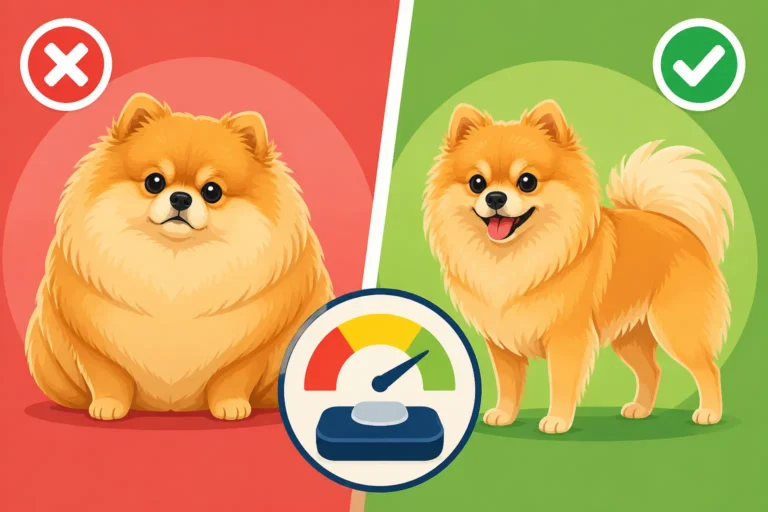
Oh, that glorious double coat! It’s one of the defining features of our beloved Pomeranians, giving them that signature round, fluffy silhouette that makes them look like tiny, animated cotton balls. But this very attribute, which we adore, is also the reason why their body shape can be so misleading when it comes to assessing their weight.
Understanding the Pomeranian's Unique Fur Structure
Let's break down that magnificent fur. Your Pomeranian has a unique double coat comprised of two distinct layers: a soft, dense undercoat and longer, coarser guard hairs that stand straight out from the body. This combination creates an incredibly voluminous, "stand-off" appearance. Think of it like a perfectly insulated, fluffy cloud surrounding their tiny frame. This structure serves a historical purpose, providing warmth and protection from the elements in their colder ancestral regions. It’s why Poms are often so robust, despite their small size.
Because the guard hairs are stiff and stick out, they create a significant amount of visual space between the actual skin and the outermost layer of fur. This traps air, making your Pom look bigger and rounder than they truly are. It’s a wonderful evolutionary adaptation, but for us pet parents, it means we can't rely on visual cues like a sleek waistline or visible rib definition that you might spot on a short-haired breed like a greyhound or even a Chihuahua. Their coat simply doesn't allow for that kind of transparency, creating a lovely, but often deceptive, illusion of consistent fullness. You might be interested in reading more about The Double Coat That Makes a Pomeranian and Why It Stays On.
The Illusion of Fullness: How Coat Density Masks Body Changes
The sheer density of a Pomeranian's coat creates a consistent, full shape that can skillfully hide the subtle (or not-so-subtle) accumulation of fat. Imagine trying to see the contours of a small ball covered in a thick, shaggy blanket – it’s just not going to happen. This is exactly what happens with your Pom. As they gain weight, the fat deposits build up around their chest, over their ribs, along their back, and especially around their belly and hindquarters. These are the very areas where their undercoat is often at its densest, and the guard hairs are at their longest, creating a perfect camouflage.
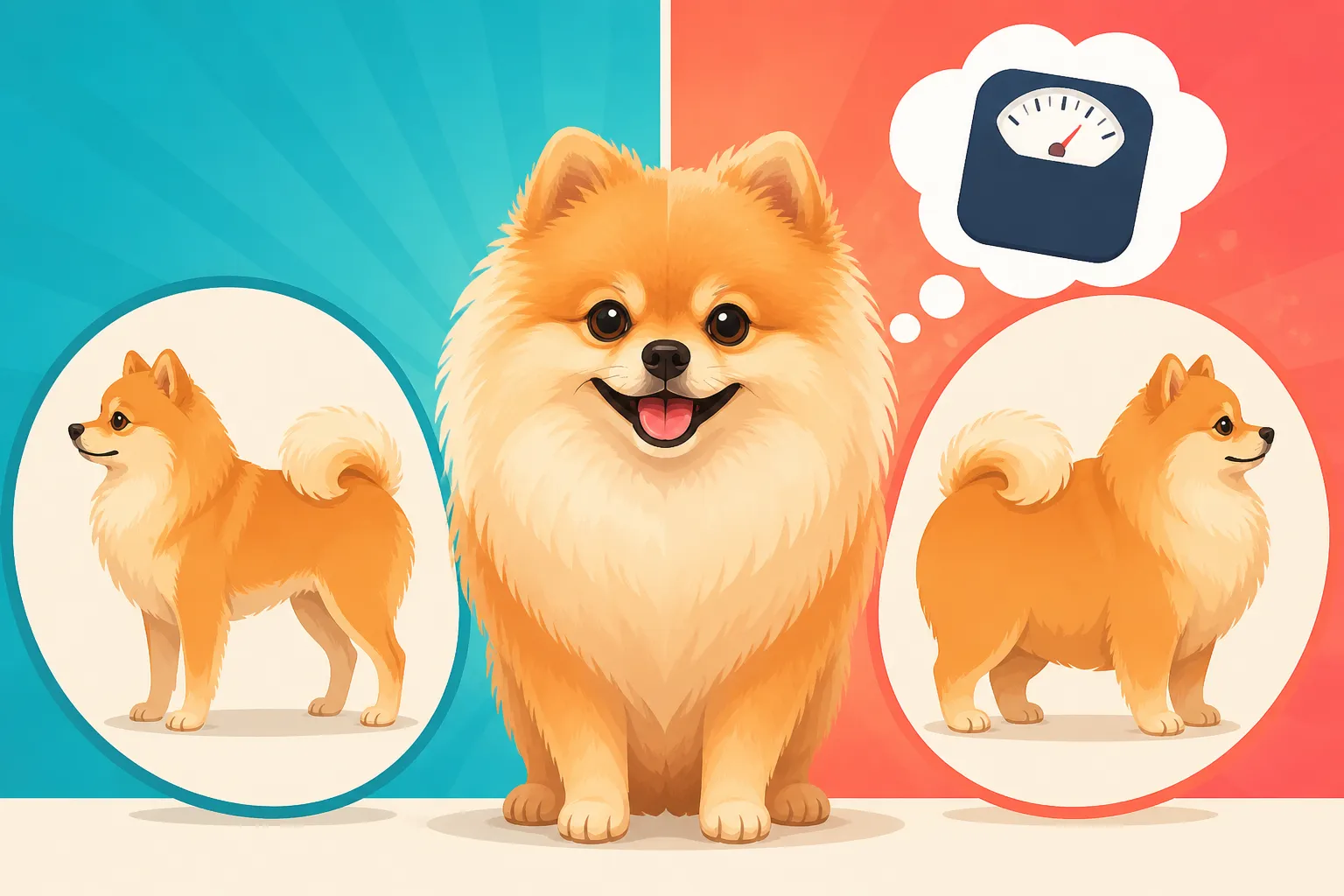
You'll find it incredibly difficult to visually detect a loss of a waistline or that subtle "tuck-up" near the hind legs that you'd look for in other breeds. The coat simply holds its shape, making your dog appear consistently plump, regardless of whether that plumpness is healthy muscle and bone covered by fur, or actual excess fat. It’s a real frustration, isn't it? You want to do right by your furry friend, but their natural beauty makes it a challenge to even know if there's a problem brewing. This is why we need to move beyond just looking at our Poms and engage our sense of touch.
Beyond the Fluff: Practical Ways to Monitor Your Pomeranian's Weight
Since your Pom's glorious coat is so good at hiding secrets, we can't just rely on our eyes. We need to get hands-on, literally, to properly assess their body condition. This isn't just about spotting obvious weight gain, but also about building a regular habit that empowers you to keep them at their optimal health.
The Hands-On Approach: Body Condition Scoring (BCS) at Home
This is arguably the most critical method for assessing your Pomeranian's weight, because it bypasses the deceptive fluff and lets you feel what's truly underneath. Body Condition Scoring (BCS) involves using your hands to feel specific areas of your dog’s body.
Here's a step-by-step guide to doing it right:
- Feel the Ribs: Gently run your fingers along your Pomeranian's sides, just behind their front legs. You should be able to easily feel their ribs, almost like the knuckles on your hand, without having to press hard. You shouldn't see them, but you should definitely feel them with minimal pressure. If you have to press firmly to feel them, or can't feel them at all, your Pom is likely overweight. If they're visibly prominent or feel sharp without any padding, they might be underweight. This is something we cover in more detail in Finding a Pomeranian's Ribs Through the Coat.
- Check the Spine: Move your hands to their back and feel along the spine. Similar to the ribs, you should be able to feel the individual bumps of the vertebrae without much effort. If the spine feels like a hard ridge with no padding, your dog is too thin. If you can't feel the spine easily beneath a layer of fat, they're likely overweight.
- Assess the Waistline: While their coat makes this tricky to see, you can still feel for a waist. Stand above your Pom and gently run your hands from their chest area back towards their hips. You should feel a slight indentation or "tuck" in behind the ribs, before their hips. If they feel like a straight, cylindrical barrel from chest to tail, they've lost their waistline and are likely carrying too much weight.
- Examine the Tummy Tuck: From the side, once again, use your hands to feel underneath their belly. A healthy Pomeranian should have a slight upward slope from their rib cage to their hind legs. If their belly hangs low or feels distended, that’s another sign of excess weight.
Make this a regular part of your grooming routine – perhaps once a week when you're already brushing them. It only takes a minute, but it gives you invaluable insight into their true body condition, far more accurately than just a glance.
Regular Weigh-Ins: Your Most Reliable Tool
While the hands-on BCS is fantastic for qualitative assessment, consistent weigh-ins provide the hard data. This is your objective measure for tracking any changes, even subtle ones that are easily hidden by fur.
For a small dog like a Pomeranian, a simple kitchen scale or a baby scale works perfectly. If you don't have one, you can always weigh yourself, then pick up your Pomeranian and weigh yourself again, subtracting your weight from the total. Consistency is key here: try to weigh them at the same time of day (e.g., before their first meal) once a week or at least once a month. Keep a small log in your phone or a notebook. Even changes of a few ounces can be significant for a dog that only weighs The Three to Seven Pounds a Pomeranian Should Hold. An increase of half a pound on a five-pound dog is a 10% weight gain! That's huge in their little world.
Tracking this over time helps you spot trends. Are they slowly creeping up? Have they maintained a steady weight for months? This quantitative data, combined with your hands-on BCS, gives you the fullest picture of their weight management. Remember, your vet will also track this at their annual check-ups, so you can share your home data with them. More information on this can be found in Tracking a Pomeranian's Weight in Ounces.
Behavioral and Physical Clues That Hint at Weight Gain
Sometimes, before you even notice a difference on the scale or by touch, your Pomeranian might start sending you subtle signals that they're not feeling quite as spry. These behavioral and physical clues can be early indicators of creeping weight gain:
- Decreased Energy Levels: Is your typically playful Pom less enthusiastic about zoomies or fetch? Do they seem to tire out more quickly during walks? A sudden drop in energy or increased lethargy, especially without an obvious reason, can be a sign that carrying extra weight is making them feel sluggish.
- Reluctance to Play or Move: You might notice they're hesitant to jump on the sofa for cuddles, or they're taking longer to get up from a nap. They might even be slower to greet you at the door. Simple movements can become more taxing when they're carrying additional bulk, putting strain on their tiny joints. For more on how movement impacts their joints, check out Whether an Adult Pomeranian Should Use Stairs.
- Increased Panting with Mild Exertion: Poms already have delicate respiratory systems, and extra weight can put immense pressure on their lungs and heart. If your Pom is panting heavily after a short walk or even just a burst of excitement, it could be an indicator that their body is working harder than it should be. This increased effort in breathing is a serious sign to watch for, as discussed further in Why an Overweight Pomeranian Struggles to Breathe.
- Difficulty with Grooming: Have you noticed your Pom struggling to reach certain areas when they scratch or lick themselves? Or perhaps their sanitary trim area seems harder to manage due to extra rolls of skin? This can be a very practical sign that they’ve put on weight, making their usual self-maintenance more challenging.
- Changes in Appetite: While it might seem counterintuitive, sometimes an overweight dog can still act overly hungry or seek out more food. This could be due to an imbalance in their diet, or simply a learned behavior if they’re used to receiving extra treats or table scraps. Keep an eye on consistent begging or trying to steal food more often than usual.
Paying close attention to these subtle shifts in their daily routine and physical demeanor can give you a vital heads-up, prompting you to investigate their weight more closely before it becomes a significant health issue.
The Dangers of Overlooked Weight Gain in Pomeranians
It's easy to think a few extra ounces on a small dog isn't a big deal, especially when they're so cute and fluffy. But for a Pomeranian, every single ounce counts. Their tiny bodies are designed to be light and agile, and any excess weight can have disproportionately negative impacts on their health, often exacerbating conditions they are already prone to.
Exacerbated Health Risks Unique to the Breed
Pomeranians, like many purebred dogs, have certain predispositions to specific health issues. When you add extra weight into the equation, these risks don't just increase—they can become significantly worse, accelerating the onset or severity of debilitating conditions.
- Increased Strain on Joints: One of the most common orthopedic issues in Pomeranians is luxating patellas, or "slipping kneecaps." This is where the kneecap dislocates from its groove. Even a small amount of extra weight puts tremendous, undue stress on these already fragile joints, making them more likely to slip out of place more frequently and cause more pain. Over time, this can lead to accelerated arthritis and potentially require expensive and invasive surgery. We discuss this further in Slipping Kneecaps in a Five Pound Pomeranian.
- Worsening Tracheal Collapse: Pomeranians are also famous for their delicate respiratory systems, particularly a condition known as tracheal collapse. Their windpipes are often weaker than in other breeds, and carrying extra weight can compress the trachea, making breathing extremely difficult. An overweight Pom will struggle more with even mild exercise, pant, cough more frequently, and be at higher risk for respiratory distress. You can read more about this in The Honking Cough of a Pomeranian's Collapsing Windpipe.
- Cardiovascular Strain: A heavier body means the heart has to work harder to pump blood, straining the cardiovascular system. Over time, this can lead to heart disease or worsen pre-existing conditions like heart murmurs, reducing their stamina and overall health.
- Increased Risk of Diabetes: Just like in humans, obesity is a major risk factor for developing diabetes in dogs. Excess fat cells can interfere with insulin sensitivity, leading to higher blood sugar levels. Managing diabetes in a tiny dog can be a lifelong commitment involving strict diets, medication, and regular vet visits. The link between weight and diabetes in Poms is explored in Whether a Pomeranian Gets Diabetes.
- Heat Intolerance: With their dense double coats, Pomeranians are already susceptible to overheating. Extra layers of fat act as additional insulation, making it even harder for them to regulate their body temperature, especially in warmer climates or during periods of exertion.
These aren't just minor inconveniences; they are serious health implications that can drastically reduce your Pomeranian's quality of life and potentially shorten their precious lifespan.
Impact on Quality of Life and Longevity
Beyond specific medical conditions, carrying excess weight fundamentally impacts your Pomeranian's day-to-day existence. Imagine being a small, active creature who suddenly finds every movement more difficult and every breath a bit more labored.
- Reduced Mobility and Play: An overweight Pomeranian simply cannot enjoy life to the fullest. They won't be able to run and play with the same enthusiasm, jump up for cuddles, or even enjoy their walks as much. Their energy levels plummet, and they might become reluctant to engage in activities they once loved. This loss of mobility can also lead to a more sedentary lifestyle, creating a vicious cycle where less activity leads to more weight gain.
- Discomfort and Pain: The constant strain on their joints, the labored breathing, and the general burden of carrying extra weight can lead to chronic discomfort and even pain. They might be less tolerant of being handled, or you might notice them resting more, not out of relaxation, but out of a need to conserve energy and reduce strain.
- Overall Stress on Internal Organs: Every internal organ, from the liver to the kidneys, has to work harder in an overweight dog. This constant stress contributes to premature aging of these organs and increases the likelihood of various organ failures later in life.
- Shortened Lifespan: Ultimately, the cumulative effect of these health issues can tragically shorten your Pomeranian's lifespan. We all want our Poms to live long, happy lives, often reaching into their teens. Overlooked weight gain is a silent thief of those precious years. Understanding The Conditions That Take Years Off a Pomeranian can further highlight the importance of proactive weight management.
Recognizing these dangers underscores why vigilance in monitoring your Pomeranian's weight, despite their deceptive fluff, is not just about aesthetics—it's about ensuring they have the healthiest, longest, and most joyful life possible.
Proactive Management: Keeping Your Pomeranian at a Healthy Weight
Now that we understand why detecting weight gain in a fluffy Pomeranian can be tricky and the serious implications if it goes unchecked, let's talk about how to proactively manage their weight. Prevention and diligent care are truly the best medicine for these small, delicate dogs.
Precision Feeding: Measuring Portions and Choosing the Right Food
For a dog as small as a Pomeranian, every single calorie matters. "Eyeballing" their food portions is simply not accurate enough and can quickly lead to overfeeding.
- Accurate Measurement is Non-Negotiable: Invest in a small digital kitchen scale to measure their kibble or fresh food precisely. A quarter cup difference might seem tiny to us, but for a five-pound dog, it can be the equivalent of an extra meal! Always follow the feeding guidelines provided by your food manufacturer, but also be prepared to adjust based on your dog's activity level and body condition score. Your veterinarian can also give you a more personalized calorie target. We delve into this in How Many Cups a Five Pound Pomeranian Eats.
- Choosing the Right Food: Opt for high-quality small-breed specific formulas. These kibbles are often designed with appropriate calorie densities and smaller kibble sizes to suit their tiny mouths and digestive systems. Look for reputable brands that prioritize whole ingredients and a good balance of protein, fat, and carbohydrates. Some brands like Ollie offer fresh, human-grade food delivered right to your door, which can be fantastic for portion control and ensuring quality ingredients. For traditional kibble and other supplies, online retailers like Chewy and Amazon offer a wide array of high-quality small-breed options.
- Avoid Free-Feeding: Leaving food out all day might seem convenient, but it makes it impossible to track how much your Pomeranian is truly eating and encourages mindless snacking. Instead, feed them two or three measured meals a day. If they don't finish their meal within 15-20 minutes, pick up the bowl. This teaches them to eat when food is available and helps you better manage their caloric intake.
Smart Snacking and Treat Management
Treats are an important part of bonding and training, but they are also a sneaky source of extra calories. For a Pomeranian, a single full-sized dog biscuit can be like a human eating a large slice of cake!
- Go for Low-Calorie Options: Choose treats specifically designed for small dogs or look for single-ingredient, low-calorie options like small pieces of cooked plain chicken, green beans, or carrots.
- Break Them Up: Even small treats can be too much. Break them into tiny, pea-sized pieces. Your Pom won't care about the size; they just want the taste and the reward. You can get many more training repetitions out of a single treat this way. We explore this further in How Few Treats a Pomeranian Can Actually Have.
- Use Treats for a Purpose: Don't just hand out treats indiscriminately. Use them as rewards for good behavior, during training sessions, or to reinforce positive interactions. This makes treats meaningful and prevents them from becoming empty calories.
- Consider Puzzle Toys: Instead of just giving treats, use puzzle toys (many available on Amazon) that make your Pom "work" for their snack. This provides mental stimulation and slows down consumption, turning a treat into an activity.
Tailored Exercise Routines
Even tiny Pomeranians need regular exercise to maintain muscle mass, burn calories, and keep their minds active. Their exercise needs might be different from a larger breed, but they are no less important.
- Short, Frequent Walks: Daily walks are essential. For a Pomeranian, a couple of 15-20 minute walks a day might be perfect, depending on their age, health, and stamina. Always use a harness, not a collar, to protect their delicate trachea. Remember, even in cool weather, check the pavement temperature to protect their sensitive paws.
- Indoor Games and Structured Play: Poms are intelligent and love to play. Fetch down a hallway, hide-and-seek with toys, or even just chasing a laser pointer (with a real toy reward at the end!) can provide excellent calorie-burning exercise and mental enrichment, especially on bad weather days. You might find ideas in Games That Tire a Pomeranian Indoors.
- Consider Health Limitations: Always be mindful of any existing health conditions your Pomeranian might have, such as luxating patellas or tracheal collapse. For dogs with these issues, shorter, less strenuous walks and low-impact indoor play are vital. Avoid activities that involve excessive jumping or pulling on a leash. Your vet can advise you on the best exercise regimen for your individual dog. The role of exercise in maintaining a healthy weight is discussed in Exercise a Pomeranian Needs to Stay Trim.
- Mental Stimulation: Don't underestimate the power of mental exercise. Training sessions, learning new tricks, or using puzzle feeders can burn calories and energy just as effectively as physical activity, all while keeping their sharp little brains engaged. For more ideas, see Puzzle Toys Small Enough for a Pomeranian.
By carefully managing their diet with precision and ensuring they get appropriate, tailored exercise, you can help your Pomeranian maintain a healthy weight, thrive, and avoid the silent dangers that their magnificent coat can so easily hide.
| Body Condition Score (BCS) | Description (Visual & Palpation) | Interpretation for Pomeranians | Action Required |
|---|---|---|---|
| 1-2 (Too Thin) | Ribs, spine, pelvic bones easily visible; no fat felt. | Very rare in Poms. Coat might look sparse, dog feels bony. | Increase food intake, vet check for underlying issues. |
| 3-4 (Ideal/Lean) | Ribs easily felt, not seen; slight waist tuck felt; minimal abdominal fat. | Dog feels firm and muscular; coat has good structure. | Maintain current diet and exercise. |
| 5-6 (Moderate/Overweight) | Ribs difficult to feel without firm pressure; no waist tuck felt. | Dog feels "squishy" or heavily padded; looks rounder than ideal. | Reduce calories, increase controlled exercise. Start tracking weight. |
| 7-9 (Obese) | Ribs and spine very difficult/impossible to feel; obvious fat deposits. | Dog feels like a "fluffy pillow"; significant rolls of fat. | Vet-supervised weight loss plan is crucial. Serious health risks. |
Disclaimer
This article is for general informational purposes only and does not constitute professional advice. Laws, prices and regulations vary by location and change over time. Consult a qualified professional for guidance on your specific situation.