How Rarely a Pomeranian’s Coat Should Be Washed
It's a common dilemma for every Pomeranian parent, whether you're welcoming a fluffy puppy or you've shared your life with these little clouds for years: how often should you really be bathing them? Too many baths might strip their beautiful coat, but too few could leave them smelling less than fresh. This comprehensive guide is here to clear up the confusion, helping you establish the perfect bathing routine for your Pomeranian that keeps their unique double coat healthy and vibrant.
The Unique Nature of Your Pomeranian's Double Coat
Many new Pomeranian parents, and even some seasoned ones, find themselves bewildered by the sheer volume and texture of their little floof's coat. It's not just hair; it's a marvel of canine engineering! Understanding why your Pom's coat is the way it is crucial to knowing how often it should be washed. This isn't like bathing a short-haired dog, where dirt seems to stick right to the skin. Your Pomeranian has a whole different system at play, one that demands a specific approach to care.
The Inner Workings: Guard Hairs and Undercoat
Your Pomeranian boasts a magnificent double coat, a trait passed down from their hardy Spitz ancestors who thrived in colder climates. This isn't just for show; it's a highly functional system. You have an outer layer of long, straight, coarser guard hairs that are designed to repel water, dirt, and debris. These are the hairs that give your Pom that beautiful, "stand-off" look, creating that iconic fluffy silhouette. Beneath this protective shield lies a dense, soft, fluffy undercoat. Think of it as their built-in insulation, working year-round to keep them warm in winter and actually helping to regulate their body temperature in summer by trapping air close to their skin.
This double layer works synergistically to keep your Pomeranian comfortable and protected. The guard hairs prevent moisture and external elements from reaching the undercoat and skin too easily, which is why a light rain often just rolls right off them, much to their disdain for getting truly wet. The undercoat, meanwhile, provides warmth and a certain amount of cushioning. It's a truly remarkable natural defense system, and treating it correctly during grooming and bathing is paramount to its health and integrity. Understanding The Double Coat That Makes a Pomeranian and Why It Stays On is foundational to their care.
How Dirt and Natural Oils Interact with a Double Coat
Because of this unique structure, dirt and natural skin oils (sebum) interact differently with a Pomeranian's coat compared to breeds with single coats. The guard hairs are quite effective at shedding dirt, meaning that a lot of what might make another dog "dirty" can often be brushed out of a Pom, almost like shaking out a dusty rug. The natural oils produced by their skin are vital for maintaining the health, luster, and protective qualities of both the guard hairs and the undercoat. These oils act as a natural waterproofing agent, help prevent the coat from becoming brittle or dry, and contribute to that characteristic healthy sheen.
When you bathe a Pomeranian, you're not just cleaning the surface; you're affecting these natural oils. The shampoo's job is to emulsify and wash away dirt and excess oil. However, too frequent bathing, especially with harsh or stripping shampoos, can disrupt this delicate balance and strip away these essential oils. This stripping can lead to dry, flaky, itchy skin, a dull and brittle coat, and can even compromise the coat's natural ability to protect against the elements. It’s a delicate balance to maintain, ensuring cleanliness without disrupting the natural equilibrium of their protective layers.
The Risks of Over-Bathing Your Fluffy Friend
The temptation to bathe a Pomeranian often, especially if they love rolling in questionable outdoor discoveries, can be strong. However, over-bathing poses several risks that can undermine the very health you're trying to preserve. As mentioned, stripping natural oils can lead to chronic dry skin, itching, and irritation. This constant irritation can prompt your Pomeranian to scratch or chew at their skin excessively, potentially leading to raw patches, hot spots, or secondary bacterial or fungal infections that require veterinary intervention.
Beyond immediate skin issues, excessive bathing can also impact the coat itself. The guard hairs can become dry, brittle, and more prone to breakage, losing their protective, stand-off qualities. The undercoat can become more prone to matting as its natural texture changes and becomes less pliable. In some severe cases, over-bathing, particularly combined with harsh products or improper drying, has even been linked to exacerbating conditions like Black Skin Disease and the Pomeranian Coat That Never Returns, which involves significant coat loss and skin issues. It's a powerful reminder that sometimes, less is indeed more when it comes to bathing these fluffy companions.
Factors That Influence Your Pomeranian's Bathing Schedule
There isn't a single, universal answer to how often you should bathe your Pomeranian that applies to every single dog. It's not like baking a cake where you follow a recipe precisely every time. Your dog is an individual, and their unique personality, daily routines, underlying health, and even the weather outside all play significant roles in determining the ideal bath frequency. Understanding these variables is key to tailoring a bathing routine that truly works for your specific Pom and keeps their coat in tip-top condition without causing problems.
Your Pomeranian's Lifestyle and Activity Level
Think about your Pom's daily routine. Are they a pampered indoor princess who rarely ventures beyond the backyard patio, or are they an adventurous explorer who loves romping through parks, investigating every bush, and perhaps even finding the occasional mud puddle? A Pomeranian that spends most of their time indoors on clean surfaces, with limited outdoor exposure, will naturally stay cleaner for longer. They won't pick up the same kind of dirt, dust, pollen, or environmental allergens that an active outdoor dog would, meaning their natural coat can do its job for a longer period.
On the other hand, if your Pom is a frequent flyer at the dog park, enjoys nature trails, or has a penchant for rolling around in freshly cut grass, damp leaves, or worse, they will undoubtedly accumulate more grime and external contaminants. These Poms might need more frequent spot cleaning or baths to remove physical dirt, allergens, and odors and prevent them from getting deeply embedded in their dense undercoat. Consider where your Pom sleeps, too; if they share your bed, you might be more inclined to keep them smelling fresh simply for your own comfort, even if they aren't visibly dirty.
Underlying Skin and Coat Health Conditions
Your Pomeranian's overall health, particularly the condition of their skin and coat, is a primary driver in their bathing needs. Dogs with healthy, balanced skin and a robust coat can often go longer between baths without issues. However, if your Pomeranian suffers from allergies (environmental or food-related), dry skin, excessively oily skin, or other dermatological issues, their bathing schedule might need careful adjustment, often under veterinary guidance. For example, a Pom with severe environmental allergies might benefit from more frequent baths using a veterinary-prescribed medicated shampoo to wash off allergens and soothe irritated skin, providing them immediate relief.
Conversely, a Pomeranian prone to very dry skin or flakiness might require less frequent bathing, or baths specifically with ultra-moisturizing, oatmeal-based shampoos to avoid further stripping their skin of essential moisture. Conditions like seborrhea, which can cause excessively oily or flaky skin, also demand a specific bathing protocol often guided by your vet, sometimes requiring specialized products that address the underlying issue. It's always best to consult with your veterinarian if your Pom has any ongoing skin conditions, as they can recommend the most appropriate products and frequency to manage their specific health needs.
Environmental Factors and Seasonal Changes
The environment your Pomeranian lives in and the changing seasons also impact how often a bath is truly necessary. A Pom living in a dusty rural area, near construction, or in a bustling city environment with more air pollution, might accumulate more particulate matter and grime in their coat. These microscopic irritants can build up over time, leading to dullness, a greasy feel, or even skin irritation, suggesting a slightly more frequent rinse or dedicated brushing.
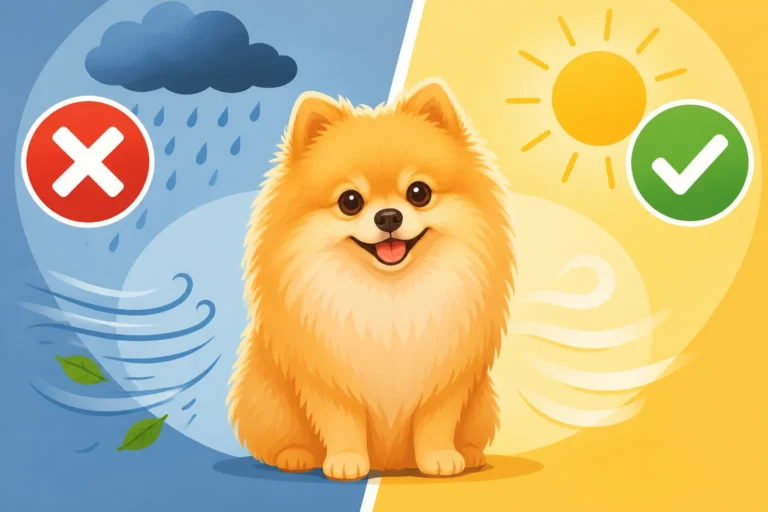
Seasonal changes are another big factor to consider. During the spring and summer, when pollen counts are high, an allergic Pomeranian might benefit from more regular lukewarm rinses (without shampoo every time) to wash away allergens from their fur, providing relief from itching. In the autumn, if they're running through fallen leaves and damp grounds, they might pick up more debris and odors. During the annual "coat blow," where they shed their dense undercoat (often twice a year, typically in spring and fall), you might find more loose hair and dander. In this period, a thorough bath, followed by meticulous drying and Working a Pomeranian's Coat in Sections to the Skin, can actually help expedite the shedding process and keep their skin healthy by removing dead hair that could otherwise mat.
Establishing the Ideal Bathing Schedule for Your Pomeranian
So, with all these factors in mind, what's the sweet spot? How rarely or frequently should you really be bathing your precious Pomeranian? It’s about finding a rhythm that maintains their unique coat and skin health without overdoing it. Remember, consistency in proactive care, particularly regular and thorough brushing, often significantly reduces the need for frequent full baths, making your life easier and your Pom happier.
The General Guideline: A Once-Every-Few-Months Approach
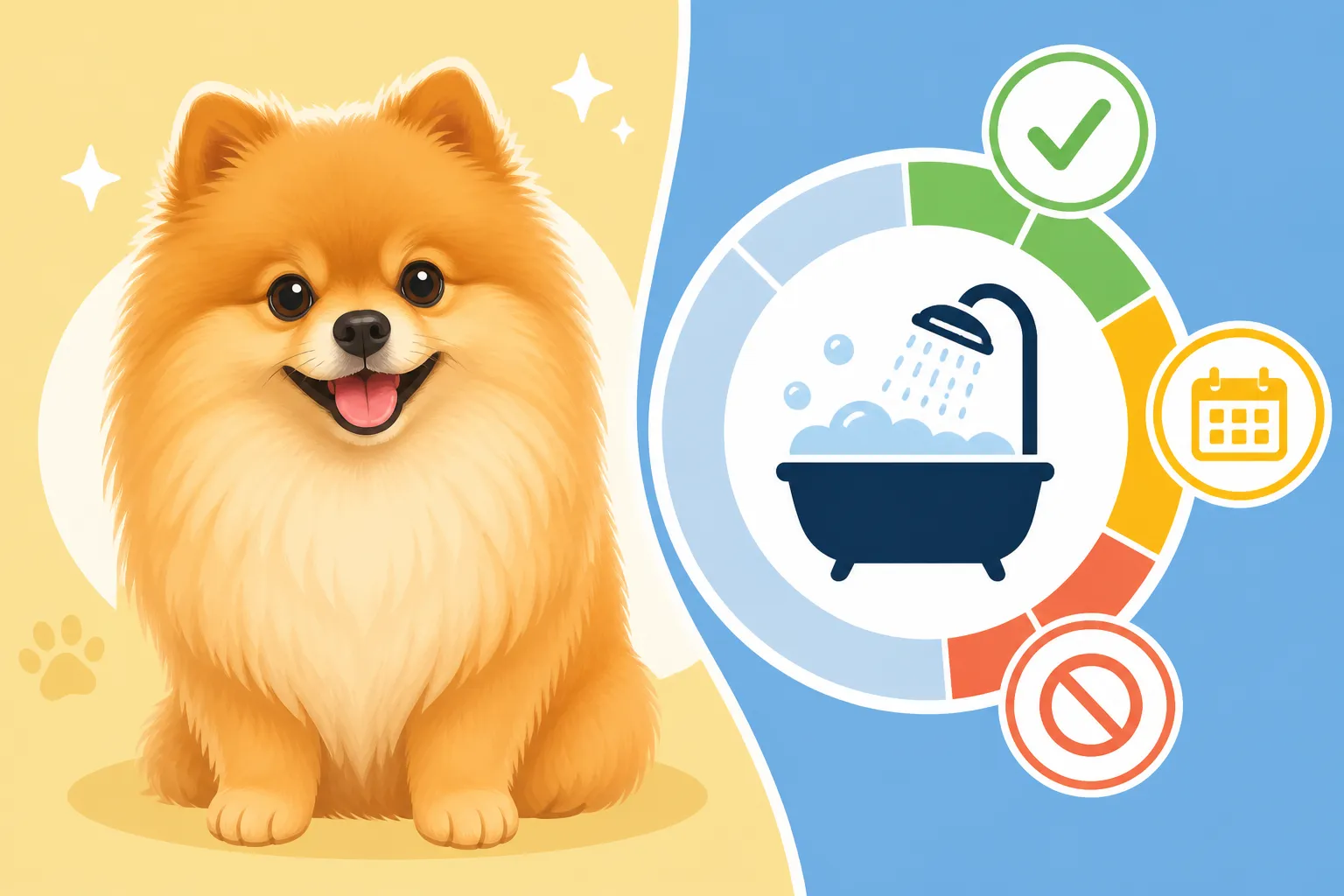
For the average, healthy Pomeranian with a balanced lifestyle – meaning they aren't rolling in mud daily, don't have sensitive skin, or suffer from specific dermatological conditions – a full bath every 2 to 3 months is often perfectly sufficient. This frequency allows the natural oils in their coat and skin to replenish and maintain their protective qualities without excessive buildup or developing unpleasant odors. Many owners find this schedule works wonderfully, keeping their Pomeranian clean and smelling fresh without stripping their delicate skin.
Between these full baths, regular and thorough brushing is your absolute best friend. Daily brushing not only helps to remove loose hair, dirt, and debris that their guard hairs are so good at trapping, but it also actively distributes those vital natural oils throughout the coat, keeping it healthy, shiny, and less prone to matting. Think of brushing as your primary, daily cleaning tool, and bathing as the deep clean when absolutely necessary or calendared. If you're diligent about brushing your Pomeranian several times a week, you might even find you can comfortably stretch the time between baths a little longer than the two-month mark. For guidance on this, check out How Many Times a Week a Pomeranian Is Brushed.
Adjusting for Specific Needs and Situations
While the 2-3 month guideline serves as an excellent starting point, life with a Pomeranian is rarely "average" or predictable. There will inevitably be times when you need to adjust this schedule. If your Pom has a particularly smelly encounter with something unpleasant in the yard – say, a dead critter or something equally foul – a sooner-than-scheduled bath is not just warranted, but absolutely essential for your sanity! Similarly, if they have an allergic flare-up and your vet recommends a medicated bath, you'll follow those instructions precisely, as therapeutic baths have specific benefits.
On the other hand, if your Pom is a true indoor couch potato, enjoys a very clean environment, and you are incredibly diligent with daily brushing and targeted spot cleaning, you might find they can comfortably go 3-4 months, or even longer, without a full shampoo. It’s about being observant and responsive to your individual dog's unique needs, rather than adhering rigidly to a calendar. For specific dermatological issues, your veterinarian might prescribe a special bathing protocol, sometimes as frequent as once a week or every other week with therapeutic shampoos, for a limited period. Always prioritize your vet's expert advice in these situations.
Recognizing the Signs Your Pomeranian Needs a Bath
How do you know when it’s truly time for a bath, beyond just glancing at the calendar? Your Pomeranian will often give you clear signals that they’re due for a good scrub. The most obvious, of course, is a noticeable unpleasant odor that regular brushing and airing out simply can't resolve. This isn't just a faint doggy smell, but a distinct "eau de unwashed dog" that makes you wrinkle your nose when they hop onto your lap.
Another common sign is a greasy, dull, or clumpy-looking coat. If their beautiful, stand-off fluff starts to look heavy, feels tacky to the touch, or just lacks its usual vibrant luster, it might be due to a buildup of natural oils, environmental grime, or leftover product residue. You might also notice their coat feeling less soft and more coarse. Sometimes, after a particularly adventurous outdoor session, you might even spot visible dirt, mud, or burrs deeply embedded within their fur that a brush just can't effectively tackle. Don't forget to check their feet and leg feathering, which can often pick up more dirt and stickiness than the rest of their body.
| Factor | Suggested Bath Frequency | Rationale |
|---|---|---|
| Average Healthy Indoor Pom | Every 2-3 months | Maintains natural oils, regular brushing handles most dirt and dander. |
| Active Outdoor Pom | Every 1-2 months | More exposure to dirt, allergens, and grime; may need more frequent cleaning. |
| Pom with Skin Allergies | As directed by vet | Medicated shampoos often require specific frequencies to be effective; may be more often, then tapers. |
| Pom with Dry Skin | Every 3-4 months (or less) | Avoids stripping vital oils; focus on moisturizing products when bathing is necessary. |
| Post-Mud Rolling Incident | Immediately, as needed | Obvious need to remove gross contaminants before they cause irritation or odor. |
| During Heavy Shedding (Coat Blow) | Once (or twice) per season | Helps release dead undercoat and stimulate new growth when done correctly, followed by drying. |
Best Practices for Bathing Your Pomeranian When It's Time
When the time does come for a bath, doing it correctly is just as important as knowing when to do it. A proper bathing technique can significantly minimize stress for your Pom, ensure their coat is thoroughly cleaned without damage, and most importantly, prevent tangles, mats, and skin irritation. Rushing the process, using the wrong products, or neglecting thorough drying can do more harm than good, potentially negating the benefits of waiting for the right moment.
Selecting the Right Shampoo and Conditioner
Choosing the appropriate products is paramount for a Pomeranian's delicate skin and luxurious coat. Skip the human shampoos, no matter how gentle they claim to be; they're formulated for a different pH balance than a dog's skin, which can lead to dryness and irritation. Instead, look for a high-quality, pH-balanced dog shampoo specifically designed for double coats or sensitive skin. Hypoallergenic or oatmeal-based shampoos are often excellent choices for Pomeranians, as they are less likely to cause irritation or allergic reactions. Many reputable pet brands offer great options, and you can easily find specialized products on Chewy or Amazon.
Following up with a good conditioner is also highly recommended, and arguably essential, for a Pomeranian's coat. A conditioner will help to moisturize the skin and coat, detangle fur, and restore some of the natural oils and elasticity that may have been slightly diminished by the shampooing process. It makes the post-bath brushing significantly easier, reducing potential stress and discomfort for your Pom, and helps maintain the coat's luxurious texture and volume. Always rinse thoroughly after conditioning to avoid any residue that could irritate the skin or dull the coat's shine. For more on product selection, consider Shampoo That Will Not Flatten a Pomeranian's Coat.
The Gentle Art of Washing Your Fluffy Companion
Bathing a Pomeranian should be a calm, positive experience for both of you, not a wrestling match. Before you even get them wet, give them a thorough brush-out to remove any loose hair, dirt, or pre-existing tangles and mats. This step is critical because water can tighten mats, making them nearly impossible to remove without cutting. Use lukewarm water – never hot or cold – and gently wet their entire coat, starting from their neck and working backward. Avoid spraying water directly into their face or ears, as this can be frightening and uncomfortable. You can use a damp washcloth for their face to clean gently. Many owners find their kitchen sink or a utility sink to be the perfect height and size, as discussed in Washing a Pomeranian in a Kitchen Sink.
Apply a small amount of shampoo, starting at the neck and working it gently into the coat. Focus on getting it down to the skin, but avoid vigorous scrubbing that can tangle the delicate undercoat. Use gentle, massaging motions to lift dirt. Rinse thoroughly, and I mean thoroughly. Shampoo residue is a very common cause of skin irritation, dryness, and dull coats, so rinse several times until the water runs completely clear. Then, apply conditioner, let it sit for a few minutes as directed on the bottle, and rinse again, ensuring no slickness remains on the coat.
The Critical Step: Thorough Drying and Brushing
This is arguably the most crucial step after the bath, and often where owners make mistakes. Never, ever let a Pomeranian air dry completely. Their dense double coat will take an eternity to dry on its own, and more importantly, it creates a damp, warm environment that is perfect for bacterial and fungal growth, potentially leading to skin infections or severe matting (especially the dreaded "felted" undercoat). You need to dry your Pom thoroughly and completely.
Start by gently squeezing excess water from their coat with your hands, then blot them extensively with several soft, absorbent towels. Avoid rubbing aggressively, as this can create painful tangles and damage the coat. Next, use a pet-specific force dryer or a human hair dryer set to a cool or low-heat setting. Keep the dryer moving constantly to avoid overheating any single spot, which can burn their delicate skin. As you dry, use your slicker brush to gently brush the coat in sections, fluffing it as you go. This helps separate the individual hairs, ensures even drying down to the skin, and prevents mats from forming. A complete brush-out and Drying a Pomeranian Without Damaging the Coat after every bath will leave your Pomeranian looking magnificent, smelling fresh, and feeling comfortable. It’s a labor of love, but essential for their health and appearance.
Maintaining Coat Health Between Baths
While proper bathing is important, the real secret to a healthy, beautiful Pomeranian coat that rarely needs washing lies in consistent daily and weekly maintenance between baths. Think of it as preventative care; the more you do on a regular basis, the less often you'll need to resort to a full bath. This proactive approach keeps their skin and coat in optimal condition, minimizes shedding around your home, and prevents uncomfortable, sometimes painful, mats from forming. This diligent care is truly the cornerstone of Pomeranian coat management, much like following The Grooming Schedule a Pomeranian Runs On.
Daily Brushing: Your Pomeranian's Best Friend
Daily brushing is non-negotiable for a Pomeranian. Their dense double coat is notoriously prone to matting, especially in high-friction areas like behind the ears, in the armpits, and on their "britches" (the fluffy fur on their hindquarters). Regular, thorough brushing removes loose hair, prevents tangles from escalating into painful mats, and distributes those essential natural oils evenly throughout the entire coat. This not only keeps their fur looking shiny and healthy but also helps repel dirt and prevents the buildup of dander, which can significantly reduce the need for frequent washing.
Invest in a good quality slicker brush and a sturdy metal comb. Use the slicker brush to systematically work through the coat in sections, getting right down to the skin to ensure you're removing all loose undercoat. Follow up with the metal comb to meticulously check for any missed tangles or small mats that the slicker might have glided over. If you encounter a mat, don't pull! Instead, gently work it out with your fingers, or use a detangling spray (many effective options are available on Amazon or Chewy) and the tip of your comb to patiently separate the hairs. Consistent brushing is the single most effective way to keep your Pomeranian's coat pristine and minimize bathing requirements.
Spot Cleaning and Paw Care
For those times when a full bath isn't necessary but your Pomeranian has managed to get a little messy, spot cleaning is your go-to solution. Did they step in something gooey on a walk? Did their chin get a bit wet and matted after a drink? Simply use a damp cloth, a pet-safe grooming wipe, or a dab of waterless shampoo to clean the affected area. Many reputable brands offer waterless shampoos or dry foams that can effectively refresh parts of the coat without the fuss and drying time of a full immersion bath.
Paw care is also incredibly crucial. Pomeranians often have significant feathering on their feet, which can easily pick up dirt, debris, tiny pebbles, and even track mud into the house. Regularly check their paws after outdoor adventures, wipe them down thoroughly, and consider trimming the hair between their paw pads. This not only prevents discomfort and minimizes debris accumulation but also keeps them much cleaner. You can find specialized paw balms and wipes on sites like Amazon, which can be invaluable for keeping their feet healthy and tidy. Keeping paws clean can dramatically reduce the amount of dirt that gets into the rest of their coat and onto your furniture, saving you from more frequent full baths.
Diet and Supplements for a Healthy Coat
What goes into your Pomeranian has a huge impact on what comes out – specifically, the health and quality of their coat. A high-quality diet rich in essential fatty acids, like Omega-3 and Omega-6, is fundamental for healthy skin and a lustrous coat. Look for dog foods that list a named meat source (like chicken, lamb, or salmon) as the first ingredient and contain healthy fats. Some premium dog food brands, like Ollie, focus on fresh, whole ingredients which can significantly improve skin and coat health, often reducing issues that might otherwise necessitate more frequent bathing.
Sometimes, even with a great diet, a little extra support can go a long way. Fish oil supplements, often available as liquids or soft gels, can provide an excellent boost of Omega fatty acids. These supplements can help alleviate dry, flaky skin, reduce excessive shedding (which means less dead hair to tangle), and promote a shinier, softer coat, potentially extending the time between necessary baths. You can find a wide array of quality supplements on Chewy or Amazon. Always consult your veterinarian before adding any supplements to your Pomeranian's diet to ensure they are appropriate for your dog's specific needs and correctly dosed. A healthy coat nurtured from the inside out is always far easier to maintain and manage than one struggling due to nutritional deficiencies.
Disclaimer
This article is for general informational purposes only and does not constitute professional advice. Laws, prices and regulations vary by location and change over time. Consult a qualified professional for guidance on your specific situation.