Whether a Pomeranian Puppy Looks Worse Before Better
Bringing home a tiny Pomeranian puppy is often a dream come true, filled with visions of a fluffy, majestic adult dog. However, many new Pom parents quickly find themselves staring at a rather scraggly, thin-coated youngster around four to eight months old, wondering, "Did I do something wrong? Is my puppy sick? Will they ever look like a proper Pomeranian?" This period, affectionately (or sometimes, despairingly) known as the "puppy uglies," is a completely normal, albeit often alarming, phase of coat development for these beautiful dogs. This guide will walk you through exactly what to expect during this transitional time, why it happens, and how to best care for your little one until their stunning adult coat comes in.
Understanding the Pomeranian Puppy Uglies Stage
It’s a universally acknowledged truth among Pomeranian owners: that adorable, soft, fluffy puppy coat doesn't last forever. In its place, for a few months, you might find a patchy, sparse, and somewhat awkward-looking creature. Trust me, you're not alone in thinking your puppy has suddenly taken a turn for the worse; it's a rite of passage for almost every Pomeranian.
What Exactly Are the "Puppy Uglies"?
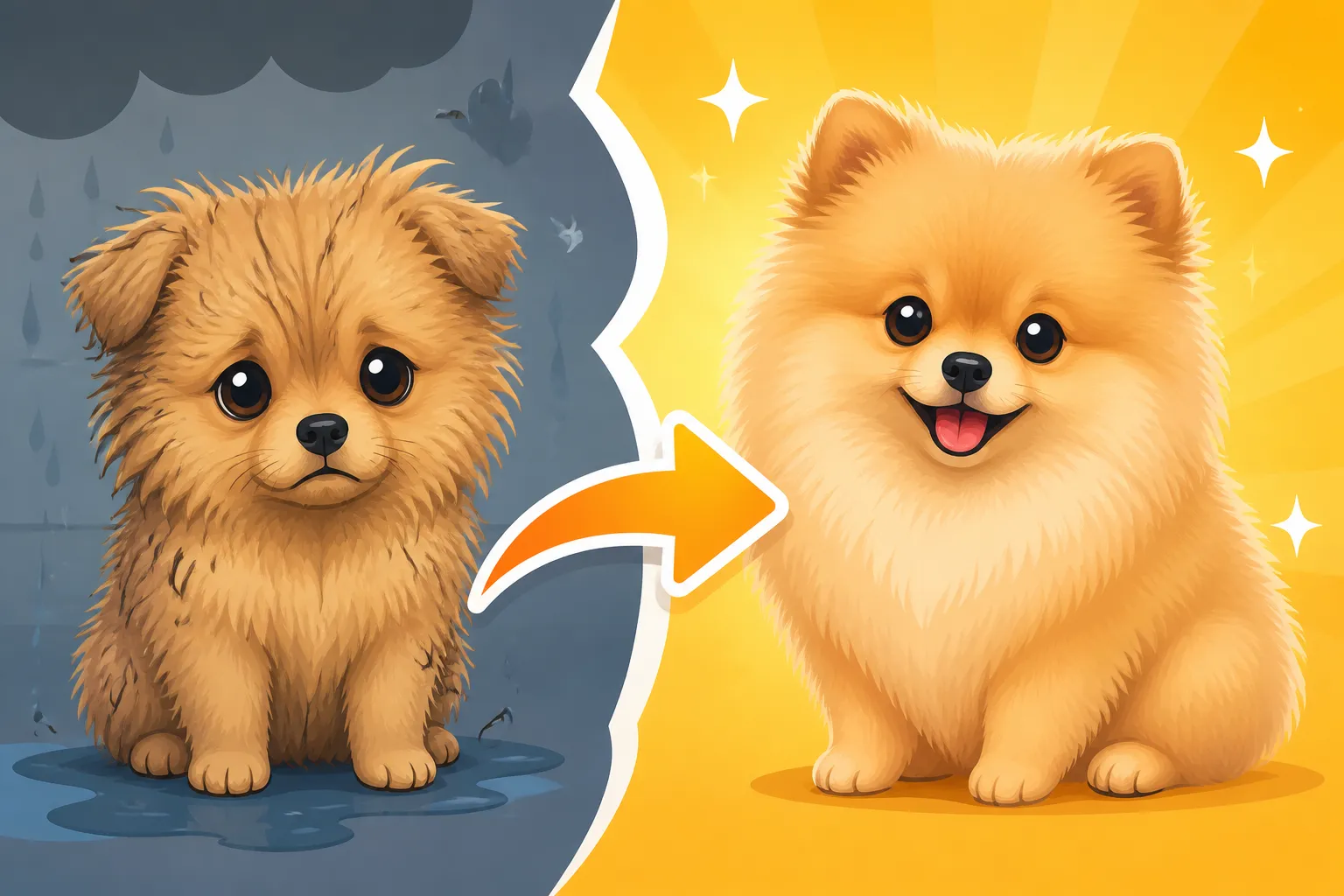
The "puppy uglies" refers to the transitional period when a Pomeranian puppy sheds its soft, fine puppy coat and starts growing in its dense, double adult coat. Imagine a baby losing its fuzz and then growing a completely new, more substantial head of hair – it's a similar concept, just a bit more dramatic on a dog with such an iconic coat. During this time, you'll notice a significant change in texture, length, and even color of their fur. They might look gangly, with thinner patches, especially on their legs, belly, and around their head. Their once-fluffy tail might thin out, making them look a bit like a tiny, rather disheveled fox.
It’s easy to feel a pang of worry when your once perfect puppy starts to look a bit, well, less perfect. You might even second-guess if you picked the right puppy or if something is medically amiss. But this is all part of The Coat Blow and the Pomeranian Puppy Uglies, a crucial developmental stage where nature is simply doing its work to prepare your pup for their glorious adult coat.
The Timeline: When Does it Start and End?
The timing of the puppy uglies can vary a bit from one Pomeranian to another, but generally, this phase kicks off somewhere between 4 to 6 months of age. It’s like hitting adolescence for their fur! The peak of the "uglies" often occurs around 6 to 10 months, where the shedding and patchy growth are most noticeable. Then, slowly but surely, usually by 10 to 14 months, you'll start to see the majestic adult coat filling in. For some, especially those with particularly dense coats or unique color patterns, it might take a little longer, even up to 18 months, for the coat to fully mature.
Think of it as a journey, not a switch. Your puppy won't wake up one morning with a full adult coat. Instead, you'll observe a gradual process. One week, you might notice more shedding; the next, a slight change in the texture of the fur on their back. It's a testament to the patience required in Pomeranian ownership, watching them transform from that fluffy ball to a scraggly teen, then finally blossoming into their full splendor. Many owners ask What a Pomeranian Puppy's Coat Looks Like at Six Months and are often surprised to find it's not the plush coat they imagined.
Here’s a general timeline to give you an idea of what to expect:
| Age Range (Approx.) | Coat Description | Owner's Observation |
|---|---|---|
| 0-4 Months | Soft, fluffy, relatively uniform puppy coat | Adorable, plush, "teddy bear" or "cotton ball" appearance |
| 4-6 Months | Start of puppy coat shedding, adult guard hairs begin to emerge | Increased shedding, some patchiness, fur feeling coarser |
| 6-10 Months | Peak "ugly" phase: significant shedding, thin patches, uneven growth, texture change | Scraggy, disheveled, "ratty" appearance, often looks smaller due to lack of fluff |
| 10-14 Months | Adult undercoat and guard hairs filling in, coat gaining density and length | Noticeable improvement, coat thickening, developing "stand-off" quality, color deepening |
| 14-18 Months+ | Full adult double coat developed | Luxurious, dense, plush double coat, mature coloring |
Why Your Pomeranian's Coat Looks Different (and it's Normal!)
The transformation from puppy fluff to adult glory is a complex biological process, rooted in the unique structure of the Pomeranian's coat. It's not just hair growing longer; it's a complete change in type and density.
The Double Coat Transformation
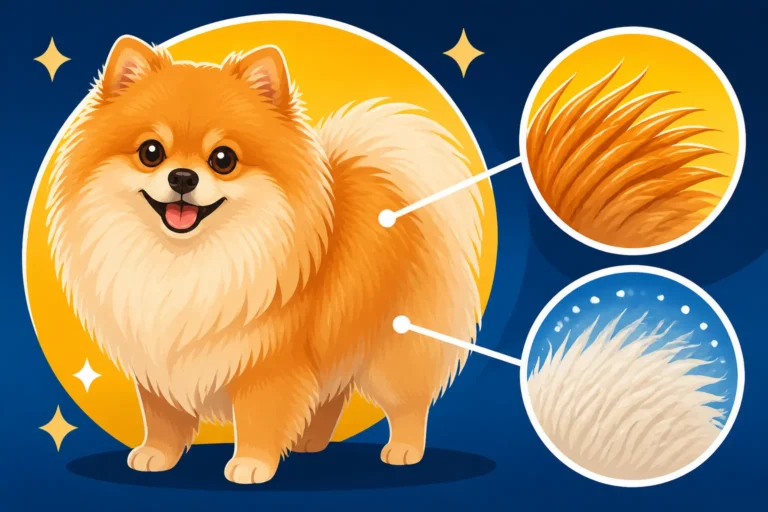
Pomeranians are renowned for their magnificent double coats, which consist of two distinct layers: a soft, dense undercoat and long, straight, harsher guard hairs that stand off from the body. This double coat provides insulation and protection, harking back to their Nordic Spitz ancestors.
When your puppy is small, their coat is predominantly soft, downy puppy fur. It's lovely to touch but lacks the structure and density of an adult coat. As they mature, their body starts producing the two distinct layers. The fine puppy hairs are shed to make way for the coarser, longer guard hairs and the thick, woolly undercoat. This transition means that not all hairs grow back at the same rate, leading to the uneven, patchy look. The guard hairs are crucial for creating that characteristic "stand-off" appearance, where the fur seems to puff out from their body. Without this, the coat looks flat and sparse. This whole process is essential for developing The Double Coat That Makes a Pomeranian and Why It Stays On.
Hair Loss and Uneven Growth Patterns
During the puppy uglies, it's common to see areas where the fur looks particularly thin or even bald, especially on the legs, belly, and sometimes the chest. This isn't usually cause for alarm. It's just those puppy hairs making way for the new growth. The old puppy coat essentially "blows out," often in clumps or general shedding. Because the adult coat grows in at different rates across the body, some areas might look fuller while others are still sparse.
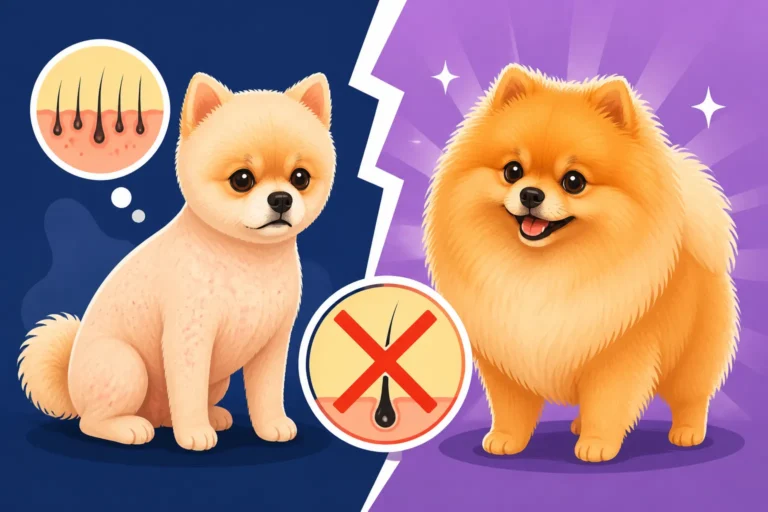
It's vital to remember that this normal thinning is different from serious conditions like Black Skin Disease and the Pomeranian Coat That Never Returns, also known as Alopecia X, or other underlying health issues. In the puppy uglies phase, the skin underneath the thinning coat should look healthy – no redness, flakiness, excessive itching, or darkening. If you notice any of these symptoms, it's always best to consult your vet, but for a healthy puppy, uneven growth and temporary thinning are just part of the show. The good news is that for most Pomeranians, the coat does come back; it just takes time and patience.
Navigating the Puppy Uglies: Care and Patience
While you can't fast-forward through the puppy uglies, you can certainly make the process smoother for both you and your Pomeranian. Good care during this time will ensure their adult coat grows in as healthy and beautiful as possible.
Essential Grooming During the Transition
Even when your Pomeranian looks a bit bedraggled, consistent and gentle grooming is paramount. This isn't just about aesthetics; it helps remove dead puppy hair, prevents matting, and stimulates new growth.
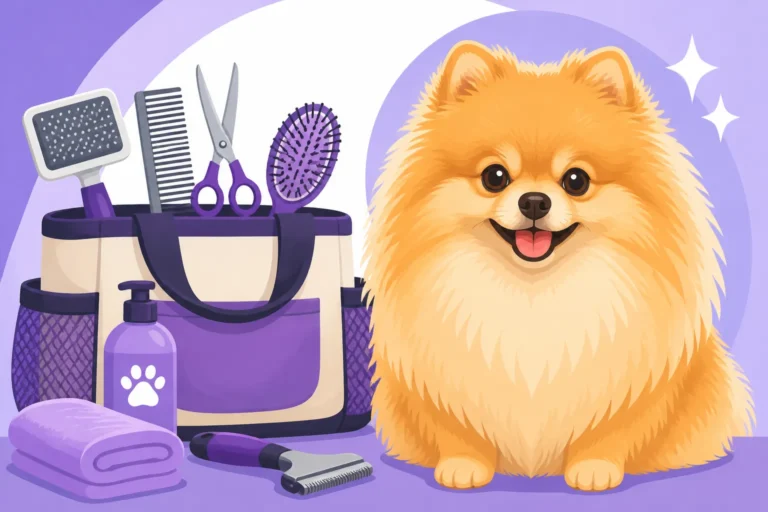
- Brushing: Aim for regular brushing, at least 2-3 times a week, if not daily during heavy shedding. Use a good quality slicker brush and a metal comb. The slicker brush helps remove dead hair and detangle, while the comb ensures you get down to the skin and find any hidden mats. Make sure to work in sections, getting all the way through the coat to the skin, as described in Working a Pomeranian's Coat in Sections to the Skin. This is especially important as the coarser adult guard hairs start to grow, as they can easily tangle with any remaining puppy fluff. You can find excellent grooming tools on Amazon or at specialty pet stores.
- Bathing: Bathe your Pomeranian as needed, perhaps every 2-4 weeks, using a mild, dog-specific shampoo and conditioner. Proper bathing helps loosen dead hair, making it easier to brush out. Always ensure you thoroughly rinse all shampoo and conditioner out to prevent skin irritation.
- Drying: After bathing, gently towel dry your Pom and then use a cool-setting hairdryer (specifically designed for dogs if possible, as they are quieter and more powerful) to fully dry their coat. Brushing gently with a pin brush while drying helps to separate the hairs and encourage that fluffy stand-off look.
Remember, patience is key. Your Pomeranian might not love grooming sessions at first, but making it a positive experience with treats and praise will build their tolerance.
Nutrition for a Healthy Coat
A healthy coat starts from within. Providing your Pomeranian with high-quality nutrition is crucial for supporting robust hair growth during this transitional period.
- High-Quality Diet: Ensure your puppy is eating a premium small-breed puppy food. Look for diets with quality protein sources as the first ingredient. The Protein a Pomeranian's Coat Needs is vital for strong, healthy hair follicles. Many excellent brands are available from retailers like Chewy or Ollie, offering both kibble and fresh food options tailored for small breeds.
- Omega Fatty Acids: Consider supplementing their diet with omega-3 and omega-6 fatty acids. These can do wonders for skin and coat health, promoting shine and reducing dryness. Fish oil supplements or foods naturally rich in these fats (like salmon) can be beneficial. Always discuss any supplements with your veterinarian before adding them to your puppy's regimen.
- Avoid Poor-Quality Treats: While tempting, resist feeding excessive amounts of low-quality treats or table scraps. These can lead to nutritional imbalances and may not support optimal coat health.
When to Worry: Distinguishing Normal From Problematic
While the puppy uglies are a normal part of Pomeranian development, there are times when hair loss or coat issues warrant a visit to the veterinarian. It's crucial to differentiate between the benign "uglies" and a potential health problem.
Consult your vet if you notice any of the following:
- Excessive Itching or Skin Irritation: While some mild scratching is normal, intense, persistent scratching, redness, bumps, scabs, or broken skin could indicate allergies, parasites (like fleas or mites), or a skin infection.
- True Bald Patches: If your puppy develops completely bald, smooth areas of skin that show no sign of hair regrowth, especially if these areas are symmetrical, it could be a sign of a hormonal imbalance (like thyroid issues, which you can learn more about in Ruling Out Thyroid on a Balding Pomeranian) or Black Skin Disease and the Pomeranian Coat That Never Returns.
- Changes in Behavior: Lethargy, loss of appetite, weight changes, or other general signs of illness accompanying coat issues should always be checked by a vet.
- Unusual Coat Texture: If the new hair growth is extremely brittle, greasy, or feels abnormal in any way beyond the expected adult coat texture, it's worth investigating.
It's always better to be safe than sorry. Your vet can rule out any underlying medical conditions and provide guidance if needed.
The Beautiful Outcome: What to Expect Next
After months of patiently watching your Pomeranian transform, the reward is truly magnificent. The puppy uglies are temporary, and the glorious adult coat is well worth the wait!
The Adult Pomeranian Coat Revealed
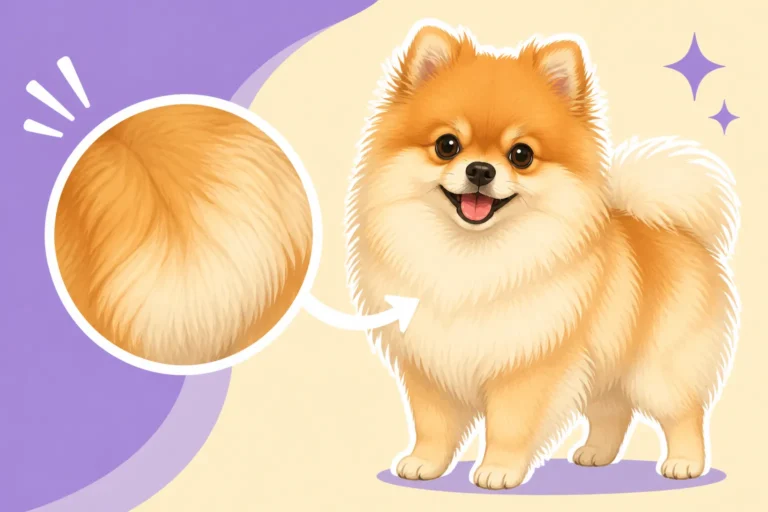
Once your Pomeranian navigates through the "ugly" phase, their adult coat will emerge in all its splendor. You’ll see that thick, plush undercoat and the long, straight guard hairs that give Poms their characteristic "stand-off" appearance. This double coat will be dense, soft yet substantial, and beautifully fluffy, especially around the neck (the ruff) and hindquarters (the britches). The tail plume will be full and arch gracefully over their back.
This full transformation typically happens by the time they are between 14 to 18 months old, though some Poms, particularly males or those with exceptionally thick coats, might continue to fill out until they are two years old. This is generally The Age a Pomeranian's Coat Fully Comes In. It's a wonderful feeling to see that unique silhouette emerge, knowing all the care and patience paid off.
Understanding Color Changes
During the puppy uglies and subsequent coat growth, it's also common for a Pomeranian's coat color to shift and develop. Many Pomeranian puppies are born with one shade and then develop into a different, often richer, adult color. For instance, a pale cream puppy might darken into a vibrant orange, or a black puppy might reveal sable markings.
Sable Pomeranians, in particular, are known for dramatic color changes. A puppy born with significant black tipping might shed much of that tipping to reveal a deep orange or red undercoat, retaining just a hint of black on the guard hairs. How a Sable Pomeranian's Coat Changes With Age is a fascinating process to observe. It's another reason why predicting the exact adult color from a puppy is often a fun guessing game for breeders and owners alike. You'll definitely see Whether a Pomeranian's Adult Color Changes quite a bit from their early months!
The "puppy uglies" are a normal and temporary part of owning a Pomeranian. While it might be a phase of slightly less-than-glamorous looks, it's a necessary step towards your dog developing the stunning, luxurious double coat they are famous for. With proper grooming, good nutrition, and a keen eye for any actual health concerns, you'll soon be admiring a truly magnificent adult Pomeranian, proving that some things just get better with age.
Disclaimer
This article is for general informational purposes only and does not constitute professional advice. Laws, prices and regulations vary by location and change over time. Consult a qualified professional for guidance on your specific situation.