The Protein a Pomeranian’s Coat Needs
Many Pomeranian parents often find themselves staring at their fluffy companion, wondering why their once vibrant coat seems dull, or why the shedding feels excessive. It's a common and understandable frustration, especially when you're doing everything you think is right! What many don't realize is that the secret to a lustrous, healthy Pomeranian coat often lies directly in their food bowl, specifically in the quality and quantity of protein they consume. This comprehensive guide will dive deep into the crucial role protein plays in your Pomeranian's coat health, helping you understand how to nourish that beautiful fluff from the inside out.
Understanding the Pomeranian Coat and Protein's Role
That magnificent, stand-off coat your Pomeranian sports isn't just for show; it's a complex, multi-layered marvel designed for insulation and protection. Understanding its structure is the first step in appreciating why protein is so indispensable.
The Marvel of the Double Coat
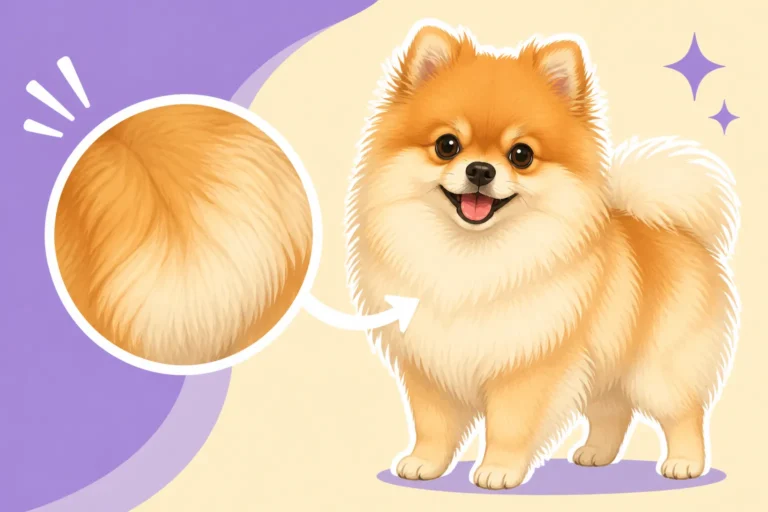
A Pomeranian's coat is what we call a "double coat," a signature trait of Spitz breeds. This isn't just one type of hair, but rather two distinct layers working in harmony. You have the longer, coarser outer layer known as guard hairs. These are straight, somewhat stiff, and designed to protect your Pom from external elements like dirt, moisture, and sunlight. Beneath this lies the soft, dense, and fluffy undercoat, which provides insulation against both cold and heat. It's this undercoat that gives Pomeranians their characteristic "poof."
Maintaining both these layers requires a significant amount of cellular activity and nutrient uptake. When something is off, especially in their diet, it can quickly show in the coat's condition. Dullness, excessive shedding that goes beyond normal coat blowing, or a general lack of volume can all be indicators that something isn't quite right. Just imagine trying to build a sturdy house without enough bricks – the structure would suffer. Your Pomeranian's coat is no different; it needs its essential building blocks. If you want to dive deeper into the intricacies of their fur, check out The Double Coat That Makes a Pomeranian and Why It Stays On and The Guard Hair and Undercoat of a Pomeranian.
Protein as the Building Block
At its most fundamental level, hair is primarily composed of a protein called keratin. Every single strand, from the tip of a guard hair to the softest undercoat fiber, is built from this protein. Think of protein as the ultimate construction material for your dog's entire body, and especially for rapidly growing tissues like hair, skin, and nails.
When your Pomeranian eats food, their digestive system breaks down the proteins into smaller units called amino acids. These amino acids are then absorbed and reassembled by the body to create new proteins, including the keratin needed for hair growth and repair. If your Pom isn't getting enough high-quality protein, or if the protein they are consuming lacks certain essential amino acids, their body prioritizes vital organs, and tissues like the coat can suffer. You might notice slower regrowth after grooming, a thinner appearance, or hair that breaks easily. It's a clear signal that the body is trying to conserve resources, and the coat often takes the hit first.
Beyond Just "Enough" Protein
It's not just about the sheer amount of protein; the quality and completeness of the protein source are equally, if not more, important. Not all proteins are created equal in terms of the amino acids they provide. A "complete protein" source contains all the essential amino acids that a dog cannot synthesize on its own and must obtain from its diet.
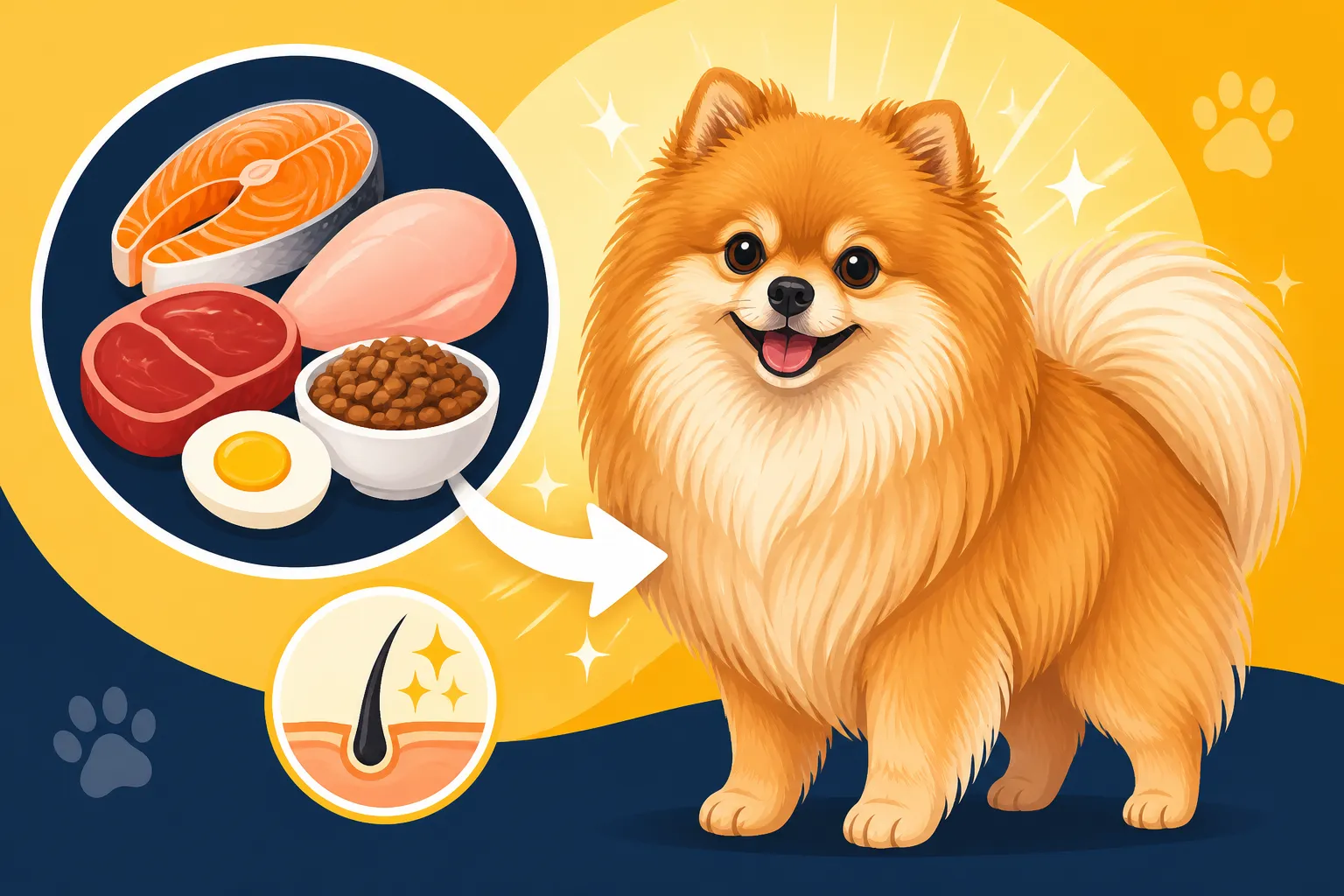
For instance, proteins from animal sources like meat, poultry, fish, and eggs are generally considered complete and highly digestible for dogs. Plant-based proteins can be good additions, but often need to be combined to provide a full amino acid profile. A diet rich in high-quality, biologically appropriate protein ensures your Pomeranian has all the necessary building blocks to produce strong, healthy keratin, which translates directly to a beautiful, resilient coat. Skimping on quality here can lead to a host of issues, even if the "percentage" on the bag seems adequate.
How Much and What Kind of Protein?
Navigating the world of dog food can be overwhelming, with so many brands and claims. When it comes to protein for your Pomeranian's coat, knowing the general guidelines and how to identify good sources is key.
Recommended Protein Levels for Pomeranians
For a healthy adult Pomeranian, the Association of American Feed Control Officials (AAFCO) recommends a minimum of 18% crude protein in their diet. However, for active Poms or those needing extra coat support, many premium small-breed formulas will offer protein levels closer to 25-30% or even higher. It’s crucial to remember that these are general guidelines, and individual needs can vary based on age, activity level, and overall health.
Puppies, for example, require higher protein levels for rapid growth and development, often needing around 22-28% crude protein. Conversely, a very senior Pomeranian with kidney issues might need a modified protein diet under veterinary supervision. Generally, since Pomeranians are typically energetic little fluff-balls, they benefit from a diet that supports their active lifestyle and keeps their coat in tip-top shape. You won't find them needing the same kind of protein intake as a giant working breed, but they definitely thrive on well-balanced, nutrient-dense food. When considering overall dietary needs, it's also important to factor in how much food an adult Pomeranian needs.
Identifying High-Quality Protein Sources
When you're reading a dog food label, the ingredients list is your best friend. Look for whole animal protein sources listed as the first few ingredients. This indicates that a significant portion of the protein comes from these sources.
Here are some examples of excellent, high-quality protein sources for your Pomeranian:
- Chicken, Turkey, Beef, Lamb: These are common and highly digestible protein sources. Look for "chicken meal," "turkey meal," etc., as well. While "meal" sounds less appealing to us, it's actually a concentrated form of protein with much of the water removed, often making it a very high-quality component.
- Fish (Salmon, Sardines, Whitefish): Not only are fish fantastic sources of complete protein, but they also offer a bonus of omega-3 fatty acids, which are phenomenal for skin and coat health.
- Eggs: Often called the "perfect protein," eggs provide a complete amino acid profile and are highly digestible. Many owners use cooked eggs as a healthy treat or dietary boost.
- Organ Meats (Liver, Heart): These are nutrient powerhouses, packed with protein, vitamins, and minerals. They should be fed in moderation as part of a balanced diet.
Avoid foods where the primary protein sources are vague terms like "meat by-products" or where plant proteins like corn gluten meal are listed very high up, unless it's a specifically formulated vegetarian diet under veterinary guidance. While some plant proteins (like peas or lentils) can contribute to a dog's overall protein intake, they typically shouldn't be the sole or primary protein source for a carnivore like a dog.
The Impact of Protein Deficiency on Coat Health
You might not immediately connect a dull coat to a protein deficiency, but the signs are often clear once you know what to look for. If your Pomeranian isn't getting adequate, high-quality protein, their beautiful coat can suffer in several ways:
- Dull, Brittle Coat: The most common sign. Without sufficient keratin, hair loses its luster and becomes dry and brittle, prone to breakage. It simply won't have that characteristic shine and bounce.
- Excessive Shedding (beyond seasonal coat blow): While Poms shed, especially during seasonal changes, excessive or year-round shedding can indicate the body isn't properly renewing hair follicles due to lack of protein.
- Slow Hair Regrowth: If your Pomeranian has had a patch of fur shaved for a medical procedure or if their coat is trimmed, you might notice that it takes an unusually long time to grow back, or the new growth is sparse and weak.
- Thinning Hair or Bald Patches: In severe cases, particularly if combined with other nutritional deficiencies or underlying health issues, protein deficiency can contribute to widespread thinning or even bald spots.
- Weak Skin and Nails: Since protein is vital for all integumentary structures, you might also notice issues with skin elasticity, dryness, or nails that are brittle and break easily.
It’s disheartening to see your Pom's glorious coat lose its sparkle. Ensuring they receive a protein-rich diet is a crucial step in preventing these issues and maintaining their signature look.
Choosing the Right Food for Coat Health
With so many dog food options available, making the right choice for your Pomeranian can feel like a daunting task. Here’s how to approach it with a focus on coat health.
Decoding Dog Food Labels
Reading a dog food label isn't always straightforward, but it's essential for making informed decisions. Here's what to prioritize when looking for protein:
- First Five Ingredients: The first few ingredients listed on a dog food bag make up the bulk of the recipe. Look for at least two, preferably three, whole animal protein sources (e.g., "chicken," "salmon," "lamb meal") within these top spots. This tells you that meat is a primary component, not just an afterthought.
- Specific Protein Names: "Chicken meal" is generally better than "poultry by-product meal." Specificity usually indicates higher quality.
- Protein Percentage: While the percentage of crude protein is important, remember that it's a minimum. A higher percentage isn't always better if the source isn't digestible or complete. Aim for the recommended ranges we discussed earlier.
- AAFCO Statement: Look for a statement from AAFCO (Association of American Feed Control Officials) confirming the food is "complete and balanced" for your dog's life stage (e.g., "for all life stages" or "for adult maintenance"). This means it meets recognized nutritional standards.
Don't be swayed by marketing buzzwords alone. Take the time to flip the bag over and scrutinize the ingredient list. It's the real story of what you're feeding your beloved Pom.
Different Food Formats and Their Protein Content
The format of your Pomeranian's food can also play a role in its protein content and how easily those nutrients are absorbed.
- Dry Kibble: This is the most common and often most economical choice. High-quality kibbles formulated for small breeds can provide excellent protein. When choosing kibble, consider Whether a Pomeranian Needs Small Breed Formula as these are often designed with appropriate kibble size and nutrient balance. Brands found on platforms like Chewy offer a vast selection, making it easier to compare options.
- Wet Food: Canned or wet foods typically have higher moisture content but can also be very rich in protein. The protein sources are often more immediately recognizable (chunks of meat, etc.). Wet food can be a great way to boost protein intake and hydration, especially for picky eaters.
- Fresh or Gently Cooked Diets: Services like Ollie deliver freshly prepared, human-grade meals directly to your door. These diets often boast very high-quality, recognizable protein sources and can be excellent for dogs with sensitivities or those who thrive on less processed food. The protein content is usually robust and highly digestible.
- Raw Diets (BARF – Biologically Appropriate Raw Food): Some owners opt for raw feeding, which consists of uncooked meat, bones, and organs. Raw diets can be incredibly high in natural, bioavailable protein. However, they require careful research and preparation to ensure nutritional completeness and safety. This is a big commitment and something to discuss thoroughly with your vet, especially considering questions like Whether Raw Feeding Suits a Pomeranian's Teeth.
Each format has its pros and cons, and the "best" choice often comes down to your Pomeranian's individual needs, your budget, and your comfort level. The most important thing is that whichever format you choose, it provides high-quality protein and a balanced nutritional profile.
Considering Life Stage and Activity Level
A Pomeranian's protein requirements aren't static; they shift throughout their life and depend on how active they are.
- Puppies: Growing puppies need a significantly higher percentage of protein to support their rapid development. Their tiny bodies are building muscle, bone, and, yes, that amazing double coat at an astonishing rate. Puppy formulas are specifically designed to meet these elevated needs.
- Adults: Most adult Pomeranians doing a normal amount of activity will thrive on the recommended adult protein levels. If your Pom is a couch potato, they might need slightly less, but if they're a little dynamo constantly running zoomies, they'll benefit from the higher end of the protein spectrum to fuel their energy and maintain muscle mass.
- Seniors: As Pomeranians age, their metabolic rate might slow, and muscle mass can naturally decline. Many senior formulas contain slightly adjusted protein levels—sometimes lower if kidney issues are present, or sometimes higher to help maintain muscle mass, depending on the individual dog's health status. Regular vet check-ups are essential to tailor their diet appropriately as they enter their golden years.
- Pregnant or Lactating Females: These ladies have incredibly high nutritional demands, including increased protein, to support pregnancy and milk production. Special formulas are available for this life stage.
Always consult with your veterinarian to ensure your Pomeranian's diet is perfectly suited to their current life stage, activity level, and any specific health considerations. They can help you fine-tune protein intake for optimal health, including that beautiful coat.
Beyond Protein: Other Nutrients and Practical Tips
While protein is the star of the show for coat health, it doesn't work in isolation. A symphony of other nutrients, along with good grooming practices, contributes to a truly magnificent Pomeranian coat.
The Synergy of Fats and Vitamins
Think of protein as the bricks, and fats, vitamins, and minerals as the mortar, the tools, and the skilled labor. They all work together for a strong, beautiful result.
- Omega Fatty Acids (Omega-3 and Omega-6): These healthy fats are absolutely critical for skin and coat health. Omega-3s, often found in fish oil, are powerful anti-inflammatories and contribute to a shiny, soft coat while reducing dryness and flakiness of the skin. Omega-6s, found in many vegetable oils and poultry fat, also play a role in skin barrier function and coat luster. A proper balance of these two is key. You might want to read more about Whether a Pomeranian Needs Fish Oil for Its Coat.
- Zinc: This essential mineral is involved in countless enzymatic processes, including protein synthesis and skin cell reproduction. A zinc deficiency can lead to hair loss, dullness, and skin lesions.
- Biotin (Vitamin B7): A B-vitamin often associated with healthy hair and nails in humans, biotin also supports canine coat health by aiding in keratin formation and skin integrity.
- Vitamins A and E: These fat-soluble vitamins are powerful antioxidants that protect skin cells from damage and promote healthy cell turnover. Vitamin A is crucial for skin tissue maintenance, while Vitamin E supports healthy skin and a shiny coat.
Many high-quality dog foods will include these nutrients in their formulation, but sometimes a supplement might be warranted, especially if your Pom is showing signs of deficiency or needs extra support.
Supplementing for Coat Health (With Caution)
Before you reach for supplements, always have a conversation with your veterinarian. Adding supplements to an already balanced diet can sometimes lead to an excess of certain nutrients, which can be just as harmful as a deficiency. Your vet can help diagnose any underlying issues and recommend appropriate supplementation if needed.
If your vet gives the green light, popular supplements for coat health often include:
- Fish Oil: A fantastic source of Omega-3s. Look for reputable brands that provide EPA and DHA (the active forms of Omega-3s).
- Skin & Coat Supplements: These often combine Omega fatty acids with other beneficial nutrients like biotin, zinc, and vitamins. Brands available on Chewy or Amazon offer a wide range of options, but always check reviews and ingredient lists for quality and efficacy. Keep in mind that What Coat and Skin Supplements Cost a Pomeranian Owner can vary significantly. For a more detailed look into specific support, you can explore Supplements That Support a Pomeranian's Skin.
Always follow dosage instructions carefully and monitor your Pomeranian for any changes, positive or negative. Supplements should complement a good diet, not replace one.
Holistic Coat Care: Grooming and Hydration
Dietary protein is a huge piece of the puzzle, but it's not the only piece. Maintaining your Pomeranian's magnificent coat also requires consistent, mindful care beyond the food bowl.
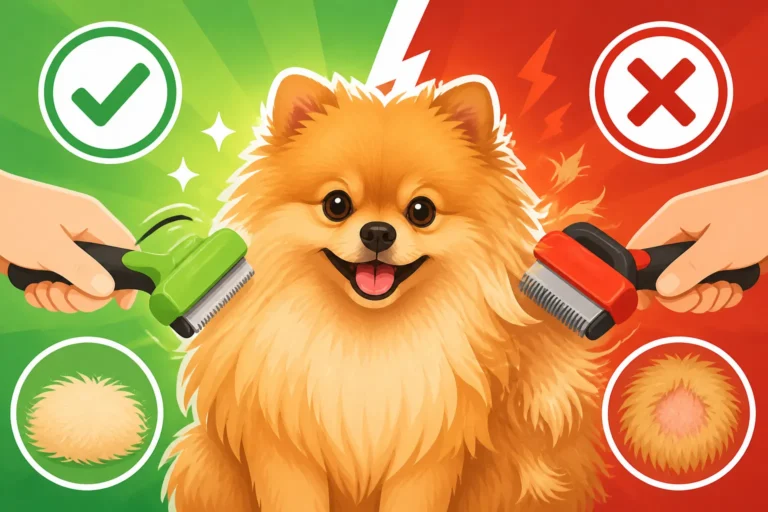
- Regular Grooming: Brushing your Pomeranian several times a week isn't just about preventing mats; it stimulates blood flow to the skin, distributes natural oils, and removes loose hair, promoting healthy growth. Investing in the right tools and establishing a routine is key. While you might wonder How Rarely a Pomeranian's Coat Should Be Washed, regular brushing is non-negotiable.
- Bathing with Appropriate Products: When you do bathe your Pom, use a gentle, moisturizing shampoo and conditioner formulated for dogs, preferably one that supports a double coat. Harsh chemicals or human products can strip natural oils and damage the coat.
- Adequate Hydration: Water is fundamental for every bodily function, including skin hydration and healthy hair growth. Ensure your Pomeranian always has access to fresh, clean water. A dehydrated dog will often have dry, brittle fur and flaky skin, regardless of their diet.
A dull, lacklustre coat can be a big indicator of overall health, and ensuring your Pomeranian receives the right protein is a foundational step. By providing a high-quality, protein-rich diet, supplemented with essential fats and vitamins, and coupled with consistent grooming and hydration, you'll be well on your way to helping your Pomeranian sport the glorious, fluffy coat they were meant to have!
| Protein Source | Type of Protein | Key Benefits for Coat Health | Considerations |
|---|---|---|---|
| Chicken/Turkey | Animal (Lean) | Excellent complete protein, highly digestible | Common allergen for some dogs; choose whole meat or meal |
| Beef/Lamb | Animal (Rich) | Complete protein, often higher in iron and other minerals | Can be richer, watch for weight gain; some dogs prefer this taste |
| Salmon/Sardines | Animal (Fish) | Complete protein, rich in Omega-3 fatty acids (EPA/DHA) | Stronger smell; choose wild-caught for higher nutrient content |
| Eggs | Animal | "Perfect" complete protein, highly bioavailable | Feed cooked, raw whites can inhibit biotin absorption |
| Lentils/Peas | Plant | Good protein contribution, fiber-rich | Not a complete protein on its own; should not be primary source |
| Organ Meats | Animal (Dense) | Very high in protein and a wide array of vitamins/minerals | Feed in moderation as part of a balanced diet; very rich |
Disclaimer
This article is for general informational purposes only and does not constitute professional advice. Laws, prices and regulations vary by location and change over time. Consult a qualified professional for guidance on your specific situation.