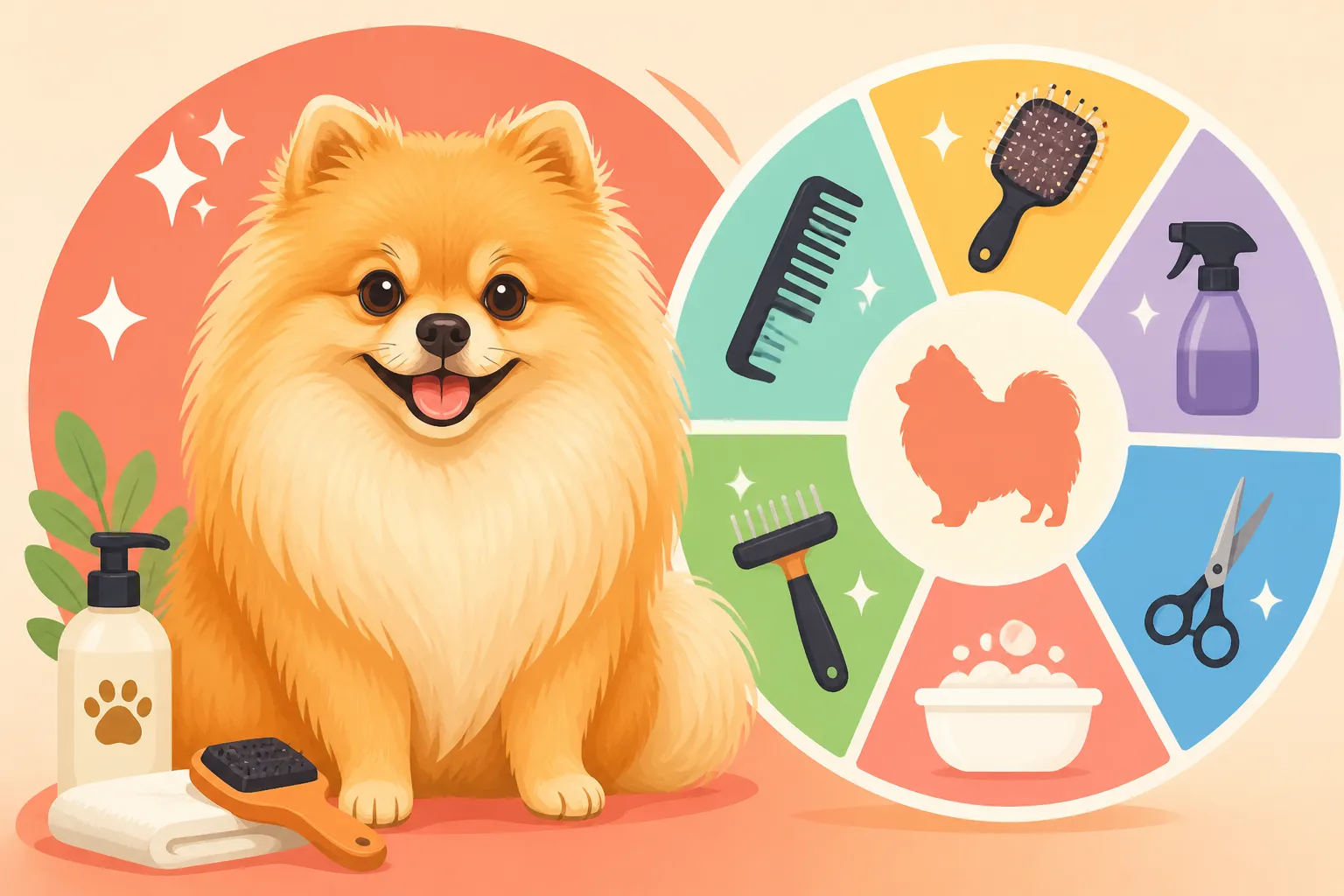
The Grooming Schedule a Pomeranian Runs On
One of the biggest surprises for many new Pomeranian parents is just how much grooming these tiny fluff balls truly need. It's easy to assume that such a small dog would be low maintenance, but that magnificent, buoyant coat doesn't just happen on its own. If you've found yourself overwhelmed by flying fur, battling mats, or simply unsure where to start with your Pom's lavish locks, you're not alone. This comprehensive guide will walk you through the essential grooming schedule, helping you establish a routine that keeps your Pomeranian looking their best and feeling comfortable, tackling everything from daily brushing to professional pampering.
Decoding the Pomeranian's Iconic Double Coat: Why It Demands Specific Care
Before we dive into the nitty-gritty of brushing and bathing, it's crucial to understand the unique structure of your Pomeranian's coat. This isn't just fluffy hair; it's a complex, multi-layered system designed for insulation and protection, inherited from their larger Spitz ancestors. Without understanding this, you might inadvertently cause damage that takes months, or even years, to correct.
The Guard Hair and Undercoat of a Pomeranian: A Mighty Insulation System
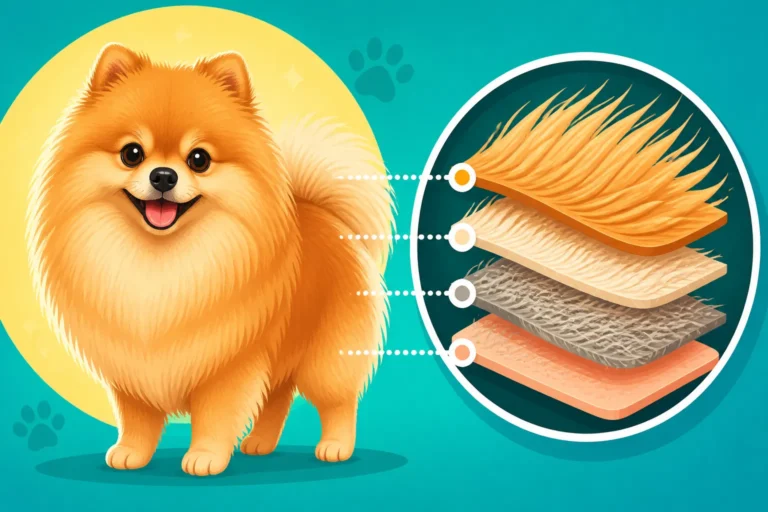
Your Pomeranian’s glorious coat consists of two distinct layers: a soft, dense undercoat and a longer, coarser outer layer of guard hairs. The undercoat is what gives the Pomeranian its "fluff," providing insulation against both cold and heat. It's incredibly soft and thick, growing in much denser than the topcoat. These downy fibers trap air, creating a thermal barrier that keeps your Pom warm in winter and surprisingly helps them stay cool in summer by preventing heat from reaching their skin.
The guard hairs are the longer, straight strands that form the top layer. These hairs are slightly harsher to the touch, and they stand off the body, giving the Pomeranian its characteristic "puffball" silhouette. Their primary job is protection – shielding the delicate undercoat and skin from dirt, moisture, and UV rays. When both layers are healthy and well-maintained, they work together in perfect harmony, creating a resilient, beautiful, and functional coat. Neglecting either layer can lead to problems, from skin issues to severe matting that can cause discomfort and even pain. To learn more about this incredible feature, check out The Double Coat That Makes a Pomeranian and Why It Stays On.
The Perils of Shaving a Pomeranian: Understanding the Damage
It's a common misconception, especially in warmer climates, that shaving a Pomeranian will help them stay cool. In reality, it often does the exact opposite, and can cause irreversible damage to their coat. When you shave off the guard hairs, you strip away their natural protection from the sun, leaving their delicate skin vulnerable to sunburn and even skin cancer. More critically, shaving often disrupts the natural growth cycle of the coat. The undercoat tends to grow back faster and thicker than the guard hairs, creating an imbalanced coat that is more prone to matting and less effective at regulating body temperature.
Many Pomeranian owners who shave their dogs report that the coat never truly grows back the same – it might be patchy, cottony, or simply refuse to regain its former volume and texture. This phenomenon is often mistaken for Alopecia X, but it's actually "Post-Clipping Alopecia" or "clipper alopecia." It can take months, sometimes even years, for the coat to recover, if it ever does fully. This is why most reputable groomers will strongly advise against shaving a Pomeranian down to the skin unless it's medically necessary, such as for a severe skin condition or surgery. Understanding Why a Shaved Pomeranian May Not Regrow is crucial for any Pom parent.
Trims a Pomeranian Can Safely Have: Enhancing Without Harming
While shaving is a no-go, strategic trimming is absolutely essential for maintaining a Pomeranian's coat health and tidiness. The goal of trimming is to enhance the natural shape of the Pomeranian, tidy up unruly areas, and prevent matting, not to drastically alter the coat's structure. Common safe trims include tidying up the fur around their paws to prevent debris accumulation and improve traction, a "sanitary trim" around the hindquarters to maintain cleanliness, and a slight shaping of the ruff and britches to keep them neat.
Many owners opt for a "puppy cut" or "teddy bear cut" which involves trimming the guard hairs and undercoat evenly to a slightly shorter length (often around 1-2 inches), maintaining the double coat structure. This still leaves enough protective length but can reduce shedding and make daily brushing a bit easier. However, even with these trims, it's vital to work with a groomer experienced with double-coated breeds who understands how to use scissors and clippers appropriately, ensuring the coat isn't taken too short. These maintenance trims, done every 8-12 weeks, keep your Pom looking smart and feeling comfortable without compromising their natural insulation.
Establishing Your Daily and Weekly Grooming Rhythm: More Than Just Pretty Fluff
Grooming a Pomeranian isn't a once-a-month event; it's a continuous commitment. Their luxurious double coat requires consistent attention to prevent mats, reduce shedding, and keep their skin healthy. Skipping days can quickly lead to a tangled mess, turning a five-minute daily brush into a painful hour-long ordeal.
How Many Times a Week a Pomeranian Is Brushed: Consistency is Key
For most Pomeranians, a thorough brushing 3-4 times a week is the bare minimum to keep their coat in good condition. However, during shedding season (often twice a year, but sometimes year-round with indoor Poms), or if your Pomeranian has a particularly dense or long coat, daily brushing might be necessary. The key is to brush down to the skin, not just glide over the topcoat. Mats often form at the base of the hair, close to the skin, where they can go unnoticed until they become severe.
Regular brushing not only removes loose hair and prevents matting but also distributes natural skin oils, promoting a healthy, shiny coat. It’s also a wonderful bonding experience for you and your dog, and an excellent opportunity to check for any skin irritations, lumps, or parasites. Getting into a consistent routine from puppyhood will make grooming much easier as your Pomeranian gets older. The more you stick to it, the less time each session will take, as you'll be preventing problems rather than fixing them. For a deeper dive into brushing frequency, see How Many Times a Week a Pomeranian Is Brushed.
Essential Tools for a Pomeranian's Coat: Brushes, Combs, and Sprays
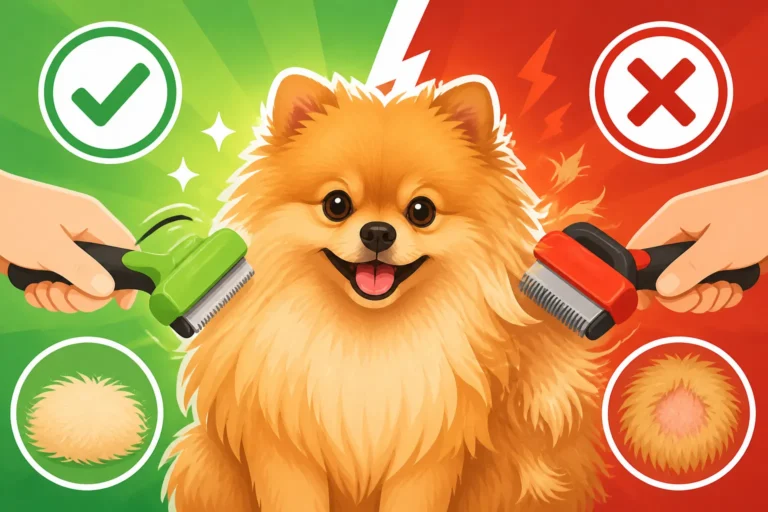
Having the right tools makes all the difference when grooming a Pomeranian. Investing in high-quality equipment will protect their coat and make the process more comfortable for both of you. You'll need a good slicker brush, a metal greyhound comb, and a pin brush. A slicker brush, with its fine, wire bristles, is perfect for getting through the undercoat and removing loose hair and minor tangles. Always use a gentle hand to avoid "brush burn" on their delicate skin.
The metal greyhound comb is indispensable for checking your work and for finding smaller mats. After using the slicker, run the comb through the entire coat, ensuring you can comb from the skin to the ends without snagging. A pin brush, with its widely spaced, smooth pins, can be used for general fluffing and finishing. Additionally, a detangling spray or conditioning spray can be a lifesaver, especially when working through tangles, as it lubricates the hair and reduces friction. You can find a wide array of these tools on platforms like Amazon or Chewy, ensuring you have everything you need at your fingertips.
Tackling Tangles and Mats: Gentle Techniques for Delicate Fur
Discovering a mat in your Pomeranian's coat can be disheartening, but panic is your enemy. Never try to pull or rip through a mat, as this will cause pain and stress for your dog and can damage their skin. Instead, approach mats with patience and the right technique. First, spray the mat generously with a detangling spray. Then, use the end of your metal comb or your fingers to gently tease the mat apart, working from the outer edges inward. Think of it like trying to untangle a knot in a piece of string.
Once you’ve loosened it a bit, you can use the slicker brush to carefully brush through the separated sections. If the mat is very tight and close to the skin, you might need a mat splitter or a blunt-nosed scissor to carefully cut the mat into smaller sections before brushing. Always insert scissors parallel to the skin and away from it, never pointing towards it. If you encounter a mat that is too large, too close to the skin, or causing your dog significant discomfort, it’s best to seek the help of a professional groomer. They have specialized tools and expertise to remove severe matting safely. For more specific advice on mat removal, read Working Through a Mat Behind a Pomeranian's Ear.
The Art of Bathing Your Pomeranian: Cleanliness Without Stripping Natural Oils
Bathing a Pomeranian can feel like a big undertaking, given all that hair! But done correctly, it’s a vital part of their grooming schedule, keeping their coat and skin clean and healthy. The key is to avoid over-bathing and to use products specifically formulated for their coat type.
How Rarely a Pomeranian's Coat Should Be Washed: Finding the Sweet Spot
Unlike some short-haired breeds that can go months without a bath, a Pomeranian’s dense double coat benefits from regular, but not excessive, washing. Most Poms do well with a bath every 2-4 weeks. Bathing too frequently can strip the natural oils from their skin and coat, leading to dryness, irritation, and potentially even dulling their magnificent fur. On the other hand, waiting too long between baths can lead to oil buildup, skin issues, and make brushing harder as dirt and dander accumulate.
The ideal frequency also depends on your dog's lifestyle. If your Pomeranian loves rolling in mud or has a habit of getting into sticky situations, you might need to bathe them more often. If they spend most of their time indoors and are generally clean, you can stretch it closer to the four-week mark. Always make sure to thoroughly brush out any mats before bathing, as water will only tighten them, making them nearly impossible to remove afterward. Discover more about the right bathing frequency in How Rarely a Pomeranian's Coat Should Be Washed.
Choosing the Right Shampoo and Conditioner: Beyond "Puppy Fresh"
The products you use for bathing your Pomeranian are just as important as the frequency. Opt for high-quality shampoos and conditioners specifically designed for dogs, ideally for double coats or sensitive skin. Avoid human shampoos, as their pH levels are different and can be irritating to canine skin. Look for products that are moisturizing and gentle, free from harsh chemicals, sulfates, and parabens. Some brands even offer shampoos that are designed to help maintain the "stand-off" quality of a double coat, rather than flattening it.
Many owners swear by a two-step process: a clarifying shampoo to thoroughly clean the coat, followed by a moisturizing conditioner to restore hydration and softness. Make sure to dilute shampoos and conditioners according to package directions, as this helps them spread more easily through the thick coat and rinse out more thoroughly. Lathering and rinsing fully is critical; any residue left behind can cause skin irritation or make the coat feel greasy and heavy. For specific tips on product selection, check out Shampoo That Will Not Flatten a Pomeranian's Coat.
The Blow Drying Process: Protecting and Perfecting the Stand-Off Coat
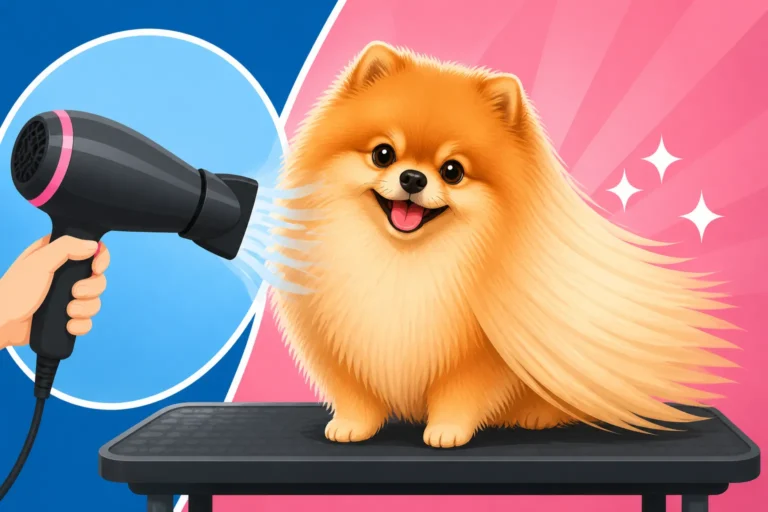
After bathing, thoroughly towel dry your Pomeranian to remove as much excess water as possible. Then, the real work begins: blow-drying. Air-drying a Pomeranian is generally not recommended, especially for Poms with very thick coats, as it can lead to skin problems like hot spots and leave the undercoat damp for too long, promoting matting and mildew. A professional-grade dog dryer is ideal, as it uses strong, cool air to dry quickly without excessive heat. If you're using a human hairdryer, always use the cool or low-heat setting to prevent skin burns.
Brush your Pomeranian continually as you blow-dry, working in sections. This technique, called "fluff drying," helps to straighten the hair and ensure the undercoat is completely dry and fluffed out, giving your Pom that characteristic stand-off appearance. Pay special attention to dense areas like the ruff, britches, and tail. Ensure every layer is completely dry to the skin before you finish. This careful drying process is vital for preventing mats and maintaining the health and beauty of their coat.
Beyond the Brush: Detailed Care for Nails, Ears, and Teeth
Grooming a Pomeranian extends far beyond just brushing their fabulous coat. Neglecting their nails, ears, or teeth can lead to serious health issues and discomfort. Incorporating these tasks into your regular routine is essential for their overall well-being.
Nail Trims: Navigating the Quick and Overgrown Claws
Pomeranians, being small and often not walking long distances on rough surfaces, tend to have quickly growing nails that don't wear down naturally. Overgrown nails can cause pain, deform their feet, make walking difficult, and even lead to ingrown nails or infections. You should aim to trim your Pomeranian’s nails every 2-3 weeks, or as needed. If you can hear their nails clicking on the floor, they’re too long.
When trimming, use sharp, small dog nail clippers. Be cautious of the "quick," a blood vessel and nerve that runs through the nail. Cutting into the quick is painful for your dog and will cause bleeding. If your Pomeranian has dark nails, locating the quick can be challenging. You can often see it by looking at the underside of the nail. If you’re unsure, trim tiny bits off at a time, or consult your vet or groomer. Keeping styptic powder on hand is a good idea in case of an accidental quicking. Regularly trimming from puppyhood helps the quick recede, making future trims easier. For guidance on where to cut, refer to Finding the Nail Under a Pomeranian's Foot Hair.
Ear Cleaning: Keeping Infections at Bay
While Pomeranians generally have healthy ears, their small, erect ears can still accumulate dirt, wax, and debris, leading to infections if not regularly cleaned. Check your Pomeranian’s ears weekly for any signs of redness, foul odor, discharge, or excessive scratching. If you notice any of these symptoms, it’s time for a vet visit, as it could indicate an infection.
For routine cleaning, use a veterinarian-approved ear cleaning solution and cotton balls or gauze. Never use cotton swabs, as they can push debris further into the ear canal and potentially damage the eardrum. Simply saturate a cotton ball with the solution and gently wipe the visible parts of the ear. You can also squirt a small amount of cleaner into the ear canal (following product instructions), massage the base of the ear for 30 seconds, and then let your dog shake their head. Wipe away any loosened debris. Regular checks and cleaning can prevent minor issues from becoming painful problems.
Daily Dental Hygiene: A Small Mouth's Big Challenge
Dental disease is incredibly common in Pomeranians due to their small mouths and crowded teeth. Plaque and tartar can build up rapidly, leading to gum disease, tooth decay, pain, and even systemic health issues. Daily dental care is not just recommended; it’s essential. The gold standard is daily tooth brushing. Use a small, soft-bristled toothbrush designed for dogs, or a finger brush, along with enzymatic dog toothpaste (never human toothpaste, as it contains ingredients toxic to dogs).
If daily brushing isn't feasible, aim for at least 3-4 times a week. Supplement with dental chews specifically designed for small breeds, and consider water additives or oral rinses as additional support. Even with diligent home care, most Pomeranians will require professional dental cleanings under anesthesia at the vet every 1-2 years to remove accumulated tartar below the gumline. Proactive dental hygiene can prevent painful extractions and contribute significantly to your Pom’s overall health and longevity. Dive deeper into this topic with Brushing a Pomeranian's Teeth Every Day.
Seasonal Adjustments and Life Stage Grooming Needs
A Pomeranian's grooming needs aren't static; they change throughout their life and with the seasons. Understanding these shifts helps you adapt your routine, ensuring your Pom is always comfortable and well-cared for.
The Infamous "Coat Blow": When Undercoat Takes Over Your Home
Prepare yourself: Pomeranians "blow" their coats, usually twice a year in spring and fall, but this can vary depending on individual dogs and climate. During a coat blow, your Pom will shed an incredible amount of their dense undercoat. It can look alarming, as if they’re losing all their fur, and you’ll find tumbleweeds of hair everywhere! This process is natural and is how their coat adapts to changing temperatures.
During a coat blow, your grooming routine needs to intensify dramatically. Daily brushing, sometimes even twice a day, becomes crucial. Use your slicker brush and greyhound comb diligently to remove as much loose undercoat as possible. This prevents painful mats from forming and helps the new coat come in smoothly. A warm bath with a deshedding shampoo, followed by thorough blow-drying and brushing, can also help expedite the shedding process. Be patient, invest in a good vacuum cleaner, and remember that this phase is temporary. For a more detailed look at this furry phenomenon, see The Weeks a Pomeranian Blows Its Coat.
The Pomeranian Puppy Uglies: A Phase, Not a Flaw
If you’ve brought home a Pomeranian puppy, you’ll quickly notice that their fluffy, adorable puppy coat is eventually replaced by their adult double coat. This transition, often called the "puppy uglies," typically starts around 4-6 months of age and can last until they are 10-12 months old. During this period, your puppy’s coat will look sparse, patchy, and generally a bit awkward. They might lose their fluffy puppy hair in clumps, leaving behind a thinner, stringy appearance as their adult guard hairs and denser undercoat grow in.
This is a completely normal developmental stage and nothing to worry about. Continue with gentle, regular brushing to help remove the shedding puppy fur and encourage the new adult coat. This is also a crucial time to get your puppy accustomed to all aspects of grooming – brushing, bathing, nail trims, and even the sound of a blow dryer. Making these experiences positive now will lay the groundwork for a lifetime of stress-free grooming. Don't be discouraged by the temporary "uglies"; your beautiful adult Pomeranian coat is just around the corner. To understand what to expect, check out What a Pomeranian Puppy's Coat Looks Like at Six Months.
Adapting Grooming for Senior Pomeranians: Comfort Comes First
As your Pomeranian ages, their grooming needs may shift, and your approach should adapt to prioritize their comfort. Older Poms might have less stamina for long grooming sessions, so breaking them into shorter, more frequent sessions can be helpful. They may also develop arthritis or joint pain, making it difficult for them to stand or be handled in certain positions. Always be gentle and supportive, using soft bedding or grooming tables with non-slip mats.
Their coats might also change, becoming thinner, coarser, or more prone to matting. Continue with regular, gentle brushing to stimulate circulation and prevent tangles, but be extra careful around sensitive skin areas. Senior Poms are also more susceptible to skin issues, so keep an eye out for any lumps, bumps, or dry patches. Dental care becomes even more critical, as dental disease can significantly impact an older dog's quality of life. If your senior Pom is struggling with grooming, discuss it with your vet or a professional groomer who specializes in senior dog care; they can offer tailored advice and techniques.
Recognizing When Professional Grooming Is Indispensable
While home grooming is vital, there are times when a professional groomer is not just a luxury, but a necessity. Knowing when to seek expert help can save you stress, prevent discomfort for your Pomeranian, and ensure their coat remains in prime condition.
What a Full Professional Groom Entails: More Than Just a Bath
A full professional groom for a Pomeranian is a comprehensive service that goes far beyond what most owners can achieve at home. It typically includes a thorough bath using professional-grade shampoos and conditioners, followed by a complete fluff dry that helps the coat stand out perfectly. The groomer will meticulously brush out all shedding undercoat and address any mats using specialized tools and techniques to minimize discomfort.
Beyond the bath and brush, a full groom involves precise trimming and shaping of the coat to meet breed standards or your preferred style (like a teddy bear trim), including detailed work on the paws, sanitary areas, and tail. Nail trims, ear cleaning, and often anal gland expression are also part of the service. A skilled professional can spot skin issues, lumps, or dental problems you might have missed, providing an extra layer of health monitoring. This comprehensive care ensures your Pomeranian looks immaculate and feels fantastic. For more details on what to expect, see What a Full Pomeranian Groom Includes.
Communicating with Your Groomer: Ensuring Your Pomeranian's Safety
Effective communication with your groomer is paramount for a successful and safe experience for your Pomeranian. Before your first appointment, have a detailed conversation about your dog’s temperament, any health concerns (such as The Honking Cough of a Pomeranian's Collapsing Windpipe or Slipping Kneecaps in a Five Pound Pomeranian), allergies, or areas of sensitivity. Discuss your desired trim style and clearly state your preferences regarding coat length and shaping.
If your Pomeranian has any mats, be honest and upfront. A good groomer will appreciate knowing in advance and can discuss the best, most humane approach to removal. If your Pom gets anxious or aggressive during grooming, inform the groomer so they can take necessary precautions and use gentle handling techniques. A clear understanding between you and your groomer builds trust and ensures your Pomeranian receives personalized care that caters to their individual needs and comfort.
Finding a Groomer Who Understands the Pomeranian Coat: A Crucial Choice
Not all groomers are created equal, especially when it comes to double-coated breeds like Pomeranians. It is absolutely crucial to find a groomer with specific experience and expertise in handling Spitz breeds. An inexperienced groomer might make the mistake of shaving a Pomeranian too short, causing irreversible coat damage, or might not know how to properly de-shed the dense undercoat.
Look for groomers who understand the Pomeranian breed standard, are familiar with different safe trimming styles (like puppy or teddy bear cuts), and can articulate why shaving is generally discouraged. Ask for recommendations from other Pomeranian owners, your breeder, or your veterinarian. Don't hesitate to ask questions about their experience with Poms, their grooming techniques, and what products they use. Visiting the salon beforehand and observing their operations can also give you a good feel for their professionalism and care. Choosing the right groomer is an investment in your Pomeranian's long-term coat health and comfort. You'll want to ensure they aren't part of the problem addressed in Groomers Who Refuse to Shave a Pomeranian.
Building Positive Grooming Habits From Puppyhood
The foundation for a lifetime of easy grooming is laid during puppyhood. By introducing grooming tasks early and making them positive experiences, you can help your Pomeranian grow into an adult who tolerates, and even enjoys, their regular pampering sessions.
Starting Early: Acclimatizing Your Pomeranian to Touch
The moment you bring your Pomeranian puppy home, start acclimating them to being touched and handled. Begin with short, gentle sessions. Touch their paws, ears, tail, and mouth regularly, even when you're not actively grooming. Offer praise and high-value treats for calm behavior. This desensitization process teaches your puppy that being handled is a normal and pleasant experience, rather than something to fear or resist.
Introduce brushes, combs, and nail clippers slowly. Let them sniff the tools, offer a treat, and then gently touch the tool to their body for a second or two, followed by more praise and treats. Gradually increase the duration and intensity. The goal is to create positive associations with all grooming tools and actions. If your puppy becomes stressed or fearful, stop the session and try again later, keeping it even shorter and more positive. Early exposure is key to preventing future struggles. Find more tips on handling in Starting Brush Handling on a Pomeranian Puppy.
Making Grooming a Positive Experience: Treats, Praise, and Patience
For a Pomeranian, grooming should never be a punishment or a source of fear. It should be a routine that’s associated with good things. Always use positive reinforcement during grooming sessions. Have a supply of small, delicious treats on hand to reward calm behavior, standing still, or allowing you to brush a particular area. Offer verbal praise ("Good dog!" "What a brave Pom!") in an encouraging tone.
Keep grooming sessions short, especially when they're young or just learning. Five to ten minutes of focused, positive grooming is more effective than a long, drawn-out battle. If you or your Pomeranian become frustrated, take a break. Forcing them to endure a stressful session can create lasting negative associations. Remember that patience is your most valuable tool. With consistent positive reinforcement, your Pomeranian will learn to trust you during grooming and view it as a pleasant, bonding activity.
Handling Common Grooming Challenges: From Nipping to Fear
It’s normal for puppies or even adult Pomeranians to exhibit some resistance during grooming, whether it's nipping at the brush, wiggling, or outright trying to escape. Address these challenges with calm consistency and positive reinforcement. If your puppy nips, immediately stop the grooming session and ignore them for a few seconds. Resume once they are calm, and reward good behavior. This teaches them that nipping makes the fun stop.
For persistent wiggling or fear, consider using a grooming sling or a partner to gently hold them, allowing you to focus on the task. For Poms who struggle with specific tools, like the nail clippers, try conditioning them by simply showing them the tool and immediately giving a treat, without even touching their paw. Gradually build up to touching the paw, then the nail, and eventually a quick trim. If fears or aggression are severe, consult with a professional positive reinforcement trainer or a veterinary behaviorist who can help devise a plan to overcome these challenges. Patience and understanding will always yield better results than force.
| Grooming Task | Frequency | Essential Tools | Notes |
|---|---|---|---|
| Brushing | 3-4 times a week (daily during shedding) | Slicker brush, metal greyhound comb, detangling spray | Brush down to the skin to prevent mats. Focus on areas prone to tangles like ears, ruff, and britches. |
| Bathing | Every 2-4 weeks | Dog-specific shampoo & conditioner, high-velocity dryer | Always brush out mats before bathing. Thoroughly dry the coat to prevent skin issues and matting. |
| Nail Trimming | Every 2-3 weeks | Small dog nail clippers, styptic powder | If nails click on the floor, they're too long. Trim small amounts to avoid the quick. |
| Ear Cleaning | Weekly checks, clean as needed | Dog ear cleaning solution, cotton balls | Check for redness, odor, or discharge. Clean visible parts only, never insert anything into the canal. |
| Dental Care | Daily (ideally) | Dog toothbrush, enzymatic dog toothpaste | Crucial for preventing dental disease. Supplement with dental chews and professional cleanings. |
| Trims (Sanitary, Paw, Face) | Every 4-8 weeks (or as needed) | Blunt-nosed scissors, thinning shears | Prevents mats, improves hygiene, maintains neat appearance. Consider professional groomer. |
| Professional Grooming | Every 8-12 weeks | Groomer's own tools | Recommended for full coat maintenance, specialized trims, and severe matting. Choose an experienced groomer. |
Disclaimer
This article is for general informational purposes only and does not constitute professional advice. Laws, prices and regulations vary by location and change over time. Consult a qualified professional for guidance on your specific situation.