Tidying a Pomeranian’s Face
The sweet, inquisitive face of a Pomeranian is one of their most charming features, but let's be real – it can also be a magnet for all sorts of tiny messes. From crusty eye corners to food stuck in their little beard after a particularly enthusiastic meal, keeping your Pom's face pristine can feel like a constant battle. This guide is here to walk you through exactly how to keep your Pomeranian's face clean, healthy, and looking its absolute best, without turning grooming into a wrestling match.
Why Your Pomeranian's Face Needs Regular Attention
It's easy to think of facial grooming as purely cosmetic, especially with a breed as fluffy and adorable as a Pomeranian. However, for these tiny dogs, keeping their face tidy is much more than just about looks; it's a vital part of their overall health and comfort. Neglecting this small area can lead to surprisingly big problems.
More Than Just Aesthetics: Hygiene and Health Concerns
When we talk about a Pomeranian's face, we're looking at delicate areas like the eyes, nose, and mouth. These spots are constantly exposed and can quickly accumulate debris. Tear stains, for instance, aren't just an unsightly reddish-brown discoloration; the dampness they create can be a breeding ground for yeast and bacteria. This can lead to skin irritation, itching, and even infections in the folds of skin around their eyes. Imagine having a persistent itch or burning sensation just at the corner of your eye – that's what your Pom might be experiencing.
Similarly, the hair around their mouth and chin can easily trap food particles, especially if they enjoy wet food or are a messy eater. This moist, food-laden fur can become a sticky, smelly mat that pulls on their skin and can lead to skin rashes or infections. It’s not just unpleasant for you to look at or smell; it’s genuinely uncomfortable and potentially painful for your little one. Proper cleaning helps prevent these issues before they even start, maintaining a clean barrier against irritation and bacteria.
Ensuring Comfort and Clear Vision
A Pomeranian's luxurious double coat is a marvel, but when it comes to their face, sometimes less is more. Excess hair around their eyes can constantly poke and irritate the delicate eye surface, leading to discomfort, excessive tearing, and even corneal abrasions over time. It can also partially obstruct their vision, making them hesitant or clumsy. Imagine trying to navigate the world with strands of hair constantly getting in your eyes!
The hair around their mouth can also become tangled and matted, especially if it's frequently wet from drool or food. These mats can pull uncomfortably on the skin, making eating, drinking, and even panting a chore. Keeping these areas trimmed and clean ensures your Pomeranian can see clearly, eat comfortably, and just generally enjoy being a dog without constant facial annoyances. It's about letting them be their happy, bouncy selves, free from irritation.
Essential Tools for Pomeranian Facial Grooming
Before you embark on your mission to tidy up your Pom's delightful face, gathering the right tools is key. You don't need a professional grooming kit, but having a few specific items on hand will make the process much smoother and safer for both of you. Think of these as your tiny toolkit for a tiny face.
Gentle Cleaning Solutions and Wipes
The delicate skin and fur around a Pomeranian's face require specific care. Regular dog shampoo is often too harsh for these areas and can cause irritation if it gets into their eyes.
- Warm Water & Soft Cloths: Sometimes, the simplest solution is the best. For daily clean-ups of fresh tears or food, a soft, damp cloth with warm water can do wonders. Always use a separate, clean cloth for each eye to prevent any potential spread of bacteria. You can find packs of gentle microfiber cloths easily on sites like Amazon.
- Dog-Specific Facial Wipes: These are a fantastic convenience for quick clean-ups, especially after meals or walks. Look for wipes that are hypoallergenic, fragrance-free, and specifically designed for use around eyes and mouths. Many brands offer wipes enriched with aloe vera or other soothing ingredients. Always check the ingredient list to ensure they are safe if accidentally ingested.
- Tear Stain Removers: If your Pom struggles with persistent tear stains, a dedicated tear stain remover might be helpful. These come in various forms, from liquid solutions to powder applications. Be very careful to choose a product that is safe for internal use (as your dog might lick their face) and avoid anything with harsh chemicals or bleaches. Enzyme-based cleaners are often a good, gentle option. Consistency is key with these products; you won't see results overnight. For more on this, you might find Cleaning Tear Marks From a Pomeranian's Face helpful.
- Saline Solution: A sterile saline solution (like those used for contact lenses, without preservatives) can be great for flushing out any minor irritants from the eyes or softening crusts before wiping. Just make sure it's plain saline.
Brushes, Combs, and Safety Scissors
Having the right grooming tools is paramount for both effectiveness and safety, especially when working around such small, sensitive areas.
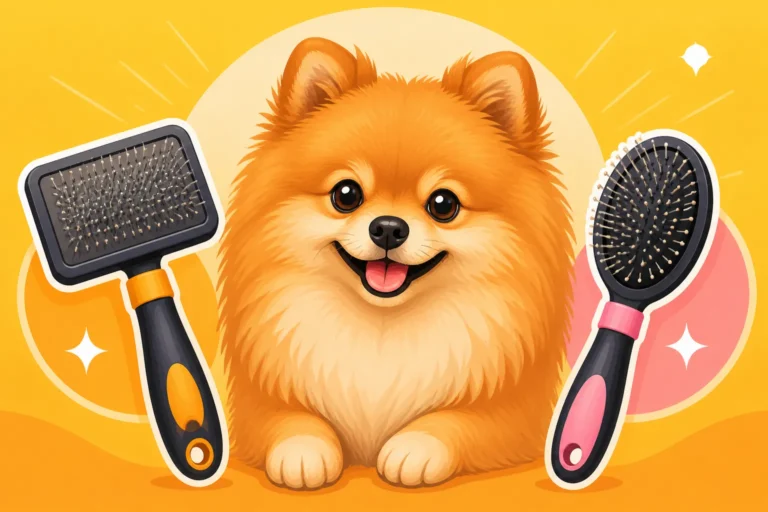
- Small Slicker Brush: While a regular slicker brush is great for the body, a mini slicker brush is perfect for gently brushing the hair around their cheeks and chin. It helps remove loose fur and prevents small mats from forming.
- Fine-Toothed Comb (Flea Comb): A fine-toothed metal comb, often sold as a flea comb, is incredibly useful for carefully detangling tiny knots near the eyes or mouth, and for removing dried debris. Its small teeth are excellent for precision work.
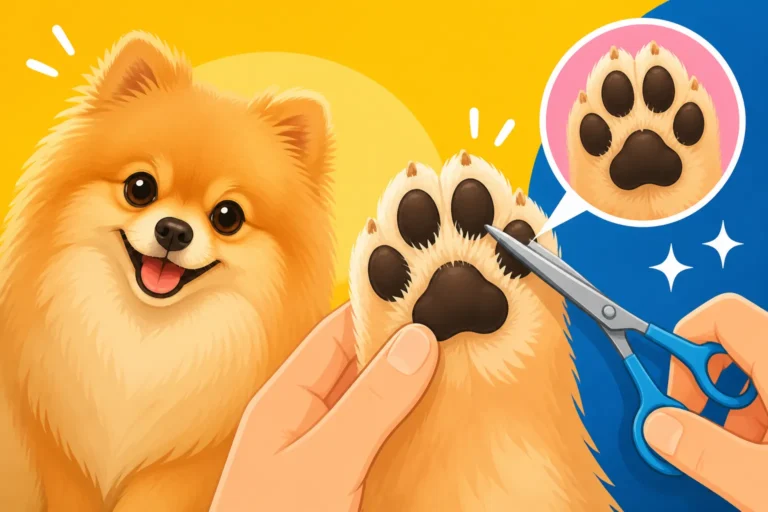
- Blunt-Tipped Grooming Scissors: This is perhaps the most crucial tool for trimming facial hair. The blunt tips are a non-negotiable safety feature, drastically reducing the risk of accidentally poking your Pomeranian's eyes or skin if they suddenly move. Look for small, sharp scissors specifically designed for pet grooming. Never use sharp-pointed household scissors for this task. I usually find a good selection of these on Chewy or Amazon.
- Styptic Powder (Optional but Recommended): Accidents happen, even with the best intentions and blunt scissors. Keeping styptic powder nearby can quickly stop bleeding from minor nicks, offering peace of mind.
Setting Up for Success: Other Necessities
A few other items can significantly improve your grooming experience.
- High-Value Treats: Positive reinforcement is your best friend! Have plenty of your Pomeranian's favorite tiny treats on hand to reward cooperation. This turns grooming into a positive experience rather than a dreaded chore.
- Good Lighting: Attempting to trim or clean your Pom's face in dim light is asking for trouble. Ensure you're in a well-lit area where you can clearly see every strand of hair and every delicate feature.
- A Comfortable, Secure Surface: Whether it's a non-slip mat on a table or your lap with a towel, make sure your Pomeranian is stable and comfortable. This minimizes wiggling and makes the task safer for both of you.
Step-by-Step Guide to Cleaning and Trimming Your Pomeranian's Face
Now that you've got your tools ready, let's get into the practical steps for keeping your Pomeranian's face impeccably clean and perfectly trimmed. Remember, patience and positive reinforcement are your secret weapons here. Take your time, offer praise, and make it a calm, bonding experience.
The Gentle Daily Cleaning Routine
Consistency is key when it comes to keeping your Pomeranian's face fresh and clean. Daily attention will prevent small issues from becoming larger, more stubborn problems.
- Start with the Eyes: This is often the area that needs the most frequent attention. Gently hold your Pomeranian's head steady with one hand, speaking in a soothing voice. Use a soft, damp cloth or a specialized eye wipe. Carefully wipe away any crust, sleep, or fresh tear stains from the corners of their eyes, moving away from the eye itself. For tougher, dried-on crusts, hold a warm, damp cloth against the area for a few seconds to soften it before gently wiping. Always use a fresh part of the cloth or a new wipe for each eye to prevent cross-contamination. Clearing the Corners of a Pomeranian's Eyes offers more specific tips on this.
- Move to the Mouth and Chin: After meals, especially if your Pom is a messy eater, check around their mouth and chin. Use another damp cloth or a facial wipe to remove any lingering food particles or drool. Pay attention to the hair right under their lower lip and along their jawline, as this is where food often accumulates and can quickly mat. If they've had wet food, a quick wipe down immediately after eating can save you a lot of trouble later.
- Address Tear Stains (If Present): If your Pomeranian has persistent tear stains, this is when you'd apply your chosen tear stain remover. Follow the product instructions carefully. Some are wipes, some are liquid solutions applied with a cotton pad, and others are powders. Be extremely careful not to get any product in their eyes. This will likely be a daily application for a few weeks to see noticeable improvement. For dietary approaches to tear stains, consider high-quality food options like those found on Ollie or Chewy, and ensure they are drinking filtered water.
Safe Trimming Techniques for a Pristine Look
Trimming your Pomeranian's facial hair requires a steady hand, good lighting, and the right safety tools. Remember to only use blunt-tipped grooming scissors.
- Positioning and Comfort: Find a comfortable spot where your Pomeranian feels secure and stable. Many owners prefer to hold their Pom in their lap, gently cradling them, or have them on a non-slip mat on a table. Keep your voice calm and offer reassurance.
- Around the Eyes: This is the most critical area. The goal is to keep hair from poking into their eyes and to maintain a clear field of vision.
- Bridge of the Nose: Gently part the hair on the bridge of their nose. Using your blunt-tipped scissors, very carefully trim any long hairs that are growing towards or into their eyes. Always point the scissors away from the eye, and only take tiny snips. It’s better to trim too little than too much.
- Outer Eye Corners: Some Poms have longer hairs at the outer corners of their eyes that can collect debris. Again, very cautiously, trim just the tips of these hairs to keep the area clean.
- Under the Eyes: If your Pom has significant tear staining and the hair is constantly wet, you might need to trim the hair directly under the eyes very short. This helps prevent moisture from wicking into the hair and exacerbating stains. However, be extremely gentle and precise, making tiny snips with the blunt tips pointing away from the eye.
- Around the Mouth and Chin: This area needs trimming to prevent food mats and to give a neat appearance.
- Mouth Corners: Gently lift your Pom's lip. Trim any straggly hairs around the corners of their mouth that tend to get wet or sticky.
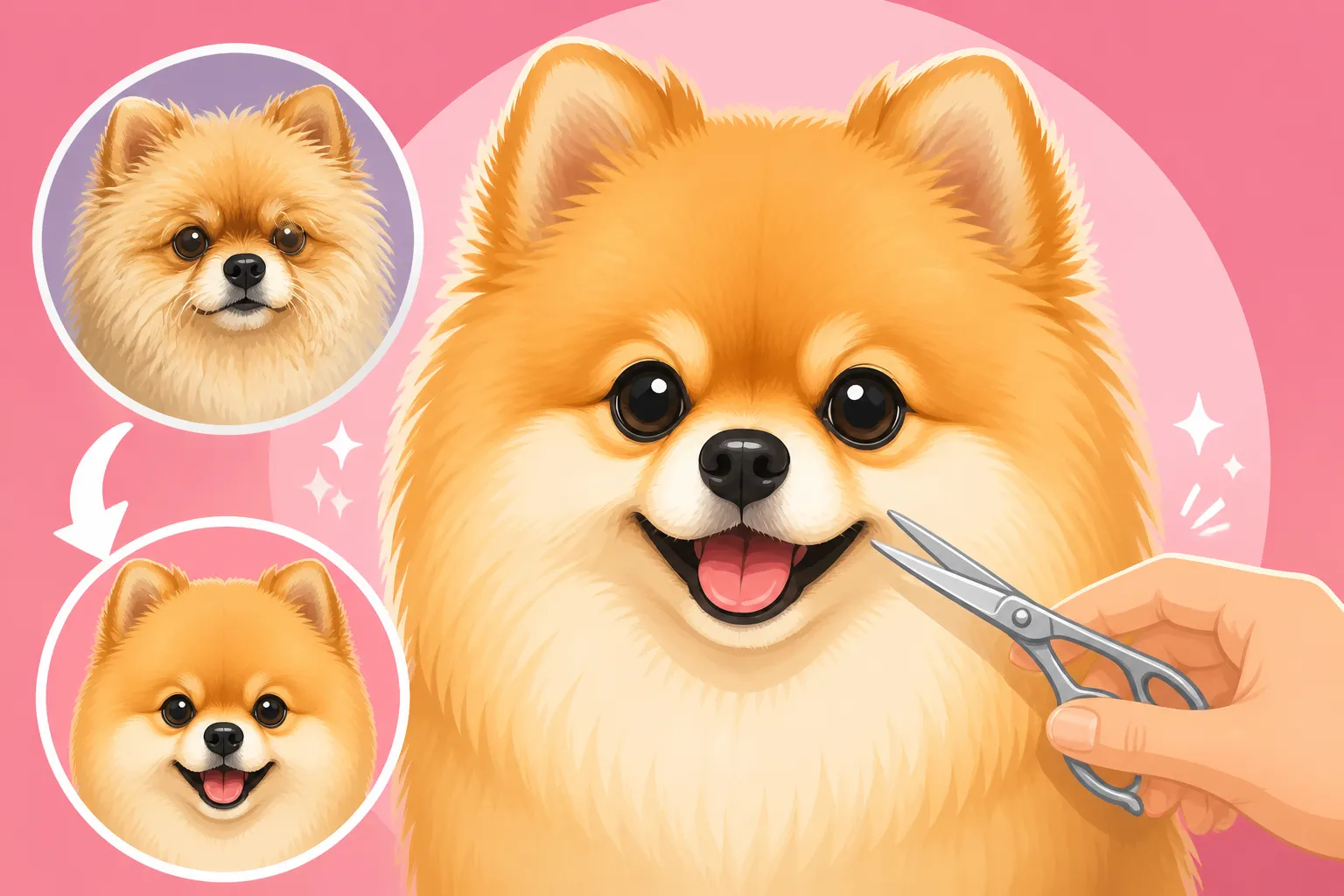
- Chin and Beard Area: For the signature fluffy look, you usually don't want to cut this too short. However, if hair is consistently matting with food or drool, or if it's becoming too long and unkempt, you can gently shape it. Use your fine-toothed comb to comb the hair downwards, and then carefully trim just the very tips to create a neat, rounded appearance.
- Rewarding Success: After each successful step, offer a small treat and lots of praise. This positive reinforcement is crucial for building a good association with grooming. If your Pom gets restless, take a short break and try again. Short, frequent sessions are far more effective than long, frustrating ones.
Finishing Touches and Regular Maintenance
Once you've done the main cleaning and trimming, a few finishing touches ensure a picture-perfect result.
- Final Brush Out: Use your small slicker brush or fine-toothed comb to gently brush out the entire facial area again. This helps fluff the fur and ensures you haven't missed any tangles.
- Check for Missed Spots: Look at their face from different angles. Are there any stray hairs poking out? Any missed food bits? A quick once-over will catch anything you overlooked.
- The Power of Praise: End every grooming session on a positive note. A happy, wagging tail means you’ve done a great job of making it a comfortable experience. This will make the next session much easier.
Remember, a The Checkup Schedule a Pomeranian Should Keep will include a vet checking these areas, but daily home care is vital between visits.
Addressing Common Face Care Challenges
Even with the best intentions and tools, keeping a Pomeranian's face tidy can present its unique set of challenges. It's totally normal to encounter a few hurdles, but with the right approach, most can be overcome.
Stubborn Tear Stains and Discoloration
Tear stains are arguably one of the most frustrating facial grooming challenges for many Pomeranian owners. That reddish-brown discoloration can seem impossible to get rid of, and it often feels like it appears overnight.
- Understanding the Cause: It's important to understand that tear stains aren't just dirt; they're often caused by porphyrins, iron-containing molecules excreted in tears, saliva, and urine. When these come into contact with light and air, they oxidize and create that tell-tale reddish-brown color. Factors contributing to excessive tearing include genetics (some Poms just tear more), allergies, diet, water quality, blocked tear ducts (Tear Duct Blockage in a Pomeranian), or even mild eye irritation from hair. Sometimes, the issue is simply that the eye itself is producing more tears than the drainage system can handle. You can delve deeper into Whether a Pomeranian Gets Tear Stains for more info.
- Consistent Cleaning is Paramount: As mentioned, daily wiping with warm water or a dog-specific eye wipe is your first line of defense. This removes the porphyrins before they have a chance to oxidize and stain the fur.
- Dietary Adjustments: Believe it or not, what your Pomeranian eats and drinks can impact tear staining.
- Filtered Water: Some tap water contains minerals that can exacerbate staining. Switching to filtered or distilled water can sometimes make a difference.
- High-Quality Food: Ensure your Pom is on a high-quality, balanced diet. Sometimes, food allergies or sensitivities can lead to increased tearing. Consulting with your vet or a pet nutritionist about potential food changes (perhaps trying a novel protein source or a limited ingredient diet) might be beneficial. Brands like Ollie, known for fresh, human-grade ingredients, might be a consideration, or you can find many premium small-breed kibbles on Chewy and Amazon.
- Supplements: Certain supplements, like those containing specific probiotics or antioxidants, are marketed to help reduce tear staining from the inside out. Always discuss any supplements with your vet before introducing them to your Pomeranian's routine.
- Addressing Underlying Health Issues: If tear staining is severe, suddenly appears, or is accompanied by other symptoms like redness, swelling, or excessive rubbing, it’s crucial to consult your veterinarian. They can rule out medical conditions like eye infections, allergies, or blocked tear ducts that may require specific treatment. Sometimes, tiny extra eyelashes (The Extra Eyelashes That Rub a Pomeranian's Eye) can cause irritation and excess tearing.
Food and Drool Management Around the Mouth
Pomeranians love their food, and sometimes that love manifests as a messy face. Keeping the hair around their mouth clean can feel like a losing battle, especially with wet food or a enthusiastic lapper.
- Immediate Post-Meal Clean-up: This is the easiest and most effective strategy. As soon as your Pomeranian finishes eating, gently wipe their mouth, chin, and any damp fur with a warm, damp cloth or a facial wipe. This prevents food from drying and hardening into stubborn mats.
- Consider Food Consistency: If you feed wet food, consider how sticky it is. You might explore a slightly different texture or even try breaking up larger chunks to make it easier for them to eat cleanly. For dry kibble, ensure the pieces are appropriately sized for their small mouth; sometimes very small kibble can be less messy than large, crumbly pieces. You want food that is Kibble Small Enough for a Pomeranian.
- "Beard Bibs" and Snoods: For particularly messy eaters, a snood or "beard bib" worn during meal times can act as a barrier, protecting the facial hair from getting soaked or caked with food. These are often made of lightweight, breathable fabric and can be easily washed.
- Regular Trimming: Keeping the hair around the immediate perimeter of their mouth slightly shorter can also help, as there's less fur to trap food. This doesn't mean sacrificing their adorable fluffy look, just a practical trim in the problem area.
The Wiggler: Getting a Restless Pomeranian to Cooperate
Let's face it, not every Pomeranian is a calm, compliant statue during grooming. Many are wiggly, sensitive, and would rather be playing. Dealing with a restless Pom requires a thoughtful, patient approach.
- Start Early, Start Small: If you have a puppy, begin handling their face, ears, and paws from a very young age. Even if it's just for a few seconds, make it a positive experience with treats and praise. This desensitization is invaluable. For an adult dog, it's never too late to start, but be prepared for it to take more time. The Week a Pomeranian Puppy Can Start Learning is a good time to begin.
- Short, Frequent Sessions: Don't try to do an entire facial grooming session all at once if your Pom is struggling. Break it down into tiny steps:
- Day 1: Just touch their face and give a treat.
- Day 2: Wipe an eye, then treat.
- Day 3: Wipe the other eye, then treat.
- Day 4: Gently hold the blunt scissors near their face, then treat (without even trimming).
- Gradually build up the duration and complexity of the task.
- Positive Reinforcement is Everything: Every time your Pomeranian tolerates a step, no matter how small, reward them immediately with a high-value treat and enthusiastic praise. You want them to associate grooming with good things. The Reward a Pomeranian Actually Cares About might surprise you – some Poms love a tiny piece of cheese, others a specific squeaky toy.
- Calm Environment: Choose a quiet time and place where there are no distractions or loud noises. A relaxed atmosphere will help keep your Pom calm.
- Professional Help: If you're truly struggling or if your Pomeranian becomes aggressive during grooming, consider enlisting the help of a professional groomer or a certified positive reinforcement dog trainer. They can offer guidance, demonstrate proper techniques, or even handle the grooming for you while working on desensitization. A professional groomer might be able to show you how to safely trim a particularly difficult area, or suggest strategies for A Pomeranian That Bites the Groomer.
By addressing these common challenges with patience and the right techniques, you can ensure your Pomeranian's face remains as bright and charming as their personality.
| Facial Grooming Task | Recommended Tools | Frequency | Key Considerations |
|---|---|---|---|
| Eye Cleaning | Soft damp cloths, dog facial wipes, saline solution | Daily | Use separate cloths for each eye; gently wipe away from the eye; soften crusts. |
| Mouth/Chin Cleaning | Soft damp cloths, dog facial wipes | After meals | Crucial for wet food eaters; prevents food mats and odor. |
| Tear Stain Treatment | Tear stain remover (wipes, liquid, powder), cotton pads | Daily (if needed) | Choose vet-approved products; be careful not to get in eyes; consistency is vital. |
| Eye Area Trimming | Blunt-tipped grooming scissors, fine-toothed comb | As needed (1-2x/month) | Always point scissors away from eyes; tiny snips; keep hair clear of vision. |
| Mouth/Chin Trimming | Blunt-tipped grooming scissors, fine-toothed comb | As needed (1x/month) | Shape for neatness and hygiene; prevent food traps; maintain fluffy look. |
| Overall Facial Brushing | Small slicker brush, fine-toothed comb | Daily | Removes loose hair, prevents small tangles, stimulates skin. |
Disclaimer
This article is for general informational purposes only and does not constitute professional advice. Laws, prices and regulations vary by location and change over time. Consult a qualified professional for guidance on your specific situation.