Whether a Pomeranian’s Ears Should Be Trimmed
It's so easy to get wrapped up in how we think a Pomeranian's coat should look, especially around those adorable little ears. Many new Pomeranian parents, and even some seasoned ones, wonder if they should be trimming the hair around their pup's ears to keep them tidy or perhaps to achieve that popular "teddy bear" look. But making a decision like that without understanding your Pom's unique double coat can lead to irreversible consequences. This guide is here to cut through the confusion, explaining exactly what you should and shouldn't do with your Pomeranian's ear hair, how to maintain it safely, and when a professional's touch is truly needed.
The Unique Structure of a Pomeranian's Ears and Coat
Pomeranians aren't just any fluffy dog; they're a double-coated breed, and that means their fur, especially around their ears, is designed for a specific purpose. Understanding this unique coat is the first step in knowing how to care for it properly.
Understanding the Double Coat Around the Ears
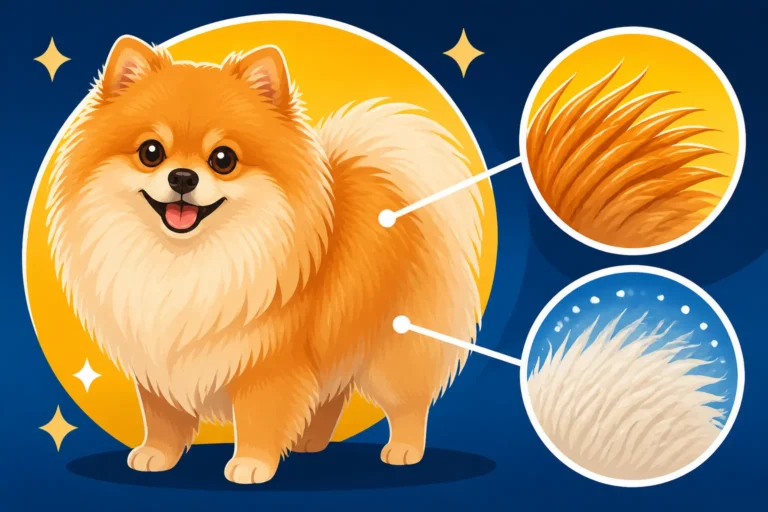
Imagine your Pomeranian's coat like a luxurious winter jacket. It has two distinct layers: the longer, coarser guard hairs on the outside, which give the coat its structure, color, and protection, and the incredibly dense, soft undercoat beneath, which provides insulation against both heat and cold. Around the ears, this coat structure is just as intricate. The guard hairs create a beautiful, natural fringe, often called "ear feathering," that frames their little pointed ears, while the undercoat keeps them warm and protected.
This natural growth isn't just for looks; it’s a protective barrier. It helps shield the delicate skin of the ears from environmental elements like harsh sun, wind, debris, and even insect bites. When you consider trimming or cutting this hair, you're not just styling; you're potentially compromising a natural defense mechanism. Think of it like deciding to thin out a lush, protective hedge – it might look tidier, but it becomes less effective at its job. The way the hair naturally lays also directs air circulation around the ear canal, which is crucial for preventing moisture buildup and subsequent ear infections.
Why Some Owners Consider Trimming
It's completely understandable why some Pomeranian owners contemplate trimming their dog's ear hair. The desire often stems from a few common places, and it's important to acknowledge those motivations.
Firstly, aesthetics play a huge role. We all want our Poms to look their best, and sometimes, those little ear tufts can seem a bit wild or unruly. Many owners might be aiming for a "cleaner" look, a more rounded silhouette, or a specific style like the "teddy bear" trim, which often involves shortening the hair all over. They might see photos of other dogs, sometimes even mixed breeds or Poms with different grooming styles, and want to replicate that neatness on their own pup. It's a natural inclination to want a polished appearance. For more on specific trims, you might be interested in What a Teddy Bear Trim Takes Off a Pomeranian.
Secondly, hygiene can be a concern. Owners might worry that longer ear hair traps dirt, debris, or moisture, leading to mats or even infections. While it's true that any hair, if neglected, can get matted, simply trimming it isn't always the solution and can sometimes create new problems. The longer hair around the ears can be a magnet for burrs, food particles, or anything sticky, especially if your Pom is adventurous or a messy eater. A good The Grooming Schedule a Pomeranian Runs On is far more effective than a chop.
Lastly, there's a good deal of misinformation out there, or advice geared towards other breeds. Some breeds benefit from ear plucking or trimming to prevent infections, but a Pomeranian's ear canal is quite different. What's good for one breed can be detrimental to another. It’s easy to get confused when browsing general grooming tips online, and that’s why it's so important to seek out breed-specific guidance.
The Risks and Rewards of Trimming Pomeranian Ear Hair
Before you pick up those scissors or clippers, it's crucial to understand that trimming a Pomeranian's ear hair isn't a simple snip. There are significant risks involved that can impact their coat, skin, and overall well-being.
Potential Downsides of Trimming
The biggest concern when trimming a Pomeranian's double coat, especially around delicate areas like the ears, is the risk of damaging the coat itself. We call this "coat blow" or "shave shock," and it's a very real phenomenon for double-coated breeds. When you cut the guard hairs short, you can disrupt the natural growth cycle. The undercoat, which grows faster and is softer, can then start to overtake the guard hairs, leading to a coat that is patchy, cottony, dull, and may never grow back to its original glory. Whether a Pomeranian's Coat Grows Back After Alopecia X discusses a similar issue with coat regrowth.
Beyond aesthetics, this coat damage has practical implications. The coat provides insulation; without it, your Pomeranian can struggle to regulate its body temperature, becoming too hot in summer (as the undercoat traps air, acting as a cooling system) and too cold in winter. This protective hair also acts as a natural sunscreen. Removing it exposes the sensitive skin on and around the ears to direct sunlight, making your Pom susceptible to sunburn, which can be painful and lead to more serious skin issues over time.
Then there's the structural change. The Pomeranian's signature stand-off coat relies on those guard hairs. Trimming them can cause the coat to lie flat, losing that characteristic fluffiness we all adore. And let's not forget the immediate danger: the delicate skin on a Pomeranian's ears is thin and easily nicked or cut, especially with sharp grooming tools. A nervous or wiggly dog makes this task even riskier, potentially leading to painful injuries and costly vet visits.
When a Trim Might Be Considered (and by whom)
While extensive trimming or shaving of a Pomeranian's ear hair is generally ill-advised, there are rare circumstances where a very minor tidy-up might be considered, or where professional intervention is necessary. These instances are almost always for practical reasons rather than purely aesthetic ones.
One such situation is severe matting that simply cannot be brushed out without causing pain or damage to the skin. Mats behind the ears are common because of friction from collars, harnesses, or even just scratching. If a mat has become so tight and close to the skin that it's pulling and causing discomfort, a professional groomer may carefully snip it out. This is a very targeted intervention, not a general trim of all the ear hair. For tips on dealing with mats, check out Working Through a Mat Behind a Pomeranian's Ear.
Veterinary necessity is another key exception. If your Pomeranian has an ear infection, severe allergies causing inflammation, or a foreign object lodged deep in the ear, your veterinarian might need to trim or shave a small area around the ear canal to facilitate examination, apply medicated drops or ointments, or even perform a procedure. In these cases, it's about health, and the vet will prioritize that over coat aesthetics. This is always done by a medical professional, not at home. You can learn more about general vet exam calmness in Getting a Pomeranian Through an Exam Calmly.
Finally, some highly experienced professional groomers, who truly understand the Pomeranian coat, might offer a very minor tidy-up of stray hairs to create a neat, rounded edge, particularly if you're aiming for a show ring-ready appearance or a specific, well-maintained pet trim. This is typically done with thinning shears or specialized scissors, not clippers, and involves removing only the absolute minimum to create a clean line, without cutting into the main body of the ear feathering or the protective undercoat. It's about neatening, not shortening significantly. It's crucial to communicate clearly with your groomer about your expectations and their understanding of double-coated breeds. Ask them specifically about Trims a Pomeranian Can Safely Have and explicitly tell them Whether a Pomeranian Should Ever Be Clipped Short if you have concerns.
Best Practices for Pomeranian Ear Care Without Extensive Trimming
Instead of reaching for clippers, focusing on consistent and correct grooming practices is the best way to keep your Pomeranian's ears looking beautiful and staying healthy. Prevention and gentle maintenance are key!
Regular Brushing and Dematting
The vast majority of "unruly" ear hair issues can be solved with regular, consistent brushing. Your Pomeranian's ears, like the rest of their body, need attention several times a week, if not daily, especially if they have a very full coat. This isn't just about making them look good; it's vital for preventing painful mats and tangles that can otherwise trap moisture or debris.
When brushing around the ears, be incredibly gentle. The skin here is very thin and sensitive. Use a small slicker brush for detangling and a metal greyhound comb to ensure you've worked through the coat all the way to the skin. Always work in small sections, holding the hair closer to the skin to minimize pulling. If you encounter a small tangle, don't yank it. Instead, gently pick it apart with your fingers or the wide-toothed end of your comb, using a detangling spray if necessary. You can often find excellent detangling sprays and brushes on Chewy or Amazon, specifically designed for sensitive skin and double coats. Remember, patience is your best friend here. For more comprehensive brushing techniques, see Working a Pomeranian's Coat in Sections to the Skin and How Many Times a Week a Pomeranian Is Brushed.
Maintaining Ear Hygiene
Beyond brushing the fur, maintaining the cleanliness of the inner ear is paramount for your Pomeranian's health. Their small, upright ears are usually pretty good at air circulation, but they still need regular checks.
At least once a week, gently lift your Pomeranian's ear flap and inspect the visible part of the ear canal. Look for any redness, swelling, unusual odors, or discharge (like dark waxy buildup or pus). A small amount of light brown wax is normal, but anything excessive or foul-smelling needs attention. You can gently wipe the outer folds of the ear with a soft cotton ball or gauze dampened with a vet-approved ear cleaning solution. Never use cotton swabs inside the ear canal, as this can push debris further in and potentially damage the eardrum.
If you're unsure about the right ear cleaning product, ask your vet for a recommendation. They can guide you towards solutions that are safe and effective for your specific dog. Proactive hygiene can head off many potential problems. For detailed guidance on this, read Cleaning a Pomeranian's Small Ears.
The Role of a Professional Groomer
While home care is essential, a professional groomer who specializes in double-coated breeds can be an invaluable partner in maintaining your Pomeranian's coat and ear health. They have the expertise, specialized tools, and often a calm demeanor that can make grooming a less stressful experience for your dog.
When discussing ear care with your groomer, be very clear about your preferences. Emphasize that you prefer minimal trimming, if any, around the ears, and that you are concerned about maintaining the integrity of the double coat. A good groomer will understand "no shave shock" and will work with you. They can perform sanitary trims around the base of the ear to prevent matting and ensure good airflow, or a tiny tidy-up of stray flyaway hairs with thinning shears if you desire a very neat look, but they should never suggest shaving or extensively clipping the ear fringe unless there's a medical reason advised by a vet.
Don't be afraid to ask questions about their experience with Pomeranians and double coats. A groomer's fee for a Pomeranian can vary, but it's an investment in their health and appearance. Expect to pay a fair price for quality care. The average grooming appointment can run quite a bit, so understanding The 60 to 90 Dollar Pomeranian Grooming Appointment helps in budgeting for professional help. If you have any doubts, trust your gut and seek out another groomer.
Recognizing and Addressing Ear Health Issues
Even with the best preventative care, ear problems can sometimes sneak up on our furry friends. Knowing what to look for and when to act is crucial for your Pomeranian's comfort and health.
Common Ear Problems in Pomeranians
Pomeranians, like all dogs, can be susceptible to a range of ear issues. While their upright ears typically allow for better air circulation compared to floppy-eared breeds, they're not immune.
One of the most frequent culprits is ear infections, which can be caused by bacteria, yeast, or a combination of both. These often flare up when moisture gets trapped in the ear, creating a warm, damp environment perfect for microbial growth. Allergies, whether environmental or food-related, can also manifest as itchy, inflamed ears, making your Pom scratch excessively and creating an entry point for infection.
Ear mites are tiny parasites that can cause intense itching, leading to dark, crumbly discharge that often resembles coffee grounds. These are highly contagious among pets. Less commonly, foreign objects like grass awns, seeds, or even tiny insects can work their way into the ear canal, causing irritation, pain, and potentially leading to infection if not removed promptly. It's a scary thought to imagine something burrowed in there, causing discomfort.
When to Seek Veterinary Attention
The moment you notice anything out of the ordinary with your Pomeranian's ears, it's time to call your veterinarian. Don't wait, hoping it will resolve on its own, especially with delicate areas like the ears. Early intervention can prevent minor issues from becoming painful, chronic, and more difficult to treat.
Here are some tell-tale signs that warrant a trip to the vet:
- Excessive scratching or rubbing: If your Pom is constantly pawing at their ears or rubbing their head against furniture or the floor.
- Head shaking: Frequent or violent shaking of the head can indicate discomfort or pain in the ears.
- Odor: A foul or yeasty smell emanating from the ears is a strong indicator of infection.
- Redness or swelling: Inflamed skin inside the ear flap or around the ear canal.
- Discharge: Any unusual discharge, whether it's yellow, green, black, or excessive brown wax.
- Sensitivity or pain: If your Pomeranian yelps or pulls away when you touch their ears.
- Balance issues or disorientation: In severe cases of inner ear infection, a dog might have trouble with balance.
Your vet will be able to properly examine the ear canal using an otoscope, collect samples for analysis if needed, and prescribe the appropriate medication, whether it's antibiotics, antifungals, anti-inflammatory drugs, or parasite treatments. They might also advise on specific cleaning protocols or even dietary changes if allergies are suspected. Remember, your vet is your best resource for keeping your Pomeranian healthy and happy.
Table: Trimming Pomeranian Ear Hair – Do's and Don'ts
Knowing what to do, and what not to do, can make all the difference when it comes to caring for your Pomeranian's ears. This quick guide summarizes the essential points.
| Aspect | DO (Best Practices) | DON'T (Risks to Avoid) |
|---|---|---|
| Grooming Tools | Use a small slicker brush and a metal comb. | Use clippers or blunt scissors for general trimming around the ears. |
| Frequency | Brush around the ears daily or several times a week. | Trim or shave ear hair regularly as a standard grooming practice. |
| Ear Cleaning | Inspect ears weekly; use vet-approved solution for outer ear cleaning. | Insert cotton swabs into the ear canal; use harsh chemicals or alcohol. |
| Matting | Gently tease out small mats with fingers or comb; use detangling spray. | Cut out mats with scissors close to the skin without proper technique. |
| Professional Help | Consult a groomer experienced with double coats for sanitary trims/tidy-ups. | Allow any groomer to shave or extensively trim ear hair without clear instruction. |
| Coat Health | Prioritize maintaining the natural double coat for protection and insulation. | Risk "shave shock," coat damage, or exposing sensitive skin to the elements. |
| Veterinary Care | Seek vet advice immediately for any signs of ear infection or irritation. | Self-diagnose or attempt to treat ear infections at home without professional guidance. |
Disclaimer
This article is for general informational purposes only and does not constitute professional advice. Laws, prices and regulations vary by location and change over time. Consult a qualified professional for guidance on your specific situation.