Tear Duct Blockage in a Pomeranian
If you're a Pomeranian parent, you've likely noticed those tell-tale reddish-brown streaks under their bright, curious eyes, or perhaps even seen their little faces wet with tears. It’s frustrating to see your beloved Pom constantly teary-eyed, or to spend endless hours cleaning up those unsightly stains, wondering if it's just a cosmetic issue or something more serious. This comprehensive guide will walk you through everything you need to know about tear duct blockage in Pomeranians, from its causes and symptoms to diagnosis and effective treatment options, helping you understand this common, often perplexing, issue.
Understanding Pomeranian Tear Ducts and Why They Block
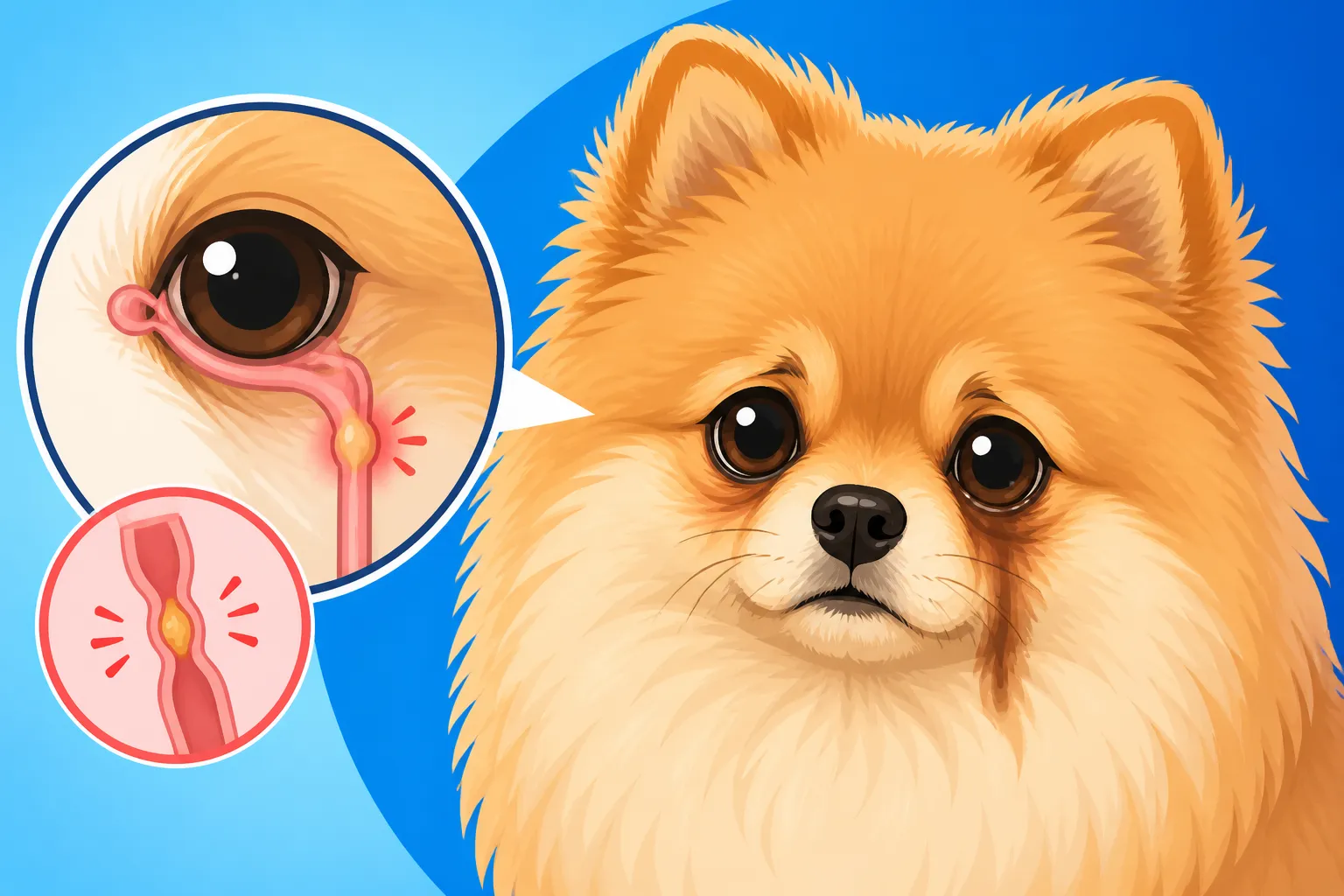
The lacrimal system, which includes the tear ducts, is responsible for producing and draining tears. Tears are essential for keeping your Pomeranian's eyes moist, healthy, and free from debris. Normally, tears are produced by glands, wash across the eye, and then drain through two small openings (puncta) located in the corners of the eyelids, near the nose. These puncta lead into tiny canals which merge to form the nasolacrimal duct, eventually draining into the nasal cavity or throat. When this delicate system gets clogged or malfunctions, it results in tears overflowing onto the face – a condition known as epiphora.
Pomeranians, with their adorable, compact facial structure, are particularly prone to tear duct issues. Their small heads and often shallow eye sockets can create anatomical challenges for proper tear drainage. Think of it like a small sink with an even smaller, easily clogged drain. Sometimes, the puncta themselves are too small, or even absent from birth (a condition called micropuncta or imperforate puncta). Other times, the duct itself might be narrowed or kinked, especially where it passes through the bone of the skull. This isn't just a Pomeranian problem; many brachycephalic (short-nosed) breeds face similar challenges due to their unique skull shapes.
Beyond these structural predispositions, inflammation can also play a huge role. If your Pom has allergies, an eye infection, or even chronic irritation from something like ingrown eyelashes, the delicate tissues lining the tear ducts can swell. This swelling effectively closes off the drainage pathway, even if it was perfectly normal before. It’s a bit like having a cold and your nose getting stuffy – the passages narrow, and things just don't drain as they should. Over time, even minor, recurring inflammation can lead to scar tissue forming, creating a more permanent blockage that requires veterinary intervention. It's really important to address any underlying issues that might be contributing to this inflammation to prevent long-term damage.
Recognizing the Red Flags: Symptoms of Blocked Tear Ducts
The most obvious sign of tear duct blockage in a Pomeranian is excessive tearing, or epiphora. You'll likely notice persistently wet fur around their eyes, sometimes even extending down their cheeks. This isn't just a few stray tears; it's a constant dampness that can be a real nuisance for both you and your little friend. This constant moisture creates a perfect breeding ground for yeast and bacteria, leading to the infamous reddish-brown or rust-colored stains that many Pomeranian owners struggle with. The proteins and porphyrins (iron-containing molecules) in the tears react with light and bacteria, causing that distinctive discoloration. If you've ever felt like you're constantly wiping your Pom's face, only for the stains to reappear almost immediately, you're not alone in that frustration.
Beyond the cosmetic annoyance, a blocked tear duct can cause genuine discomfort for your Pomeranian. The constant moisture can irritate the skin, leading to dermatitis or a secondary infection. You might notice redness, inflammation, or even a yeasty smell coming from the stained areas. Your Pom might rub or paw at their face more often, squint, or show signs of sensitivity to light. If the blockage leads to stagnant tears, it can also predispose the eye to actual infections, resulting in a yellowish or greenish discharge, rather than just clear tears. This discharge isn't just messy; it indicates a bacterial issue that needs prompt veterinary attention.
It’s crucial not to confuse simple tear staining with a truly problematic tear duct blockage, though they often go hand-in-hand. While some Pomeranians might just have naturally heavy tearing or slight staining without a full blockage, any sudden increase in tearing, changes in tear color or consistency, or signs of discomfort should prompt a visit to your vet. Don't simply dismiss it as "just how Poms are." Conditions like The Extra Eyelashes That Rub a Pomeranian's Eye or even foreign bodies can cause similar symptoms, making a proper diagnosis essential. Persistent wetness can lead to skin breakdown, hot spots, and chronic issues that are far more difficult to resolve down the line.
Getting to the Root: Diagnosing Tear Duct Blockage
When you bring your Pomeranian to the vet with concerns about teary eyes or staining, the diagnostic process usually begins with a thorough eye examination. Your vet will look closely at your Pom's eyelids, eyelashes, and the surface of the eye for any obvious abnormalities, irritations, or foreign bodies. They'll check the puncta, the tiny openings of the tear ducts, to ensure they are present and appear open. This initial visual inspection helps rule out other common causes of epiphora, such as allergies, corneal ulcers, or even The Eye Problems a Pomeranian Carries like entropion (inward-rolling eyelids).
The most common diagnostic test for tear duct patency (meaning they are open) is the fluorescein dye test, also known as a Jones test. Your vet will place a drop of special, non-toxic green dye into your Pomeranian's eye. Normally, this dye should drain through the tear ducts and appear at the nostrils or in the back of the throat within a few minutes (your vet might even swab your Pom's nose or mouth to check for it). If the dye doesn't appear, or takes an unusually long time, it strongly suggests a blockage or significant narrowing within the nasolacrimal system. This simple, non-invasive test is often the first step in confirming a blockage.
If the dye test indicates a blockage, your vet might recommend a nasolacrimal flush. This procedure involves gently inserting a tiny catheter into the puncta and flushing a sterile saline solution through the tear duct system. The goal is to clear any debris, mucus plugs, or even minor scar tissue that might be causing the obstruction. This is often done under light sedation, especially for active Pomeranians, to ensure the procedure is comfortable and effective. Flushing can sometimes resolve the issue immediately, but it also serves as a diagnostic tool, helping the vet pinpoint where the blockage might be. If the flush fails to clear the duct or reveals a structural anomaly, your vet might discuss more advanced imaging or surgical options. Sometimes, the issue can even be related to dental problems, given the proximity of the structures, so a thorough check of your Pomeranian's mouth and teeth, including discussion of Daily Tooth Care in a Pomeranian's Crowded Mouth, might also be part of the overall assessment.
Navigating Treatment and Long-Term Care
Once a tear duct blockage is diagnosed, the treatment approach depends heavily on the underlying cause and severity. For minor blockages or those caused by inflammation, conservative management is often the first line of defense. This includes regular cleaning of the tear-stained areas with a veterinary-approved eye cleanser to prevent skin irritation and secondary infections. Your vet might also prescribe topical antibiotic or anti-inflammatory eye drops to reduce inflammation or clear up any bacterial infections that have developed. Consistency is key here; diligent home care can make a significant difference in your Pomeranian's comfort and appearance. Many owners find relief by regularly using specific wipes or solutions designed to break down tear stains, often recommended by their veterinarian.
If conservative methods aren't enough, or if the initial nasolacrimal flush didn't fully clear the blockage, more direct intervention might be necessary. Repeated flushing under sedation can sometimes be effective, especially if the blockage is due to persistent debris or mucus. However, if there's a permanent structural issue, like congenitally small puncta or a severe narrowing of the duct that can't be cleared, surgical options may be discussed. One common surgical procedure is called dacryocystorhinostomy (DCR), which involves creating a new drainage pathway for the tears directly into the nasal cavity. This is a more involved procedure and your vet will discuss the risks and benefits, especially considering things like Anesthesia Risk in a Four Pound Pomeranian for such a small breed.
Ongoing management is crucial, even after successful treatment. For Pomeranians with a genetic predisposition to tear duct issues, regular cleaning and vigilant monitoring for signs of recurrence are essential. Maintaining excellent overall eye hygiene, gently wiping away debris, and ensuring their facial fur doesn't constantly wick tears back into the eyes can help. If your Pomeranian's issues are recurring, discussing long-term prevention strategies with your vet is important. For instance, if allergies are a contributing factor, managing those can indirectly help keep the tear ducts clear. Remember, veterinary care, especially for chronic or surgical conditions, can add up, so having a pet insurance plan like Healthy Paws can provide peace of mind by helping cover a significant portion of these expenses, from diagnostic tests to potential surgeries. Knowing you have that support allows you to make the best health decisions for your furry family member without undue financial stress. Regularly checking your pet insurance policy from providers like Healthy Paws to understand what's covered for chronic conditions and potential surgical interventions is always a smart move.
Comparing Treatment Options for Tear Duct Blockage
Choosing the right treatment path for your Pomeranian's tear duct blockage involves considering various factors, from the specific cause to your dog's overall health and your comfort level with different procedures. It's not a one-size-fits-all situation, and your veterinarian will be your best guide in navigating these choices.
| Treatment Option | Description | Pros | Cons |
|---|---|---|---|
| Home Care (Cleaning/Wipes) | Daily gentle cleaning of tear-stained areas with veterinary-approved solutions or warm water. Focus on removing crusts and preventing moisture buildup. | Non-invasive, low cost, easy to do at home. Helps prevent secondary infections and skin irritation, improves cosmetic appearance. | Does not resolve the underlying blockage, only manages the symptoms. Requires consistent effort. Not effective for severe blockages or infections. |
| Topical Medications | Eye drops or ointments (antibiotic, anti-inflammatory) prescribed by a vet to address secondary infections, reduce inflammation, or alleviate irritation. | Non-invasive, can be highly effective for treating underlying infections or inflammation that contributes to blockage. Relatively low risk. | Requires consistent administration. May only address secondary issues, not the primary blockage. Some Poms resist eye drops. Must be prescribed by a vet. |
| Nasolacrimal Flush | A veterinary procedure involving flushing sterile saline through the tear ducts to clear debris, mucus, or minor obstructions. Often performed under light sedation. | Directly addresses the blockage. Can be curative for many cases, especially those involving mucus plugs or minor debris. Less invasive than surgery. Often done in conjunction with diagnosis. | Requires sedation, which always carries some degree of risk, especially for small dogs. May need to be repeated if blockage recurs. Not effective for severe structural abnormalities or scar tissue. Can be an unexpected expense if not budgeted for or covered by insurance like Healthy Paws. |
| Surgical Correction (DCR) | Dacryocystorhinostomy (DCR) involves creating a new drainage pathway from the lacrimal sac directly into the nasal cavity. Other surgeries might involve enlarging puncta (punctoplasty). | Can provide a permanent solution for severe structural blockages or malformations that other treatments cannot address. Significantly improves quality of life by preventing chronic tearing and associated problems. | More invasive, requires general anesthesia with the associated risks. Higher cost. Longer recovery time. Not always 100% successful, and some Poms may still experience occasional tearing. As with any major vet expense, having robust coverage from a provider like Healthy Paws can make this option more accessible and less financially daunting. |
When considering options, don't hesitate to ask your vet for a detailed breakdown of estimated costs. This is where pet insurance can really shine. Many owners find that a policy from Healthy Paws can significantly reduce the out-of-pocket expenses for diagnostics, medications, and even major surgeries related to conditions like tear duct blockages. It's worth researching and discussing your pet insurance options to ensure you're prepared for whatever healthcare needs your beloved Pomeranian may have, from routine visits to unexpected surgical procedures.
Disclaimer
This article is intended for informational purposes only and does not constitute medical advice. Always consult with a qualified veterinarian for any health concerns or before making any decisions about your Pomeranian's health or treatment plan.