A Pomeranian That Bites the Groomer
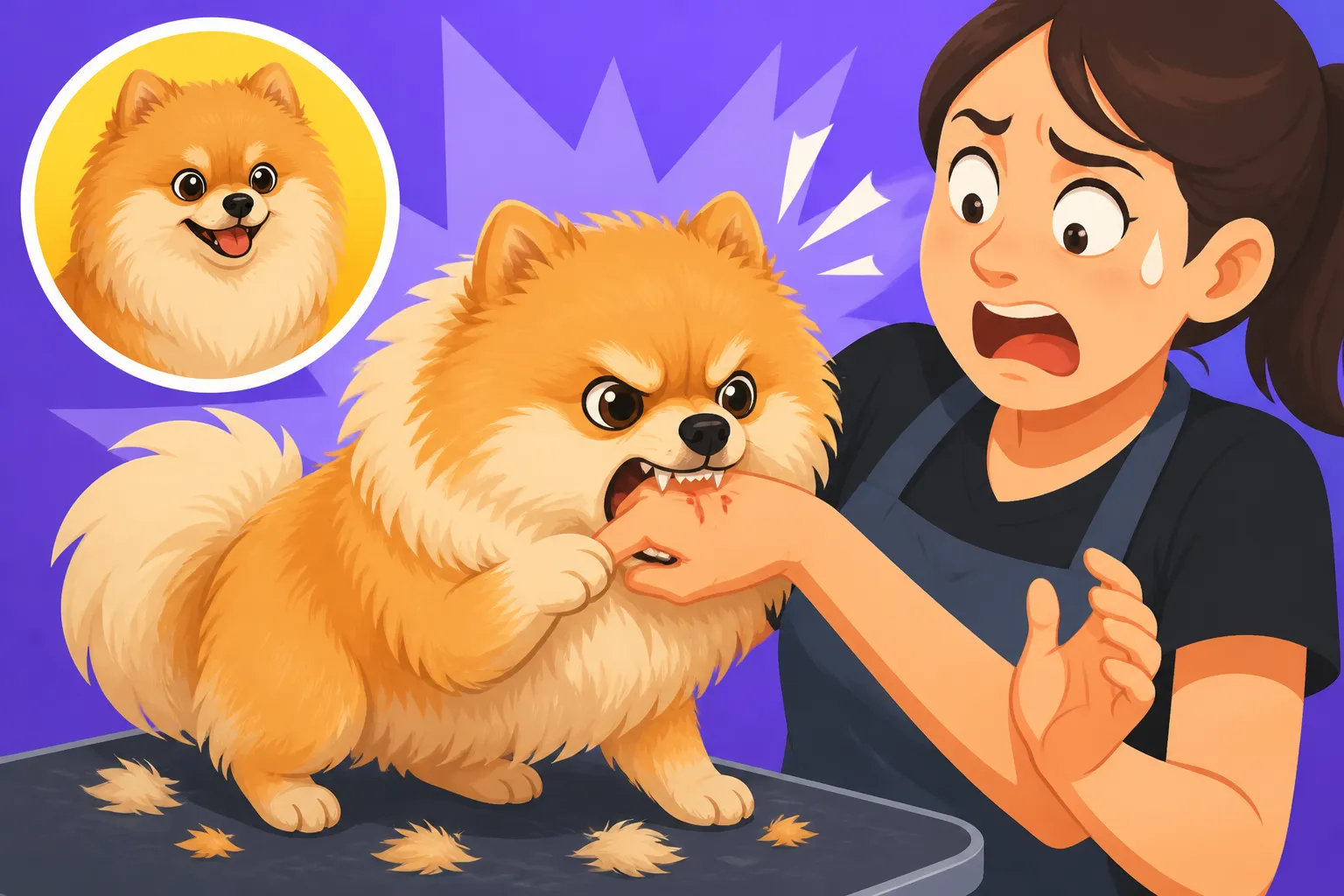
It's incredibly frustrating, and often embarrassing, when your sweet, loving Pomeranian suddenly turns into a snarling, snapping terror at the groomer's. You love your little fluffball, and the last thing you want is for them to be a difficult client, making the groomer's job harder or, worse, putting them at risk. This guide is here to help you understand why your Pomeranian might be lashing out during grooming, recognize the subtle warning signs, and implement strategies to turn those stressful appointments into much calmer, even enjoyable, experiences for everyone involved.
Understanding Why Your Pomeranian Bites the Groomer
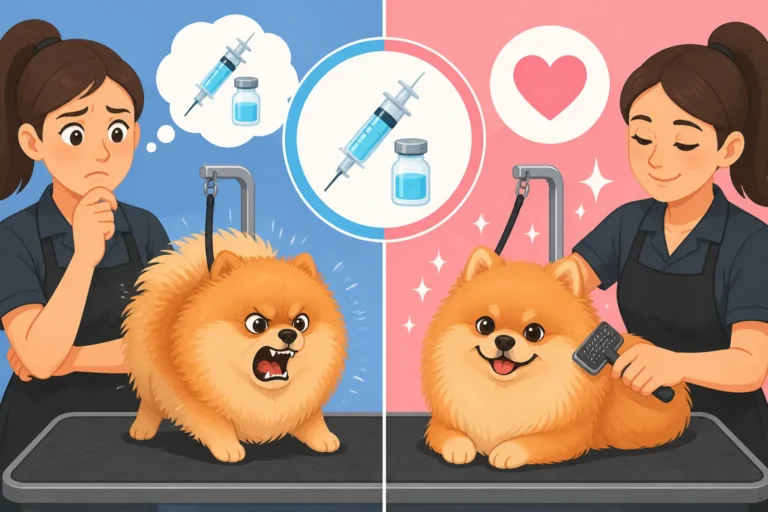
When a Pomeranian bites, it's almost never out of malice. Instead, it's usually a desperate plea for help or a clear communication that they're overwhelmed and afraid. For a small dog like a Pom, biting is often their last resort when they feel threatened or in pain and can't escape the situation.
Fear and Anxiety in the Grooming Environment
Imagine being taken to a loud, unfamiliar place filled with strange smells and sounds, where a large stranger handles you in ways you don't understand, using buzzing tools and sharp objects. That's often what a grooming salon feels like to a sensitive Pomeranian. The sheer sensory overload can be terrifying. The high-pitched whir of clippers, the blast of the blow dryer, the unfamiliar scents of various shampoos and other dogs, and the constant hum of activity can quickly push an already nervous Pom past their comfort zone. They might feel trapped on the grooming table, unable to escape the perceived threat, leading them to lash out defensively. Perhaps they had a rough experience once before, maybe a nail quicked too short, a mat pulled too hard, or just an overly boisterous groomer who didn't understand their small stature. These past negative associations can cement a deep-seated fear that makes every subsequent visit a battle.
Pain or Discomfort During Grooming
Sometimes, the biting isn't about fear of the process itself, but about a very real, acute pain that the grooming exacerbates. Pomeranians, with their dense double coats, are prone to matting. If a groomer is trying to brush out a tight mat, especially one close to the skin, it can be incredibly painful. Imagine someone pulling on your hair continually; it hurts! Beyond just mats, your Pom might have underlying skin irritations, hotspots, or even a hidden wound that becomes excruciating when touched. Conditions like Dental Disease in a Mouth the Size of a Pomeranian's can make their mouth sensitive to even accidental bumps during face trims, triggering a snap. Even more serious, a dog might have an undiagnosed orthopedic issue, like Slipping Kneecaps in a Five Pound Pomeranian, making it painful to stand for long periods or to have a leg maneuvered. If the groomer unknowingly touches a sore joint or an inflamed area, the bite is a direct response to that sudden jolt of discomfort. Always consider pain as a potential factor if your otherwise well-behaved Pom suddenly becomes aggressive at the groomer.
Lack of Early Socialization and Handling Exposure
Many Pomeranians, especially if they weren't exposed to a variety of people, environments, and handling experiences as puppies, can be naturally wary of strangers and uncomfortable with being manipulated. If your Pom puppy wasn't regularly handled from an early age – being picked up, having their paws touched, ears examined, and mouth opened – then a groomer attempting these actions for the first time as an adult can be alarming. Think about it: a groomer needs to touch every part of their body, including sensitive areas like their belly, tail, and paws. If this level of intimate contact hasn't been consistently introduced as a positive experience, it's understandable that a dog might react defensively. Small dogs are sometimes unwittingly "protected" from these experiences by well-meaning owners who carry them everywhere or don't encourage interaction with a wide circle of people. This can lead to a lack of confidence and an increased likelihood of fear-based aggression when confronted with novel situations like grooming.
Recognizing the Warning Signs Before a Bite
A bite doesn't usually come out of nowhere. Dogs, including our little Poms, communicate their discomfort and stress through a series of escalating signals. Learning to read these signals is crucial for preventing a bite and helping your dog feel more secure.
Subtle Body Language Cues
Before a Pomeranian resorts to a growl or a snap, they typically offer a range of subtle body language cues. These are often missed by human observers, especially if they're not intimately familiar with canine communication. Look for signs like repeated lip licking, even when no food is present. This is often a stress signal. Excessive yawning, again without being tired, can indicate anxiety. A "whale eye" – where you can see the whites of their eyes, often when their head is turned away but their eyes are fixed on the perceived threat – is a clear sign of discomfort. Your Pom might also stiffen their body, become rigid, or tuck their tail tightly between their legs. Sometimes, they might try to make themselves smaller, crouching low, or even attempt to hide their face. Their ears might be flattened against their head, or constantly swiveling back and forth, indicating hyper-vigilance. These are all indicators that your Pomeranian is feeling stressed and is trying to signal their unease before they feel the need to escalate to more overt warnings. Being able to spot these early, quiet signs can give you, or the groomer, a chance to de-escalate the situation.
Escalating Vocalizations and Reactions
If the subtle signals are missed or ignored, your Pomeranian will likely escalate their communication. This often begins with growling. A growl is a warning, a dog's way of saying, "Stop what you're doing, I don't like this, and I need you to back off." It's vital to respect a growl; punishing it teaches your dog that they shouldn't warn you, which can lead to a bite without any preceding signal. After growling, or sometimes even before, a Pom might start snapping at the air or directly at the groomer's hands or tools, but without making contact. This is another clear warning. They might try frantically to escape the situation, pulling away from the groomer, thrashing, or attempting to jump off the table. Some Poms will resort to frantic, high-pitched barking, not just their usual alert barks, but a distressed, repetitive vocalization that signals extreme stress. Their body might be trembling, and they could start panting heavily, even if the room isn't warm. All these behaviors are your Pomeranian's way of saying, "I am incredibly uncomfortable, and I need this to stop now."
Groomer Feedback and Professional Observations
Professional groomers see many different dogs, and they are often highly attuned to canine body language. It's incredibly important to listen carefully to their feedback, even if it's difficult to hear. A good groomer will tell you if your Pomeranian is particularly stressed, trying to bite, or if they needed extra handling. They might observe that your Pom showed specific triggers, like a strong aversion to having their paws touched, or a sudden lunge when the clippers came near their face. These professional observations are invaluable because they provide an objective perspective on your dog's behavior in a potentially stressful environment. They might even suggest specific strategies, such as shorter, more frequent visits, or recommend a veterinary visit if they suspect pain. For instance, a groomer might notice that your dog consistently reacts badly when they attempt to Trim the Fur Between a Pomeranian's Toes, suggesting a sensitivity or discomfort in that area. Never dismiss a groomer's concerns; they are looking out for their safety and your dog's well-being.
Here’s a quick overview of common stress signals:
| Signal Type | Subtle Cues | Escalated Cues |
|---|---|---|
| Facial & Oral | Lip licking, yawning, tight lips | Growling, baring teeth, snapping |
| Eyes | Whale eye, wide eyes | Hard stare, dilated pupils |
| Ears | Pinned back, constantly swiveling | Fully flattened, rigid |
| Body Posture | Stiffening, crouching, lowered head | Lunging, thrashing, trying to escape |
| Tail | Tucked low, clamped | Tucked, stiff, rapid shallow wag |
| Vocalizations | Soft whines (uncommon, but possible) | Growling, snarls, frantic barking |
Strategies for Preparing Your Pomeranian for a Calm Grooming Session
The key to a less stressful grooming experience often starts long before you ever step foot in the salon. Proactive training and careful attention to your Pomeranian's comfort can make a world of difference.
Desensitization and Counter-Conditioning at Home
One of the most powerful things you can do is to change your Pomeranian's emotional association with grooming tools and handling through desensitization and counter-conditioning. This means gradually exposing them to grooming stimuli in a way that doesn't trigger fear, and pairing it with something positive. Start small: simply bring out the brush, let your Pom sniff it, then immediately give a high-value treat. Don't even touch them with it yet. Repeat this a few times a day for a few days. Then, lightly touch the brush to their back for just a second, followed by another treat. Build up duration and intensity very slowly. The goal is to create a positive emotional response, making them think, "Oh, the brush means yummy treats!"
Apply this same technique to other grooming procedures. Gently touch their paws and immediately reward. Touch their ears, reward. Hold a nail clipper near them, reward. Even simulate the sound of clippers or a blow dryer from a distance, rewarding them for remaining calm, and gradually decrease the distance. A remote online dog training program, like those offered by BAXTER & Bella, often provides excellent structured guidance for teaching these cooperative care behaviors at home. They can help you break down the steps and keep training positive and consistent. This method transforms potentially scary objects into cues for rewards, making future grooming sessions much easier.
Short, Positive Grooming Practice Sessions
Beyond just desensitization to tools, you need to practice the actual acts of grooming in short, positive bursts at home. Think of these as mini-grooming sessions. Aim for 5-10 minutes a day, not an hour-long battle. Start with basic brushing. Get comfortable with How Many Times a Week a Pomeranian Is Brushed and make it a regular, calm bonding time. Use a soft slicker brush for a few strokes on their back, then praise and offer a treat or a favorite toy. As they become more comfortable, gradually introduce handling of their paws for nail trims, gently lifting their tail to inspect their rear, and softly touching around their ears and face.
Always end on a positive note, even if it means doing less than you intended. If your Pom tolerates two brush strokes, reward heavily and stop. You want them to feel successful and eager for the next session. This consistent, gentle practice builds trust and confidence, teaching your Pom that handling is not something to fear. It also allows you to address any nascent mats or overgrown nails before they become significant issues that cause pain at the groomer's. This home practice is foundational to a stress-free professional grooming experience.
Addressing Underlying Health Issues
If your Pomeranian is biting, especially if it's a new behavior or specific to certain areas, a trip to the veterinarian is non-negotiable. Pain is a huge motivator for aggression. Your vet can conduct a thorough examination to rule out any underlying medical conditions that might be causing discomfort. This could include skin infections or allergies, ear infections, dental disease, or orthopedic issues like arthritis or a luxating patella. Sometimes, a Pom might have an invisible injury, like a strained muscle, that only becomes apparent when a groomer attempts to position them.
Your vet might also be able to provide advice on managing anxiety. For highly anxious dogs, they may suggest calming supplements or, in some cases, prescription medication to help reduce stress before and during grooming appointments. Getting a clean bill of health or addressing any pain ensures that your Pomeranian's discomfort isn't driving their reactive behavior. It removes a major variable and allows you to focus on behavioral solutions with confidence that your dog isn't in pain.
The Right Tools and Products for Home Grooming
Having the right grooming tools at home can significantly impact your Pomeranian's comfort and willingness to cooperate. Invest in high-quality, gentle tools designed for small, double-coated breeds. A good slicker brush with protected pins, a metal greyhound comb, and a pair of blunt-nosed scissors for sanitary trims are essentials. You can find excellent options on Amazon. Avoid cheap, harsh brushes that can scratch the skin or pull the coat.
For mats, a detangling spray can be a lifesaver, making it easier to work through knots without pulling. Choose a dog-specific shampoo and conditioner that is gentle on their skin and coat. Having quiet, efficient tools can also help. A low-noise pet nail grinder, for example, might be less alarming than traditional clippers, especially if your Pom is sensitive to the clipping sound. By making home grooming as comfortable and efficient as possible, you’ll prevent minor issues from becoming major, painful problems, and your Pomeranian will associate grooming with comfort rather than stress.
Working with Your Groomer to Ensure Safety and Success
Your groomer is a partner in your Pomeranian's care. Open communication and a collaborative approach are vital for a successful and safe grooming experience, especially for a dog with a history of biting.
Choosing a Fear-Free or Low-Stress Groomer
Not all groomers are created equal, and for a Pomeranian with anxiety or a history of biting, choosing the right professional is paramount. Look for groomers who specifically advertise "fear-free" or "low-stress" grooming techniques. These groomers are often trained in cooperative care, positive reinforcement, and reading canine body language. They prioritize the dog's emotional well-being over getting a perfect groom in a short amount of time. Ask about their approach: Do they use force-free handling? Do they allow owners to stay for part of the session, or perhaps offer "meet and greet" visits where your dog can just get used to the salon without being groomed? Do they use calming techniques like aromatherapy or calming music?
A good fear-free groomer will also be transparent about when they need to stop if a dog is too stressed, and will work with you on a plan for gradual desensitization. They understand that a matted coat is less important than a dog's psychological health. Be prepared that these specialized services might come at a higher cost or require more frequent, shorter appointments, but the investment in your Pomeranian's emotional well-being is priceless.
Open Communication and Detailed Information Sharing
When you book an appointment, and especially when you drop off your Pomeranian, be completely honest and thorough with your groomer. Don't downplay or hide your dog's biting history, even if it's just snapping. Provide as much detail as possible: When does the biting occur? Is it during specific procedures, like nail trims or face trims? Does it happen with certain tools? Has there been any recent change in behavior or health that might contribute? For example, telling your groomer about a recent diagnosis of Arthritis in a Pomeranian at Ten means they can be extra gentle with positioning their legs.
Explain the steps you've taken at home with desensitization and counter-conditioning. A responsible groomer will appreciate this honesty as it allows them to take necessary precautions for their own safety and adapt their approach to best suit your dog. This might include using a muzzle (which should be introduced positively at home first), having an assistant, or taking frequent breaks. Without this information, a groomer is flying blind, and the risk of a bite increases significantly. Consider providing a written list of triggers and comfort zones for your Pom.
Exploring Options for Sedation or Veterinary Grooming
For some Pomeranians, especially those with severe anxiety or a history of painful experiences, even the most patient groomer might struggle to complete a full groom without putting themselves or the dog at risk. In these situations, discussing options for sedation with your veterinarian is a compassionate choice. Your vet can prescribe a mild sedative that can be administered before the grooming appointment, helping your Pom relax and tolerate the handling. This isn't about "drugging" your dog into submission, but about reducing their anxiety to a manageable level so that the grooming can be done safely and without causing further trauma.
Alternatively, some veterinary clinics offer full-service grooming under light sedation, performed by veterinary technicians. This can be an ideal solution for dogs who require significant mat removal, extensive dental work, or have severe health issues that make regular grooming too risky. While this option is often more expensive, it ensures that your Pomeranian is handled by medical professionals in a controlled environment, prioritizing their comfort and safety above all else. Anesthesia Risk in a Four Pound Pomeranian is a real concern, so your vet will discuss all pros and cons before recommending this path.
Ongoing Management and Preventing Relapses
Dealing with a Pomeranian who bites at the groomer is often a journey, not a one-time fix. Consistent effort and attention to their needs are essential for long-term success and preventing old behaviors from resurfacing.
Maintaining a Consistent Home Grooming Routine
One of the most effective ways to prevent your Pomeranian from relapsing into biting behavior at the groomer's is to keep up a diligent and consistent home grooming routine. This means regular brushing, ideally every other day or daily, to prevent mats from forming. Neglecting brushing means that when your Pom goes to the groomer, they'll inevitably experience pain during dematting, reinforcing their negative associations. Focus on Working a Pomeranian's Coat in Sections to the Skin to ensure mats are caught early.
Regular nail trims are also crucial. Overgrown nails can be uncomfortable and even painful, affecting how your Pom stands and walks. The longer nails get, the harder they are to trim without hitting the quick, which creates a painful experience. By doing these tasks at home regularly and positively, you're not only maintaining your Pomeranian's coat and health but also reinforcing their comfort with handling and grooming tools. This reduces the amount of stressful work the professional groomer needs to do, making their visit much more pleasant.
Continued Positive Reinforcement and Training
Training isn't a "one and done" activity; it's an ongoing process, especially when it comes to behaviors like cooperative care for grooming. Continue to use positive reinforcement methods, even for tasks your Pomeranian already tolerates well. This reinforces that grooming is a pleasant, rewarding experience. Keep practicing short, fun sessions of handling, touching paws, ears, and mouth, always paired with praise and high-value treats.
Consider formal training classes that focus on cooperative care or even just basic obedience. Commands like "stay," "lie down," and "paw" can be incredibly helpful for groomers. Teaching a Pomeranian to Stand Still for the Brush is a simple but effective command that can translate directly to the grooming table. Online resources, like those offered by BAXTER & Bella, can provide continued guidance and fresh ideas for making training engaging and effective. The more your Pomeranian sees you as a reliable source of positive experiences, even during handling, the more secure and cooperative they will be, both with you and with professional groomers.
Seeking Professional Behavioral Guidance
If despite your best efforts at home and working with a fear-free groomer, your Pomeranian's biting behavior persists or even worsens, it might be time to seek specialized professional behavioral guidance. This doesn't mean you've failed; it simply means your dog needs a different level of expertise. A certified professional dog trainer (CPDT) or a veterinary behaviorist can assess your Pomeranian's specific triggers and anxieties in depth. They can develop a customized behavior modification plan that might include advanced desensitization protocols, specific handling techniques, and potentially medication management in conjunction with your veterinarian.
These professionals can also help identify if there are underlying anxiety disorders or past traumas contributing to the biting that require a more comprehensive approach. For instance, if your Pomeranian has significant separation anxiety that compounds their grooming stress, a behaviorist can help address both issues. Seeking this expert help demonstrates your commitment to your Pomeranian's well-being and can ultimately lead to a much happier, safer, and more peaceful life for your beloved companion, both in and out of the grooming salon.
Disclaimer
This article is for general informational purposes only and does not constitute professional advice. Laws, prices and regulations vary by location and change over time. Consult a qualified professional for guidance on your specific situation.