Whether a Two Pound Pomeranian Can Be Healthy
It’s a common sight to see pictures of tiny, adorable Pomeranian puppies, often marketed as "teacups," and the dream of having a dog that fits in your purse or teacup is incredibly alluring. But beneath that undeniable cuteness lies a critical question: can a two-pound Pomeranian truly be healthy? The heartbreaking reality is that while they capture our hearts with their diminutive size, dogs bred to be this small often face a lifetime of health challenges and require an immense amount of specialized care. This guide will delve into the harsh truths and practical considerations for these exceptionally tiny Poms, helping you understand the genuine cost of extreme smallness.
The Reality of "Teacup" Pomeranians and Extreme Smallness
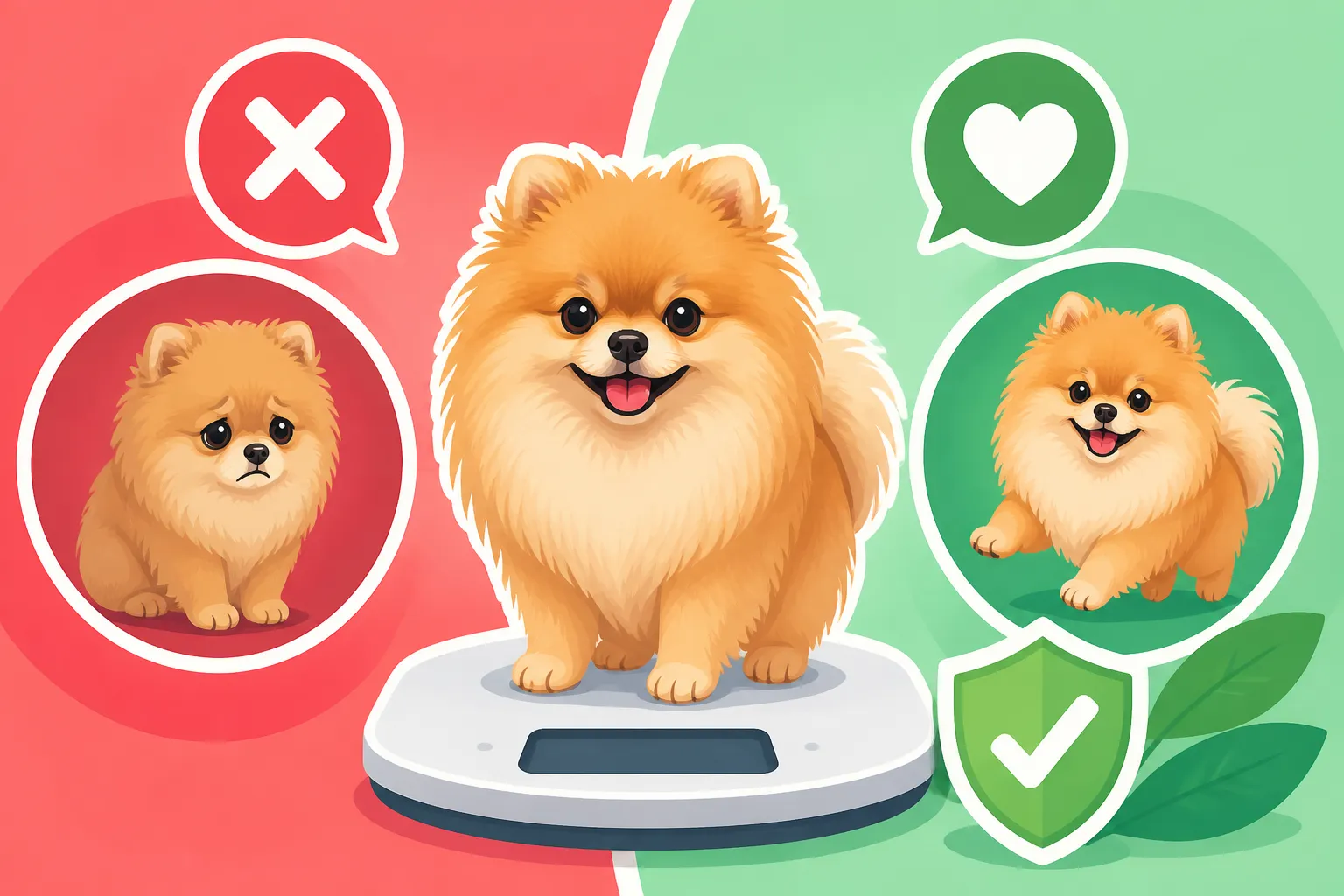
When you envision a Pomeranian, you likely picture a fluffy, spirited little dog, full of personality. The breed standard, as recognized by kennel clubs, typically calls for a weight between 3 and 7 pounds. A two-pound Pomeranian, therefore, falls significantly below this healthy range, often entering a territory that is more about novelty than robust health.
Understanding the "Teacup" Label
The term "teacup" isn't a recognized breed classification; it's a marketing gimmick used by some breeders to capitalize on the desire for exceptionally small dogs. There's no separate "teacup Pomeranian" breed. Instead, these are simply Pomeranians bred to be much smaller than the healthy standard. Reputable, ethical breeders focus on breeding dogs that conform to the breed standard, which includes a healthy weight range that supports a strong constitution. They understand that going below this threshold can invite a host of health complications that are entirely avoidable.
Breeders who consistently produce dogs under the standard weight might be deliberately selecting for the smallest dogs in a litter, often runts, or even breeding smaller-than-average parents together without proper health screening. This practice often prioritizes size over genetic health, temperament, and longevity, leading to dogs that are more fragile and prone to illness. It's essential to look beyond the cute label and understand the significant implications it carries for the dog's well-being.
What Being Two Pounds Truly Means for a Pomeranian's Body
For a dog that naturally ranges from 3 to 7 pounds, dropping down to a mere two pounds represents a severe reduction in body mass. This isn't just about external appearance; it means every internal system and organ is scaled down to an unnatural degree. Their bones are more delicate, making them incredibly susceptible to injury from even a short fall or jump. Their internal organs, such as their heart, lungs, and liver, are also smaller and can be less developed, struggling to function optimally under normal circumstances.
Consider the sheer fragility. A standard Pomeranian is already a small, delicate breed, but a two-pounder pushes the boundaries of viability. Their bodies have to work harder to maintain core functions. They struggle more with temperature regulation, easily becoming too cold or overheating quickly because they have less body mass to insulate or dissipate heat. This tiny size places a constant strain on their entire physiological system, making them fundamentally more vulnerable to environmental changes and common ailments.
Significant Health Challenges Faced by Two-Pound Pomeranians
The most challenging aspect of owning a two-pound Pomeranian is the heightened risk of serious health issues. These aren't minor inconveniences but often life-threatening conditions that demand constant vigilance and significant medical intervention.
Hypoglycemia and Blood Sugar Crashes
One of the most pervasive and dangerous conditions for extremely small Pomeranian puppies, and sometimes even adults, is hypoglycemia, or dangerously low blood sugar. Because their tiny bodies have very little fat reserves and their metabolism is incredibly high, they burn through glucose rapidly. If they don't eat frequently enough, or if they experience stress, their blood sugar can plummet quickly. This is especially true for Blood Sugar Crashes in a Pomeranian Puppy, who may struggle to regulate their sugar levels.
A hypoglycemic episode can manifest rapidly. You might notice your little Pom becoming lethargic, weak, disoriented, or even start trembling. In severe cases, they can collapse, have seizures, or fall into a coma, which can be fatal if not treated immediately. Owners must be hyper-vigilant about their feeding schedule, often needing to provide small, frequent meals throughout the day. Keeping a quick-acting glucose source like corn syrup or Nutri-Cal paste on hand is not just a good idea—it's often a lifesaver. This constant monitoring becomes a core part of their daily care routine.
Fragile Bones and Joint Issues
A two-pound Pomeranian’s skeletal structure is incredibly delicate, akin to a bird's. Their bones are thinner and more brittle, making them highly prone to fractures. A simple misstep off a sofa, a tumble down a step, or even being accidentally dropped can lead to devastating injuries that a larger, sturdier dog might easily shrug off. These are not minor breaks; they often require complex, expensive surgeries and a long, arduous recovery period.
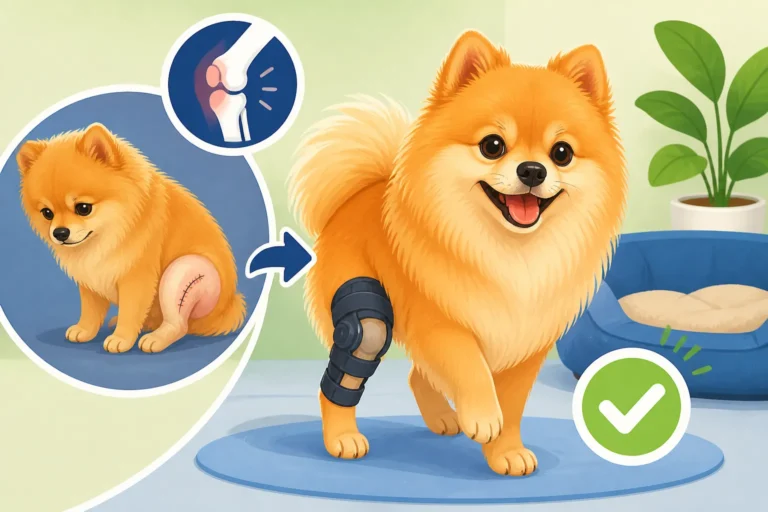
Beyond fractures, these tiny Poms are also highly susceptible to joint problems. One of the most common is Slipping Kneecaps in a Five Pound Pomeranian, also known as patellar luxation. This condition, where the kneecap dislocates, is prevalent in toy breeds, but the severity and impact are magnified in an extremely small dog. A mild case in a standard-sized Pomeranian might be managed with supplements and care, but in a two-pound dog, it can be severely debilitating, causing chronic pain and mobility issues. It can lead to expensive surgeries, and even then, recovery and long-term joint health remain a significant concern.
Organ Development and Function Concerns
The journey of breeding extremely small dogs often comes with the risk of underdeveloped or malformed internal organs. Some two-pound Pomeranians may inherit serious congenital conditions that affect their quality of life and lifespan. For instance, heart defects are not uncommon in toy breeds, and a severe condition like Patent Ductus Arteriosus (PDA) can be particularly devastating in a tiny body. A veterinarian might detect The Heart Defect Found in Pomeranian Puppies as a murmur, which can then require further diagnostics and potentially life-saving surgery.
Liver shunts, where blood bypasses the liver and isn't properly detoxified, are another concern. These conditions can lead to a host of neurological and gastrointestinal problems. Additionally, hydrocephalus, or "water on the brain," is more frequently seen in extremely small dog breeds, especially those with exaggerated "apple-domed" heads often associated with the "teacup" look. This condition can cause neurological symptoms, developmental delays, and require complex medical management. Furthermore, any necessary surgery for these tiny dogs comes with elevated risks, as Anesthesia Risk in a Four Pound Pomeranian is significantly higher due to their small size and delicate systems. Their bodies process medications differently, and monitoring them during surgery is a delicate balance.
Daily Care and Lifetime Commitments for a Two-Pound Pomeranian
Bringing a two-pound Pomeranian into your home isn't just about managing health crises; it’s about a complete lifestyle adjustment to accommodate their unique, demanding needs. This level of commitment is far beyond what many prospective owners anticipate.
Specialized Nutrition and Feeding Schedules
For a two-pound Pomeranian, feeding isn't just about providing meals; it's a critical, life-sustaining schedule that must be adhered to with unwavering consistency. Their tiny stomachs can only hold a small amount of food, yet their metabolism is incredibly fast, meaning they burn calories at an alarming rate. This often translates to needing to eat small, high-calorie meals every few hours, throughout the day and sometimes even at night, to prevent dangerous blood sugar drops.
You can't just free-feed them or leave food down, as they might overeat or not eat enough at critical times. Owners often have to measure out How Little Food an Adult Pomeranian Needs meticulously and schedule feedings like clockwork. This requires significant dedication and planning, making spontaneous outings or long workdays incredibly challenging without specific arrangements for their care. Ignoring these feeding demands can quickly lead to an emergency room visit for hypoglycemia, making the prevention of Blood Sugar Crashes in a Pomeranian Puppy a constant priority.
Protecting a Tiny Pomeranian from Injury
Imagine living in a world where every step, every jump, and every interaction could potentially lead to a catastrophic injury. That’s the reality for a two-pound Pomeranian. Your home, which might seem safe for a larger pet or even a standard-sized Pomeranian, becomes a minefield. Stairs are a serious hazard, requiring baby gates or constant supervision. Jumping off a sofa, a chair, or even a bed can easily result in a broken leg, neck, or spinal injury. Ramps and steps become essential tools, but even then, a playful leap gone wrong can have dire consequences.
Furthermore, interaction with other pets or even small children needs extreme caution. A larger dog, even a gentle one, could accidentally injure a tiny Pom during play, and toddlers, unaware of their own strength, can easily cause harm. Creating safe, designated spaces where your little Pom can't be stepped on, dropped, or accidentally hurt is crucial. This means constant vigilance and often a restricted environment, which can impact their ability to explore and socialize freely. It's a heavy burden, knowing that their fragility demands such protective measures, highlighting Whether a Teacup Pomeranian Needs Special Vet Care.
The Financial and Emotional Toll
Owning a two-pound Pomeranian often comes with a significant financial strain that many prospective owners simply don't foresee. The upfront cost for these "teacup" puppies is frequently exorbitant, and that's just the beginning. Their propensity for health issues means higher vet bills, from more frequent check-ups and specialized diagnostic tests to potential emergency care and costly surgeries for fractures, organ defects, or other complications. The recurring need for specialized diets, supplements, and perhaps even daily medications adds up. This is where pet insurance, like a policy from Healthy Paws, can be an absolute lifesaver, helping to offset the substantial costs of unexpected medical emergencies and ongoing care. Without it, owners can quickly find themselves facing thousands of dollars in bills for a single incident.
Beyond the financial aspect, there's a profound emotional toll. The constant worry about their fragility, the anxiety over their blood sugar levels, and the fear of injury can be emotionally exhausting. Watching your tiny companion struggle with health issues, facing multiple vet visits or surgeries, can be heartbreaking. This relentless commitment to their well-being is a deep emotional investment. Many owners find that What Teacup Breeding Costs a Pomeranian isn't just monetary, but a profound commitment of time, energy, and emotional resilience for the dog's entire, potentially shortened, lifespan. Responsible pet ownership for a two-pound Pom means acknowledging and preparing for this intense, lifelong dedication.
| Feature | Standard Pomeranian (3-7 lbs) | Two-Pound Pomeranian ("Teacup") |
|---|---|---|
| Typical Lifespan | 12-16 years (with good care) | Often significantly shorter, 5-10 years, sometimes less |
| Hypoglycemia Risk | Low in adults; moderate in puppies (manageable with feeding) | High in puppies and significant risk in adults; constant vigilance required |
| Fracture Risk | Moderate (care needed, especially in puppies) | Very High (extreme care needed, minor falls dangerous) |
| Organ Health | Generally robust, fewer congenital issues if well-bred | Higher risk of congenital heart, liver, and brain issues; underdeveloped organs |
| Anesthesia Risk | Standard for small breeds | Significantly elevated due to tiny size and potential organ issues |
| Temperature Reg. | Good | Poor; easily chilled or overheated |
| Daily Care | Regular feeding, exercise, grooming, preventative vet care | Frequent, scheduled feedings, extreme injury prevention, constant supervision, specialized vet care |
| Vet Costs | Moderate to high (for a small breed) | Very high, often includes emergency and specialized care |
| Breeding Ethics | Reputable breeders aim for breed standard, health first | Often from breeders prioritizing extreme smallness over health |
Making an Informed Decision About a Very Small Pomeranian
Ultimately, the choice of bringing any dog into your life is a deeply personal one. However, when it comes to extremely small Pomeranians, making an informed decision means truly understanding the implications of their size for their health and your ability to care for them.
Prioritizing Health Over Size
The allure of a pocket-sized dog is strong, but it's crucial to consider the ethical implications of supporting the breeding practices that produce such tiny animals. Reputable breeders will always prioritize the health and temperament of their dogs above all else. They adhere to the breed standard, which for a Pomeranian is a healthy weight range of The Three to Seven Pounds a Pomeranian Should Hold. They conduct extensive health testing on their breeding dogs to screen for common genetic conditions like patellar luxation, heart defects, and eye problems, aiming to produce robust, long-lived puppies.
A breeder marketing "teacup" Pomeranians is often focused on profit over welfare, and they may be intentionally breeding runts or undersized dogs, which can perpetuate a cycle of health problems. When looking for a Pomeranian, ask about the weight of the parents, the typical adult size of their lines, and their health guarantees. A responsible breeder will be transparent about potential health concerns and will never promise an adult weight below the healthy breed standard. They want their puppies to live long, happy lives, often reaching How Long a Well Bred Pomeranian Actually Lives.
The Trade-offs of a Smaller Size
There's no denying that tiny dogs are incredibly charming, fitting into small living spaces and being easily portable. However, the trade-off for a two-pound Pomeranian is almost always a compromised quality of life and a significantly higher burden of care on the owner. You might gain the novelty of a miniature companion, but you inherit a multitude of challenges. These dogs are not just smaller versions of a standard Pomeranian; they are often more fragile, prone to illness, and require a level of dedication that can be overwhelming for even the most devoted owner.
Responsible pet ownership means acknowledging these inherent risks and understanding that a healthy, standard-sized Pomeranian, while still a small dog, will generally lead a much more robust and carefree life. While it's possible for an individual two-pound Pomeranian to defy the odds and live a relatively healthy life, it's the exception rather than the rule. The likelihood of facing significant health issues, coupled with the constant worry and demanding care schedule, means that for most people, the dream of a two-pound Pomeranian might be better left as a picture on the internet, allowing a healthier, happier Pom to enter their home.
Disclaimer
The information provided in this article is for general informational purposes only and does not constitute professional veterinary advice. Always consult with a qualified veterinarian regarding any medical concerns or before making any decisions about your pet's health.