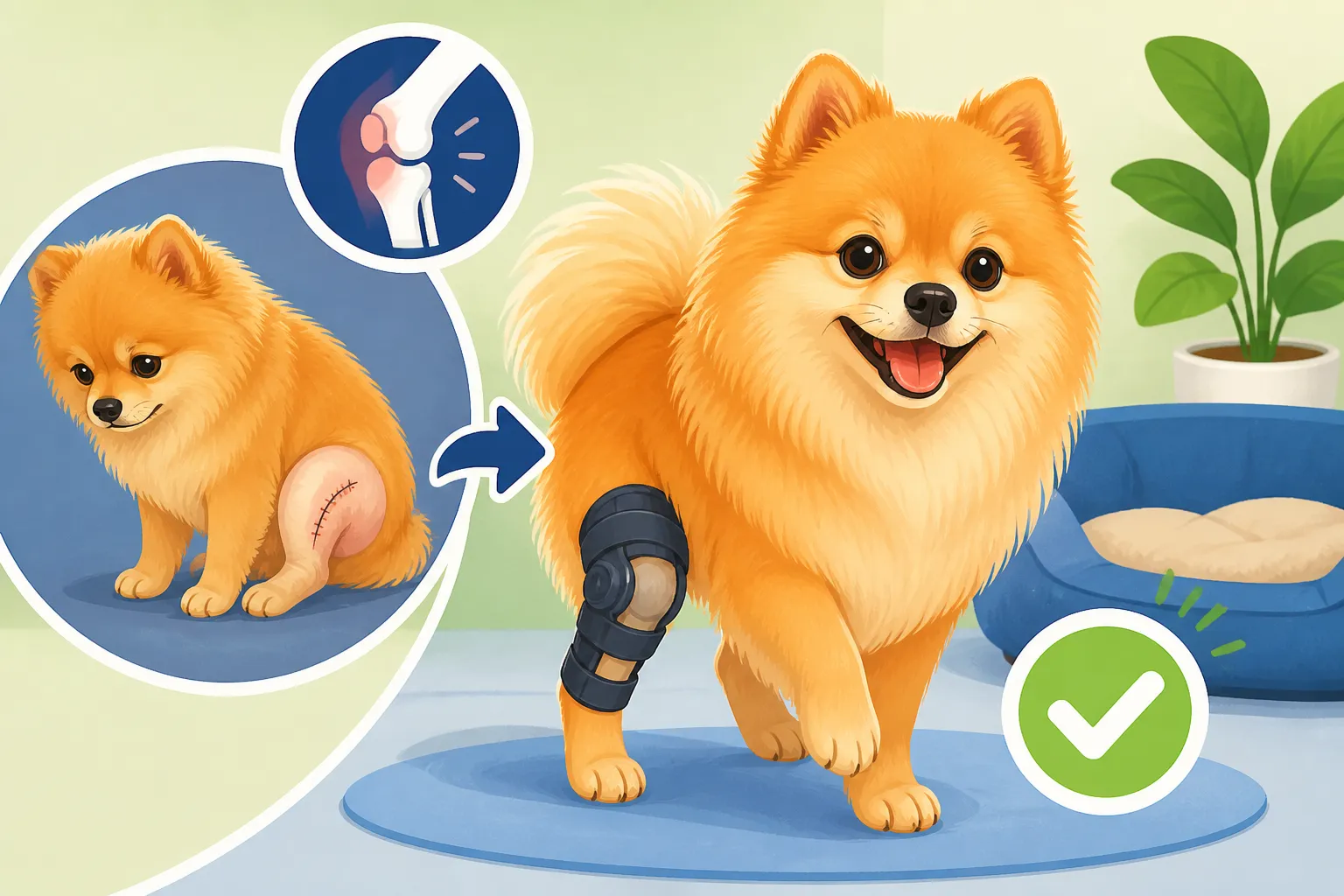
Recovery After a Pomeranian’s Knee Surgery
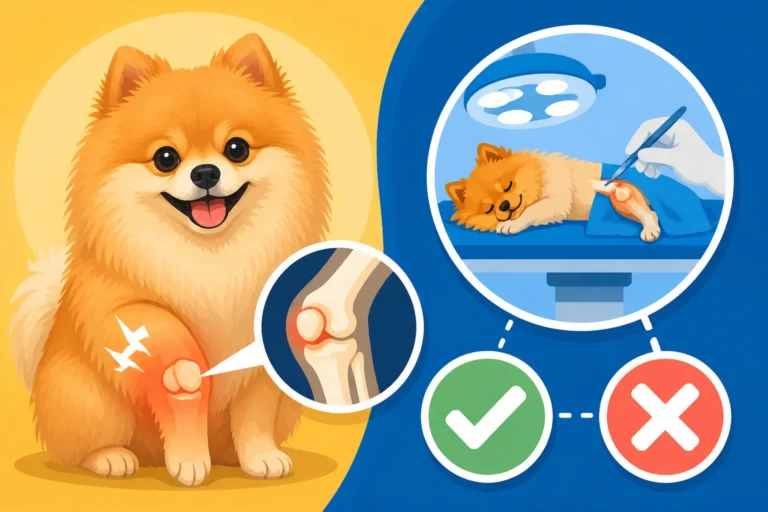
The decision to put your beloved Pomeranian through knee surgery, often for a common issue like a luxating patella, is never easy. But the surgical procedure is only the beginning; the real test of patience and dedication comes with the weeks and months of recovery at home. It's a period filled with questions, anxieties, and the demanding task of keeping your tiny, energetic companion still. This comprehensive guide will meticulously walk you through every stage of your Pomeranian's post-operative journey, from the moment they arrive home to long-term care, helping you feel prepared and empowered to support their full recovery.
What to Expect Immediately After Surgery
Bringing your little Pomeranian home after knee surgery can be a mix of immense relief and profound worry. They've made it through the operation, but now the critical phase of healing begins under your watchful eye. It's vital to have a clear understanding of what the first few days entail.
Coming Home: Setting Up a Safe Space
The first, and perhaps most crucial, step in post-operative care is ensuring your Pomeranian has a safe, comfortable, and confined space for recovery. They’ll likely be groggy and disoriented initially, and sudden movements could easily compromise the surgical repair. This isn't about punishment; it's about creating a sanctuary where they can heal without accidentally hurting themselves.
Think about a small crate or a dedicated pen in a quiet part of your home. This area needs to be just large enough for them to stand, turn around, and lie down comfortably. It should not allow for any jumping, running, or climbing. Many Pomeranians are natural acrobats, scaling furniture in a single bound, so eliminating these temptations is key. If your home has multiple levels, try to set up their recovery zone on the ground floor to completely avoid stairs, which are an absolute no-go for a healing knee.
Line their recovery space with soft, thick bedding. A memory foam dog bed or several plush blankets will provide cushioning and comfort, helping to prevent pressure sores during extended rest. Ensure that fresh water is always within easy reach, perhaps in a shallow, non-tip bowl, so they don't have to stretch or stand awkwardly to drink. This meticulous setup minimizes the risk of accidental slips or sudden movements that could re-injure the delicate surgical site. It can be heartbreaking to see your usually free-roaming companion so restricted, but this strict confinement is a non-negotiable part of effective healing.
Pain Management and Medication Schedule
Your Pomeranian will undoubtedly experience pain and discomfort after surgery. Your veterinary team will equip you with a detailed pain management plan, which typically includes anti-inflammatory drugs and prescription pain relievers. Adhering strictly to this schedule is paramount, even if your Pom appears to be feeling better. These medications aren't just for comfort; they're essential for reducing inflammation, which is a critical part of the healing process. Missing doses can lead to unnecessary suffering and a potential setback in their recovery.
For the first day or two, your Pomeranian might be unusually drowsy, a little woozy, or even slightly irritable due to the lingering effects of anesthesia and stronger pain relief administered at the clinic. Administering pills to a small, sometimes finicky Pomeranian can be a challenge. Your vet might suggest using pill pockets, wrapping the medication in a tiny piece of cheese, or mixing it into a dollop of wet food. If you find yourself struggling, don't hesitate to call your vet; they can offer alternative methods or even liquid formulations that might be easier to give. Never attempt to adjust the dosage on your own, as these tiny dogs are highly sensitive to medication levels.
Beyond the prescribed medications, you’ll be the primary monitor of your Pomeranian's comfort level. Are they whining more than usual? Restless? Licking or chewing obsessively at the incision site? These are all potential indicators that their pain might not be adequately controlled, and a call to the vet is in order. Conversely, if they're acting too boisterous or attempting to play, it might mean they’re feeling too good and need stricter confinement to prevent overexertion. Maintaining open communication with your vet is crucial during this period so they can fine-tune the pain management as needed. The financial aspect of these medications and follow-up care can be substantial, and this is where having a reliable pet insurance provider like Healthy Paws can truly alleviate stress, ensuring you can focus on your pet's recovery without added financial worry.
Initial Post-Op Care: Incision and Bandage Checks
The surgical incision is the most vulnerable point during recovery and demands vigilant attention. Your vet will likely send your Pomeranian home with a protective bandage, which must be kept absolutely clean and dry. Moisture is an enemy to healing incisions, creating a perfect environment for bacterial growth and infection. If the bandage becomes wet or dirty, it needs to be changed immediately. Some vets will teach you how to do this at home, while others prefer you return to the clinic for professional changes. Daily inspection for any signs of slipping, fraying, or irritation around the edges of the bandage is essential.
Once your veterinarian gives the go-ahead to remove the bandage—typically within a few days to a week—you’ll be directly monitoring the incision itself. Keep a close eye on it for any signs of infection, such as increasing redness, excessive swelling, any type of discharge (especially pus), a foul odor, or visible gaps in the sutures. A little bruising is normal post-surgery, but anything beyond that warrants an immediate call to your vet. Critically, you must prevent your Pomeranian from licking, chewing, or scratching the incision. This is why an Elizabethan collar (E-collar or "cone of shame") or a soft recovery suit is almost always necessary for several weeks. Your Pomeranian might express their displeasure, but this protective barrier is non-negotiable for proper healing. Ignoring it could result in chewed sutures, infection, and a complete breakdown of the surgical repair.
It's also completely normal for your Pomeranian to be hesitant to put weight on the operated leg initially. This is a combination of pain, muscle soreness, and their body adjusting to the changes. Watch out for disproportionate swelling or unusual warmth in the limb, which could signal inflammation or, though less common in small breeds, a more serious circulatory issue. Your vet will instruct you on how to gently support your dog when they go out for potty breaks, often by using a towel as a sling under their hindquarters. This helps them move without putting undue stress on the recovering knee, which is still very fragile.
The Critical First Weeks of Home Recovery
The initial weeks following surgery are a delicate balance between strict rest and very controlled, gentle movement. This period is paramount for the integrity of the surgical repair and setting the stage for long-term success.
Strict Rest and Confinement Protocols
The first two to six weeks after knee surgery are the most critical healing period. During this time, the soft tissues, ligaments, and bone are beginning to mend, but they are still incredibly fragile. Your veterinarian will emphasize the importance of strict crate rest or pen confinement. This means absolutely no jumping, no running, no playing with other pets, and no unsupervised wandering around the house. It sounds incredibly restrictive, especially for a lively Pomeranian, but it is the absolute foundation of a successful recovery. Think of it as a mandatory, uninterrupted quiet period for their knee to properly knit back together.
The biggest challenge with Pomeranians, given their spirited personalities, is keeping them still. They are often full of boundless energy and can easily forget they're injured in a moment of excitement or curiosity. You will likely need to significantly adapt your daily routine to accommodate their needs. Placing their crate in a central area of your home, like the living room, can help them feel less isolated and still part of the family, even if they can't actively participate. You might even consider moving their crate into your bedroom at night to minimize any separation anxiety that can lead to restless behavior. Offering mentally stimulating toys, such as puzzle feeders that don't require much physical exertion, can help alleviate boredom during this prolonged confinement. Many owners find this phase the most frustrating, as their once playful companion is now a fragile patient requiring constant supervision.
Every single jump, twist, or scramble during these early weeks carries the risk of compromising the surgical repair. Even if your Pomeranian seems perfectly fine, the internal healing is a slow process that requires time. Consistency across all household members is vital; everyone must understand and strictly enforce the rest protocol. If you have visitors, they also need to be briefed on the importance of keeping your Pom calm and confined. This disciplined approach is your best defense against complications that could necessitate further veterinary intervention, adding to your emotional strain and potential costs. Understanding Whether a Pomeranian's Kneecap Needs Surgery often precedes this journey, highlighting the importance of making sure the investment in the surgery itself is protected by diligent aftercare.
Controlled Leash Walks and Gentle Movement
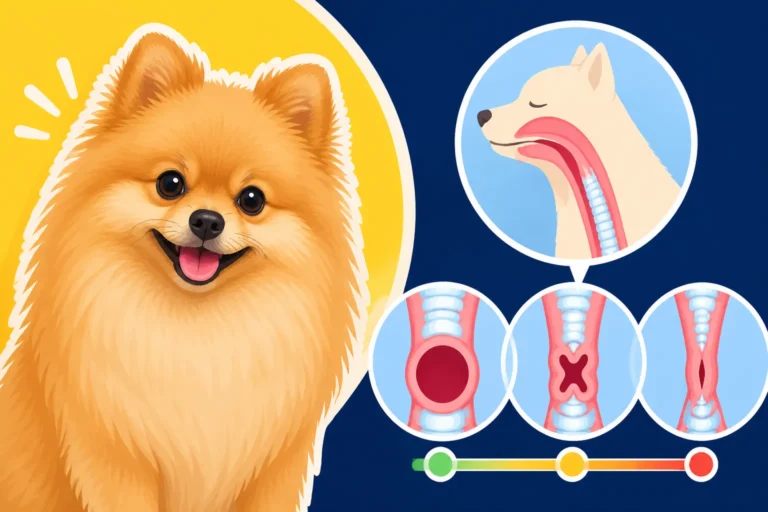
While strict rest is the cornerstone, gentle, controlled movement also plays a crucial role in recovery, typically commencing a week or two after surgery, and always under your vet's explicit instruction. These aren't walks for vigorous exercise; they are for controlled potty breaks and very gentle range-of-motion. Your Pomeranian must always be on a short leash, preferably attached to a harness that distributes pressure evenly and avoids their delicate windpipe, as discussed in Walking a Pomeranian on a Fragile Windpipe. You should accompany them directly to a designated potty area.
Initially, these walks will be incredibly brief – perhaps just five minutes, two to three times a day. As your Pomeranian's recovery progresses and with your vet’s approval, the duration will gradually increase. The absolute key here is controlled movement. There should be no dashing, no sudden stops, and no pulling on the leash. If your Pomeranian attempts to run or hop, you must immediately stop them and gently redirect their attention. The goal is to encourage a natural, even gait and to prevent excessive muscle atrophy without putting undue stress on the healing joint. All walks should be on flat, non-slippery surfaces to minimize any risk of slips or falls.
It's a testament to your patience to teach a tiny, fluffy dynamo like a Pomeranian to walk slowly and calmly when their instinct is often to bound with joy! This is where immense patience and positive reinforcement come into play. These early, controlled mobilizations are crucial for improving blood flow to the area, preventing joint stiffness, and gradually strengthening the muscles surrounding the knee joint, preparing them for more extensive rehabilitation later.
Nutrition and Weight Management
Good nutrition is always important for overall health, but weight management is absolutely critical for a Pomeranian recovering from knee surgery. Even a small amount of excess weight puts significant strain on the healing joint, drastically increasing the risk of re-injury or slower healing. Your vet might recommend a slightly reduced calorie intake during the strict rest phase, as your Pom's activity level will be considerably lower. It’s a delicate balance: providing sufficient nutrients for healing without leading to weight gain.
It's a good idea to discuss with your veterinarian if any specific supplements might support joint healing, such as glucosamine and chondroitin. While these supplements are not a magic cure, they can sometimes contribute to cartilage health and overall joint well-being. However, never introduce any supplements without first consulting your vet, especially with a dog in recovery. Your primary focus should be on a high-quality, balanced diet. Diligent tracking of your Pomeranian's weight throughout recovery is also highly recommended. For such a small breed, even a few ounces can make a difference, so a small kitchen scale can be an invaluable tool.
Preventing weight gain can often be more challenging than it sounds, particularly if your Pomeranian is accustomed to frequent treats or table scraps. You'll need to be very vigilant about their intake. Consider switching to low-calorie training treats or using small pieces of their regular kibble as rewards. Maintaining an ideal body condition is not merely for recovery; it is a lifelong commitment that profoundly impacts their susceptibility to conditions like Slipping Kneecaps in a Five Pound Pomeranian and can delay the onset of Arthritis in a Pomeranian at Ten. Keeping your Pomeranian lean and fit significantly reduces stress on all their joints, contributing to a longer, more comfortable, and healthier life.
Long-Term Rehabilitation and Lifestyle Adjustments
Once the initial healing phase is complete, the focus shifts to restoring full function and making necessary lifestyle changes to protect your Pomeranian's knees for the long haul.
Physical Therapy Exercises at Home
Once your veterinarian gives the green light, typically several weeks post-op, a structured physical therapy (PT) program will become a crucial component of your Pomeranian's recovery. This phase involves actively working to restore the full range of motion in the operated joint, strengthen the surrounding muscles, and improve overall balance and coordination. Your vet might refer you to a certified canine rehabilitation specialist, or they may provide you with specific, easy-to-follow exercises to perform at home. These exercises are always gentle and incremental, progressing only as your Pomeranian shows improvement.
Common home exercises often include passive range of motion (PROM), where you gently flex and extend the operated joint through its natural range without causing pain. Gentle bicycle movements of the leg or careful massages around the muscle groups of the affected limb can also be beneficial. Another effective exercise involves controlled standing and subtle weight-shifting, encouraging your Pomeranian to gradually bear more weight on the surgical leg. It is absolutely paramount that every movement is gentle and entirely pain-free. If your Pomeranian exhibits any signs of discomfort, resistance, or pain, stop the exercise immediately and consult your veterinarian. Consistency in these sessions, even if short, is far more important than intensity, especially in the early stages of this phase.
This phase demands considerable dedication. You might need to perform these exercises daily, sometimes multiple times a day, for weeks or even months. The overarching goal is to meticulously build strength and confidence in the operated leg, striving to ensure it functions as normally as possible. Rushing this process can easily lead to re-injury. You are, in essence, retraining your Pomeranian's body to properly use the limb again, so it’s a journey that requires patience and commitment. For more information on the associated expenses, exploring Rehab Costs After a Pomeranian's Knee Repair can help you plan.
Monitoring Progress and Vet Follow-Ups
Throughout the entire, extended recovery period, regular follow-up appointments with your veterinarian are an absolutely non-negotiable part of the process. These critical check-ups allow your vet to thoroughly assess the incision site, evaluate the stability and mobility of the joint, closely monitor your Pomeranian's gait and weight-bearing, and make any necessary adjustments to their pain medication or ongoing rehabilitation plan. These appointments also serve as vital opportunities to screen for any potential complications or signs of delayed healing. Furthermore, they are your dedicated time to voice any concerns, ask questions, or report observations you’ve made at home.
You will be asked to provide detailed feedback on your Pomeranian’s behavior and progress at home. This includes how they are walking, their overall activity levels, any signs of discomfort or lameness, and how well they are adhering to the prescribed rest protocols. Keeping a small journal or notes on your phone can be incredibly helpful for tracking daily improvements or setbacks, such as the exact day your Pom started putting a little more weight on the leg during potty breaks, or if there was a day of increased licking at the surgical site. This granular information is invaluable to your vet as they evaluate your Pomeranian's recovery trajectory.
It's important to approach this with realistic expectations. Recovery is very rarely a perfectly linear upward path; there will likely be days when your Pomeranian seems to take a step backward, or when you feel disheartened by the slow pace. Patience truly is your greatest ally throughout this journey. Your vet will expertly guide you on when it’s safe to gradually increase activity levels, transition away from strict confinement, and eventually return to a more normal—yet still mindful—lifestyle.
Preventing Re-Injury and Protecting the Other Knee
Once your Pomeranian has successfully navigated the initial recovery and rehabilitation phases, the long-term focus shifts to preventing re-injury to the operated knee and, just as critically, protecting the previously unaffected knee. It’s a sobering reality that if one knee has experienced a luxating patella, the other often carries a similar genetic predisposition to the condition. This is why preventative measures become a permanent, ingrained part of your Pomeranian's ongoing care.
Lifelong lifestyle modifications are absolutely crucial. This means continued vigilance to prevent high-impact activities such as jumping on and off furniture. Investing in small, sturdy ramps or steps for beds and sofas is highly recommended, as they provide a safe and controlled way for your Pomeranian to access their favorite elevated spots without straining their delicate joints. You can find excellent options and guidance on Ramps for a Pomeranian That Jumps Off the Sofa. Additionally, placing non-slip rugs or runners on hard floor surfaces throughout your home can significantly improve traction and drastically reduce the risk of dangerous slips and falls, which could be devastating for a recovering or vulnerable joint.
Continued meticulous weight management, as emphasized earlier, remains non-negotiable. A lean body condition dramatically reduces the mechanical stress on all joints, not just the operated one. Regular, moderate exercise that emphasizes consistent strength and endurance rather than sudden bursts of speed or jarring jumps is ideal. Activities like controlled leash walks, short sessions of swimming (if your Pom enjoys water and your vet approves), or low-impact indoor games are excellent choices. Long-term supplementation with joint support products, such as glucosamine, chondroitin, and Omega-3 fatty acids, might also be considered after a thorough discussion with your veterinarian about options like Whether Joint Support Helps a Pomeranian's Knees. This proactive, thoughtful approach is the best way to ensure your cherished Pomeranian enjoys a comfortable, active, and high-quality life for many years to come.
Potential Complications and How to Address Them
Even with the most meticulous care, complications can sometimes arise after any surgery. Being aware of these possibilities and knowing how to respond is crucial for your Pomeranian's well-being.
Infection and Swelling Signs
One of the most common concerns following surgery is the development of an infection at the surgical site. While your veterinarian will likely prescribe antibiotics as a preventative measure, it is absolutely crucial for you to recognize the signs that an infection might be taking hold. Keep a watchful eye for excessive redness that begins to spread beyond the immediate incision line, swelling that is increasing rather than gradually diminishing, an unusual warmth to the touch around the affected area, or any discharge that appears to be pus or emits a foul odor.
Some degree of swelling is normal in the immediate aftermath of surgery. However, if this swelling worsens, becomes unusually firm, or is accompanied by severe pain, it warrants immediate attention. This could indicate several issues, such as a seroma (a collection of clear fluid), a hematoma (a collection of blood), or indeed, an active infection. It’s always helpful to compare the appearance and feel of the operated leg to the unaffected one, if possible, to gauge what is normal versus what is cause for concern. A slight limp that suddenly becomes significantly worse or a sudden reluctance to bear any weight at all on the leg could also be a red flag.
If you observe any of these alarming signs, do not delay; contact your veterinarian immediately. It is imperative not to attempt to treat these issues with home remedies. Early veterinary intervention is the key to preventing a minor complication from escalating into a major setback that could compromise the entire recovery process. Your vet may need to prescribe a different course of antibiotics, perform a drainage procedure, or even re-examine the surgical site. Prompt action safeguards your Pomeranian's health and can prevent more extensive and costly treatments down the line. Having a pet insurance policy, such as one from Healthy Paws, can provide essential financial support for these unexpected vet visits and procedures, allowing you to prioritize your pet's health without added stress.
Loss of Appetite or Lethargy
It is quite common for Pomeranians to exhibit a reduced appetite or appear somewhat subdued for the first 24 to 48 hours following surgery. This is typically due to the lingering effects of anesthesia and the general discomfort from the operation. However, persistent lethargy—meaning your Pomeranian is unusually tired, unresponsive, or shows a complete disinterest in their surroundings—or a complete refusal to eat or drink for more than 24-48 hours is a serious cause for concern. Your tiny Pom requires adequate nutrition and hydration to facilitate proper healing and recovery.
If your Pomeranian is consistently refusing their usual food, you can try offering something bland and easily digestible, such as a small amount of plain boiled chicken and rice, but always clear any dietary changes with your vet first. Gently warming the food can sometimes enhance its aroma and make it more appealing. Always ensure that fresh, clean water is readily available. Sometimes, stress or even the physical impediment of the Elizabethan collar can contribute to a lack of appetite, so ensuring their immediate environment is as calm and stress-free as possible is important.
If prolonged lethargy and a continued refusal to eat persist, these could be signs of unresolved pain, an developing infection, or another underlying medical issue. Do not hesitate to contact your veterinarian. They might suggest appetite stimulants, anti-nausea medication, or even recommend bringing your Pomeranian in for an immediate examination and potentially intravenous fluids. Given how small Pomeranians are, they can dehydrate and become significantly weak very quickly, making prompt veterinary attention absolutely crucial in these situations.
Relapse or Injury to the Unaffected Leg
One of the most disheartening and frustrating potential complications is a relapse of the original luxating patella condition in the operated knee, or, equally concerning, the development of patellar luxation or another orthopedic injury in the previously unaffected knee. As discussed in relation to The Skip in a Pomeranian's Back Leg, if one knee is prone to a slipped kneecap, the other often shares a similar genetic predisposition. Furthermore, during the recovery period, the "good" leg will inevitably bear more weight and stress, which can sometimes push it over the edge and trigger its own set of problems.
You must remain diligently watchful for any return of limping, skipping, or signs of discomfort in the operated leg. Equally important is to monitor for the sudden appearance of these signs in the other leg. This might manifest as your Pomeranian suddenly holding up a leg, becoming unusually reluctant to jump (even if they weren't allowed to anyway!), or yelping if the limb is touched or moved. Any of these observations necessitate an immediate veterinary visit. It’s vital not to dismiss these as temporary aches; they could indicate a serious problem requiring prompt medical attention.
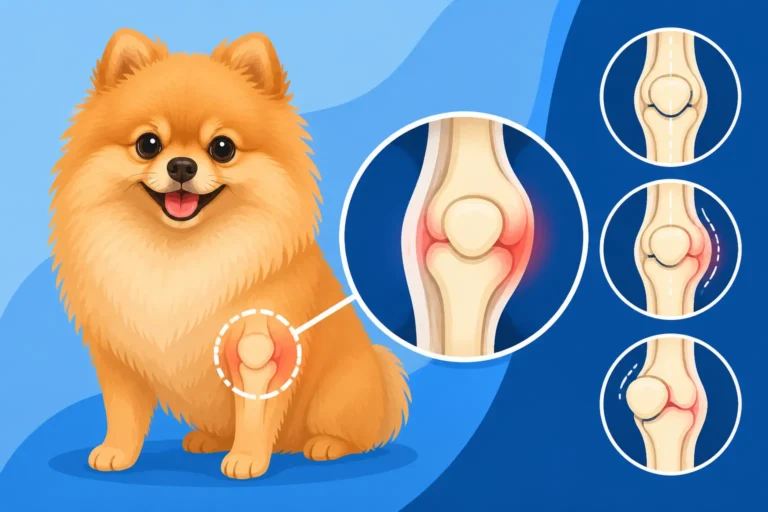
Preventing these secondary issues is rooted in consistent and strict adherence to all post-operative instructions, particularly regarding strict rest, the very controlled introduction of activity, and maintaining an ideal, healthy weight. Continuing with recommended joint support strategies and consistently utilizing protective measures like ramps and steps are all integral parts of safeguarding your Pomeranian's long-term mobility and overall joint health. It's a marathon, not a sprint, and your consistent, loving, and diligent care is the strongest defense against future orthopedic challenges. For a deeper understanding of how these issues are classified, you might find Grading Patellar Luxation in a Pomeranian to be an informative read.
Disclaimer
This guide is intended for informational purposes only and does not substitute for professional veterinary advice. Always consult with your veterinarian for any health concerns or before making any decisions about your Pomeranian's medical care.