Whether a Zwergspitz Is a Pomeranian
It’s a common point of confusion for so many aspiring Pomeranian owners: you’re researching breeders, looking at pedigrees, and suddenly you stumble upon this term, "Zwergspitz." Immediately, your mind races. Is this a different breed entirely? Am I looking at a mix? Have I been searching for the wrong dog all this time? It's perfectly natural to feel a bit lost in the terminology, especially with breeds that have deep historical roots and varying names across different countries. This guide is here to clear up that very question and help you understand once and for all what a Zwergspitz truly is in relation to the Pomeranian you adore.
Understanding the German Spitz Family Tree
To truly grasp the relationship between the Zwergspitz and the Pomeranian, we need to take a little trip back in time and explore the larger family they both belong to: the German Spitz. This isn't just one breed; it's a collection of related dogs, all sharing similar characteristics, but differentiated primarily by size. Think of it like a set of siblings, each with their own unique stature, but clearly from the same lineage.
The Historical Roots of the Spitz Breeds
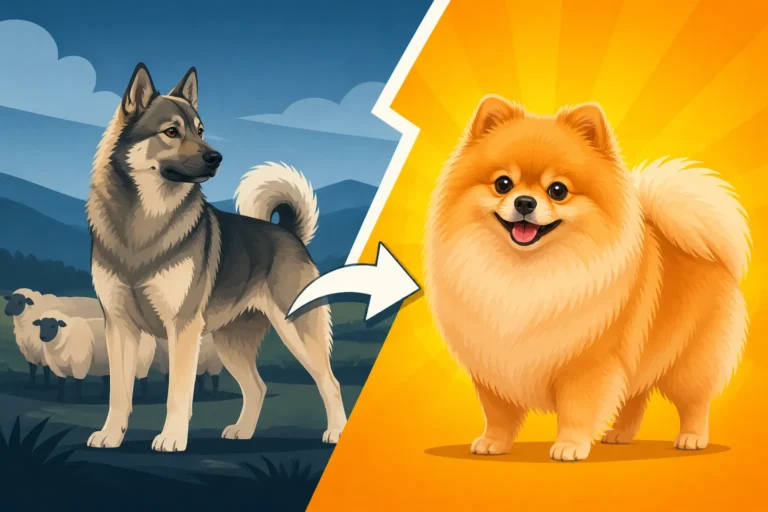
The German Spitz dogs are among the oldest breeds in Central Europe, and their history is rich and fascinating. They descend from the ancient peat dog, Canis familiaris palustris, and were originally robust, versatile working dogs found throughout Germany. These dogs weren't bred for specific tasks like hunting or herding in the way some other breeds were; rather, they were all-around farm and guard dogs, tasked with alerting their families to intruders and generally overseeing the property. Their keen senses, alert nature, and distinctive "Spitz" look – pointed ears, foxy faces, and curled tails – were highly valued. You might be surprised to learn about Pomerania and the Sled Dogs Behind the Pomeranian, as their ancestry connects back to these hardworking northern dogs.
Over centuries, as dog breeding became more formalized and distinct types began to emerge based on function and locale, different sizes of these Spitz dogs naturally developed. The larger ones might guard estates or pull small carts, while the smaller ones were more suited to being companions or watchdogs in homes and barges. The defining characteristic remained their unmistakable Spitz appearance and their spirited, loyal personalities.
Different Sizes, Same Core Traits
The German Spitz family is typically categorized into five distinct size varieties by the FCI (Fédération Cynologique Internationale), the global canine organization. These range from the largest, the Wolfspitz (which is essentially the Keeshond), down through the Giant Spitz, Medium Spitz, Miniature Spitz, and finally, the smallest, the Toy Spitz. Each size variety maintains that characteristic Spitz look: the plush double coat, the foxy head with alert, pointed ears, and the tail carried proudly over the back.
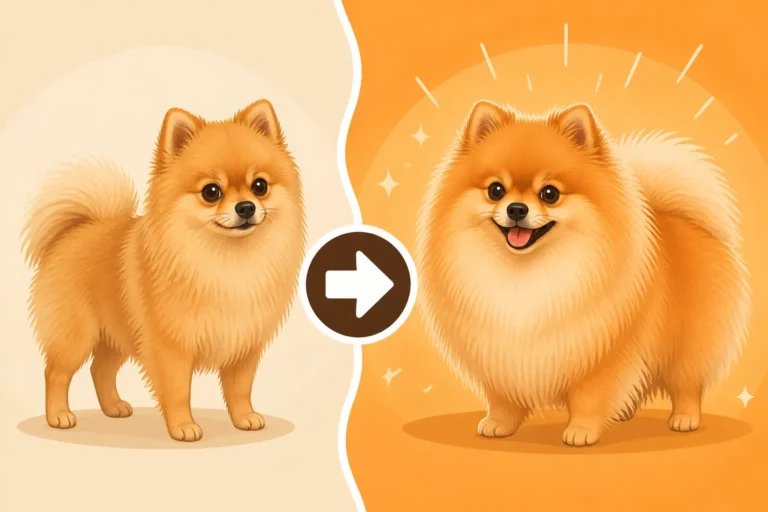
What's fascinating is how these different sizes developed. It wasn't always a case of deliberate, meticulous breeding programs as we know them today. Sometimes, smaller individuals within a litter might be preferred for certain roles or simply as companions, leading to a natural selection for reduced size over generations. This process ultimately led to the very small dogs we now recognize as Pomeranians. Despite the vast difference in size between a Wolfspitz and a Pomeranian, they share a common ancestor and many fundamental traits, like their intelligence, their often-vocal nature, and their fierce devotion to their families. Understanding The German Spitz Family a Pomeranian Belongs To really helps put this all into perspective.
The Zwergspitz: A Name, Not a Separate Breed
This is where we cut right to the chase and demystify the Zwergspitz. For many, this is the most confusing part, but once you understand it, it's quite simple!
Zwergspitz as a German Classification
In Germany and many other European countries, the term "Zwergspitz" literally translates to "Dwarf Spitz" or "Toy Spitz." It is the German name for the breed that English-speaking countries call the Pomeranian. That's right, they are one and the same! When you see a dog listed as a Zwergspitz by a European breeder or in a continental pedigree, they are referring to what you know as a Pomeranian. There is no separate "Zwergspitz breed" that is distinct from the Pomeranian. It’s simply a different linguistic label for the very same charming, fluffy companion.
This is a key piece of information for anyone looking to bring a Pomeranian into their home, especially if they are looking at international breeders or imported lines. You might think you're comparing two different types of dogs, but in reality, you're just seeing two names for the same breed. This linguistic difference highlights how deeply rooted the Pomeranian is within its German Spitz heritage, even as it gained popularity and a new name in other parts of the world, particularly in England and then America.
International Kennel Club Recognition
Different kennel clubs around the world classify and name breeds according to their own standards and traditions. While the American Kennel Club (AKC) and The Kennel Club (UK) refer to the breed exclusively as the "Pomeranian," the FCI, which governs many European countries, lists it under the German Spitz category, with "Zwergspitz" being the official designation for the smallest size. This is why the confusion arises. If you're looking at a dog registered with an FCI-affiliated club, it will be listed as a Zwergspitz, but if you're working with an AKC or UKC (United Kennel Club) breeder, it will always be a Pomeranian.
The standards for the Zwergspitz under the FCI system are virtually identical to the Pomeranian standards used by the AKC or The Kennel Club. They describe the same desired characteristics: the small stature, the well-plumed tail curled over the back, the bright, intelligent expression, and the profuse double coat. So, whether the paperwork says Zwergspitz or Pomeranian, you're looking for The Six to Seven Inches a Pomeranian Measures at the shoulder and that signature bold personality. It’s comforting to know that despite the different names, the breed's core identity remains consistent across most major kennel organizations.
Why the Confusion Lingers for Pomeranian Owners
Even after knowing that Zwergspitz is simply the European name for Pomeranian, the confusion persists for many. It’s not just about the name itself, but also about how that name impacts perception, research, and even interaction with other dog enthusiasts. The internet, while a powerful tool, can sometimes add to this jumble of information rather than clarify it.
Regional Naming Conventions and Translations
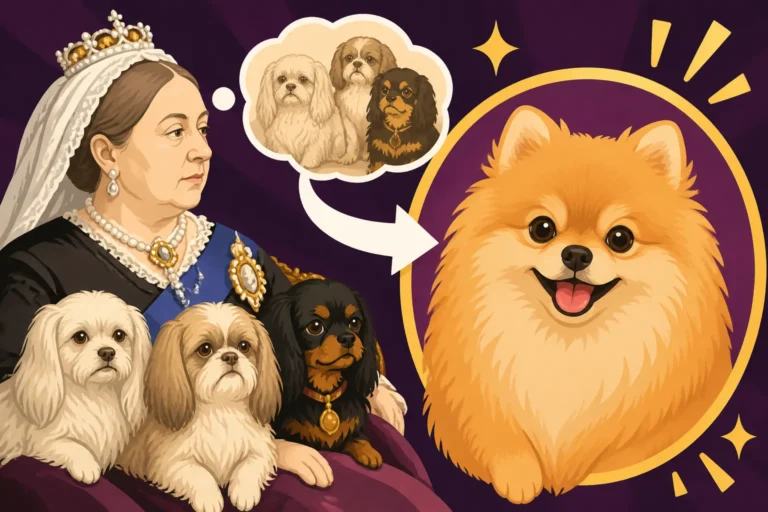
Imagine trying to order a common dish in different countries – "fries" in America might be "chips" in the UK, or "pommes frites" in France. It's the same food, just a different name. The same principle applies here. The historical evolution of the Pomeranian happened largely due to selective breeding that reduced the size of the larger German Spitzes. This was particularly influenced by British breeders, notably Queen Victoria, who famously adored the breed and had a significant impact on its miniaturization. As the breed gained popularity in England, it was named after the region of Pomerania (a historical region in Central Europe where these dogs were thought to have originated or been further developed from larger Spitz types), rather than maintaining the "Spitz" designation. This is a big part of How the Pomeranian Halved in Size in One Lifetime.
On the European continent, especially in Germany, the name Zwergspitz (Dwarf Spitz) stuck to denote the smallest variety of the German Spitz. So, it's not a matter of one name being "more correct" than the other, but rather a reflection of different cultural and historical naming conventions. This can be particularly frustrating when you're trying to research health issues or breed-specific care. You might find excellent articles online about "Zwergspitz care" and wonder if it applies to your "Pomeranian." Rest assured, it absolutely does. A guide on Feeding a Dog That Weighs What a Pomeranian Weighs will be just as relevant, regardless of the name used.
The Impact of Breeding and Popularity
The global popularity of the Pomeranian has also contributed to the naming confusion. With breeders and enthusiasts worldwide, the terms can sometimes get mixed and matched, or even intentionally misused. In some regions, a breeder might use "Zwergspitz" to imply a certain lineage or a "truer" type of Pomeranian, which isn't really accurate. It's just the regional name. This creates unnecessary anxiety for prospective owners who might feel they need to seek out a "Zwergspitz" to get the "best" Pomeranian, when in fact, they are just looking for a well-bred Pomeranian.
Furthermore, the internet allows for the easy dissemination of information from various countries. You might read forum discussions or breed descriptions that interchangeably use both terms, making it hard to discern if there’s a subtle difference you’re missing. The critical takeaway is that when referring to the small, fluffy dog we all love, Zwergspitz and Pomeranian are synonymous. Focus on the characteristics, health clearances, and ethical practices of the breeder, rather than getting hung up on the name. Whether a breeder mentions Zwergspitz or Pomeranian, you still want to ask about The Papers a Pomeranian Breeder Should Provide and ensure they are conducting proper health screenings.
Key Characteristics of the Pomeranian (Zwergspitz)
Since we've established that the Zwergspitz is the Pomeranian, let's dive into the defining characteristics of this beloved breed. These are the traits that make them unmistakable and adored by so many, regardless of what name you use.
Size, Weight, and Build
One of the most defining features of the Pomeranian is its diminutive size. The breed standard generally calls for dogs weighing between three and seven pounds, and standing about six to seven inches tall at the shoulder. This small stature is what earns them the "Toy Spitz" or "Dwarf Spitz" moniker. However, within this range, you can find slight variations. Some Poms might be a touch smaller, while others might lean towards the upper end of the weight spectrum.
Despite their small size, Pomeranians are surprisingly sturdy and well-built. They are not delicate or fragile in the way some other toy breeds can be, though their size naturally means they need careful handling to prevent accidental injury. They possess a compact body with a short back, giving them a square appearance. Their bone structure is fine but solid, and they move with a light, free, and graceful gait. It’s this combination of small size and robust build that makes them such appealing companions, as long as owners understand the need for Why Jumping Off Furniture Wrecks a Pomeranian's Knees and other safety measures. Their structure is why The Weight the Pomeranian Standard Requires is so important for show dogs.
The Iconic Double Coat and Grooming
Perhaps the most striking feature of the Pomeranian is its magnificent double coat. This isn't just fluffy hair; it's a meticulously designed natural insulation system, inherited from its colder-climate Spitz ancestors. The coat consists of two distinct layers: a soft, dense undercoat that provides warmth and cushioning, and a long, straight, harsh-textured outer coat of guard hairs that stand off from the body, giving the Pomeranian its characteristic puffball appearance. This outer coat is what contributes to the beautiful "ruff" around the neck and shoulders, and the abundant feathering on the legs and tail. This is truly The Double Coat That Makes a Pomeranian and Why It Stays On.
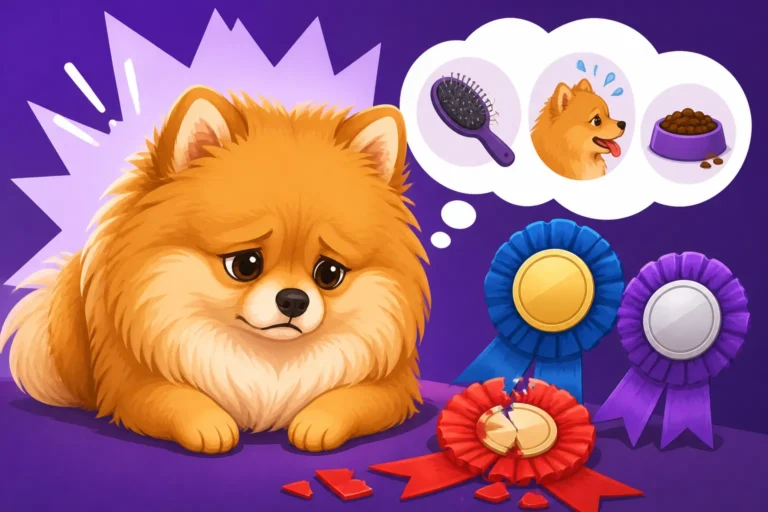
Maintaining this glorious coat is a significant part of Pomeranian ownership. Daily or every-other-day brushing is usually required to prevent mats and tangles, and to distribute natural oils. Without regular grooming, their dense undercoat can quickly become a matted mess, leading to skin issues and discomfort. Many owners find quality grooming tools and products from places like Chewy indispensable for keeping their Pom's coat in top condition. While some people opt for a "lion cut" or "teddy bear trim," it's crucial to understand Why Shaving a Pomeranian Can End Its Coat and always discuss trimming options with a professional groomer who specializes in double-coated breeds.
Pomeranians come in an astonishing array of colors and patterns, adding another layer of visual appeal. From the classic orange and red sables to striking blacks, whites, creams, blues, and parti-colors, there truly is a Pomeranian for every preference. You can explore Every Color a Pomeranian Comes In to appreciate the full spectrum.
Temperament and Personality Traits
Despite their small stature, Pomeranians possess a huge personality. They are often described as big dogs in small packages, and it's a fitting description. Poms are typically intelligent, inquisitive, and highly alert. They are known for their spirited and lively demeanor, often bubbling with enthusiasm and confidence. These dogs are fiercely loyal to their families and can be surprisingly protective, often serving as excellent little watchdogs with their keen sense of hearing and propensity for barking. If you've ever owned one, you know Why a Pomeranian Barks at Everything That Moves!
Their intelligence means they are generally quick learners, but they can also be quite independent and possess a stubborn streak, a trait common in many Spitz breeds. Consistent, positive reinforcement training from a young age is essential to harness their smarts and ensure they become well-mannered companions. They thrive on companionship and can be quite demanding of attention, wanting to be involved in all family activities. While they adapt well to apartment living due to their size, they still need regular exercise and mental stimulation to prevent boredom and destructive behaviors. Early socialization is also crucial, especially with children and other pets, to ensure they grow into well-adjusted adults. A Chewy starter kit for puppies often includes puzzle toys perfect for their intelligent minds.
| Feature | Description |
|---|---|
| Size | Typically 6-7 inches tall at the shoulder. |
| Weight | Generally 3-7 pounds. |
| Coat Type | Double coat: soft, dense undercoat and long, harsh, stand-off outer coat. Requires frequent brushing. |
| Colors | Wide variety including orange, red, black, cream, white, blue, sable, parti-color, and more. |
| Temperament | Intelligent, lively, alert, loyal, confident, and can be quite vocal. "Big dog in a small package" personality. Can be prone to stubbornness. |
| Energy Level | Moderate. Enjoys short walks, indoor play, and mental stimulation. |
| Lifespan | Typically 12-16 years, with proper care and good genetics. |
What This Means for Prospective Pomeranian Owners
Understanding that "Zwergspitz" and "Pomeranian" refer to the same breed is a fundamental piece of knowledge that will serve you well as you embark on your journey to welcome one of these incredible dogs into your life. It streamlines your research and helps you focus on what truly matters: finding a healthy, well-adjusted puppy from a responsible breeder.
Navigating Breeder Terminology
When you're searching for a Pomeranian puppy, you might encounter breeders who use the term "Zwergspitz," especially if they have European imports in their lines or are located in parts of the world where the FCI standard is dominant. Don't let this throw you off. Instead, use it as an opportunity to engage with the breeder and understand their background. A reputable breeder will be happy to explain their terminology and how their lines align with international standards. They will also be transparent about health testing, temperament, and the typical size and appearance of their puppies.
The key is to look beyond the name and focus on the overall quality and ethical practices of the breeder. Do they screen for common Pomeranian health issues like luxating patellas, tracheal collapse, and heart defects? Are they willing to show you where the puppies are raised and allow you to meet the parents? Do they provide proper documentation, including health guarantees and registration papers? These are far more important considerations than whether they call their dogs Pomeranians or Zwergspitzes. When researching, you'll want to delve into subjects like Whether a Pomeranian Needs a Cardiac Screen Before Breeding and Slipping Kneecaps in a Five Pound Pomeranian to ensure you're asking the right questions. Remember, the goal is to find a healthy, happy companion, regardless of the name on the certificate. You can also find a lot of guidance on what to look for on Chewy's informational pages.
Ensuring You Get a True Pomeranian
To ensure you're getting a true Pomeranian (or Zwergspitz, if you prefer!), always work with a reputable breeder who prioritizes the health and well-being of their dogs. Avoid breeders who focus solely on "rare" colors or "teacup" sizes without proper health considerations, as these can sometimes be red flags for unhealthy breeding practices. Responsible breeders will adhere to the breed standard, whether it's the AKC, The Kennel Club, or FCI version, which dictates the ideal size, appearance, and temperament of the breed.
Don't hesitate to ask for references, check reviews, and verify any health clearances. A good breeder will be a lifetime resource for you, offering support and advice as your puppy grows. They'll also provide a contract that outlines what you can expect, including a health guarantee. For ongoing care, remember that places like Chewy are excellent resources for breed-specific food, grooming supplies, and toys that cater to the unique needs of a Pomeranian. Ultimately, whether it's called a Pomeranian or a Zwergspitz, you're looking for a joyful, healthy member of your family. Understanding its heritage just makes you a more informed and confident owner, ready to give your little Spitz the best possible life.
Disclaimer
This article is for general informational purposes only and does not constitute professional advice. Laws, prices and regulations vary by location and change over time. Consult a qualified professional for guidance on your specific situation.