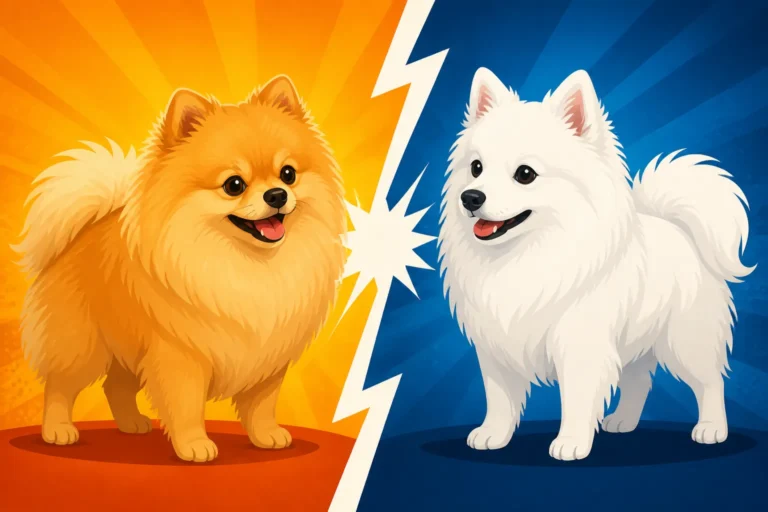
Whether Victoria’s Dogs Would Be Pomeranians Today
It's quite common for new Pomeranian owners, and even seasoned enthusiasts, to look at old paintings or read historical accounts and wonder: "Were those really Pomeranians? They look so different!" You might feel a disconnect between the fluffy, compact little dog prancing around your living room today and the larger, more robust Spitz-type dogs depicted in centuries past. This guide is here to unravel that delightful historical puzzle, exploring how the Pomeranian breed has transformed and whether Queen Victoria's beloved companions would even be recognized as Poms by today's exacting breed standards.
The Pomeranian of Queen Victoria's Era
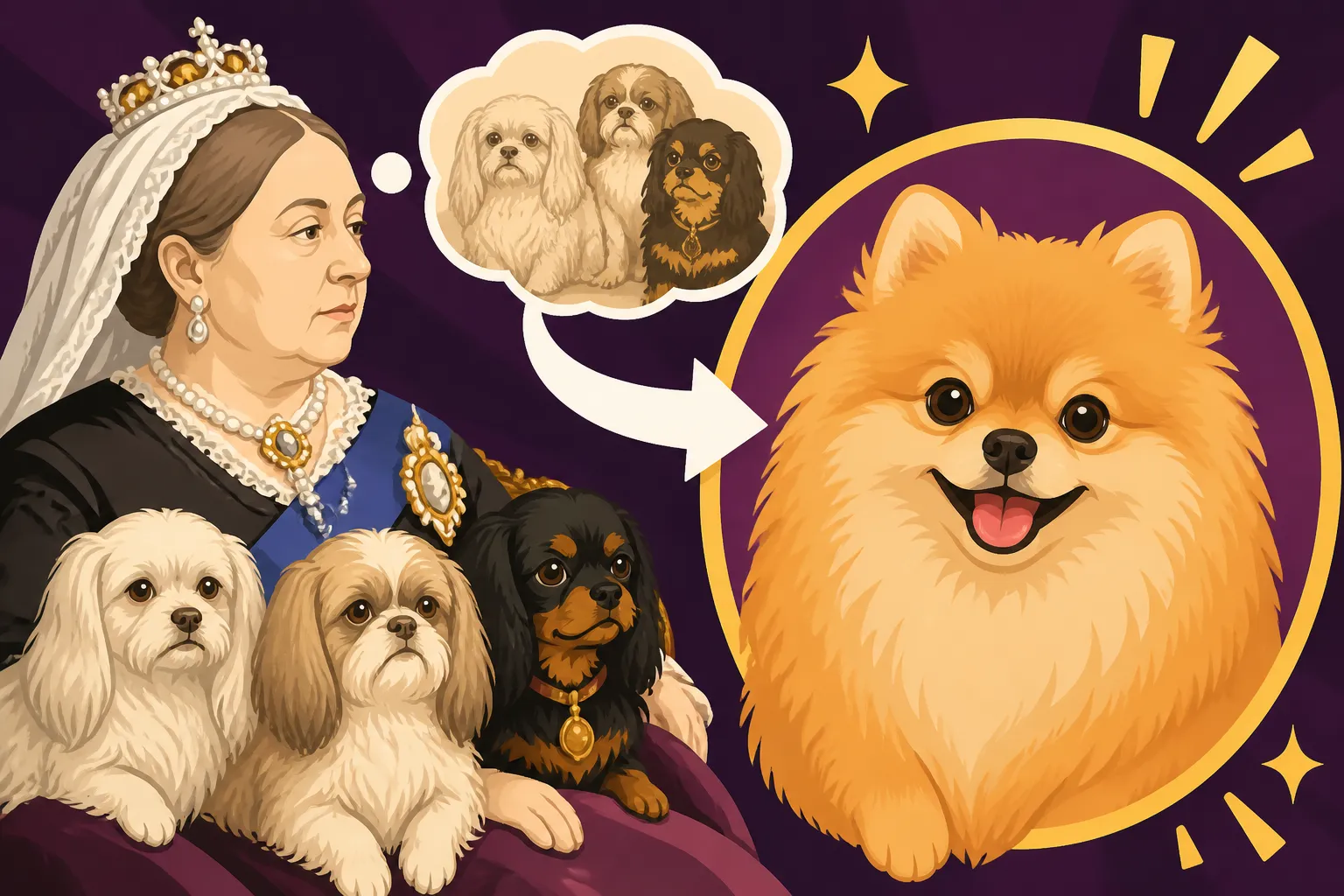
When we talk about Queen Victoria and her profound impact on the Pomeranian breed, it’s crucial to understand the "Pomeranian" she knew wasn't quite the same as the one we cherish now. Her reign, particularly the latter half, was a pivotal time for many dog breeds, as showing became popular and standards began to solidify. But even then, the dogs were in a state of flux, far from the highly refined creatures of the modern show ring.
A Larger, More Robust Spitz
Imagine a dog with the spirit and intelligence of a Pomeranian, but perhaps twice or even three times the size. That's closer to the reality of the dogs Queen Victoria encountered. These were still beautiful, often fluffy dogs, but they possessed a sturdier build, reflective of their northern Spitz ancestry. They weren't quite the small, delicate creatures we associate with toy breeds today. They might have weighed anywhere from 10 to 20 pounds, sometimes even more, rather than the tiny 3 to 7 pounds of the modern standard.
These dogs were robust and capable, more akin to what we might now call a German Spitz of a larger variety, like a Keeshond or a Mittelspitz. Their purpose wasn't solely ornamental; they often served as farm dogs, watchdogs, or even companions on long journeys. They had the signature Spitz curled tail and prick ears, and a dense double coat, but their overall proportions leaned towards functionality rather than extreme miniaturization. If you saw one of these dogs walking down the street today, you might think it was a mixed breed or a larger variety of Spitz, certainly not what immediately springs to mind when someone says "Pomeranian."
The Victorian Pomeranian's Role and Appearance
The Pomeranians of Victoria's time were known for their lively personalities and keen intelligence, much like today's Poms. However, their physical appearance was less standardized. While they possessed that characteristic double coat, it might not have been as profusely "stand-off" as the modern show Pom. Colors were likely more varied and less rigidly defined. We know Queen Victoria herself championed the breed after falling in love with a small red sable Pomeranian named Marco on a trip to Florence in 1888. Marco reportedly weighed around 12 pounds, which, while smaller than many Poms of his day, is still significantly larger than what is desirable in the show ring today. He was quite the trendsetter, and his moderate size encouraged breeders to pursue smaller specimens.
Before Victoria’s influence truly took hold, these dogs were working companions, valued for their alertness and companionship. Their appearance varied more regionally, depending on their specific lineage within the broader German Spitz family. They were often kept in stables or on estates, serving a more practical role than the lapdog status they would later attain. The idea of meticulously grooming a "show coat" or adhering to strict measurements was still in its infancy compared to the rigorous standards of the modern dog fancy. Many of the dogs referenced in early breed histories, even those called "Pomeranians," would appear quite substantial next to a contemporary show dog.
The Evolution of the Pomeranian Standard
The transformation of the Pomeranian from a larger, more varied Spitz to the tiny, fluffy dynamo we know today is a fascinating story of selective breeding, royal influence, and changing aesthetic preferences. It wasn't an overnight change but a gradual refinement over decades.
Victoria's Influence on Size Reduction
Queen Victoria's admiration for Marco, and her subsequent breeding program, undeniably kickstarted the drive toward a smaller Pomeranian. She famously exhibited her dogs, and her personal preference for smaller specimens had a massive ripple effect among breeders. Suddenly, the desirable trait wasn't just a robust, healthy Spitz, but one that was also petite and refined. This shift wasn't without its challenges, of course. Rapidly breeding for size reduction can sometimes lead to unforeseen health issues, but the trend was set. Marco, Victoria's Pomeranian, and the Year 1888 really marks a turning point in the breed's history, cementing its place in the public eye and establishing the new direction for its development.
The very concept of a "toy dog" as a fashion accessory or a dedicated lap companion gained immense popularity during the Victorian era. As society evolved, the practical working roles of many dog breeds diminished, and their aesthetic qualities and suitability for indoor living became paramount. For the Pomeranian, this meant a concerted effort to miniaturize while retaining the charm and coat quality that made them so appealing. This period saw kennels actively selecting for the smallest, daintiest puppies, slowly but surely shrinking the average size of the breed.
The Drive for a Smaller, More Compact Dog
Following Victoria's lead, the formal breed clubs, like the Kennel Club in England (established in 1873) and later the American Kennel Club (AKC, 1884), began to formalize breed standards. These standards increasingly emphasized the smaller size that Victoria had favored. What started as a preference became a requirement for show dogs. Breeders dedicated themselves to refining the Pomeranian's features: a shorter muzzle, a more profuse double coat, and that distinct foxy expression, all while continuously reducing the overall size and weight.
This drive wasn't just about weight; it was also about proportion and overall compactness. The goal was to create a dog that was small, yes, but also well-balanced and sturdy for its size, not just a miniature version of its larger ancestors. This often meant careful selection for certain bone structures and head shapes. The dedication of early breeders to this new vision of the Pomeranian is what ultimately gave us the breed we recognize today, drastically different from The Twenty Five Pound Pomeranian of the 1800s that existed before this focused breeding effort. The efforts to achieve this smaller size were quite remarkable, fundamentally altering the physical characteristics of the breed within a relatively short historical span.
Modern Pomeranian Characteristics and Standards
So, if Queen Victoria's Poms wouldn't pass muster today, what does make a Pomeranian a Pomeranian in the eyes of modern breed standards? It comes down to a very specific set of characteristics, all designed to produce a compact, animated, and beautifully coated toy dog.
The Miniature Size and Plush Double Coat
The most striking characteristic of the modern Pomeranian is its diminutive size. The breed standard generally calls for dogs between 3 and 7 pounds, though some variations exist between kennel clubs. This makes them one of the smallest toy breeds, and certainly a far cry from Marco's 12 pounds. Along with size, the coat is paramount. A hallmark of the breed is its abundant, double coat, with a soft, fluffy undercoat and a long, straight, harsh outer coat that stands off from the body, giving the dog its characteristic "puffball" appearance. The Stand Off Coat a Pomeranian Must Have is not just a preference; it's a defining feature.
This profuse coat requires diligent care. Weekly brushing, often more frequent during seasonal shedding, is essential to prevent mats and keep the coat healthy. Many owners use specific grooming tools, which you can often find on sites like Chewy, to manage this dense fur. The goal is a coat that looks full and vibrant, almost like a halo around the dog's small body. This emphasis on coat volume and texture is a direct result of decades of selective breeding, aiming for a visual impact that was less of a priority for their Victorian ancestors.
Head, Expression, and Tail Carriage in Today's Pom
Beyond size and coat, the modern Pomeranian has specific requirements for its head, expression, and tail carriage. The head should be wedge-shaped, proportionate to the body, with a refined, foxy expression. The eyes are usually dark, bright, and almond-shaped, conveying intelligence and curiosity. Ears are small, erect, and set high on the head, barely visible within the ruff of fur. The muzzle is fine, not too long, and tapering.
Perhaps one of the most distinctive features is the tail. It should be set high and lie flat and straight on the back, often fanning out luxuriantly over the back, adding to the breed's overall balanced and ornate appearance. This perfectly plumed tail is a signature of the breed and contributes significantly to its silhouette in the show ring. Every one of these physical traits has been carefully selected and refined over generations to create the iconic Pomeranian look we adore today, a look that would have been far less consistent and pronounced in Victoria's time.
| Feature | Victorian-Era Pomeranian (Approx.) | Modern Pomeranian (Standard) |
|---|---|---|
| Weight | 10-20+ pounds | 3-7 pounds |
| Height | Taller, less compact | 6-7 inches at the shoulder |
| Build | More robust, sturdier | Compact, delicate but sturdy |
| Coat | Dense double coat, variable "stand-off" | Profuse double coat, very "stand-off" |
| Muzzle | Longer, more fox-like | Shorter, refined, fox-like |
| Tail | Curled over back, less profuse plume | High set, flat on back, profuse plume |
| Overall Look | Larger German Spitz-type | Miniature, fluffy toy breed |
Key Differences Between Victorian and Modern Poms
The visual discrepancies between a Pomeranian from Queen Victoria's era and one today are quite stark, highlighting how much dedicated breeding can alter a canine's appearance over time. It's not just a matter of slight variation; it's a fundamental shift in size, proportion, and aesthetic.
Size and Weight Discrepancies
The most glaring difference, as we’ve discussed, is undeniably size. Queen Victoria's beloved Marco, at 12 pounds, would be considered significantly oversized by today's breed standards. Modern Pomeranians are bred to be true toy dogs, typically falling within that 3-7 pound range. This isn't just a number; it impacts everything from their activity levels to how they interact with their environment. A 15-pound dog, even a small one, experiences the world very differently from a 5-pound dog. This miniaturization has also led to a more delicate skeletal structure, requiring owners to be particularly mindful of their Pom's safety, especially when it comes to falls or rough play. The Six to Seven Inches a Pomeranian Measures is a strict guideline for current breeders.
Imagine trying to fit a 15-pound Victorian Pomeranian into a modern airline-approved under-seat carrier – it would be a tight squeeze, if even possible! Today's Poms, on the other hand, often fit comfortably into such carriers, making them popular travel companions. This size difference also affects dietary needs. A larger Victorian Pom would have required more calories and a larger portion size than the tiny meals a modern Pom consumes. For example, a 5-pound Pom might only need a quarter to a half cup of high-quality kibble per day, easily measured and sourced from reputable brands like those found on Chewy.
Coat Texture and Color Variety
While both Victorian and modern Poms boast double coats, the quality and quantity of that coat have changed considerably. Modern Poms are prized for an exceptionally profuse, stand-off coat that creates a dramatic, rounded silhouette. The guard hairs are harsh, and the undercoat is dense, giving it a fluffy, almost cloud-like appearance that stands away from the body. This level of coat density and lift wasn't as consistently present or emphasized in the earlier, larger Pomeranians, which likely had a more functional, less ornamental coat. Whether the Pomeranian Coat Has Grown Denser Over Time is a question answered by looking at these historical differences.
Furthermore, while Poms have always come in a variety of colors, the standards for these colors have become much more defined and specific in the modern era. Early Poms might have shown a broader range of less distinct colors or patterns. Today, each color, from clear orange to jet black, cream, sable, and parti-color, is meticulously described and judged. The breeding for specific coat colors and patterns has become a fine art, aiming for clarity and brilliance. This exacting attention to detail in both coat texture and color contributes to the distinct and immediately recognizable appearance of the contemporary Pomeranian, a far cry from the more generalized look of its ancestors.
The Impact of Breeding Practices
The radical transformation of the Pomeranian wasn't accidental; it was the direct result of intentional, focused breeding choices made by dedicated (and sometimes opportunistic) breeders over many generations. These choices had both intended and unintended consequences, shaping not only the breed's appearance but also its health profile.
Selective Breeding for Toy Traits
The move to miniaturize the Pomeranian was a deliberate effort to emphasize "toy" characteristics. This meant not just shrinking the dog, but also selecting for traits often associated with companion animals: a more domed skull, a shorter muzzle, larger-appearing eyes (due to skull proportion), and a generally more "cute" or "baby-like" appearance. Breeders carefully chose parent dogs that displayed these desirable traits, hoping to reproduce them in their offspring. This intensive selection is How Breeders Selected Pomeranians Down in Size, leading to the compact, foxy-faced dogs we see today.
This process involves understanding genetics and making difficult decisions about which dogs to breed. It's a testament to the power of selective breeding that such significant changes could be made within a relatively short period. However, it also highlights the responsibility breeders carry. When focusing intensely on certain aesthetic traits, it's vital to simultaneously consider the health and temperament of the animals. Responsible breeders today strive to balance these factors, ensuring that the pursuit of beauty doesn't compromise the dog's well-being.
Health Considerations with Miniaturization
While the pursuit of a smaller, more aesthetically refined Pomeranian yielded the adorable dogs we know, it wasn't without its potential health trade-offs. Extreme miniaturization in any breed can sometimes exacerbate certain genetic predispositions or introduce new vulnerabilities. For Pomeranians, this means being particularly aware of conditions such as The Honking Cough of a Pomeranian's Collapsing Windpipe, Slipping Kneecaps in a Five Pound Pomeranian, and Blood Sugar Crashes in a Pomeranian Puppy. These are concerns that are more prevalent in smaller breeds.
Reputable breeders today conduct health screenings for these and other conditions, such as patellar luxation and cardiac issues, to try and mitigate risks in their lines. It's a constant balancing act between maintaining breed type and ensuring the health and longevity of the dogs. As a prospective owner, understanding these potential health considerations is crucial, and it’s why questions about a puppy's parents' health clearances are so important. The journey to the modern Pomeranian is a powerful example of how human preferences, when applied through breeding, can dramatically alter a species, for better or worse. The Health Cost of Breeding Pomeranians Under Three Pounds highlights why ethical breeding practices are so vital today.
Recognizing a Pomeranian Today
When you encounter a Pomeranian now, you're looking at the culmination of over a century of deliberate breeding, refinement, and adherence to a very specific set of aesthetic and physical standards. These standards are what distinguish a show-quality Pomeranian from a well-loved pet, and what sets the breed apart from its larger Spitz cousins.
What Puts a Pomeranian Out of the Ribbons
In the competitive world of dog shows, very specific faults can lead to a Pomeranian being "out of the ribbons" (meaning it won't place). Size is a huge one; a Pomeranian significantly over or under the 3-7 pound weight range is a serious fault. Missing that characteristic double, stand-off coat is another major issue. If the coat is soft, silky, or sparse, it won't meet the standard. Ears that are too large, drop, or are set too low will also be penalized, as will eyes that are round, light, or too prominent.
Beyond these, any deviation from the desired foxy expression, an incorrect tail set or carriage (if it doesn't lie flat on the back), or poor movement can count against a dog. Imagine a Pomeranian with a flat coat, long floppy ears, and weighing 10 pounds – while it might be a wonderful pet, it wouldn't be recognized as a quality example of the modern breed type in the show ring. These strict criteria are what drive breeders to continuously refine their lines, aiming for that perfect balance of structure, coat, and temperament.
The Standard as a Guide, Not a Strict Template
While breed standards are precise and influential, it's also important to remember they serve as an ideal. Not every Pomeranian needs to be a show champion to be a perfect family pet. Many Poms are bred as companions first and foremost, and while they might possess most of the breed characteristics, they might not meet every single nuance of the written standard. For example, a pet Pomeranian might weigh 8 pounds, or have a slightly less profuse coat, but still embody the spirit and charm of the breed. These slight deviations don't diminish their value as loving companions.
The standard ensures the breed maintains its unique identity and characteristics over generations, but it’s not meant to exclude healthy, happy dogs that bring joy to their families. Whether your Pomeranian is a champion in the ring or a cuddly monarch of your sofa, what truly matters is their health, happiness, and the bond you share. You can find a wide range of products for Pomeranians of all shapes and sizes, from specialized small-breed food to grooming supplies, at retailers like Chewy, catering to every Pom, whether show-bound or simply beloved.
Disclaimer
This article is for general informational purposes only and does not constitute professional advice. Laws, prices and regulations vary by location and change over time. Consult a qualified professional for guidance on your specific situation.