The Pomeranian Against the Chihuahua
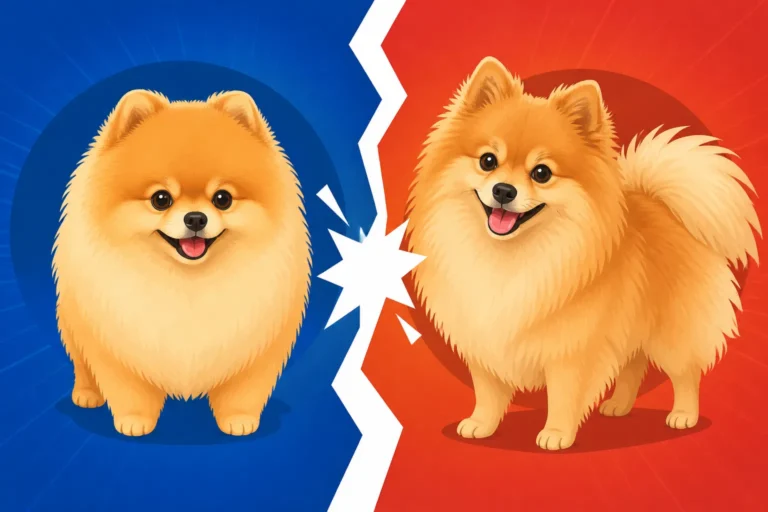
Choosing between a Pomeranian and a Chihuahua is a delightful dilemma, yet one that comes with a lot of questions for prospective dog parents. Both breeds are undeniably charming, tiny powerhouses with big personalities, but they each bring a unique set of needs, quirks, and challenges to your home. This guide will walk you through the distinct characteristics of these beloved toy breeds, helping you understand their differences in temperament, care, and overall lifestyle fit so you can make an informed decision that's perfect for you and your future furry companion.
Origins and Breed Standards: A Tale of Two Tiny Worlds
When you look at a Pomeranian and a Chihuahua, it's clear they're both small dogs, but their histories and what makes them "official" in the dog world are remarkably different. Understanding their roots helps explain some of their inherent traits and even their physical makeup.
The Spitz Legacy vs. Ancient Mexican Roots
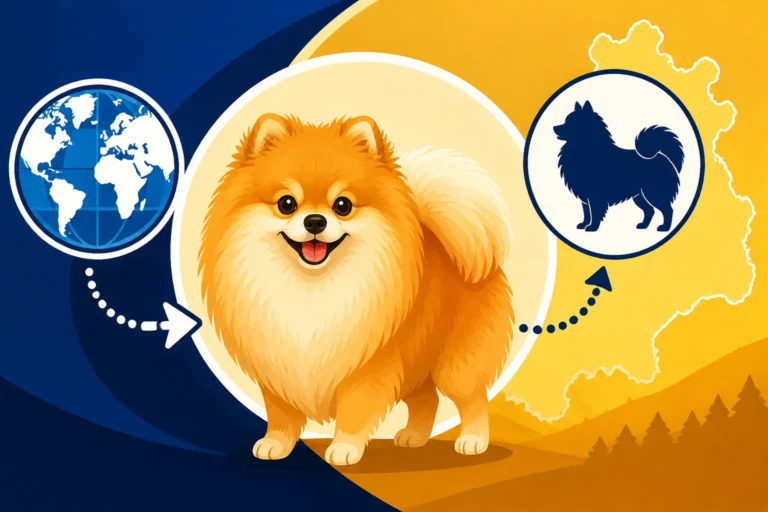
The Pomeranian's lineage is fascinatingly robust for such a small creature. They descend from larger Spitz-type dogs that originated in the province of Pomerania, a region now split between Germany and Poland. These ancestors were sturdy working dogs, often much larger than today's Poms, weighing in at 25-30 pounds. They were used for herding and guarding livestock, even pulling small sleds. Over generations, particularly with the influence of breeders like Queen Victoria in the late 19th century, the breed was carefully downsized to the adorable, fluffy companion we know today. This heritage gives Poms their intelligence, boldness, and often, a surprising amount of stamina and independence for their size. Their "big dog in a small body" mentality really comes from this history.
On the other hand, the Chihuahua's story stretches back to ancient Mexico, where they are believed to be descendants of the Techichi, a small companion dog favored by the Toltec and Aztec civilizations. Imagine tiny dogs with a significant spiritual and cultural role! These dogs were thought to guide souls in the afterlife and were cherished companions. This ancient history has ingrained in the Chihuahua a deep loyalty and a tendency to bond fiercely with one or two people. Unlike the Pomeranian, the Chihuahua wasn't bred down from a larger working dog; they've always been small, evolving alongside human civilization in Central America. This means their physical structure and some behavioral tendencies are entirely unique to their specific, long-standing small stature.
Size, Shape, and Official Appearance
While both breeds are toy dogs, their official standards highlight distinct physical differences. A typical Pomeranian, according to breed standards, weighs between 3 and 7 pounds and stands about 6 to 7 inches at the shoulder. They are known for their compact body, a wedge-shaped head that gives them a fox-like expression, and small, erect ears. The most striking feature, of course, is their magnificent double coat—a dense, soft undercoat and a long, straight, harsh outer coat that stands off the body, particularly forming a prominent ruff around the neck and feathering on the tail. This coat, combined with their lively expression, gives them an undeniable air of regal fluffiness. Their tail typically curls up and over their back, often fanning out beautifully. The Six to Seven Inches a Pomeranian Measures is a key component of their breed standard.
Chihuahuas, conversely, are the smallest dog breed in the world, usually weighing between 2 and 6 pounds. Their height can vary, but generally, they are no taller than 9 inches. Chihuahuas come in two distinct coat types: smooth coat (short and close to the body) and long coat (soft, slightly wavy, with feathering on the ears, legs, and tail). They are also recognized for two head types: the "apple head," which is rounder with a pronounced stop (the indentation between the forehead and snout), and the "deer head," which has a longer snout and a less prominent stop. Their ears are large, erect, and expressive. Unlike the Pomeranian's profuse coat, the Chihuahua's coat, even the long-haired variety, lies much flatter to the body, emphasizing their delicate frame. Despite their delicate appearance, they are surprisingly hardy, but their small size does make them prone to certain vulnerabilities.
Temperament and Personality: Pint-Sized Powerhouses
When you welcome a tiny dog into your home, you might expect a quiet, docile lapdog. With Pomeranians and Chihuahuas, you'll get a lapdog, certainly, but you'll also get a huge personality packed into that small frame. Both breeds are known for their spirited nature, but the way they express it can differ quite a bit.
The Bold and the Sassy: Pomeranian Traits
Pomeranians are often described as having a "big dog personality in a small dog body." They are incredibly intelligent, curious, and, let's be honest, can be quite sassy! Poms are alert and make excellent watchdogs, often barking at anything new or suspicious. This makes them great at letting you know when the mail carrier arrives or a squirrel scampers across the yard, but it also means their barking can become a habit if not managed. The Doorbell and the Pomeranian Response is a classic example. They thrive on attention and are generally outgoing, enjoying interactions with their family and even friendly strangers once they've deemed them acceptable.
However, their intelligence also comes with a stubborn streak. If a Pomeranian doesn't want to do something, they can be quite adept at ignoring you. This isn't out of malice, but simply a strong will. They need consistent, positive reinforcement training from a young age to channel their smarts productively. They love to learn tricks and participate in dog sports like agility, proving they are far more than just pretty faces. Because they were bred from larger working dogs, they often carry a confidence that allows them to interact with other dogs without undue fear, though supervision is always key when small dogs play with larger ones.
The Fierce and the Loyal: Chihuahua Traits
Chihuahuas, on the other hand, are renowned for their intense loyalty and devotion to their chosen person. They often become "one-person dogs," forming an incredibly strong bond that can sometimes border on possessiveness. While this devotion is endearing, it can lead to protectiveness around strangers or other pets if not properly socialized. A Chihuahua might be timid and reserved with new people, or they might be quite bold and sassy, depending on their individual personality and early experiences. They often love to burrow under blankets and snuggle close, seeking warmth and comfort.
Chihuahuas are known for their vivacious and sometimes feisty nature. They can be incredibly playful and energetic, zipping around the house and demanding attention. Their small size doesn't deter them from believing they are fierce protectors, and they won't hesitate to stand up to perceived threats, regardless of size. This can sometimes manifest as nipping or growling if they feel scared or threatened, especially if they haven't been properly socialized or if their boundaries aren't respected. Their shivering, often mistaken for fear, can also be a sign of excitement, cold, or even just high energy.
Socializing for a Harmonious Home
For both Pomeranians and Chihuahuas, early and consistent socialization is absolutely crucial. Without it, both breeds can develop what's often referred to as "small dog syndrome," where they become overly dominant, fearful, or reactive due to a lack of exposure to different environments, people, and other animals. This isn't a fault of the dog, but a consequence of insufficient training and socialization.
Exposing your puppy to a wide variety of sights, sounds, smells, people, and well-behaved dogs during their critical socialization period (roughly 3 to 16 weeks of age) helps them grow into confident, well-adjusted adults. For a Pomeranian, this might involve meeting various types of people, getting used to different noises like the vacuum cleaner, and having positive interactions with other small, gentle dogs. For a Chihuahua, it’s equally important, perhaps even more so for those prone to timidity, to ensure these experiences are positive and not overwhelming. Think gentle introductions, plenty of treats, and never forcing interactions.
It's also vital to teach children how to interact respectfully with these tiny dogs. A Pomeranian in a House With Small Children requires careful supervision, as accidental drops or rough handling can easily injure such delicate creatures. The same goes for interactions with larger dogs; even the gentlest giant can accidentally harm a tiny Pom or Chi. Introducing a Pomeranian to a Larger Dog should always be done gradually and with full supervision to ensure safety for both animals. Consistency in training and setting clear boundaries from day one will prevent either breed from becoming overly demanding or exhibiting unwanted behaviors.
Health and Lifespan: Fragility in a Tiny Package
Owning a small breed dog means understanding their unique health vulnerabilities. Both Pomeranians and Chihuahuas, while generally hardy for their size, are predisposed to certain conditions that prospective owners should be aware of. Being prepared and proactive can significantly impact their quality of life and longevity.
Common Pomeranian Health Concerns
Pomeranians, despite their fluffy exterior, can be prone to several health issues, often related to their delicate structure and rapid miniaturization over generations.
- Tracheal Collapse: This is one of the most common and concerning issues for Pomeranians. Their tiny windpipes can weaken and collapse, leading to a distinctive honking cough, especially when excited, pulling on a leash, or drinking water. The Honking Cough of a Pomeranian's Collapsing Windpipe is a sound no Pom owner wants to hear. Using a harness instead of a collar is absolutely vital to protect their delicate trachea.
- Luxating Patellas (Slipping Kneecaps): Another prevalent orthopedic problem where the kneecap slips out of place. This can cause intermittent lameness, a skip in their step, or pain. Slipping Kneecaps in a Five Pound Pomeranian is a common diagnosis, and severity can range from mild to requiring surgical intervention.
- Dental Disease: Due to their small jaws, Pomeranians often suffer from overcrowded teeth, which makes them highly susceptible to plaque and tartar buildup, leading to gum disease and tooth loss. Dental Disease in a Mouth the Size of a Pomeranian's is almost a given without diligent daily care.
- Hypoglycemia (Low Blood Sugar): Especially in puppies, Pomeranians can experience sudden drops in blood sugar, particularly if they miss meals or are stressed. Blood Sugar Crashes in a Pomeranian Puppy can be serious and requires immediate attention, often by rubbing honey or corn syrup on their gums.
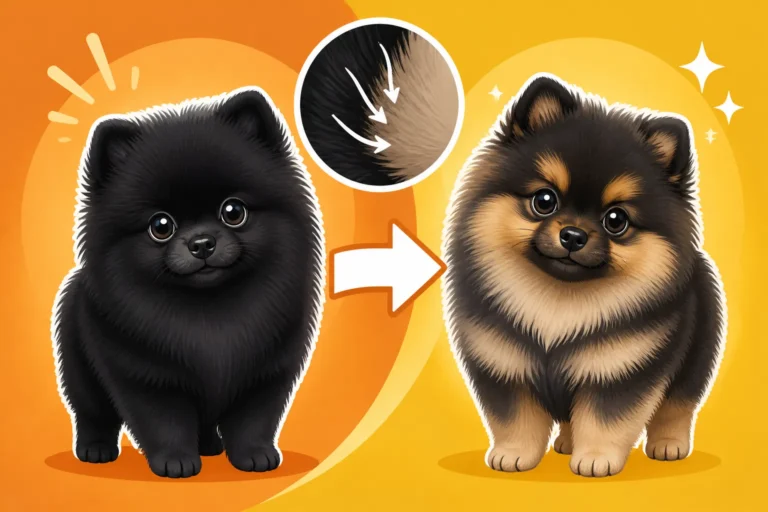
- Alopecia X (Black Skin Disease): This genetic condition causes progressive hair loss, often starting on the hindquarters and eventually affecting most of the body, leaving patches of black skin. While not life-threatening, it dramatically alters their appearance and requires careful skin care.
Common Chihuahua Health Concerns
Chihuahuas also come with their own set of potential health challenges, many shared with other small breeds due to their tiny stature.
- Patellar Luxation: Just like Pomeranians, Chihuahuas are highly prone to slipping kneecaps. This can impact their mobility and lead to arthritis later in life.
- Dental Disease: Their extremely small mouths are perfect breeding grounds for dental issues. Overcrowding, retained baby teeth, and rapid plaque accumulation are common, necessitating meticulous oral hygiene.
- Hydrocephalus (Water on the Brain): More common in apple-head Chihuahuas, this is a condition where cerebrospinal fluid builds up in the brain, often causing neurological symptoms.
- Open Fontanelle: Many Chihuahuas are born with a soft spot on their skull, similar to a human baby's fontanelle, which may not fully close. This requires extra caution to prevent head injuries.
- Heart Problems: Chihuahuas can be susceptible to certain heart conditions, such as patent ductus arteriosus (PDA) and mitral valve disease, which may require monitoring and medication.
Lifespan and Care Considerations
Both Pomeranians and Chihuahuas are relatively long-lived breeds, often gracing their families with 12 to 16 years of companionship, sometimes even longer! However, this longevity is heavily dependent on excellent preventative care and early intervention for any health issues that arise. Regular veterinary check-ups are non-negotiable. Your vet will monitor their weight, listen to their heart and lungs, and check their patellas and teeth.
For Pomeranians, managing their weight is important for their joints and trachea. For Chihuahuas, protecting their delicate heads and managing potential heart issues are key. Discussing appropriate vaccinations and parasite prevention with your vet is also critical. When any medical procedure is needed, especially one requiring sedation or general anesthesia, it's important to remember that toy breeds have unique considerations. Anesthesia Risk in a Four Pound Pomeranian (and similar size Chihuahuas) can be higher due to their small body mass and faster metabolism, making thorough pre-anesthetic bloodwork and careful monitoring essential. Choosing a vet experienced with tiny breeds is always a wise decision.
Grooming and Maintenance: Coats of Many Textures
The visual difference between a Pomeranian's fluffy coat and a Chihuahua's sleek or feathery one hints at the significant differences in their grooming needs. While neither breed demands daily professional salon visits, understanding their specific requirements is crucial for their health and comfort.
The Pomeranian's Glorious Double Coat
The Pomeranian's most defining feature is undoubtedly its magnificent double coat. This isn't just for show; it's a functional coat designed to protect them from the elements, harkening back to their Northern Spitz ancestors. They have a soft, dense undercoat that provides insulation and warmth, and a longer, coarser outer coat of guard hairs that repel dirt and moisture. The Double Coat That Makes a Pomeranian and Why It Stays On truly defines their look.
This beautiful coat requires significant maintenance to stay healthy and mat-free. Regular brushing, ideally 3-4 times a week, is essential to prevent mats and tangles, especially behind the ears, in the armpits, and around their britches. A good slicker brush and a metal comb are your best friends. During seasonal coat blows, when they shed their undercoat (which can be quite dramatic!), daily brushing is almost a necessity.
Bathing should be done as needed, typically every 2-4 weeks, using a high-quality shampoo and conditioner designed for double coats. After bathing, thoroughly blow-drying the coat is important to prevent matting and ensure their skin can breathe. You'll also need to keep their nails trimmed regularly, clean their ears, and perform sanitary trims around their hindquarters. All these grooming tools, from brushes to shampoos to nail trimmers, can be easily found at pet supply retailers like Chewy.
Chihuahua Coat Care: Smooth vs. Long
Chihuahuas offer a bit more variety in their grooming needs, depending on whether you have a smooth-coat or long-coat variety.
- Smooth-Coat Chihuahuas: These pups are incredibly low-maintenance. Their short, sleek coats shed, but not excessively, and require minimal brushing—once a week with a rubber curry brush or a soft bristled brush is usually sufficient to remove loose hair and keep their coat shiny. Baths are only needed every few weeks or when they get dirty.
- Long-Coat Chihuahuas: While still less demanding than a Pomeranian, long-coat Chihuahuas do require a bit more attention. Their longer, softer fur, especially the feathering on their ears, legs, and tail, can tangle. Weekly brushing with a pin brush and comb will help prevent mats and keep their coat looking its best. They may need more frequent bathing than smooth-coats, especially if their longer hair gets dirty.
Regardless of coat type, Chihuahuas also need regular nail trims and ear cleaning. Their large, erect ears can sometimes collect dirt or wax, so a gentle wipe with a vet-approved ear cleaner is a good practice.
Dental Hygiene for Tiny Mouths
For both Pomeranians and Chihuahuas, dental care is paramount and deserves its own highlight. As discussed, their small, crowded mouths are highly susceptible to periodontal disease, which can lead to pain, infection, and even impact their overall health.
Daily tooth brushing is the gold standard for both breeds. This might seem like a lot, but it’s the most effective way to prevent plaque and tartar buildup. Start when they are puppies to get them accustomed to it, using a small, soft-bristled toothbrush and enzymatic dog toothpaste (never human toothpaste!). In addition to daily brushing, professional dental cleanings under anesthesia, performed by your veterinarian, are often necessary every 1-2 years to address any buildup that home care can't reach. There are also dental chews and water additives that can complement daily brushing, but they are rarely a substitute. You can find a wide selection of small dog toothbrushes, toothpastes, and dental chews appropriate for tiny mouths from reputable online stores like Chewy. Investing in their dental health upfront can save you significant veterinary bills and prevent your tiny companion from suffering in silence.
Training and Activity Needs: More Than Lap Warmers
It's easy to assume that small dogs like Pomeranians and Chihuahuas don't need much training or exercise. This couldn't be further from the truth! Both breeds are intelligent, active, and thrive with proper mental and physical stimulation, even if that stimulation looks a bit different than for a large working dog.
Training Challenges and Successes
Both breeds are highly intelligent, which is a double-edged sword when it comes to training. They can pick up commands quickly, but they can also use their intelligence to manipulate situations to their advantage, especially if they sense inconsistency.
- Pomeranians: Poms are often eager to please but can be stubborn. They respond very well to positive reinforcement, clicker training, and reward-based methods. Consistency is key. House training can sometimes be a challenge, partly due to their small bladders and partly because they can be easily distracted or decide they'd rather not go out in the rain. Whether a Pomeranian Is Stubborn or Just Bored often points to the need for engaging training sessions to hold their attention. Their alert barking can also be a training focus, teaching them when to bark and when to be quiet.
- Chihuahuas: Chihuahuas are notoriously smart and can be very quick learners when motivated. However, their strong-willed nature and tendency towards being "one-person dogs" can sometimes make group classes a bit more challenging. Early house training is essential, and consistency is, again, paramount. Many Chihuahua owners find success with pee pads alongside outdoor training, but this can sometimes create confusion for the dog. They can also be prone to leash reactivity or snapping if they feel threatened, which positive reinforcement and desensitization training can help mitigate.
For both breeds, keeping training sessions short, fun, and engaging is key to maintaining their interest. Treats, praise, and favorite toys work wonders. Early puppy classes are highly recommended for socialization and basic obedience.
Exercise Requirements for Small Dogs
While they won't be running marathons, both Pomeranians and Chihuahuas are more active than many people realize and require daily exercise to stay healthy and happy.
- Pomeranians: Despite their small size, Poms are quite energetic and playful. They enjoy short walks (15-20 minutes, once or twice a day), playtime in a securely fenced yard, or engaging indoor games. They love toys and can entertain themselves with puzzle toys or chasing a ball. Their strong prey drive means they should always be leashed when outside of a secure area. Without adequate exercise and mental stimulation, they can become bored and resort to unwanted behaviors like excessive barking or destructive chewing. Games That Tire a Pomeranian Indoors are perfect for colder weather or busy days.
- Chihuahuas: Chihuahuas are surprisingly energetic for their size. They love to run and play, often in short, energetic bursts. Several short walks throughout the day, combined with indoor playtime, are usually sufficient. They enjoy exploring and can benefit from having a securely fenced yard. However, their delicate bodies mean they need to be protected from overly strenuous activity or rough play, especially with larger dogs. Like Poms, Chihuahuas can become anxious or destructive if under-exercised or under-stimulated.
Remember that their tiny size makes them susceptible to temperature extremes. In very cold weather, a warm sweater might be necessary for a Chihuahua, and in very hot weather, both breeds need to be protected from overheating.
Living with Children and Other Pets
Introducing a tiny dog into a home with children or other pets requires careful consideration and management to ensure everyone's safety and well-being.
- Children: Both Pomeranians and Chihuahuas can make wonderful family pets, but they are often best suited for homes with older, respectful children who understand how to interact gently with small dogs. Toddlers and very young children, who might accidentally play too roughly or drop a small dog, pose a significant risk of injury to these delicate breeds. Teaching children how to approach, pet, and play with a small dog is crucial. Always supervise interactions, no matter how well-behaved the children or dogs are. Teaching a Child to Hold a Pomeranian is a life skill for both the child and the dog.
- Other Pets: Both breeds can get along well with other dogs and even cats, especially if introduced properly and socialized from a young age. Pomeranians, with their bold nature, often think they're bigger than they are and may try to boss around much larger dogs, so supervision is key. Chihuahuas can be more selective, sometimes preferring the company of other Chihuahuas or small, gentle dogs. Introducing a Pomeranian to a Larger Dog should always involve slow, controlled meetings in a neutral territory. Ensure any larger resident dogs are calm, well-trained, and have a gentle temperament. Never leave a tiny dog unsupervised with a much larger dog, even if they seem friendly, as accidental injuries can occur. With cats, a gradual introduction and ensuring each pet has their own space are crucial for a harmonious household.
Cost of Ownership: Beyond the Puppy Price
When considering adding a Pomeranian or a Chihuahua to your family, it's essential to look beyond the initial purchase price. These tiny companions come with a range of ongoing expenses, some of which are unique to small breeds.
Initial Purchase Price Differences
The upfront cost of a puppy can vary significantly based on location, breeder reputation, pedigree, and even coat color or specific characteristics.
- Pomeranians: A well-bred Pomeranian puppy from a reputable breeder, one who performs health clearances on the parents and provides a health guarantee, can range from about $1,500 to $6,000 or more. The 600 to 6,000 Spread on Pomeranian Puppies highlights this wide range. Show-quality puppies or those from champion lines will naturally be at the higher end. Puppies from backyard breeders or pet stores might be cheaper initially, but often come with hidden health and genetic issues that lead to much higher vet bills down the line. Rescuing an adult Pomeranian can cost anywhere from $200 to $800, which usually includes spay/neuter, vaccinations, and microchipping.
- Chihuahuas: Similar to Pomeranians, the price for a Chihuahua puppy from a responsible breeder can range from $800 to $3,000, with show-quality or rare-colored Chihuahuas fetching higher prices. Again, avoiding "teacup" breeders or those who don't prioritize health is crucial, as they often breed for extreme smallness that can lead to significant health problems. Chihuahua rescues also have adoption fees in a similar range to Pomeranian rescues.
Remember, a higher initial price from a reputable source often means a healthier dog in the long run, reducing potential veterinary costs.
Ongoing Expenses: Food, Vet, Grooming
The recurring costs of owning a Pomeranian or Chihuahua add up over their long lifespans. Budgeting for these expenses is a crucial part of responsible pet ownership.
- Food: Thankfully, small dogs don't eat a lot! High-quality small breed kibble or fresh food for a Pomeranian or Chihuahua will likely cost between $20 and $40 per month. Always choose food formulated for small breeds to ensure appropriate kibble size and nutrient balance.
- Routine Veterinary Care: Annual check-ups, vaccinations, and parasite prevention (flea, tick, heartworm) are essential. These costs can range from $200 to $500 per year, depending on your vet and location. However, it's the potential for specialty vet care that can really add up. Conditions like tracheal collapse, luxating patellas, or severe dental disease often require specialized diagnostics, medications, or even surgery, which can cost thousands of dollars. Pet insurance is highly recommended for both breeds to help mitigate these unpredictable, high-cost health events. What Pet Insurance Runs on a Pomeranian can give you an idea of monthly premiums.
- Grooming: For a Pomeranian, professional grooming appointments every 4-8 weeks can cost $60-$90 per session, or even more for extensive dematting. While home grooming can save money, you'll still need to invest in quality brushes, shampoos, and clippers. Chihuahuas have lower grooming costs; smooth coats might only need occasional professional baths, while long coats might benefit from more regular trims, but generally less frequent than a Pom. For both breeds, regular professional dental cleanings can range from $500 to $1,500 per procedure, especially if extractions are needed. It's often one of the most significant recurring health costs.
Essential Supplies for Tiny Companions
Finally, don't forget the initial and ongoing costs of essential supplies needed to keep your tiny companion safe, comfortable, and entertained. These items can be found readily at pet supply stores, including large retailers like Chewy.
- Harnesses and Leashes: Both breeds should always wear a harness for walks, not a collar, to protect their delicate throats and tracheas. Harnesses Fitted for a Pomeranian's Windpipe are crucial. A lightweight leash appropriate for their size is also needed.
- Beds and Carriers: Comfortable, supportive beds sized for small dogs are important. A sturdy carrier is essential for vet visits, travel, and ensuring their safety when out and about.
- Toys and Chews: Small, durable toys appropriate for their tiny mouths and gentle chewers are needed. Avoid toys with small parts that could be swallowed. Puzzle toys are great for mental stimulation.
- Ramps or Steps: To protect their joints and prevent injuries from jumping off furniture, investing in ramps or steps for beds and sofas is highly recommended for both breeds. This is particularly important for preventing injuries to their delicate kneecaps.
- Food and Water Bowls: Small, non-slip bowls for food and water are necessary.
- Training Pads and Poop Bags: For house training and walks.
While the initial price might be what catches your eye, understanding the full financial commitment over their lifetime is key to providing a happy, healthy life for your Pomeranian or Chihuahua.
Disclaimer
This article is for general informational purposes only and does not constitute professional advice. Laws, prices and regulations vary by location and change over time. Consult a qualified professional for guidance on your specific situation.