Whether a Pomeranian Is Stubborn or Just Bored
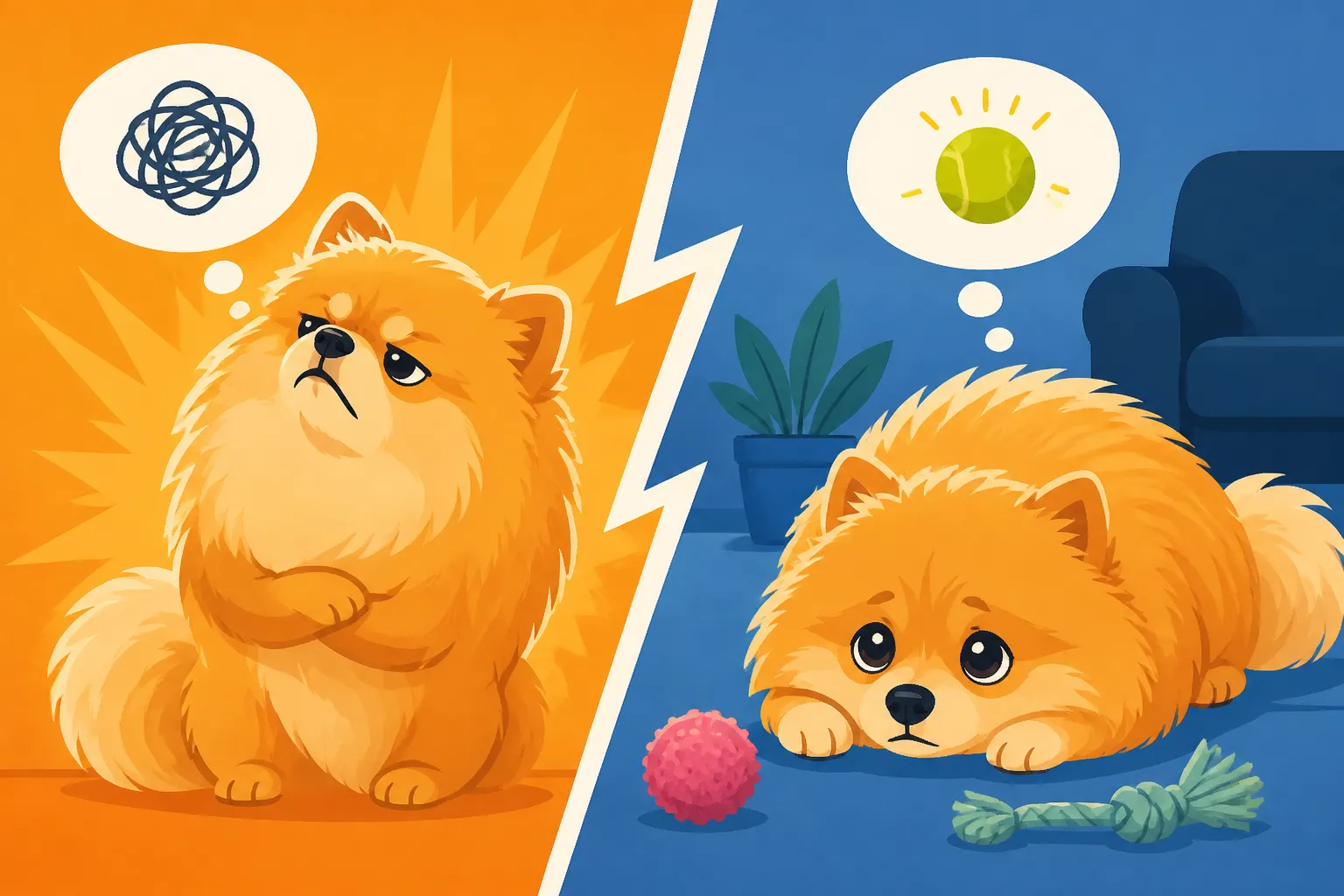
It’s a scenario many Pomeranian owners know all too well: you’re trying to teach your little fluffball a new trick, or perhaps just get them to come when called, and they just… stare at you. Or worse, they wander off, sniff the air, and generally act like you’re speaking a foreign language. It’s enough to make you throw your hands up and wonder if your beloved Pom is being genuinely stubborn, or if they’re just completely disengaged. This guide is here to help you unravel that mystery, understand the nuanced behaviors of these intelligent yet independent little dogs, and equip you with the strategies to tell the difference and respond effectively.
Understanding the Pomeranian Temperament and Intelligence
Before we even begin to label behavior, it's crucial to understand the very essence of what makes a Pomeranian tick. These aren't your typical "eager to please" retrievers; they come from a long line of dogs with their own unique personalities and drives.
The Independent Spitz Mindset
Pomeranians descend from much larger Spitz-type sled dogs from the Arctic regions. While they've been bred down significantly in size, that inherent Spitz nature hasn't entirely vanished. This means they often possess a strong will, a sharp intelligence, and a streak of independence. They aren't inherently defiant, but they are thinkers, and they often prefer to make their own choices rather than simply following orders.
Think of it this way: your Pomeranian isn't necessarily trying to challenge your authority when they hesitate or ignore a command. Instead, their little brains are weighing the options. "Is what my human asking me to do more rewarding than what I want to do right now? Is it worth my effort?" This isn't maliciousness; it’s just how some intelligent, independent breeds operate. They're not robots, and they're certainly not always on standby waiting for your next instruction. This independence can be endearing, but it can also make training a fascinating challenge! If you find yourself wondering Whether Spitz Independence Makes a Pomeranian Difficult, rest assured, you're not alone. It's a common observation among Pom owners.
How Pomeranians Learn and Process Information
Despite their small stature, Pomeranians are incredibly intelligent. They can learn a vast array of commands and tricks, and many excel in dog sports like agility and obedience. However, their intelligence comes with a caveat: short attention spans. They thrive on novelty and can quickly become bored with repetitive drills. Imagine trying to get a bright, energetic toddler to sit still and listen to the same lecture for an hour – it’s just not going to happen.
For a Pomeranian, a long, monotonous training session can feel exactly like that. They might pick up a concept quickly, but if you keep drilling it over and over, their enthusiasm will wane. They'll start looking around, sniffing the floor, or even just sitting there with a blank look that screams, "Are we done yet?" This isn't them being stubborn; it's their natural processing style telling you they've either got it, or they've tuned out because the novelty has worn off. Understanding How Long a Pomeranian Will Hold Focus is key to successful training. They learn best with short, frequent bursts of fun, not long, drawn-out lessons.
Signs Your Pomeranian is Bored, Not Stubborn
Often, what owners perceive as stubbornness is actually a clear signal that their Pomeranian is under-stimulated or bored. It's a subtle but crucial distinction.
Disinterest, Apathy, and Lack of Engagement
When a Pomeranian is bored during a training session, their body language will often tell you everything you need to know. They might yawn excessively, even if they aren't tired. They might avoid eye contact, turning their head or entire body away from you. You might see them wander off mid-command, stopping to sniff a dust bunny or gaze out the window. If they do perform a command, it's often with a sluggish, unenthusiastic pace, perhaps dragging a paw into a "sit" or taking their sweet time to "come."
This isn't them saying "no" to your command; it's them saying "meh." They're not actively defying you; they're just not finding enough value or excitement in what you're asking. It’s like when a child loses interest in a game – they don't actively refuse to play, they just drift away to something more captivating. This apathy is a strong indicator that you need to shake up your approach and make things more exciting.
Redirected Energy and Destructive Behaviors
A bored Pomeranian is a creative Pomeranian, and unfortunately, their creativity often manifests in ways we don't appreciate. If your Pom isn't getting enough mental and physical stimulation, that pent-up energy and intelligence needs an outlet. This can lead to behaviors that are often mislabeled as stubbornness or naughtiness.
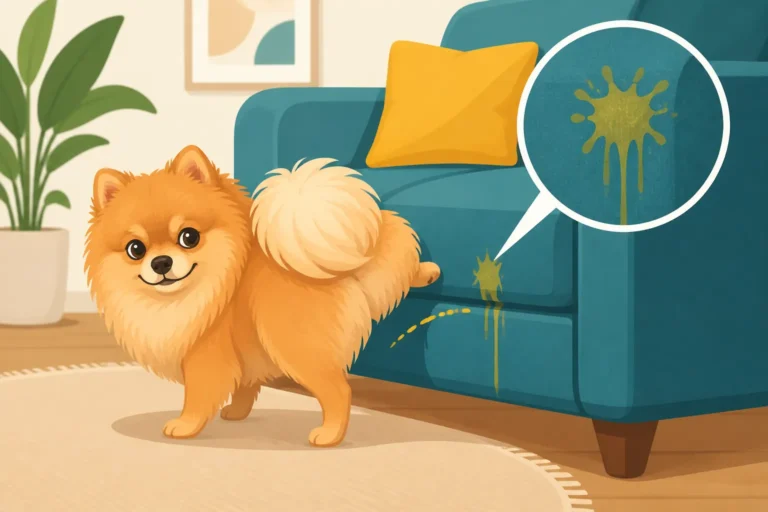
For instance, excessive barking at every little sound, even things they usually ignore, can be a sign of boredom. They're trying to create some excitement or just release frustration. Chewing on furniture legs, digging at carpets, or even having "accidents" indoors, despite being house-trained, can all stem from a lack of engagement. They're not being stubborn about holding their bladder; they're simply not thinking about it because their mind is elsewhere, or they’re too agitated. If you've ever had a Pom that seemed to be actively destroying something, it might not be defiance, but a clear signal that they need more to do. Many small dogs, including Poms, struggle when left alone for too long without stimulation, leading to issues like The Pomeranian That Cannot Be Left Alone.
The "Zoomies" and Hyperactivity
Sometimes, boredom can look like the exact opposite of apathy – frantic, uncontrolled energy, often called "the zoomies." Your Pomeranian might suddenly tear around the house at top speed, barking, leaping onto furniture, and generally acting like a miniature tornado. You might think, "They're just being disobedient and crazy!"
While it can certainly be disruptive, this burst of energy often happens because they've been under-exercised or mentally unstimulated for a period. It's a sudden release of pent-up energy, not a deliberate act of disobedience. Imagine holding a spring down for too long and then letting it go – it shoots off with uncontrolled force. These zoomies are a sign that your Pomeranian needs more structured play, walks, or mental challenges throughout the day to burn off that excess energy in a positive way.
Signs Your Pomeranian is Being Stubborn (or Testing Boundaries)
True stubbornness, or boundary-testing, is a different beast entirely. This usually indicates a clear understanding of what’s being asked, coupled with a deliberate choice not to comply, often due to inconsistent training or a lack of perceived leadership.
Deliberate Non-Compliance
This is where the term "stubborn" truly fits. Your Pomeranian knows the command. You've practiced it a hundred times, and they perform it perfectly when treats are involved or when they feel like it. But now, in this moment, they look directly at you, maybe with that characteristic Pomeranian head tilt, and choose not to do it. There's no yawning, no wandering off, no frantic energy – just a clear, albeit adorable, refusal.
This isn't about boredom; it's about decision-making. They've decided that doing what you ask isn't currently beneficial enough, or they're testing to see if the rules still apply. Perhaps they've learned that if they wait long enough, you'll give up or eventually give them the reward anyway. This kind of behavior often develops when training isn't consistently reinforced, or when consequences (like not getting a treat) aren't consistently applied.
Selective Hearing and Ignoring Cues
Ah, selective hearing! Another classic sign of a "stubborn" Pom. You call their name, you give a command, and they might twitch an ear, glance in your direction, and then immediately go back to whatever fascinating thing they were doing. It's as if they heard you, understood you, and simply decided you weren't important enough to warrant a response.
This often happens when there are strong distractions, or when your commands haven't been practiced enough in varied environments. If your Pomeranian only ever gets treats for "come" in the quiet living room, why would they bother coming when there’s a squirrel outside, or another dog barking? They’ve learned that the reward for obeying isn’t always worth pulling themselves away from a more exciting stimulus. This isn't necessarily a malicious act, but it points to a need for more proofing and consistency in their training. If you've been struggling with Building a Recall on a Pomeranian That Ignores You, this selective hearing is likely at play.
Resource Guarding or Assertive Behavior
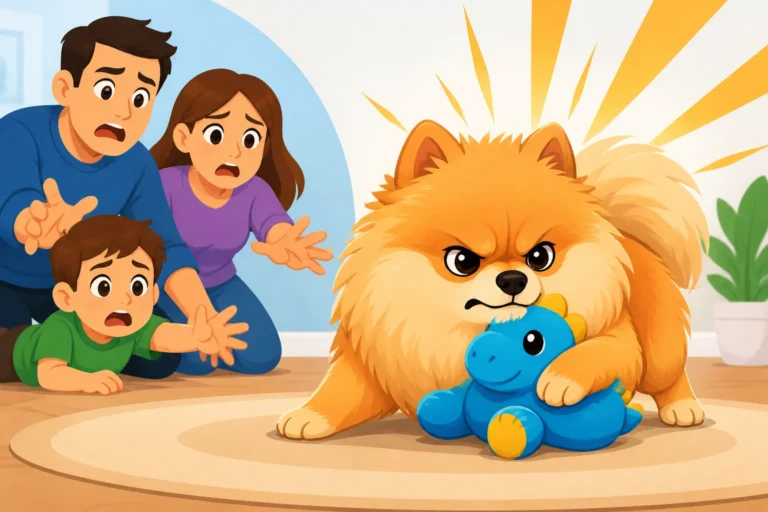
While not always straightforward "stubbornness," resource guarding is a form of assertive behavior that can manifest as a refusal to give up something they value. This could be a favorite toy, their food bowl, or even their spot on your lap. When you approach to take it or move them, they might growl, snap, or stiffen, effectively "stubbornly" refusing to relinquish what they believe is theirs.
This behavior isn't about being bored; it's about possessiveness and a lack of trust that their valued item will be returned or that their space will be respected. It’s a serious issue that needs careful handling, as it can escalate if not addressed with consistent and positive training. For example, if you're dealing with A Pomeranian That Guards a Toy From the Family, this is a prime example of assertive behavior that needs consistent management to establish clear boundaries and trust.
Strategies for Engaging a Bored Pomeranian
If you suspect boredom is the culprit behind your Pomeranian's lack of cooperation, the good news is that it's often easier to fix than true stubbornness. It's all about making their lives more interesting and engaging.
Short, Fun, and Varied Training Sessions
The key to keeping an intelligent Pomeranian engaged is novelty and brevity. Forget long, drawn-out training drills. Instead, aim for multiple short sessions throughout the day – think 5-10 minutes each, max. Keep the energy high, use an excited voice, and end on a positive note before they lose interest.
Vary the location of your training. One session can be in the living room, the next in the yard, and another even at a quiet park. This helps them generalize commands, meaning they learn that "sit" means sit everywhere, not just in one specific spot. Incorporate play into your training. A game of fetch can easily be combined with "come," "drop it," and "sit." Remember, for Poms, training should feel like a fun game, not a chore. This approach perfectly aligns with the best practices for Training Session Length for a Pomeranian.
Mental Stimulation and Puzzle Toys
A Pomeranian's mind needs just as much exercise as their body, if not more! Puzzle toys and interactive feeders are fantastic tools for preventing boredom. Instead of simply putting their meal in a bowl, make them work for it. There are many options available on Amazon, from treat-dispensing balls to intricate puzzles that require your Pom to sniff, nudge, and paw to get their kibble or treats.
Start with easier puzzles and gradually increase the difficulty as your Pom masters them. This keeps them challenged and prevents frustration. Rotate toys regularly so they don't get bored with the same one day in and day out. Even a simple snuffle mat can turn mealtime into a fun mental game. Filling a KONG toy with a smear of peanut butter or cream cheese and freezing it can provide a long-lasting, engaging activity, especially useful when you need them to settle quietly. For more ideas, explore Puzzle Toys Small Enough for a Pomeranian.
Enrichment Activities Beyond Basic Commands
Beyond basic obedience, consider activities that tap into your Pomeranian's natural instincts and intelligence. Scent work, where they use their powerful noses to find hidden treats or toys, is incredibly mentally stimulating and tiring. Many Poms absolutely love it!
Trick training is another excellent option. Poms are often quick learners and love to show off. Teaching them to wave, spin, or play dead can be a huge confidence booster and a wonderful way to bond. Look into introductory dog sports like rally obedience or even small dog agility if your Pom enjoys physical challenges. These activities provide structure, mental stimulation, and a fun way to burn off energy. Don't underestimate their capacity for learning; many Pomeranians excel at competitive activities and can earn The Trick Titles a Pomeranian Picks Up Easily.
Overcoming Stubbornness with Consistent Training and Clear Boundaries
If you've ruled out boredom and suspect your Pomeranian is truly being stubborn or testing boundaries, a slightly different approach focusing on consistency, motivation, and clear communication is necessary.
Establishing Clear Leadership and Rules
For a Pomeranian, just like any dog, a clear and consistent leader provides security and understanding of their place in the "pack." This doesn't mean being harsh or dominant; it means being calm, fair, and utterly consistent with your rules and expectations. Every interaction is a training opportunity. If you let them get away with jumping on the couch sometimes, but scold them other times, you're creating confusion, which can lead to them "testing" to see which rule applies.
Make sure everyone in the household is on the same page regarding commands, rewards, and house rules. If one person allows begging at the table and another doesn't, your Pom will learn to exploit that inconsistency. Consistent boundaries create a predictable world for your dog, reducing their need to "test" and increasing their willingness to cooperate.
The Power of High-Value Rewards and Motivation
When dealing with true stubbornness, you need to up your motivation game. What does your Pomeranian truly love? Is it a tiny piece of cheese? A squeaky toy? A vigorous belly rub? Find their absolute highest-value reward and reserve it only for those moments when you need them to overcome their stubborn streak or perform a difficult task.
For instance, if your Pomeranian is being stubborn about coming when called in the yard, use that super-special treat they rarely get. Over time, as they consistently receive this amazing reward for compliance, their willingness to obey, even when they'd rather not, will increase. Always make sure the reward is delivered immediately after the desired behavior, so they make the connection. Understanding The Reward a Pomeranian Actually Cares About is a game-changer in training. While Whether a Pomeranian Responds to a Firm Voice might seem effective in the moment, positive reinforcement with high-value rewards builds a much stronger and more willing partnership.
Professional Guidance and Online Resources
Sometimes, despite your best efforts, stubbornness can persist, or behaviors can escalate. This is when seeking professional help is not just advisable, but often essential. A certified professional dog trainer, especially one experienced with Spitz breeds, can observe your Pomeranian's behavior, pinpoint the root cause, and develop a tailored training plan.
Don't be afraid to reach out to resources like online training platforms. For example, a comprehensive program like the one offered by BAXTER & Bella can provide structured lessons and support to help you navigate training challenges. These programs often include video tutorials, live Q&A sessions, and personalized advice that can be invaluable. A good trainer can help you refine your communication, strengthen your leadership, and teach you techniques like Whether Marker Training Holds a Pomeranian's Attention to make your training even more effective. They can address specific issues like persistent barking, house-training regression, or even resource guarding in a safe and structured way.
| Behavior Trait | Description of Boredom | Description of Stubbornness |
|---|---|---|
| Engagement | Yawning, looking away, wandering off, slow response. | Direct eye contact, deliberate non-compliance, clear refusal. |
| Energy Level | Restless, pacing, sudden "zoomies," excessive barking/chewing. | Calm, but unmoving; still, but unresponsive to commands. |
| Motivation | No interest in current task, seeks self-entertainment. | Weighs options, decides personal desire outweighs command/reward. |
| Response to Cues | Appears to "tune out," forgets known commands temporarily. | "Selective hearing," understands but chooses to ignore. |
| Underlying Cause | Lack of mental/physical stimulation, monotony. | Inconsistent training, unclear boundaries, testing limits. |
| Correction Needed | Increased enrichment, varied activities, shorter sessions. | Consistent boundaries, higher-value rewards, proofing commands. |
Disclaimer
This article is for general informational purposes only and does not constitute professional advice. Laws, prices and regulations vary by location and change over time. Consult a qualified professional for guidance on your specific situation.