Whether Michelangelo Kept a Pomeranian
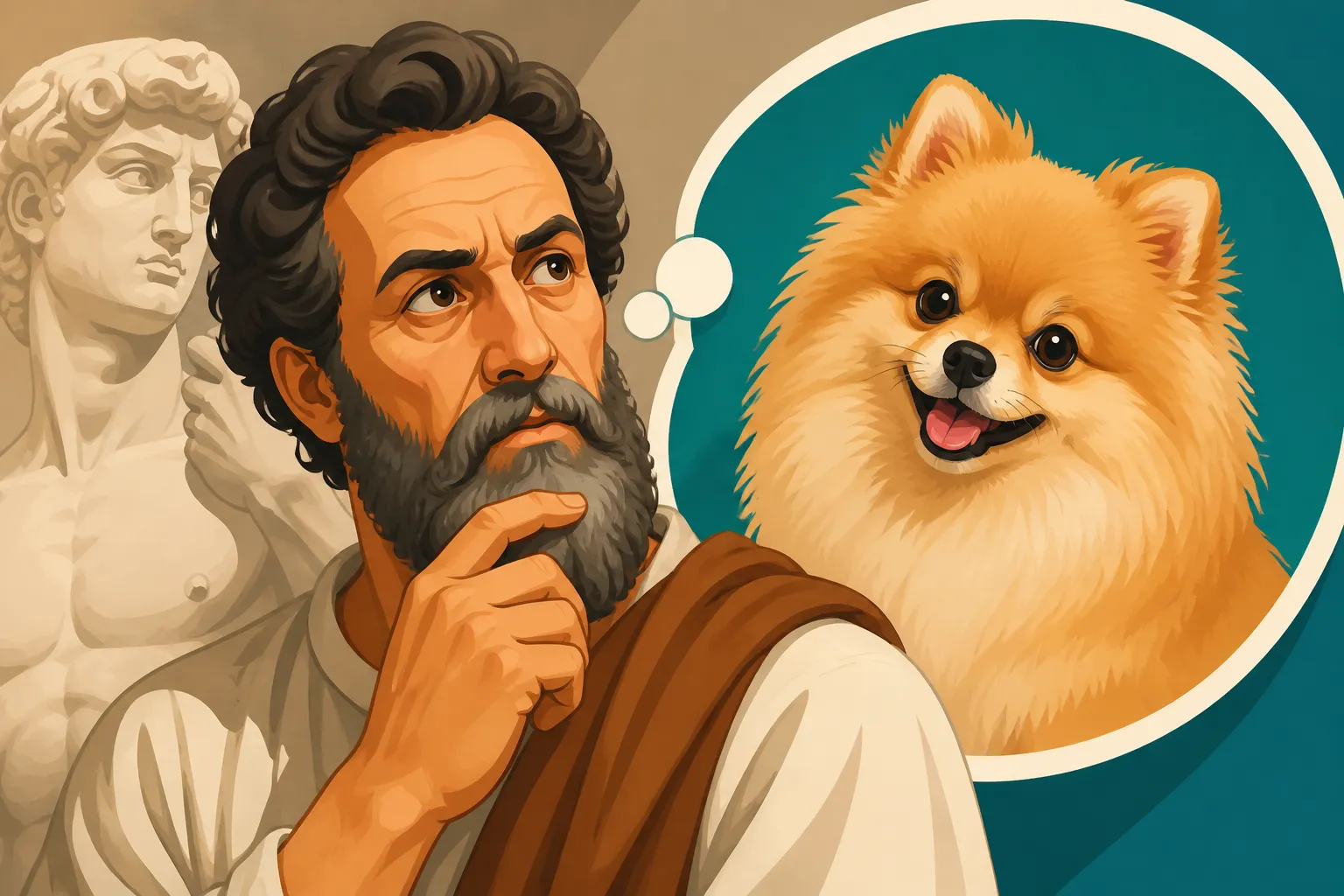
It’s a natural human tendency to imagine our beloved historical figures surrounded by the things we love today, and for dog lovers, that often means picturing them with a furry companion. When you think of a small, fluffy, spirited dog, the Pomeranian often springs to mind, leading many to wonder if great artists like Michelangelo might have had one. However, the true history of the Pomeranian and the life of a Renaissance master paint a very different picture than the one in our modern imaginations. This guide will explore the fascinating timeline of the Pomeranian breed and the historical realities of Michelangelo's era, shedding light on why this particular pairing is, unfortunately, a delightful anachronism.
The Pomeranian Before Queen Victoria: A Different Dog Entirely
The image we hold of the Pomeranian today – that tiny, effervescent fluffball barely tipping the scales at seven pounds – is a relatively modern creation. It's easy to project that image backward through history, but the reality is that the Pomeranian, as a breed, has undergone a dramatic transformation, especially in size and appearance, over the last few centuries. How the Pomeranian Halved in Size in One Lifetime tells a fascinating story of this evolution.
Tracing the Pomeranian’s Ancestry to Larger Working Dogs
The Pomeranian’s roots lie not in dainty lapdogs but in the robust, cold-weather Spitz breeds of the Arctic. These were powerful, medium-to-large dogs, bred for work rather than ornamentation. They were sled dogs, herders, and guardians in regions like Iceland and Lapland. The name “Pomeranian” itself comes from Pomerania, a region in what is now modern-day Germany and Poland. While the region gave the breed its name, it wasn’t the origin of the tiny dog we know, but rather where the larger Spitz-type dogs were bred down slightly in size from their even larger ancestors, eventually making their way into more aristocratic European homes.
These dogs, still considerably larger than today's Poms, were prized for their intelligence, loyalty, and their thick, insulating double coats. They were often companions and guardians, far removed from the pampered pets of later centuries. If you were to encounter one of these early Pomeranian ancestors, you'd likely see a dog that weighed twenty or thirty pounds, with a powerful build and an independent spirit, a far cry from the delicate toy breed. To truly understand their origins, exploring Pomerania and the Sled Dogs Behind the Pomeranian and The German Spitz Family a Pomeranian Belongs To can offer deeper insights into their robust heritage.
The Appearance of Early Pomeranians During the Renaissance Era
Michelangelo lived from 1475 to 1564. During this period, dogs resembling the modern Pomeranian in size and specific features simply did not exist. The dogs that *did* exist and were sometimes depicted in art were generally larger Spitz-type dogs, or other small breeds like Maltese or Italian Greyhounds, which had very different appearances. The development of distinct dog breeds as we understand them today, with formal standards and specific characteristics, really only began to take shape much later, certainly not in the 15th and 16th centuries.
The concept of actively breeding dogs for extremely diminutive size and specific aesthetic traits, like the "fox face" or "baby doll" looks popular today, was still centuries away. The focus was on utility, or on general companionship for dogs of moderate size. Therefore, while Michelangelo might have encountered various dogs in his lifetime, none of them would have been recognizably "Pomeranians" as we define them. The idea of The Twenty Five Pound Pomeranian of the 1800s gives you a glimpse into how different they were even just a couple of centuries after Michelangelo's time.
Michelangelo's Life and Canine Companionship
To answer whether Michelangelo kept a Pomeranian, we first need to look at what we know about his personal life, his relationship with animals, and the historical records available from his time.
Michelangelo’s Personal Life and Historical Records
Michelangelo di Lodovico Buonarroti Simoni was a towering figure of the Italian Renaissance, a sculptor, painter, architect, and poet whose works include the David, the Sistine Chapel ceiling, and the dome of St. Peter’s Basilica. His life was largely dedicated to his art and driven by an intense spiritual devotion, often marked by periods of solitude and intense focus on his work. Historical records, including his letters and those of his contemporaries, provide a rich, albeit often fragmented, picture of his existence.
These extensive records detail his commissions, his relationships with patrons like the Medici family and various Popes, his financial dealings, and his personal struggles. What they generally don't contain, however, are mentions of specific pets. While it's certainly possible he had dogs or other animals around him casually, especially if he lived in a rural setting for a time, there's no strong evidence to suggest he was a dedicated pet owner, particularly of a specific breed of dog that would have been a significant companion. His focus was overwhelmingly on his artistic and spiritual endeavors.
General Pet Ownership Trends in Renaissance Italy
In Renaissance Italy, pet ownership was common among various social classes, but the types of pets and their roles differed from today. Small dogs, like the Maltese, Italian Greyhounds, or small terriers, were popular among aristocratic women, often depicted in portraits as symbols of fidelity or simply as beloved companions. The Painters Who Put Pomeranians in Portraits shows how dogs became subjects of art, but the “Pomeranian” type was not yet prominent.
Dogs were also kept for hunting, guarding, or as working animals. However, the intense, sentimental bond with specific companion breeds that developed in later centuries, particularly with the rise of dedicated dog breeding, was not as prevalent or documented in the same way. The concept of "breeds" was more fluid, based on type and function rather than strict genetic lines or appearance standards. While many people had dogs, a specific, recognized "Pomeranian" breed with its distinct characteristics simply wasn't part of the canine landscape in 16th-century Italy.
Dispelling the Myth: No Evidence of a Pomeranian for Michelangelo
Given the historical timeline of the Pomeranian and the lack of evidence in Michelangelo's personal accounts, it's safe to say that the idea of him owning a Pomeranian is a modern misconception.
Why the Myth Might Persist
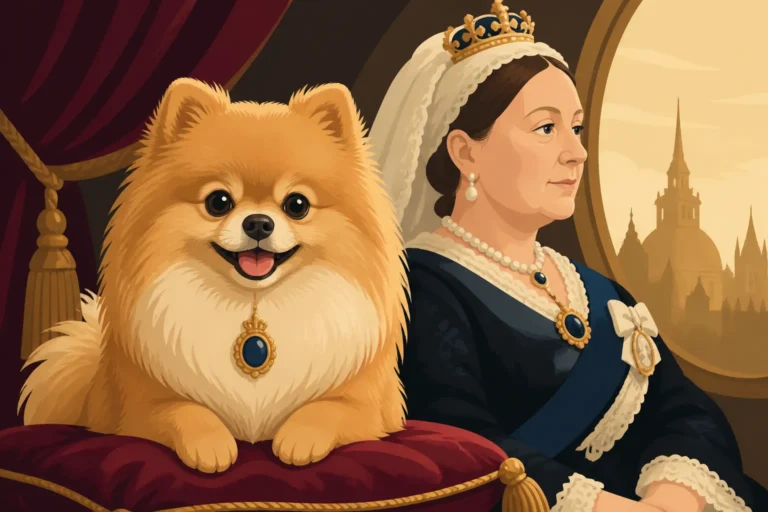
The persistence of such myths often stems from a conflation of different historical periods or a romanticized view of the past. People might see old paintings featuring small, fluffy dogs and mistakenly assume they are Pomeranians, when in fact they are other small breeds or generic depictions of companion dogs. It’s also possible that the fame of later historical figures who *did* own Pomeranians, like Queen Victoria in the 19th century, causes a retroactive association. Queen Victoria, Marco and the Pomeranian highlights a pivotal moment in the breed’s history, but that’s centuries after Michelangelo.
Another factor could be the simple charm of the idea. Imagining a stern, focused artist like Michelangelo taking comfort in a tiny, cheerful dog is a heartwarming thought, even if it's historically inaccurate. It connects a revered figure to a relatable, universal joy of pet ownership. However, without any verifiable accounts or artistic depictions from his time, it remains firmly in the realm of charming fiction.
Distinguishing Historical Dogs from Modern Breeds
It’s crucial to remember that breed development is an ongoing process. Many breeds we recognize today are the result of selective breeding that intensified specific traits over generations, often centuries. The early Spitz dogs that were the ancestors of the Pomeranian were far removed from their modern descendants. Think of it like a wild ancestor of a modern rose versus the hybrid tea roses we cultivate today – the lineage is there, but the appearance is dramatically different.
Even if Michelangelo had a small, fluffy dog (which, again, is not documented), it would have been a generic companion dog, a local type, not a standardized breed. It certainly wouldn't have possessed the "stand-off" double coat, the curled tail, or the specific facial structure that defines the modern Pomeranian. The dogs referred to as "Loulous" or "Spitz" in later centuries were still much larger than the Poms popular from Victoria's era onwards. You can learn more about these earlier names in Whether the Pomeranian Was Once Called a Loulou.
What Dogs Were Around in Renaissance Italy?
While Pomeranians weren't present, Renaissance Italy was not devoid of canine companions. Other breeds or types of dogs played various roles in society and were sometimes captured in art.
Common Companion Dogs of the Era
The most well-documented small companion dogs of the Renaissance were likely breeds ancestral to what we now call the Maltese, Bichon Frise, or even various small terriers. These dogs were often depicted in portraits of noblewomen, nestled on laps or by their feet. They were generally small, some with longer, silky white coats, valued for their affectionate nature and portability. These breeds had long been established in the Mediterranean region and were popular symbols of wealth and companionship.
The Italian Greyhound was another popular companion, particularly among the aristocracy, known for its elegant lines and gentle demeanor. These sleek dogs, too, were a far cry from the fluffy Spitz type. The fact that specific breeds like the Maltese or Italian Greyhound were clearly identifiable in art from Michelangelo's era, while no "Pomeranian" types appear, further solidifies the argument against his ownership of one.
Comparing Poms to Other Historical Breeds
Let’s consider the key differences in brief, to illustrate why these older breeds wouldn’t be mistaken for Pomeranians.
| Feature | Renaissance-Era Companion Dog (e.g., Maltese ancestor) | Early Spitz/Pomeranian Ancestor (e.g., German Spitz) | Modern Pomeranian (Post-19th Century) |
|---|---|---|---|
| Size | Small (5-15 lbs) | Medium (20-30 lbs) | Toy (3-7 lbs) |
| Coat Type | Long, silky, often white, single or light double | Thick, dense, double coat, various colors | Extremely dense, stand-off double coat, various colors |
| Facial Structure | Rounder skull, shorter muzzle | Fox-like, longer muzzle | Often more "smooshed" or "baby doll" |
| Tail Carriage | Varied, often curled over back | Curled over back | High-set, curled tightly over back |
| Temperament | Gentle, affectionate | Alert, independent, hardy | Lively, bold, sometimes stubborn |
| Primary Role | Lapdog, companion | Guard dog, herder, companion | Lapdog, show dog, companion |
As you can see, the dog types present during Michelangelo's lifetime bore little resemblance to the highly refined Pomeranian of today. The ancestors of the Pomeranian were much larger, more robust working dogs, and not the dainty companions favored by the aristocracy in Italian paintings. If Michelangelo had any dogs, they would have fit into the more generally defined categories of either small, silken-haired companions or larger, utilitarian working dogs prevalent in his time.
Caring for Modern Pomeranians: A Legacy of Thoughtful Ownership
While Michelangelo may not have had a Pomeranian, the enduring appeal of this delightful breed in the centuries that followed is undeniable. Modern Pomeranian owners are custodians of a unique and cherished breed, and thoughtful care is essential.
Grooming Needs of the Double Coat
The Pomeranian’s magnificent double coat, a legacy from its cold-weather ancestors, requires regular attention. This isn’t just for aesthetics; it’s crucial for their health and comfort. A well-maintained coat keeps them insulated in cold weather and helps them regulate their temperature in warmer climates. Regular brushing, several times a week, is vital to prevent matting and to remove loose undercoat. Tools like a good slicker brush and a metal comb are indispensable. You can find excellent options on sites like Chewy that cater specifically to small breeds and their unique grooming requirements.
Beyond daily brushing, regular professional grooming or skilled home grooming, including bathing and trimming, is necessary. Never, ever shave a Pomeranian unless medically necessary, as it can permanently damage their unique double coat. Why Shaving a Pomeranian Can End Its Coat elaborates on the risks. Understanding The Double Coat That Makes a Pomeranian and Why It Stays On is key to responsible ownership.
Nutrition and Health Considerations
Pomeranians, despite their small size, have specific nutritional needs. They benefit from high-quality small-breed dog food, designed to meet their energy levels and support their health. Because they are so small, monitoring their weight is critical. Even a pound or two overweight can put undue strain on their tiny bodies, exacerbating common breed issues like luxating patellas or tracheal collapse. You can find a wide variety of suitable small-breed formulas and healthy treats on Chewy, making it easier to manage their diet.
Pomeranians are prone to several health conditions due to their breeding history and size. These include:
- Luxating Patella: Slipping kneecaps, common in many small breeds. Slipping Kneecaps in a Five Pound Pomeranian details this concern.
- Tracheal Collapse: A weakening of the windpipe. The Honking Cough of a Pomeranian's Collapsing Windpipe is a critical read for owners.
- Dental Disease: Their small mouths are often crowded, making them highly susceptible to dental issues. Daily tooth brushing and regular professional cleanings are non-negotiable. Dental Disease in a Mouth the Size of a Pomeranian's stresses the importance of oral hygiene.
- Hypoglycemia: Especially in puppies, low blood sugar can be a serious risk. Blood Sugar Crashes in a Pomeranian Puppy offers vital information on prevention and emergency care.
Regular veterinary check-ups are essential to catch these issues early and manage them effectively. Finding a vet experienced with toy breeds can make a huge difference in their long-term health.
The Enduring Legacy of the Pomeranian (Even Without Michelangelo)
While the great Renaissance artist Michelangelo almost certainly did not have a Pomeranian by his side, the breed itself has a rich and fascinating history that stands on its own. From its beginnings as a larger working dog to its transformation into the beloved toy companion of royalty and countless families, the Pomeranian's journey is a testament to selective breeding and changing human preferences.
Today, Pomeranians continue to charm with their vivacious personalities, intelligence, and stunning coats. They remind us that while historical facts are important, the deep affection we have for our dogs transcends time and artistic movements. Whether you're researching historical figures or simply looking for the best food for your current fluffy companion on Chewy, the story of the Pomeranian is one of enduring appeal.
Disclaimer
This article is for general informational purposes only and does not constitute professional advice. Laws, prices and regulations vary by location and change over time. Consult a qualified professional for guidance on your specific situation.