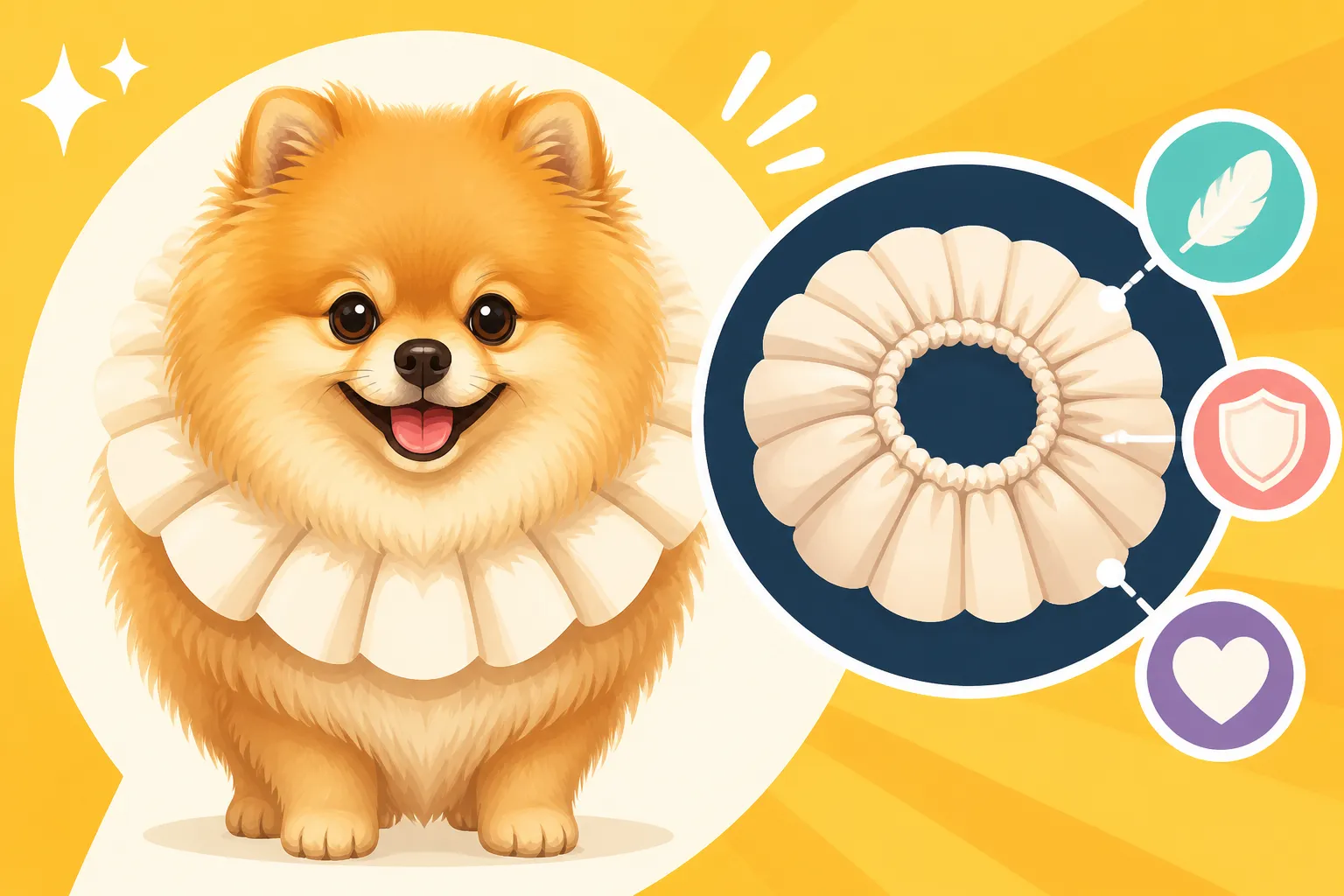
The Ruff a Pomeranian Should Carry
One of the most striking features of a Pomeranian, the one that makes heads turn and people exclaim, is their magnificent neck ruff. But for many new Pom parents, or even seasoned ones, maintaining that voluminous, lion-like mane can feel like a daunting task, fraught with fears of mats, breakage, or accidentally damaging their iconic coat. This comprehensive guide will help you understand precisely what the breed standard expects from a Pomeranian's ruff, why it's so vital for their well-being, and how to keep it looking its absolute best without constant stress.
What Exactly is the Pomeranian's Ruff?
When we talk about a Pomeranian's ruff, we're referring to that impressive, luxuriant mane of fur that encircles their neck, extending over their shoulders and down their chest. It’s not just a pretty frame for their adorable face; it's a critical component of their double coat and a hallmark of the breed's distinct appearance. This isn't just a bit of extra fluff; it's a strategically grown and maintained part of their overall structure.
The Double Coat: Guard Hairs and Undercoat
To truly appreciate the ruff, you have to understand the Pomeranian's double coat. This breed hails from the Arctic regions, and their coat is engineered for protection. It consists of two distinct layers:
- The Undercoat: This is the soft, dense, fluffy layer closest to the skin. It’s what provides the primary insulation, keeping your Pomeranian warm in cold weather and, perhaps surprisingly, helping to regulate their body temperature in heat by trapping cool air close to the skin. In the ruff area, this undercoat is incredibly thick, giving it much of its volume and 'stand-off' quality.
- The Guard Hairs: These are the longer, coarser, straight hairs that grow through the undercoat. They're more protective, repelling dirt, moisture, and providing a barrier against the elements. These guard hairs are what give the ruff its outward shape and glossy appearance.
The ruff is where these two layers work in perfect harmony to create that distinctive "stand-off" effect, making the hair appear to literally float away from the body. It’s not meant to lie flat or sleek; instead, it should be full and abundant, providing a plush frame for the face. The Guard Hair and Undercoat of a Pomeranian goes into even more detail about these unique layers.
What the Breed Standard Looks For
If you've ever seen a Pomeranian in a show ring, you'll know that the ruff is a huge part of their presentation. The breed standard, which is essentially the blueprint for what a perfect Pomeranian should look like, specifically calls for an impressive ruff. It emphasizes density, length, and that coveted "stand-off" quality. A strong, well-developed ruff signifies good coat health and proper breeding. It's not just about aesthetics; it points to the overall vitality and conformation of the dog. A sparse or thin ruff would be considered a fault in the show ring because it indicates a deviation from the desired breed characteristics. This is a breed that is meant to have a luxurious, abundant coat, and the ruff is arguably its most defining characteristic, embodying the very essence of The Stand Off Coat a Pomeranian Must Have.
Why the Ruff is So Important for Your Pomeranian
Beyond looking undeniably charming, your Pomeranian’s ruff serves several crucial functions that contribute to their health, comfort, and safety. It’s not merely a decorative accessory; it’s a vital part of their natural defenses and well-being.
Protection from the Elements and the World
Think of the ruff as a natural shield. Historically, and even in modern environments, this thick collar of fur provides a protective barrier.
- Cold Weather: While many Pomeranians live in climate-controlled homes today, their ancestors originated in colder climates. The dense ruff, packed with insulating undercoat, acts like a built-in scarf, keeping their neck and chest warm. This extra insulation is particularly important for such a small breed.
- Minor Injuries: During playful wrestling with other dogs, or even accidental bumps, the ruff can offer a surprising amount of cushioning against minor nips or scrapes to the delicate neck area. It's not foolproof, of course, but it's an added layer of defense.
- Sun Protection: While often overlooked, the ruff also provides a degree of sun protection to the skin on their neck and shoulders, preventing sunburn, especially for Poms who enjoy basking in sunny spots. Whether a Double Coated Pomeranian Copes With Heat explores more about how their coat manages temperature.
Without a healthy ruff, your Pomeranian would be more vulnerable to temperature fluctuations and minor external irritations, making proper care even more important.
A Natural Communication Tool
Dogs use their entire bodies to communicate, and the ruff is no exception. While not as dramatic as the hackles raising along their spine, the way a Pomeranian holds or moves its ruff can convey subtle cues about their mood and intentions. When a Pomeranian is alert or feeling assertive, the hairs in their ruff can stand even more erect, making them appear slightly larger and more formidable than their actual size. This can be a visual signal to other dogs, or even to you, that they are feeling confident or possibly wary. It's another layer of non-verbal communication in the canine world, even for a tiny dog.
A Marker of Overall Health
The condition of your Pomeranian's ruff can tell you a lot about their general health. A thick, vibrant, well-maintained ruff often indicates a healthy dog with a balanced diet and good grooming habits. Conversely, a dull, brittle, thinning, or matted ruff can be a red flag. It might point to:
- Nutritional Deficiencies: A diet lacking essential fatty acids or adequate protein can lead to a dry, sparse, or unhealthy coat, including the ruff.
- Hormonal Issues: Conditions like hypothyroidism or Alopecia X (often called Black Skin Disease by owners) can manifest as hair loss or thinning, which might start or become very noticeable in the ruff area. The Thinning That Starts on a Pomeranian's Hindquarters discusses a common area where this thinning might first be observed, but it can certainly affect the ruff too.
- Parasites or Skin Issues: Fleas, mites, or skin infections can cause itching, scratching, and subsequent damage or loss of fur in the ruff, as the dog tries to relieve the discomfort.
Paying close attention to the state of your Pomeranian's ruff isn't just about vanity; it's about monitoring a significant indicator of their overall well-being.
Maintaining That Magnificent Pomeranian Ruff
Keeping your Pomeranian's ruff in top condition requires dedication, the right tools, and a consistent routine. It's not a set-it-and-forget-it part of their care, but with a bit of practice, it becomes a rewarding bonding experience.
Brushing: The Cornerstone of Ruff Care
Brushing is the single most important aspect of maintaining a healthy ruff. Neglect here almost guarantees painful mats and potential skin issues. Aim for at least every other day, ideally daily, especially if your Pom is active or has a particularly dense coat.
Here’s how to do it effectively:
- Gather Your Tools: You'll need a good quality slicker brush, a metal greyhound comb, and a pin brush. You can find a great selection of these on sites like Chewy. A detangling spray can also be incredibly helpful to prevent breakage and make brushing easier.
- Sectioning is Key: Don't just brush over the top. Gently part the ruff hair in small sections, starting from the bottom (closest to the shoulders/chest) and working your way upwards towards the head. Always brush down to the skin, not just the outer layer. Many Poms are not keen on this at first. For some Poms, teaching them to lie on their side can make it easier to access the underside of the ruff and chest area.
- Slicker Brush First: Use the slicker brush with gentle, upward strokes to separate the undercoat and remove loose hair. Be careful not to "rake" the skin with the slicker, as it can cause irritation.
- Pin Brush for Guard Hairs: Follow up with a pin brush to smooth the longer guard hairs and add volume, further separating any remaining tangles.
- Comb to Check for Mats: Finally, run a metal comb through the brushed sections to ensure there are no hidden mats. If the comb snags, go back with your slicker brush and detangling spray until it glides through smoothly. The Slicker and Pin Brush a Pomeranian Needs offers more insight into these essential tools.
Consistent, thorough brushing not only prevents mats but also distributes natural oils, making the coat healthier and shinier.
Bathing and Drying Techniques
Bathing a Pomeranian isn't just about getting them clean; it’s about preparing their coat for proper drying and ensuring the ruff maintains its stand-off quality.
- Frequency: Pomeranians don't need frequent baths, often once every 3-4 weeks is sufficient unless they get particularly dirty. Over-bathing can strip essential oils, leading to dry skin and coat. How Rarely a Pomeranian's Coat Should Be Washed provides additional context on ideal bathing schedules.
- Shampoo and Conditioner: Use a high-quality shampoo designed for double-coated breeds, followed by a good conditioner. Many owners swear by specific shampoos and conditioners, often found on Chewy, designed for double coats that help add volume and manageability without weighing the coat down. Rinse thoroughly to ensure no residue is left behind, as this can irritate the skin and attract dirt.
- Drying is Crucial: This is where the ruff truly comes to life. Never let a Pomeranian air dry, especially their ruff, as this can encourage matting and mildew. Use a dog-specific forced-air dryer on a cool or low-heat setting. As you dry, use your pin brush to fluff the hair up and away from the body, drying in sections. This technique creates the desired voluminous, stand-off look. Drying a Pomeranian Without Damaging the Coat details this process.
Professional Grooming
Even with diligent home care, many Pomeranian owners opt for professional grooming every 4-8 weeks. A professional groomer has specialized equipment and experience with double coats, ensuring thorough bathing, drying, and precise trims. They can also address specific issues like matting more efficiently and safely. A good groomer will understand the importance of preserving the ruff and will avoid any cuts that would compromise its integrity or the health of the double coat. The average cost for a Pomeranian groom can range significantly, but it's a worthwhile investment for maintaining coat health. The 60 to 90 Dollar Pomeranian Grooming Appointment is a good read if you're curious about what a typical grooming session entails.
Common Ruff Problems and Solutions
Despite your best efforts, you might encounter some common issues with your Pomeranian's ruff. Understanding these problems and knowing how to address them can save you a lot of stress and keep your Pom comfortable.
Matting and Tangling
Mats are probably the most common and frustrating ruff issue. The dense hair around the ears, under the chin, and where a collar might sit is particularly prone to tangling because of friction and moisture.
- Prevention: The best defense is a good offense: consistent daily brushing, focusing on those high-friction areas. Use a detangling spray generously before brushing, especially on dry hair, to minimize breakage.
- Removal: For small tangles, use your fingers to gently pull them apart, then comb through with a metal comb. For larger mats, apply a mat-removing spray or a leave-in conditioner. Carefully work from the outer edges of the mat inwards, using the tip of your slicker brush or a mat splitter. Never pull hard, as this is painful for your dog. If a mat is very tight or close to the skin, it's safer to carefully cut it out with blunt-nosed scissors (pointing away from the skin) or, better yet, seek professional help. A groomer can often remove stubborn mats without resorting to shaving, which can be a relief. Working Through a Mat Behind a Pomeranian's Ear provides excellent tips for a particularly tricky spot.
Coat Thinning and Loss
Seeing your Pomeranian’s ruff thin out can be alarming. There are several reasons this might happen:
- Seasonal Shedding (Coat Blow): Pomeranians "blow" their undercoat, typically once or twice a year, and females may shed heavily after a heat cycle, pregnancy, or spaying. During this time, the ruff might appear less dense. This is a natural process, and diligent brushing helps manage the shedding and encourages new growth. The Weeks a Pomeranian Blows Its Coat explains this phenomenon in detail.
- Hormonal Issues: As mentioned, conditions like Alopecia X (Black Skin Disease) or thyroid imbalances can cause significant hair loss, which may manifest as thinning in the ruff. If you notice persistent or unusual hair loss that isn't simply seasonal shedding, especially if accompanied by changes in skin color or texture, consult your veterinarian. They can run tests to diagnose underlying medical conditions.
- Friction/Rubbing: Constant rubbing from an ill-fitting collar or certain harnesses can wear down the fur in the ruff area, leading to thinning or breakage.
Collar Damage
Traditional neck collars can be problematic for a Pomeranian's ruff, and even more so for their delicate trachea. The constant friction can rub away the fur, creating an unsightly "collar line" in their beautiful ruff. More critically, collars can put dangerous pressure on their windpipe, which is prone to collapse in this breed. Why a Collar Threatens a Pomeranian's Windpipe is a must-read for all Pom owners.
- Solution: The best practice for Pomeranians is to use a properly fitted harness that distributes pressure across their chest and shoulders, completely bypassing the neck and ruff. Look for soft, lightweight harnesses designed for small breeds. You can find many suitable options on Chewy that will protect both their coat and their health. If you must use a collar for identification tags, ensure it's loose enough not to cause friction and is only worn when necessary, removed at home.
Keeping the Ruff Clean
Because the ruff is so dense and prominent, it's also prone to collecting food particles, dirt, and moisture, especially if your Pom is a messy eater or loves to roll around outside.
- Regular Wipes: After meals, gently wipe around your Pomeranian’s mouth and chin with a damp cloth to remove any food residue that might get caught in the ruff.
- Spot Cleaning: For minor dirt or dust, a quick spray with a dog-friendly dry shampoo or a damp towel rub can help keep it fresh between baths.
- Preventing Stains: Some Pomeranians, especially those with lighter coats, can develop tear stains or food stains around their mouth that extend into the ruff. Keeping their face clean and dry is essential.
By understanding these common ruff challenges and consistently applying these solutions, you can help ensure your Pomeranian’s magnificent ruff remains a source of pride, not frustration. It takes time and effort, but the joy of seeing your happy, healthy Pom with their glorious mane makes every brushing session worthwhile.
Grooming Tools for a Perfect Pomeranian Ruff
Having the right tools is half the battle when it comes to maintaining your Pomeranian's magnificent ruff. Using subpar equipment can make grooming sessions frustrating for both you and your dog, potentially leading to discomfort or damage to their delicate double coat. Here’s a quick rundown of essential tools and why they matter:
| Tool Category | Specific Tool | Purpose | Key Feature for Ruff Care |
|---|---|---|---|
| Brushes | Slicker Brush | Removes loose undercoat, separates tangles, prevents matting | Fine, angled wires reach deep into the undercoat to pull out dead hair without damaging guard hairs. |
| Pin Brush | Detangles longer guard hairs, adds volume, smooths coat | Rounded pins glide through the topcoat, fluffing the ruff and preventing breakage. | |
| Metal Greyhound Comb | Checks for mats, finishes grooming, provides precision | Varied tooth spacing allows for thorough checking for hidden mats, especially behind ears and under the chin. | |
| Coat Sprays | Detangling Spray | Lubricates hair, reduces friction, makes brushing easier | Helps loosen tangles in the ruff without pulling, minimizing discomfort and coat damage. |
| Conditioning Spray | Adds moisture, shine, and helps prevent static | Keeps the ruff soft, manageable, and less prone to breakage, especially in dry climates. | |
| Bathing & Drying | Double-Coated Shampoo | Cleans thoroughly without stripping natural oils | Formulated to clean dense double coats effectively, lifting dirt without drying out the skin. |
| Dog Conditioner | Moisturizes and softens coat, prevents tangles | Essential for rehydrating the ruff's hair and making it more resistant to matting after washing. | |
| High-Velocity Dryer | Dries coat quickly and thoroughly, creates stand-off volume | Forces air deep into the ruff, separating individual hairs to create maximum fluff and prevent mildew or skin issues. |
Remember, investing in good quality tools is investing in your Pomeranian's comfort and coat health. Many of these specialized grooming products are easily accessible through online pet retailers like Chewy, ensuring you have everything you need to keep that ruff looking splendid.
Disclaimer
This article is for general informational purposes only and does not constitute professional advice. Laws, prices and regulations vary by location and change over time. Consult a qualified professional for guidance on your specific situation.