Whether More Families Are Buying Pomeranians Now
It’s a natural question to ask, especially if you’re considering bringing a new furry family member into your home: are Pomeranians becoming more popular with families? In today's fast-paced world, many families are looking for a pet that fits their lifestyle, offering companionship without overwhelming demands. This guide delves into the trends, perceptions, and realities of Pomeranian ownership, helping you understand if this delightful breed is indeed becoming a go-to choice for family homes.
Understanding Pomeranian Popularity Trends
Pomeranians have a captivating charm that has kept them in the spotlight for generations. From their regal history to their modern-day internet fame, their popularity ebbs and flows with societal shifts and media exposure. Understanding these underlying trends helps us gauge their appeal to contemporary families.
Historical Appeal and Breed Recognition
Pomeranians weren't always the tiny, fluffy dogs we know today. They descended from larger Spitz-type dogs, working canines from the historical region of Pomerania, which is now part of Poland and Germany. These dogs were originally larger, often weighing around 20-30 pounds, and served as sheep herders and guardians. Their transformation into a toy breed began in the 19th century, notably gaining significant momentum with royal endorsement.
Queen Victoria of England played a pivotal role in popularizing the smaller version of the Pomeranian. After visiting Florence, Italy, in 1888 and encountering a tiny Pomeranian named Marco, she became enamored with the breed. Marco reportedly weighed only 12 pounds, a stark contrast to the larger Poms of her era. Her enthusiasm for smaller Poms led to her breeding program focusing on reducing their size, ultimately shaping the breed we recognize today. This royal seal of approval rocketed the Pomeranian into aristocratic circles, establishing them as fashionable companions. You can read more about this fascinating history in Queen Victoria, Marco and the Pomeranian. Their long-standing presence in homes, first among nobility and then more broadly, has cemented their image as a beloved companion animal.
Factors Influencing Breed Popularity
In recent decades, several factors have significantly influenced the popularity of specific dog breeds, and Pomeranians are no exception. One of the most undeniable forces has been the rise of social media. Remember Boo, "the world's cutest dog"? His internet fame introduced countless people to the adorable, teddy bear-like qualities of Pomeranians, sparking a massive surge in interest. Viral videos, Instagram accounts, and celebrity endorsements regularly showcase Pomeranians, positioning them as trendy and desirable pets. This constant exposure keeps them top-of-mind for many looking for a small, photogenic companion.
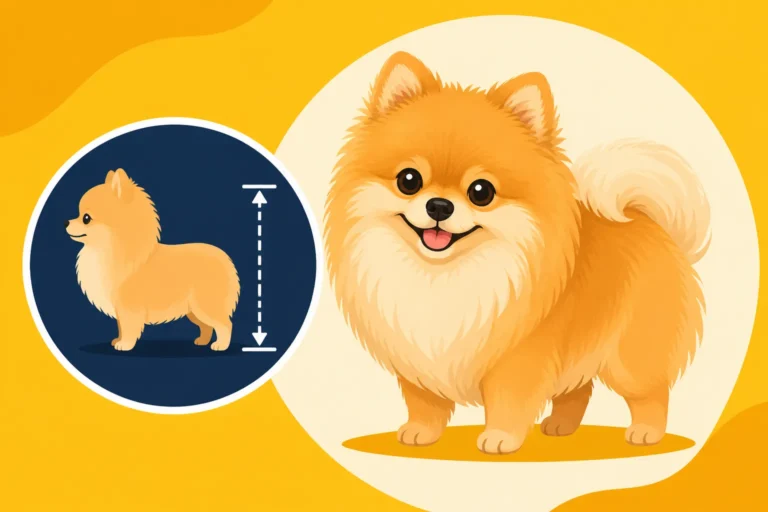
Beyond the digital realm, changing lifestyles have also contributed. As more people live in urban environments with smaller living spaces, the demand for compact dog breeds naturally increases. Pomeranians, generally weighing between The Three to Seven Pounds a Pomeranian Is Allowed, are well-suited for apartment living, making them an attractive option for families navigating city life. Their relatively low physical exercise requirements compared to larger breeds can also appeal to busy families who might not have acres of yard or hours for intense daily hikes. These combined factors – visual appeal, social media presence, and urban adaptability – have undoubtedly kept Pomeranians on the radar for many potential dog owners, including families.
Why Pomeranians Attract Families (and Some Considerations)
It’s easy to fall in love with a Pomeranian at first sight; their fluffy coats and bright, inquisitive eyes are hard to resist. But beyond their undeniable cuteness, there are practical reasons why families are often drawn to them. However, it’s also important to look beyond the immediate appeal and consider the full picture of what owning a Pom entails.
The Allure of a Compact Companion
For many families, especially those with limited space or a preference for indoor pets, a Pomeranian’s small size is a huge draw. They don't require a large yard and can thrive in apartments or smaller homes. This makes them appear to be the perfect fit for urban dwellings or for families whose children are older and perhaps more settled. The idea of a tiny dog that can easily be picked up and cuddled, or carried in a travel bag, feels appealing and manageable. You might think, "Well, a tiny dog means tiny needs, right?"
While they are indeed compact, it's a common misconception that their small stature equates to minimal energy or the ability to be a perpetual lap warmer. Pomeranians are surprisingly robust and active little dogs. They love to play, explore, and certainly enjoy a good walk, even if it's just around the block. They possess a spirited nature that belies their size, and while they don't need marathon runs, consistent daily exercise and mental stimulation are crucial for their well-being. A bored Pomeranian can become a mischievous or yappy one, and that's not what most families are looking for. While they definitely fit well into apartment living, as explored in Whether a Pomeranian Suits Apartment Living, it's important to understand that "small" doesn't mean "sedentary."
Temperament and Family Dynamics
Pomeranians are known for their lively, intelligent, and often confident personalities. They often carry themselves with the swagger of a much larger dog, which can be both endearing and, at times, a bit challenging. They are generally loyal and affectionate with their families, often forming strong bonds with one or two primary caregivers. This makes them wonderful companions who love to be involved in family activities, whether it's snuggling on the couch for movie night or joining in on a backyard playtime session. Their intelligence means they can learn tricks and commands quite readily, which can be a fun activity for children to participate in under adult supervision.
However, their spirited nature also means they can be bold, and sometimes a bit bossy, especially if not properly socialized and trained from a young age. When considering a Pomeranian for a home with children, especially younger ones, it’s crucial to understand that their small size makes them delicate. They can be easily injured by accidental drops or rough play. Furthermore, their assertive personalities mean they might not tolerate being manhandled and could snap if feeling threatened or hurt. This is why careful introductions and teaching children how to interact respectfully with a small dog are absolutely essential, as detailed in A Pomeranian in a House With Small Children. While some Pomeranians can be wonderful with kids, it heavily depends on the individual dog's temperament and the children's respectful behavior, rather than an inherent suitability for all family situations.
Grooming and Care Expectations for Busy Families
One of the most striking features of a Pomeranian is their magnificent double coat, a plush undercoat, and long, straight guard hairs that give them their distinctive fluffy appearance. This luxurious coat is a huge part of their appeal, but it also comes with significant grooming responsibilities that busy families might underestimate. Many potential owners, drawn to their picture-perfect fluff, don't realize the daily commitment involved in keeping that coat healthy and mat-free.
A Pomeranian's double coat requires regular, thorough brushing—ideally several times a week, if not daily—to prevent mats and tangles, especially behind the ears, in the "armpits," and on their britches. Neglecting this can lead to painful matting that requires professional intervention, often involving shaving, which can damage their unique coat structure. You can learn more about this in The Double Coat That Makes a Pomeranian and Why It Stays On. Beyond brushing, regular bathing, nail trims, and dental care are also non-negotiable. Pomeranians are prone to dental disease due to their small, crowded mouths, making daily tooth brushing a critical part of their care. For families on the go, finding the time for this consistent regimen, or budgeting for professional grooming and dental cleanings, is a serious consideration.
The Reality of Pomeranians in Modern Family Life
While the idea of a fluffy, charming Pomeranian joining the family is delightful, it's vital to align those dreams with the practical realities of owning one. These aren't just cute ornaments; they are living beings with specific needs that require consistent commitment from every family member.
Time Commitment and Training
Bringing a Pomeranian into your family means committing significant time to their training and socialization. Despite their intelligence, Pomeranians can sometimes have a stubborn streak, which means consistency is key. House training, for instance, can be a prolonged process. Their small bladders mean frequent potty breaks are necessary, and teaching them to reliably go outside can take longer than with some other breeds. Many families find themselves grappling with this challenge, realizing that Why House Training a Pomeranian Drags On isn't just a myth.
Beyond house training, early and ongoing socialization is paramount. Pomeranians, owing to their "big dog in a small body" mentality, can sometimes be prone to excessive barking at strangers, other dogs, or any perceived threat or novelty. This is often an innate Spitz trait. Addressing this requires consistent training, exposure to various sights and sounds, and teaching them appropriate responses to stimuli. Without proper guidance, their alert barking can become a nuisance, which is a common complaint among owners, as discussed in Why a Pomeranian Barks at Everything That Moves. Teaching a Pomeranian manners, from walking politely on a leash to settling calmly when guests arrive, demands patience and dedication from the entire family.
Financial Considerations
The initial purchase price of a Pomeranian puppy can range widely, often influenced by lineage, breeder reputation, and color. Families might be surprised by What a Pomeranian Puppy Costs and Why Colors Change It. However, the purchase price is merely the tip of the iceberg when it comes to the lifetime financial commitment. While a Pomeranian's food bill might be smaller than that of a Great Dane, the cumulative cost of their care can be substantial. Many families are shocked by The Eighteen Thousand Dollar Lifetime of a Pomeranian, a figure that encompasses everything from food and toys to routine vet visits and unexpected emergencies.
| Category | Perceived Cost (Low) | Realistic Cost (High) | Why the Difference? |
|---|---|---|---|
| Initial Purchase | A few hundred dollars | Several thousand dollars | Reputable breeders with health-tested parents command higher prices. Rescues are generally lower but often include initial vetting. |
| Food & Treats | Very little | Moderate | While they eat less, high-quality small-breed specific food and specialized treats add up. |
| Grooming | Occasional bath | Regular professional grooming | Their dense double coat requires frequent brushing and professional trims/deshedding. The Grooming Bill Nobody Warns a Pomeranian Owner About can be significant. |
| Veterinary Care | Annual check-up | Ongoing specialized care | Pomeranians are prone to certain breed-specific health issues like dental disease, luxating patellas, and tracheal collapse, leading to higher vet bills. Insuring a Pomeranian That Needs Dental Work Yearly is a common necessity. |
| Training & Supplies | Basic leash/collar | Classes, specific gear | Specialized harnesses for fragile windpipes, ramps for joint protection, and consistent training classes or professional help can add up. |
Beyond the regular expenses like food and routine veterinary care, the breed is predisposed to certain health conditions that can rack up significant medical bills. Dental disease, luxating patellas (slipping kneecaps), and tracheal collapse are common concerns that often require costly veterinary intervention, sometimes even surgery. Investing in pet insurance is often a wise decision for Pomeranian owners to mitigate these potential financial shocks. Families should research various plans and understand what they cover, especially for pre-existing conditions. Considering options like Chewy for regular food, treats, and even some over-the-counter health supplements can help manage ongoing costs, but major medical events will still be a significant expense.
Finding a Reputable Breeder or Rescue
If your family has decided a Pomeranian is the right fit, the next crucial step is finding a healthy, well-socialized dog. This means avoiding puppy mills and irresponsible backyard breeders, who often prioritize profit over the health and temperament of their dogs. A reputable breeder will health test their breeding stock, provide transparent health guarantees, and be eager to answer all your questions about the puppies and their parents. They will also be very particular about who their puppies go to, ensuring a good match for both the dog and the family.
Alternatively, consider the incredibly rewarding path of adopting a Pomeranian from a rescue organization. There are many wonderful Pomeranians, both young and old, in need of loving homes through breed-specific rescues or general shelters. These organizations often provide extensive vetting, rehabilitation, and foster care, ensuring the dog is healthy and its temperament is understood before placement. Adopting an adult Pomeranian can sometimes simplify the house-training process and give you a clearer picture of their personality. Rescuing an Adult Pomeranian Rather Than Buying is a fantastic option for families looking to make a difference while gaining a loyal companion. Whether you choose a breeder or a rescue, doing your homework and prioritizing the dog's well-being will set your family up for a much more positive and fulfilling experience.
Disclaimer
This article is for general informational purposes only and does not constitute professional advice. Laws, prices and regulations vary by location and change over time. Consult a qualified professional for guidance on your specific situation.