Whether Marco Was Called a Pomeranian at the Time
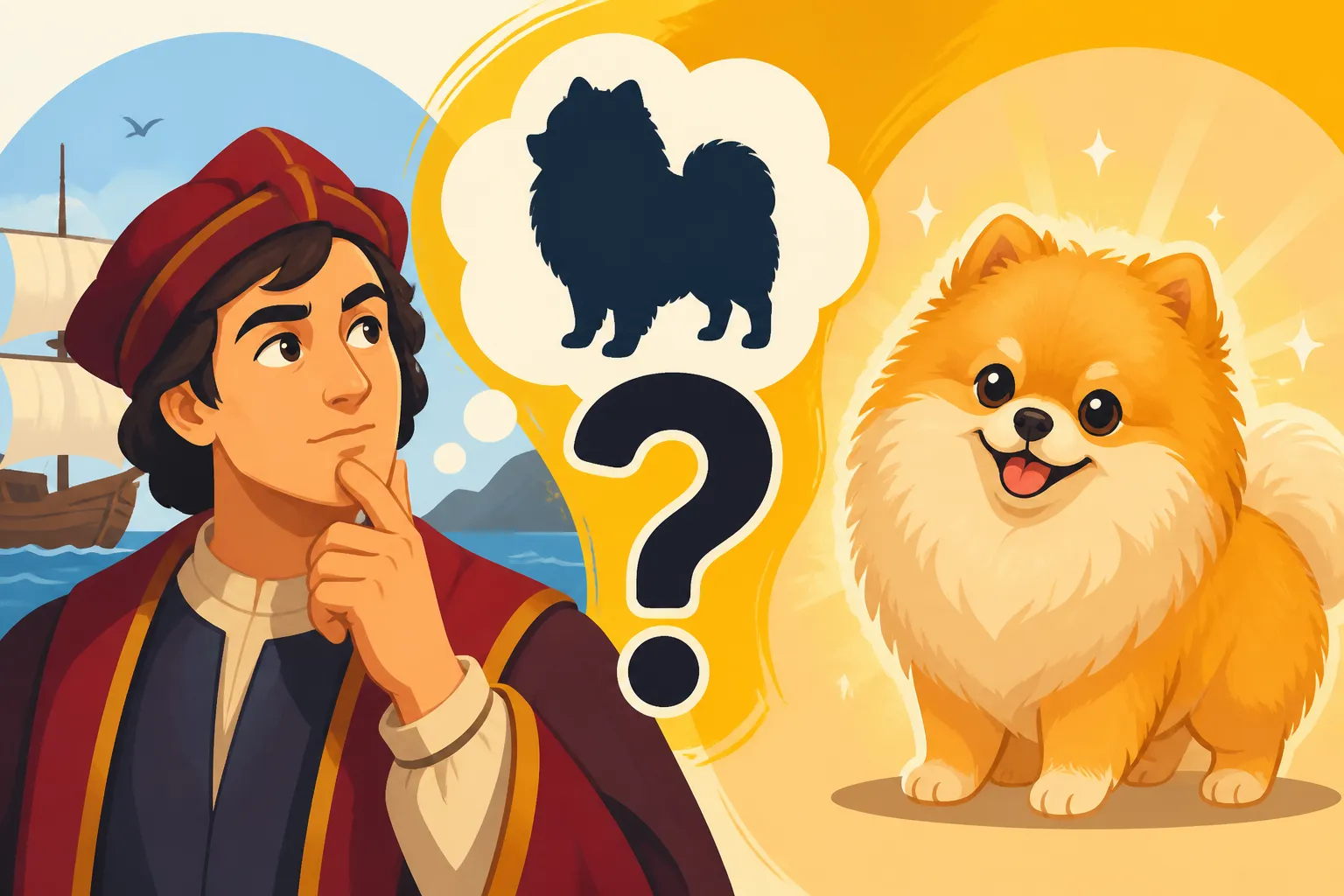
It’s a common question that pops into the mind of any dedicated Pomeranian owner or enthusiast: when we talk about Queen Victoria and her beloved Marco, was he truly called a "Pomeranian" in the same way we use the term today? Many of us picture the tiny, fluffy Poms we adore, and it’s natural to wonder if those historical dogs shared the exact same label and characteristics. Let's delve into the fascinating history of this royal pup and explore how the breed's name and identity evolved alongside its most famous patron.
The Early Days: Before "Pomeranian" Meant "Tiny Pom"
You know how sometimes a word means one thing, and then over time, its meaning shifts and narrows? That's pretty much what happened with the term "Pomeranian." When Queen Victoria came across these delightful dogs, the word didn't quite carry the same specific connotations of the tiny, exquisite breed we recognize today. It was a much broader descriptor, and understanding that is key to unlocking Marco's historical identity.
Geographical Origins Versus Breed Specificity
Think of it like this: if you said you owned a "terrier from Scotland" centuries ago, it could mean a variety of dogs – not just a Scottish Terrier specifically. The term "Pomeranian" originally referred to dogs that hailed from the historical region of Pomerania, an area spanning parts of modern-day Germany and Poland. These were hardy, working Spitz-type dogs, often much larger than our current pampered Poms. They were known for their dense coats, pricked ears, and bushy tails – traits that still connect them to their Spitz heritage, but in a size that would make today's show ring judges gasp!
These dogs were used for herding, guarding, and general farm work. They were robust and capable, perfectly suited to the cooler climates of their homeland. So, when people spoke of a "Pomeranian dog" in Victoria's era, they were essentially referring to a Spitz-type dog from Pomerania. It wasn't a standardized breed with a rigid weight or height requirement, but rather a regional type of canine. This makes perfect sense when you consider Pomerania and the Sled Dogs Behind the Pomeranian and how their working roots shaped their initial appearance and purpose.
The Influence of the German Spitz Family
Our beloved Pomeranian isn't an island; it belongs to a much larger family of dogs: the German Spitz. This group includes several different sizes, from the massive Wolfspitz (Keeshond) down to the Zwergspitz (miniature Spitz), which is essentially what the Pomeranian became. In Victoria's time, the lines between these different sizes were much blurrier in terms of naming conventions. A large German Spitz might simply be called a "Pomeranian Spitz" if it came from that region, even if it weighed 20 or even 30 pounds.
It wasn't until later, through dedicated breeding efforts (largely spurred by royal interest), that the smallest of these Spitz dogs began to be consistently singled out and refined into the distinct breed we celebrate today. This long and fascinating process saw the larger "Pomeranian" shrink dramatically over generations, transforming into the petite companion animals we know. If you're curious about the ancestors, you might want to read about The German Spitz Family a Pomeranian Belongs To.
Queen Victoria and Her Vision for the Pomeranian
Queen Victoria's love affair with the Pomeranian breed is legendary, and it's impossible to discuss the breed's naming without giving her due credit. Her personal preference had a profound and lasting impact, essentially shaping the modern Pomeranian as we know it. Her dogs, Marco included, were instrumental in this transformation.
Marco's Debut and Victorian Enthusiasm
Marco, a stunning red sable Pomeranian, entered Queen Victoria's life in 1888 when she visited Florence, Italy. He was a sensation. Imagine a dog weighing around 12 pounds – still quite a bit larger than today's Poms, but considerably smaller than the 20-25 pound "Pomeranians" that were more common at the time. He wasn't the biggest, nor the smallest, but he captured the Queen's heart and became a constant companion. You can imagine the stir he caused, becoming a canine celebrity.
When Marco was shown at Crufts – a very prestigious dog show – it created an immense wave of interest in the breed. Prior to this, Pomeranians were certainly known, but they weren't the darlings of the public eye. Victoria's adoration, especially for her smaller Poms, effectively put them on the global map. People wanted dogs "like the Queen's," and this demand directly influenced breeders to focus on reducing their size. This pivotal moment is often explored in Marco, Victoria's Pomeranian, and the Year 1888.
The Shift in Breeding Focus and Name Association
So, did Queen Victoria call Marco a "Pomeranian"? Yes, she did. But it's important to understand that when she used the term, she was referring to the type of dog that had evolved from the original Pomerania region, particularly those that were on the smaller side. Her influence solidified the idea that "Pomeranian" was synonymous with these smaller, fancier Spitz dogs.
Before Victoria, a "Pomeranian" could have been a dog many times Marco's size. After her, especially with her preference for dogs weighing "under ten pounds," the breed standard began to reflect this desired reduction. It wasn't an overnight change, but a gradual shift that saw dedicated breeders focusing on selectively pairing smaller individuals. This led to a significant decrease in the breed's average size over a relatively short period. It's truly remarkable How the Pomeranian Halved in Size in One Lifetime. The "Pomeranian" name itself started to narrow its scope, becoming intrinsically linked to the delicate, small dogs Victoria favored.
The Formalization of the Pomeranian Standard
The transformation from a regional type of Spitz to a distinct, recognized breed required more than just royal endorsement; it needed formal standards and rules. This process further cemented what "Pomeranian" truly meant in the canine world.
Kennel Clubs and Breed Standards
As dog fancy grew in popularity in the late 19th and early 20th centuries, kennel clubs began to establish breed standards. These documents meticulously describe the ideal characteristics of a breed – from coat color and texture to ear set, tail carriage, and, crucially, size and weight. For the Pomeranian, these standards gradually defined the specific, small toy breed we recognize today.
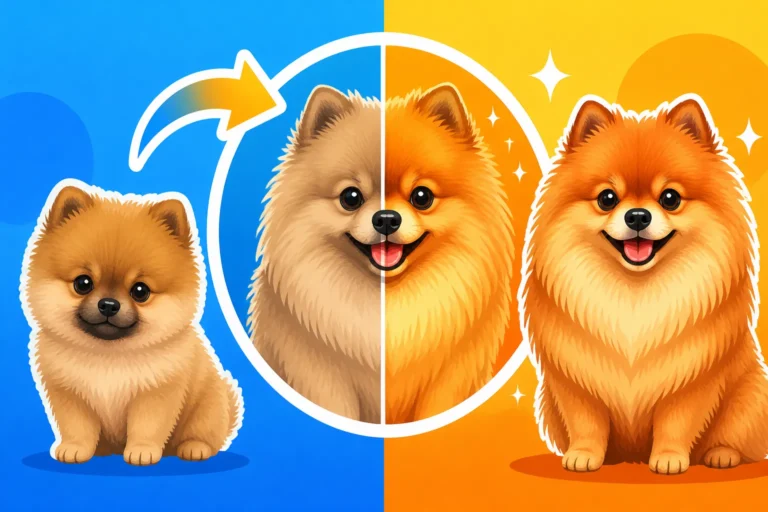
Consider the requirements of the modern breed standard, which typically calls for Pomeranians to weigh between 3 and 7 pounds. This is a far cry from the earlier, larger dogs that shared the "Pomeranian" name. When the breed clubs in England and America started defining the Pomeranian, they essentially took Victoria's preference for smaller dogs and codified it. This meant that while Marco was called a Pomeranian by Victoria, his 12-pound stature would likely put him out of the ribbons in a modern show ring, where a premium is placed on smaller specimens within the standard. The history of The Three to Seven Pounds a Pomeranian Is Allowed is directly linked to this evolution.
Marco's Place in Pomeranian History
So, to directly answer the question: yes, Marco was called a Pomeranian during his lifetime. But it's vital to add the nuance that the term "Pomeranian" at that specific point in history referred to a broader category of Spitz-type dogs from the Pomerania region, before Queen Victoria's influence helped to miniaturize and standardize them into the distinct breed we adore today.
Marco was a bridge. He represented the "Pomeranian" before the name became exclusively tied to the tiny dogs. He was an ambassador for the breed, inspiring a generation of breeders to create the Poms we know and love. His legacy is not just that he was a Queen's pet, but that he was a catalyst for the breed's evolution. Without dogs like Marco, and without Victoria's keen eye and public adoration, our modern Pomeranian might look very different, or even bear a different name altogether. It's a testament to the power of a royal pet and the dedicated work of breeders that we have these vibrant, pint-sized companions today.
Modern Pomeranians: A Legacy of Careful Breeding
Today, when you search for "Pomeranian" online or walk into a pet store that might carry Chewy products, you're picturing a very specific little dog. This modern image is a direct result of centuries of selective breeding, with Queen Victoria's preferences playing a starring role.
The Delicacy of the Modern Breed
Our current Pomeranians are known for their luxurious double coats, vibrant colors, and their characteristic "fox-like" expression. They are energetic, intelligent, and fiercely loyal, often believing they are much larger than their small bodies suggest. The emphasis on small size has also introduced certain health considerations that modern owners must be aware of. For instance, their small bones can be prone to conditions like Slipping Kneecaps in a Five Pound Pomeranian, and their tiny mouths often lead to Dental Disease in a Mouth the Size of a Pomeranian's. This is why responsible breeding, focusing on health as well as appearance, is so crucial today.
The careful selection process that led to the modern Pomeranian has created a delicate breed that requires specific care. Owners spend time grooming their dense coats, ensuring they get appropriate nutrition, and providing proper veterinary attention, often finding great supplies at places like Chewy. This dedication reflects the love and care that has gone into shaping this breed over generations.
From Marco to Today's Poms: A Summary
Let's put it all into perspective with a quick comparison of Marco's era versus the modern Pomeranian:
| Characteristic | Pomeranian in Marco's Era (late 1800s) | Modern Pomeranian (today) |
|---|---|---|
| Average Weight | 10-25 pounds (Marco around 12 lbs) | 3-7 pounds (show standard) |
| Primary Use | Farm work, guarding, companion | Primarily companion animal, show dog |
| Body Structure | More robust, often larger frame | Compact, delicate frame |
| Coat Type | Dense double coat, varied colors | Luxuriant stand-off double coat, wide range of colors |
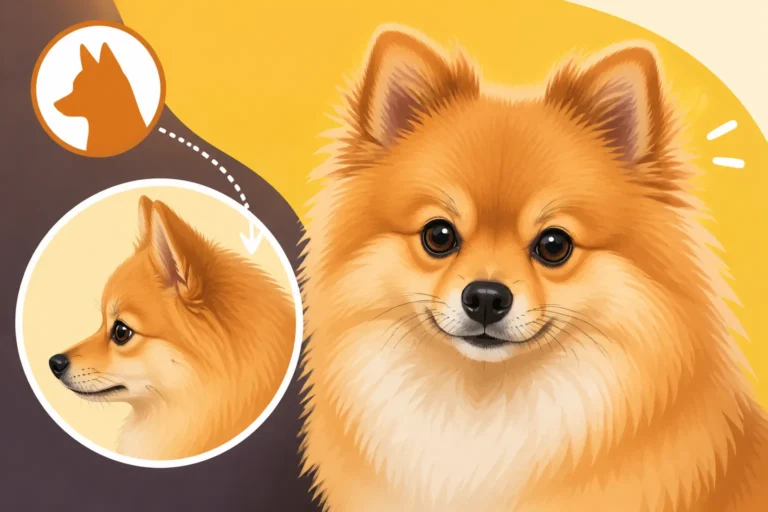
| Face Type | Generally "fox-like" | Defined "fox face," some "baby doll" or "teddy bear" |
| Public Perception | Regional Spitz dog | Distinct toy breed, highly refined and miniaturized |
As you can see, while the name "Pomeranian" bridges these two eras, the dog itself has undergone significant refinement. Today's Pomeranian is a testament to the focused breeding goals inspired by Queen Victoria's personal preference. When you cuddle your tiny Pom, remember that they carry a piece of history, tracing their lineage back to the larger, hardier dogs of Pomerania and through the royal hands of a Queen who shaped their destiny. Ensuring their well-being often means providing them with the best nutrition, which can easily be found through online retailers like Chewy.
Caring for these small wonders, whether it's managing The Thinning That Starts on a Pomeranian's Hindquarters or navigating The First Year Bills on a Pomeranian Puppy, connects us directly to a rich lineage. It's a joy to be part of the ongoing story of this magnificent breed, cherishing the characteristics that Queen Victoria herself grew to love, even if her own Poms were a bit heftier than ours are today!
Disclaimer
This article is for general informational purposes only and does not constitute professional advice. Laws, prices and regulations vary by location and change over time. Consult a qualified professional for guidance on your specific situation.