Black, Blue and Chocolate Pomeranians
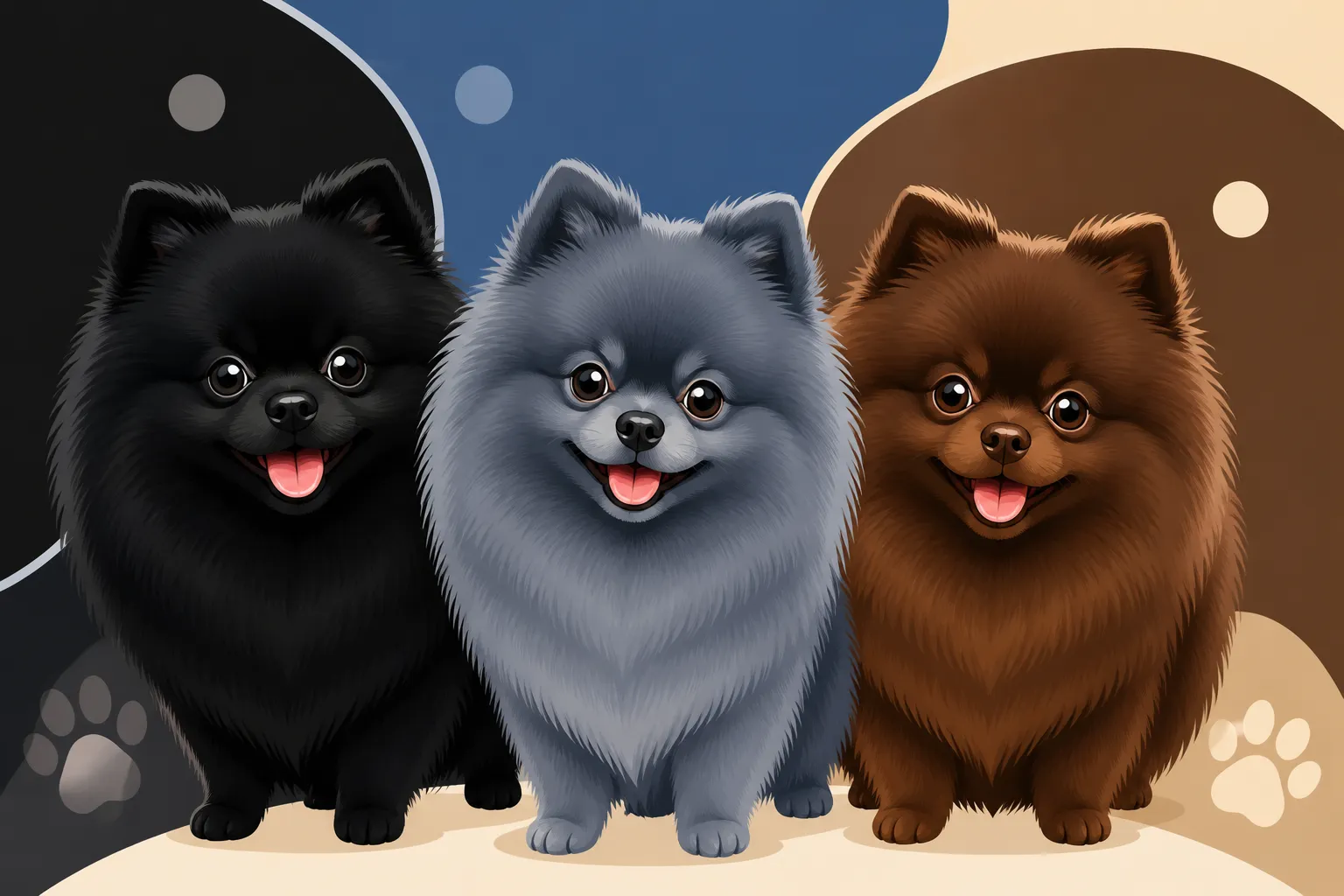
It's absolutely fascinating how many incredible colors the Pomeranian breed can display, isn't it? When you're dreaming of bringing one of these fluffy bundles of joy home, the sheer variety of coat hues can be a delightful, albeit sometimes confusing, aspect. Today, we're going to take a deep dive into three of the most striking and sometimes misunderstood shades: black, blue, and chocolate Pomeranians. This guide will help you understand the genetics behind these beautiful colors, what makes them unique, and what to look for if you're hoping to welcome one into your family.
The Genetic Canvas: How Pomeranian Colors Are Made
Understanding Pomeranian coat colors feels a bit like peeking behind the curtain of nature's artistry. It's not just about what you see on the surface; it's about the intricate genetic codes that dictate every shade, every pigment, and every unique hue. When we talk about black, blue, and chocolate, we're really looking at different expressions of eumelanin, which is the black pigment, and how other genes modify it.
The K Locus and Black Expression
The K locus is often referred to as the "Dominant Black" gene, and it's a huge player in determining whether your Pomeranian will display a black coat. If a Pomeranian inherits at least one dominant K allele (Kb), it will express black pigment. This is why black is such a common and foundational color in many breeds, including our beloved Poms. A true black Pomeranian has a solid, deep black coat from nose to tail, with no lighter markings, red tones, or fading.
When we see a stunning, obsidian-coated Pomeranian, we're seeing the full, uninhibited expression of this black pigment. It's a classic, elegant color that often evokes a sense of timeless beauty. Sometimes, you might see a black Pomeranian with tiny white markings, perhaps on the chest or toes, but a solid black is truly something special. The genetics ensuring this pure black can be quite robust, making it a recurring and much-admired color.
The B Locus and Chocolate/Liver
Now, let's talk about chocolate! The magic behind chocolate Pomeranians lies in the B locus. This gene is responsible for diluting black pigment into brown, or what we often call chocolate or liver. For a Pomeranian to be chocolate, it needs to inherit two recessive 'b' alleles (bb). If it has even one dominant 'B' allele, it will produce black pigment, so it won't be chocolate. This is why chocolate can be a little less common than black, as both parents need to contribute that recessive 'b' gene.
When you see a chocolate Pomeranian, you're looking at a dog where all the areas that would normally be black – the coat, the nose, the paw pads, the eye rims – are instead a rich shade of brown. This complete transformation of black pigment into brown is what truly defines a chocolate Pomeranian, setting it apart from other colors that might have brown tones but retain black points. It's a whole-body color change that’s quite distinct and lovely.
The D Locus and Dilution (Blue)
The stunning blue Pomeranian enters the scene when a different gene, the D locus, comes into play. This gene is responsible for diluting any black pigment into a lighter, often gray or slate-like, shade. For a Pomeranian to be blue, it must inherit two recessive 'd' alleles (dd). If it has even one dominant 'D' allele, it will have full pigment density, meaning black stays black, and chocolate stays chocolate.
So, a blue Pomeranian is essentially a black Pomeranian whose black pigment has been diluted by the 'dd' gene. This dilution creates that gorgeous, smoky blue-gray coat that many find so captivating. The nose, eye rims, and paw pads will also be a slate blue-gray, rather than black. It's a fascinating genetic interaction that transforms a common color into something quite rare and visually unique, and it’s always a delight to see a true blue Pom. Whether Dilute Coated Pomeranians Lose Hair is a question sometimes associated with these genes, but the primary effect is color.
Black Pomeranians: The Original Elegance
There's something so striking about a truly solid black Pomeranian. In a breed known for its vibrant oranges and sables, the pure, unadulterated black stands out with a timeless sophistication. These Poms often embody a certain classic beauty that harks back to the breed's earlier days.
Distinguishing a True Black
A true black Pomeranian is a sight to behold. What you're looking for is consistency: a deep, inky black from the roots of the hair to the very tips. Their nose, eye rims, and paw pads should all be a solid, deep black, matching the richness of their coat. There shouldn't be any brown or red undertones, and no lighter "tipping" on the guard hairs. Sometimes, puppies might be born very dark, but as they mature, you might notice hints of red or brown emerging, especially in sunlight. These puppies are often actually very dark sables or black and tan, rather than pure black.
When you're observing a black Pomeranian, pay close attention to the undercoat as well. A true black will have a dark undercoat, complementing the outer guard hairs. If the undercoat is lighter, say a charcoal gray or even a dark brown, it could indicate a less pure black or a mix of color expressions. A solid black is often seen as a mark of genetic purity in this color, and breeders dedicated to producing them will often have generations of black Poms in their lines. It's quite the commitment to maintain that deep, consistent color. How a Black Pomeranian Puppy Can Turn Sable illustrates why careful observation is needed.
The Challenges of Maintaining a Black Coat
While undeniably beautiful, a black Pomeranian's coat can present its own unique set of challenges, particularly when it comes to maintaining that pristine, deep black hue. The sun, as lovely as it is, can be a black Pomeranian's natural enemy when it comes to coat preservation. Prolonged exposure to sunlight can actually "rust" or bleach the black pigment, causing it to take on reddish-brown highlights. This is a common phenomenon in many black-coated breeds and can be frustrating for owners who adore that rich, dark look.
To combat this sun-induced fading, many black Pom owners are diligent about their grooming routines. Using shampoos specifically formulated for black coats can help maintain depth and luster. Some owners even use sun-protective dog clothing or try to limit their Pomeranian's exposure during the harshest midday sun hours, especially if they spend a lot of time outdoors. Regular conditioning can also help protect the hair shaft from environmental damage. Ensuring a high-quality diet, perhaps with supplements known to support skin and coat health, can also play a role in keeping that black coat looking its best. Products found on sites like Chewy can be a great resource for these specialized grooming needs, from color-enhancing shampoos to sun-protective sprays.
Chocolate Pomeranians: Rich Hues and Brown Pigment
If black Pomeranians are classic elegance, then chocolate Poms are pure, delectable luxury. The warmth and depth of a chocolate coat are truly captivating, offering a softer, yet equally distinctive, aesthetic. This color has gained considerable popularity, and it's easy to see why, with its range of beautiful brown shades.
The Nuances of Chocolate Shades
Chocolate in Pomeranians isn't just one single shade; it's a spectrum, much like the chocolates you find in a gourmet candy shop. You can find Poms ranging from a dark, almost bittersweet chocolate, to a lighter, milky chocolate hue, and even a delicate, grayish-brown known as beaver. Beaver is essentially a chocolate diluted by another gene, often appearing as a lighter, almost taupe-like brown, rather than the rich, warm brown of a standard chocolate. Each of these variations carries its own charm, making the chocolate family quite diverse.
What links all these shades is the underlying genetic makeup: the 'bb' alleles that transform black pigment into brown. The exact shade can be influenced by other modifying genes, as well as the individual dog's diet and coat health. A well-nourished chocolate Pomeranian will often display a more vibrant and consistent coat color, whereas a less healthy coat might appear duller or faded. Owners often discuss their preferences for a dark, rich chocolate versus a lighter shade, highlighting the wonderful variety within this color group. What a Chocolate Pomeranian Sells For can sometimes reflect the rarity or demand for certain shades.
Chocolate Pigmentation: Nose, Eye Rims, and Pads
One of the most defining characteristics of a true chocolate Pomeranian, beyond their gorgeous brown coat, is their complete chocolate pigmentation. This means that every part of their body that would typically be black in a black or orange Pomeranian will instead be brown. Their nose will be a rich brown, often coordinating perfectly with their coat color. Their eye rims, which outline their expressive eyes, will also be brown, giving them a softer, yet still very alert, look.
Even their paw pads, often overlooked, will carry this distinctive brown hue. This consistent brown pigmentation is a tell-tale sign that you are indeed looking at a genuine chocolate Pomeranian. If a dog has a brown coat but still has a black nose, it's not a true chocolate; it's likely a sable or a reddish-brown color where the 'bb' gene is not present. This is a crucial detail for breeders and enthusiasts alike, as it distinguishes the true genetic chocolate from other visually similar, but genetically different, colors.
Identifying a True Chocolate
Identifying a true chocolate Pomeranian really comes down to observing that consistent brown pigment across the board. The coat should be brown, without any black hairs mixed in. It's not uncommon for some chocolates to have slightly darker guard hairs and a lighter undercoat, or vice versa, contributing to the depth of their overall color. However, the key is the absence of black.
Beyond the coat, the non-negotiable markers are the brown points: nose, eye rims, and paw pads. Even their eyes tend to be a lighter brown or amber color, rather than the dark brown that's typical of a black or orange Pomeranian. If you're ever unsure, checking these details is the quickest way to confirm the color. This uniformity of brown pigment across all these features is the hallmark of a true chocolate, making them quite distinctive and sought after.
| Color | Coat Appearance | Nose/Paw Pads/Eye Rims | Eye Color Typically | Rarity/Perception |
|---|---|---|---|---|
| Black | Solid, deep, inky black, no other colors or tipping. | Black | Dark brown | Classic, elegant, sometimes seen as traditional. |
| Chocolate | Various shades of brown (dark, milk, beaver), no black hairs. | Brown (liver) | Lighter brown/Amber | Rich, warm, increasingly popular, distinctive. |
| Blue | Solid, smoky gray or slate blue, no black hairs. | Blue-gray (slate) | Blue-gray/Amber | Rare, striking, unique, sometimes associated with health considerations. |
Blue Pomeranians: The Rare and Striking Dilution
Blue Pomeranians are truly a marvel to behold. There's an ethereal quality to their smoky, slate-gray coats that immediately draws attention. They’re less common than black or chocolate, which only adds to their allure, and they represent a fascinating genetic twist on the standard black pigment.
Understanding Blue Dilution
As we touched on earlier, a blue Pomeranian gets its distinctive color from a genetic dilution of black pigment. Imagine taking a perfectly black Pomeranian and running a filter over its genetics that softens and lightens every single black cell into a shade of gray. That's essentially what the 'dd' (dilute) gene does. It doesn't introduce a new color pigment; it simply reduces the intensity of the black pigment that is already present. This reduction in pigment concentration results in the stunning blue-gray shade that characterizes these Poms.
The coat itself will feel just like any other Pomeranian coat – luxurious and double-layered – but the color is what makes it unique. It's often described as a slate gray, steel gray, or even a soft charcoal. It's not a true "blue" in the sense of a sky blue, but rather a spectrum of muted grays that can sometimes have a bluish cast in certain lighting. This specific genetic combination means that blue Pomeranians are not just unique in appearance but also relatively rare to encounter.
Blue Pigmentation: Nose, Eye Rims, and Pads
Just like with chocolate Pomeranians, the consistency of pigment is key for identifying a true blue. A blue Pomeranian's nose, eye rims, and paw pads will all be a distinctive blue-gray or slate color, rather than black. This uniform blue-gray pigmentation is the most reliable indicator that a Pomeranian is genuinely blue. If a dog has a gray coat but a black nose, it's not a blue; it's more likely a very dark silver sable or a different color altogether.
Their eyes, too, often reflect this dilution. While some blues might have darker eyes, it's common for their eyes to be a lighter shade of brown, sometimes even a striking blue-gray or amber that complements their coat. This overall harmonized blue-gray appearance across all pigment-producing areas is what truly defines a blue Pomeranian. It's a complete package of dilute beauty. Finding a blue Pomeranian can be quite a quest, and breeders specializing in these unique colors often have waiting lists for their puppies.
Health Considerations with Dilute Colors
While blue Pomeranians are undeniably beautiful, it's important for prospective owners to be aware of certain health considerations that can sometimes be associated with dilute color genes in some breeds. One of the primary concerns, though not universally present in all dilute dogs, is a condition called Color Dilution Alopecia (CDA). CDA is a genetic condition that affects the hair follicles in dilute-colored dogs, leading to thinning hair, patchy hair loss, and sometimes dry, flaky, or infected skin in affected areas. It's important to stress that not all blue Pomeranians will develop CDA, and many live long, healthy lives with beautiful coats.
However, reputable breeders who produce dilute colors will be knowledgeable about CDA and take steps to breed responsibly, perhaps screening their breeding dogs or being transparent about the genetic history of their lines. If you're considering a blue Pomeranian, it’s always a good idea to discuss this potential condition with the breeder and your veterinarian. They can provide insights into what to look for and how to care for a dilute coat, should any issues arise. While the beauty of a blue Pom is undeniable, being informed about potential health nuances is part of being a responsible owner. Ensuring a good diet with skin-supporting supplements, potentially sourced from reputable pet supply retailers like Chewy, can also be beneficial for maintaining overall coat health.
The Spectrum of Pomeranian Colors: Beyond the Basics
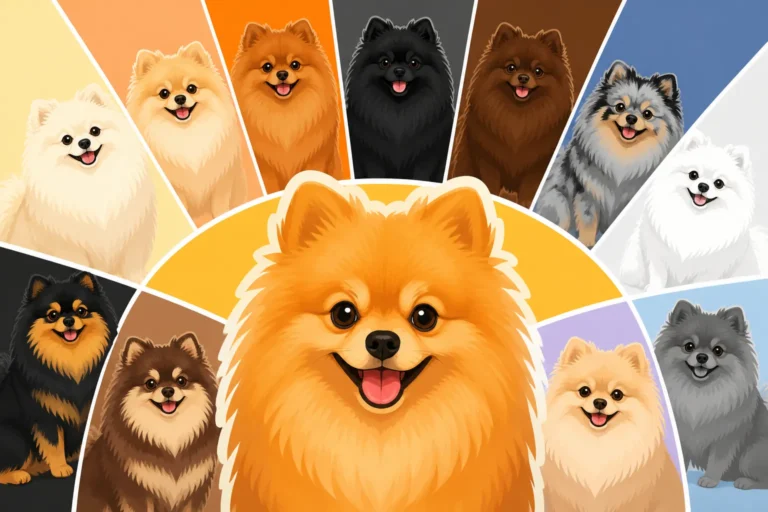
While we've focused on the exquisite world of black, blue, and chocolate, it's worth remembering that the Pomeranian color palette is vast and incredibly diverse. These three colors often serve as foundational elements, which can then be further modified or expressed alongside other genes, leading to an even greater array of stunning variations. Understanding how these primary colors interact with other genetic factors gives us a deeper appreciation for the breed's complexity.
What Happens When These Colors Mix?
The beauty of Pomeranian genetics is that these base colors don't always exist in isolation. You can have a black Pomeranian that also expresses tan points, leading to a "black and tan" dog, where the body is black but has distinct tan markings on the eyebrows, muzzle, chest, and legs. Similarly, a chocolate Pomeranian can also carry the tan point gene, resulting in a beautiful "chocolate and tan" Pom, complete with rich brown and lighter tan markings. This adds another layer of visual interest to these already gorgeous colors.
Even blue can interact with tan points, creating a "blue and tan" Pomeranian, a truly rare and striking combination where the body is slate blue and the tan markings are a lighter, muted tan. Beyond tan points, these colors can also appear in "parti" patterns, meaning the base color (black, chocolate, or blue) is expressed in patches on a white background. Imagine a "black parti" with bold black patches on a pristine white coat, or a "chocolate parti" with rich brown patches. These combinations are endless and contribute to the Pomeranian's reputation as a breed with an astonishing array of coat colors.
The genetic possibilities are what make Pomeranian breeding and appreciation so fascinating. Each puppy in a litter can be a surprise, showcasing different combinations of these genes. Breeders work meticulously to understand these genetics, aiming to produce healthy dogs with desired colors and patterns. For potential owners, it means there's truly a Pomeranian out there for every aesthetic preference, whether you dream of a classic black, a decadent chocolate, or a rare and enchanting blue. Don't forget to regularly brush your Pom, regardless of color, to keep that magnificent The Double Coat That Makes a Pomeranian and Why It Stays On in top condition. Grooming tools, from pin brushes to slicker brushes, can be easily found on sites like Chewy.
Ensuring a Well-Groomed Coat, Whatever the Color
Regardless of whether your Pomeranian is black, blue, or chocolate, one thing remains constant: their magnificent double coat requires diligent care to stay healthy and beautiful. A well-groomed coat not only looks fantastic but also plays a crucial role in your Pomeranian's overall comfort and well-being. Regular brushing, at least a few times a week, is essential to prevent mats and tangles, especially in denser areas like the ruff, britches, and tail plume. Working a Pomeranian's Coat in Sections to the Skin is a fundamental technique for all Pom owners to master.
Beyond daily brushing, occasional bathing with a high-quality shampoo and conditioner designed for double coats will help keep their fur clean and lustrous. Be sure to dry them thoroughly, ideally with a forced-air dryer, to prevent skin issues and ensure their coat stands out properly. Trimming around the feet, ears, and sanitary areas is also part of a good grooming routine. A well-maintained coat, whether it's a deep black, a rich chocolate, or a shimmering blue, is a testament to the love and care you provide. And remember, Shampoo That Will Not Flatten a Pomeranian's Coat is key to preserving that signature fluffy look!
Disclaimer
This article is for general informational purposes only and does not constitute professional advice. Laws, prices and regulations vary by location and change over time. Consult a qualified professional for guidance on your specific situation.