Whether a Pomeranian’s Undercoat Drops Year Round
One common concern for new Pomeranian owners, and even seasoned ones, is the constant presence of fluff around the house. You might wonder if your beloved companion is always shedding, or if there are specific times you should brace for an avalanche of undercoat. It’s a valid question, and the good news is that understanding their unique coat will make managing it much easier. This guide will clarify the realities of Pomeranian shedding, from the subtle daily drop to the more dramatic seasonal "coat blow," and equip you with the knowledge to keep their magnificent fur healthy and your home a little less hairy.
Understanding the Pomeranian Double Coat
The Pomeranian's signature look is undeniably its luscious, voluminous coat. It’s what draws so many of us to these little bundles of joy, but it also comes with its own set of care requirements and shedding patterns that are distinctly different from many other breeds. To truly understand how and why your Pom sheds, you first need to appreciate the intricate structure of their glorious fur.
What Makes a Pomeranian's Coat So Unique?
Unlike single-coated breeds that have just one type of hair, Pomeranians boast a magnificent "double coat." This isn't just a fancy term; it's a crucial design element inherited from their Spitz ancestors. This double coat consists of two distinct layers, each with a specific job. First, you have the guard hairs. These are the longer, coarser, and straighter hairs that form the outer layer of the coat. They're typically quite stiff and provide protection from the elements – rain, snow, and even harsh sunlight. Think of them as your Pom's natural raincoat and umbrella.
Beneath this protective outer layer lies the true secret to their fluff: the dense, soft, and woolly undercoat. This layer is much shorter and incredibly abundant, packed tightly against the skin. It’s this undercoat that gives Pomeranians their characteristic "stand-off" appearance and provides the bulk of their insulation. It's a marvel of natural engineering, keeping them warm in winter and cool in summer by trapping air. Understanding this distinction, between the strong, protective guard hairs and the soft, insulating undercoat, is the first step to knowing how to properly care for their fur and anticipate their shedding. It’s a magnificent feature that truly sets them apart, and a huge part of The Double Coat That Makes a Pomeranian and Why It Stays On.
The Function of That Fluffy Undercoat
The undercoat isn't just for show; it's vital for a Pomeranian's health and comfort. Its primary function is insulation. In their ancestral lands, which were much colder, this dense layer of fine, downy hair would have been indispensable for surviving harsh winters. It creates a thermal barrier, trapping body heat close to the skin and preventing the cold from penetrating. This is why their coat seems so plush and springy to the touch – it's designed to be an effective buffer against temperature extremes.
However, the insulating properties of the undercoat aren't limited to keeping them warm. In warmer weather, it also helps to keep them cool. By trapping a layer of air, it acts as a barrier against external heat, much like how insulation works in a house. When the coat is properly maintained, with shed undercoat removed, air can circulate freely, preventing overheating. This dual function of temperature regulation is why you'll often hear experienced Pomeranian owners and groomers strongly advise against shaving your Pom, as it can severely disrupt their natural temperature control and damage the delicate growth cycle of their fur, sometimes resulting in Black Skin Disease and the Pomeranian Coat That Never Returns. This crucial insulating layer, as part of The Guard Hair and Undercoat of a Pomeranian, is a key player in the shedding process, as its constant renewal is what contributes to much of the loose hair you find.
The Reality of Pomeranian Shedding Patterns
It's a common misconception that Pomeranians only shed heavily twice a year, or conversely, that they are non-shedding. The truth, like with most things in life, lies somewhere in the middle. While they do have periods of more intense shedding, their double coat operates on a continuous cycle of growth and renewal, meaning you'll likely encounter some loose fur throughout the year.
Do Pomeranians Shed All Year?
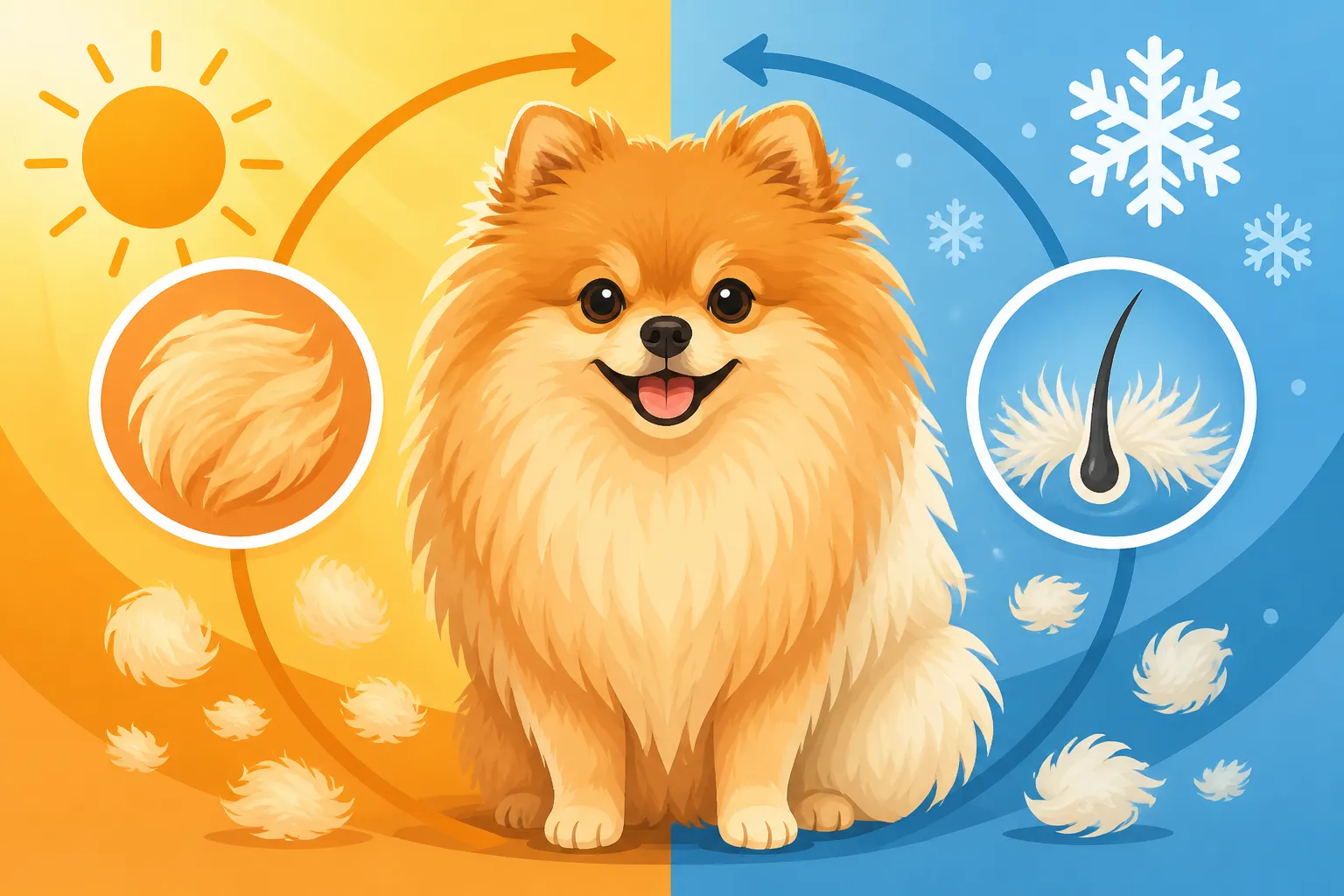
Yes, Pomeranians do experience some degree of undercoat shedding year-round. This isn't usually a dramatic "coat blow" that leaves tumbleweeds of fur rolling across your floors, but rather a more subtle, ongoing process. Like all mammals, dogs constantly replace old hairs with new ones as part of their natural hair growth cycle. The undercoat, being so dense and abundant, is particularly prone to this continuous shedding. You might find small tufts of fluff here and there, or notice a good amount accumulating in their bed or on your clothes, even outside of peak shedding seasons.
Think of it as a gradual refresh. Individual hairs in the undercoat have a shorter lifespan than the coarser guard hairs. As these undercoat hairs reach the end of their growth cycle, they detach from the follicle to make way for new growth. This is completely normal and healthy. Regular brushing, which we'll delve into shortly, becomes your best friend in managing this continuous shedding, as it effectively removes these dead hairs before they have a chance to settle on your furniture or cling to your favorite sweater. Without proper routine care, this seemingly minor year-round shedding can quickly lead to matting and discomfort for your Pom.
Seasonal "Coat Blows" and What to Expect
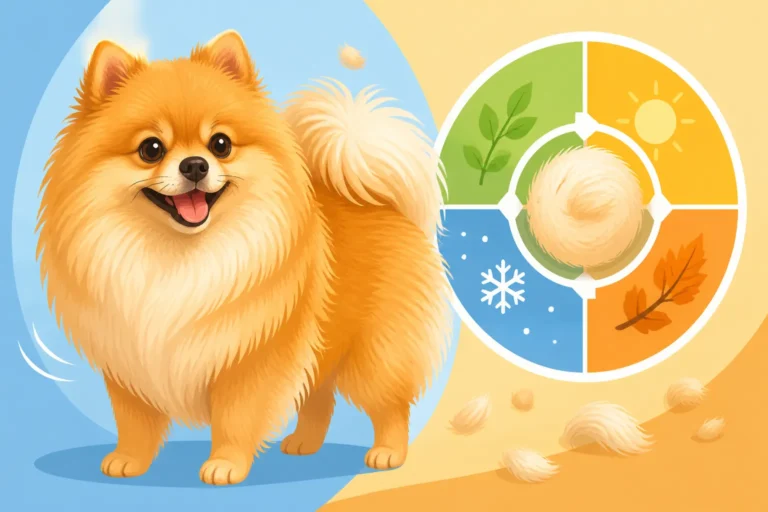
While there's a constant trickle of shedding, Pomeranians definitely have more significant shedding periods, commonly referred to as "coat blows." These usually occur twice a year, typically in spring and autumn, aligning with the change in seasons and daylight hours. During a spring coat blow, your Pom will shed their dense winter undercoat to prepare for warmer weather, making way for a lighter, less insulating layer. Come autumn, they'll shed the lighter summer undercoat to grow in a thicker, more protective winter coat.
These seasonal coat blows are much more noticeable than the year-round shedding. You'll likely find larger amounts of loose fur, and brushing sessions will yield impressively large piles of undercoat. It can feel like your little Pom is suddenly leaving half of themselves on your floor every day! This is a natural physiological process, and while it can be messy, it's essential for their comfort and health. Understanding that these periods are normal helps you prepare with extra grooming, making the process smoother for both you and your furry friend. Being ready for The Weeks a Pomeranian Blows Its Coat is a definite advantage for any owner.
Factors That Influence Shedding Beyond Season
Beyond the natural seasonal cycles, several other factors can significantly influence how much and how often your Pomeranian sheds. Hormonal changes are a huge one. Female Pomeranians, for instance, often experience a heavy coat blow after going through a heat cycle, or even more dramatically after whelping a litter. Spaying or neutering can also alter a dog's coat, sometimes leading to a softer, more cottony texture and, for some, a more prolonged or year-round shedding phase due to shifts in hormones.
Diet and overall health play a massive role too. A dog on a poor-quality diet lacking essential nutrients, particularly omega fatty acids, might have a dull, brittle coat that sheds excessively. Stress can also be a shedding trigger; a Pom experiencing anxiety, a change in environment, or even just a visit to the vet might temporarily shed more. Underlying health conditions, such as thyroid issues, allergies, or skin infections, can also manifest as increased or abnormal shedding. Even age can affect the coat, with some senior Poms experiencing thinning or changes in coat texture and shedding patterns. It’s always worth consulting your vet if you notice any sudden, excessive, or patchy hair loss, as it could signal an issue beyond normal shedding.
Managing Year-Round Shedding and Coat Health
Dealing with Pomeranian shedding, whether it's the daily fluff or the seasonal explosion, is an ongoing task for any owner. The key isn't to stop shedding entirely – that's impossible and unhealthy – but to manage it effectively. A consistent routine of grooming, proper nutrition, and the right tools will not only keep your home cleaner but, more importantly, ensure your Pom's coat remains healthy, comfortable, and beautiful.
Effective Brushing Techniques for a Double Coat
Brushing is undoubtedly the most critical component of managing a Pomeranian's shedding. Given their dense double coat, a quick once-over simply won't cut it. You need to employ specific techniques to reach down to the skin and remove all the loose undercoat. The most effective method is "line brushing" or "section brushing." This involves parting the fur in small sections, similar to how you might brush long human hair, and then systematically brushing from the skin outwards. You start at the bottom (say, a leg or the tail) and work your way up and around the body, ensuring you brush every single inch.
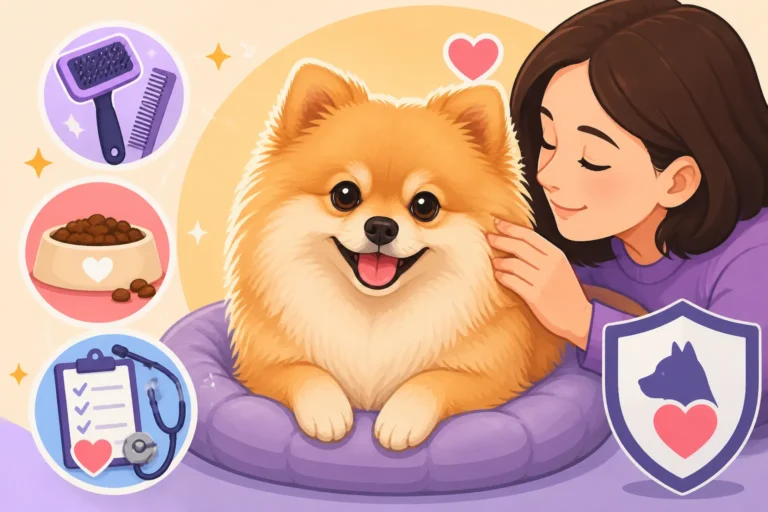
For tools, a good quality slicker brush is indispensable for removing loose undercoat and small mats, followed by a metal greyhound comb to ensure you've reached all the way to the skin and haven't left any tangles behind. These tools are readily available from online retailers like Chewy or Amazon, offering a wide selection to suit your budget and preferences. Aim to brush your Pomeranian at least 3-4 times a week, and daily during heavy shedding seasons like a The Weeks a Pomeranian Blows Its Coat. Consistent, thorough brushing prevents matting, stimulates blood circulation to the skin, and distributes natural oils, all contributing to a healthier coat and less loose fur around your home. For a full guide on frequency, check out How Many Times a Week a Pomeranian Is Brushed.
| Shedding Type | Frequency | Amount of Hair Expected | Grooming Needs | Key Characteristics |
|---|---|---|---|---|
| Year-Round Shedding | Daily/Weekly | Moderate, consistent | Regular brushing (3-4 times/week) with slicker/comb. | Individual hairs shed; often unnoticed until accumulated. |
| Seasonal "Coat Blow" | Bi-annually (Spring/Autumn) | Heavy, noticeable | Daily intensive brushing; potential professional de-shed. | Large clumps of undercoat; significant increase in visible fur. |
| Hormonal Shedding | Post-heat, pregnancy, post-spay/neuter | Varies, can be heavy | Increased brushing; veterinary consultation if excessive. | Can affect coat texture; may be prolonged or uneven. |
| Stress Shedding | Situational | Sudden, temporary | Address stressor; increased brushing. | Occurs during stressful events; usually resolves with calm. |
| Health-Related Shedding | Ongoing/Progressive | Patchy, unusual texture, excessive | Veterinary diagnosis and treatment; gentle grooming. | Accompanied by other symptoms; requires medical attention. |
Diet and Supplements for a Healthy Coat
What your Pomeranian eats has a direct and profound impact on the health and appearance of their coat, and by extension, on how much they shed. A high-quality diet provides the necessary building blocks for strong, healthy hair follicles. Look for dog foods where real meat is the first ingredient, and that contain a good balance of protein, healthy fats, and essential vitamins and minerals. Cheaper, filler-heavy foods often lead to a dull, brittle coat prone to excessive shedding because the body simply isn't getting the nutrients it needs to maintain healthy skin and fur.
Many owners find great success with fresh food options, which often boast superior digestibility and nutrient absorption. Brands like Ollie, for instance, provide gently cooked, human-grade ingredients that can visibly improve coat quality. If a fresh food diet isn't feasible, consider supplementing your Pom's regular kibble. Omega fatty acids, particularly Omega-3s found in fish oil, are superstars for coat health. They help to moisturize the skin, reduce inflammation, and promote a shiny, strong coat, which can minimize unnecessary shedding caused by dryness or irritation. You can find excellent quality fish oil supplements on Chewy or Amazon, but always consult your vet for the correct dosage for your specific Pomeranian. For more on what to feed, including portion sizes, check out How Many Cups a Five Pound Pomeranian Eats and Whether a Pomeranian Needs Fish Oil for Its Coat.
Grooming Tools and Routines to Minimize Loose Hair
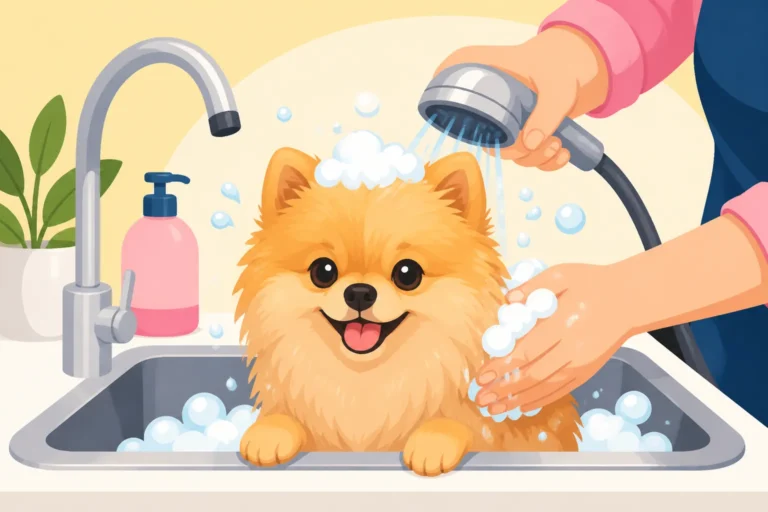
Beyond just brushing, a holistic grooming routine is essential for managing your Pomeranian's coat and keeping shedding under control. Regular bathing, but not too frequent, is important. Over-bathing can strip natural oils, leading to dry skin and a brittle coat, while too little bathing can allow dead hair and dander to build up. Aim for a bath every 3-4 weeks, using a high-quality shampoo specifically designed for dogs with double coats. Look for formulas that don't contain harsh detergents that might flatten their beautiful stand-off coat. You can find excellent options on Amazon or Chewy.
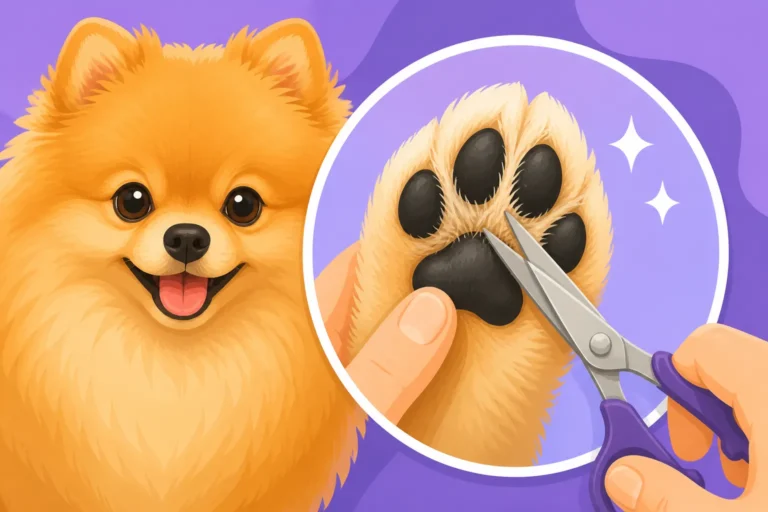
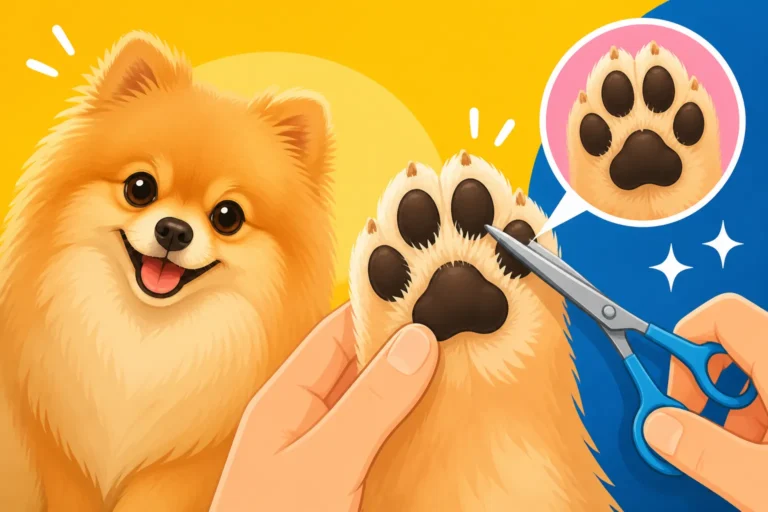
After bathing, thoroughly drying your Pomeranian is crucial. A high-velocity pet dryer helps to 'blast' out loose undercoat and ensure the dense fur is completely dry, preventing matting and skin issues. Air drying a Pom is often impractical and can lead to problems. During your grooming sessions, don't forget other vital elements like nail trims, ear cleaning, and checking for any mats behind the ears or in the 'armpits.' Investing in good quality tools – a robust slicker brush, a metal comb, dog-specific shampoo and conditioner, and a pet dryer – will make these tasks much easier and more effective, helping to keep that glorious Pomeranian coat in tip-top shape and minimize the constant battle against shedding. To truly master the post-bath dry, read Drying a Pomeranian Without Damaging the Coat.
Disclaimer
This article is for general informational purposes only and does not constitute professional advice. Laws, prices and regulations vary by location and change over time. Consult a qualified professional for guidance on your specific situation.