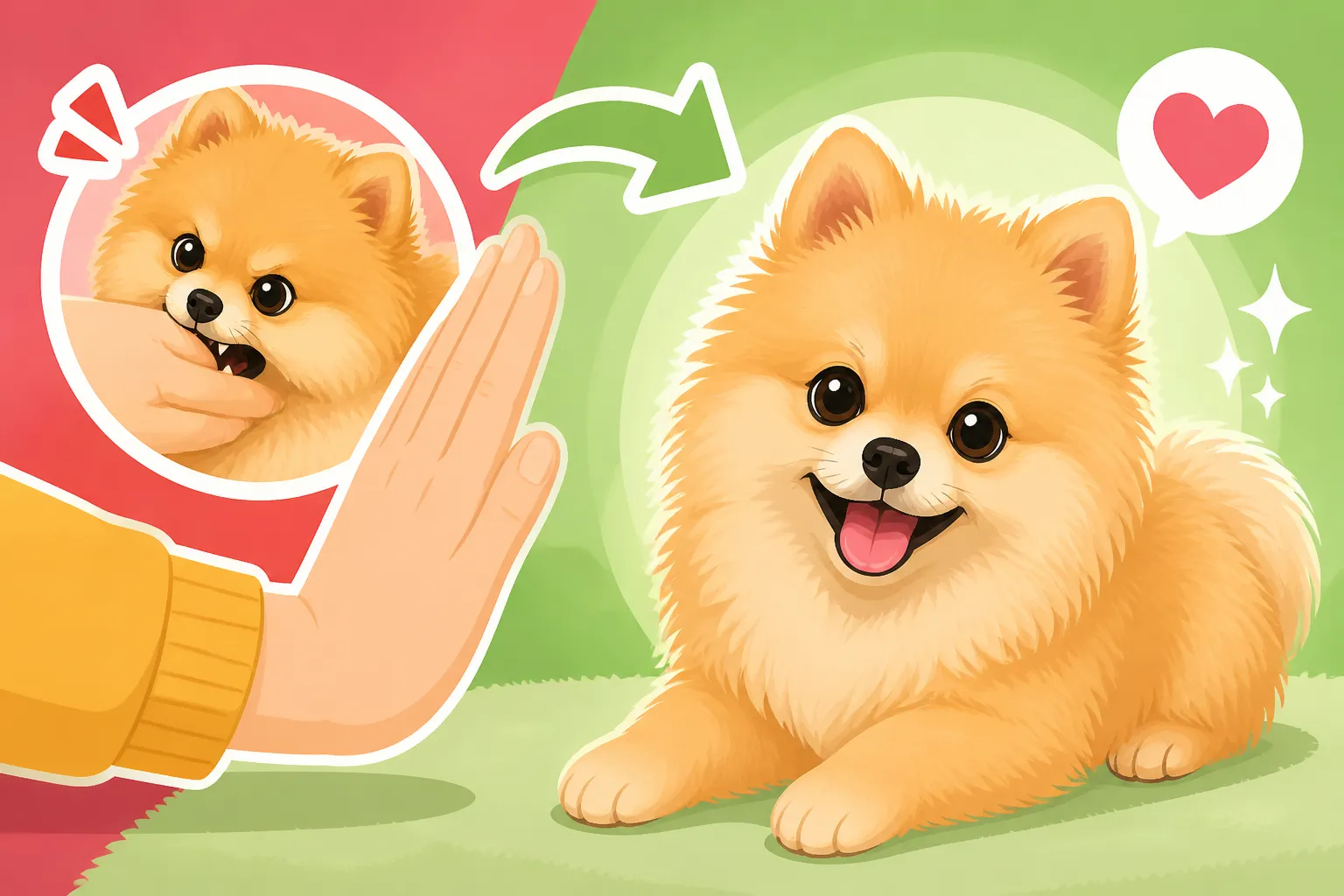
The Month a Pomeranian Puppy Stops Nipping
Oh, the joy of a new Pomeranian puppy! Their fluffy little faces, their tiny little barks, and then… the razor-sharp teeth that seem to appear out of nowhere, latching onto your fingers, toes, and anything else within reach. It's a completely normal, albeit painful, stage of puppyhood, and if you're wondering when that incessant nipping is finally going to calm down, you've come to the right place. This guide will walk you through the typical timeline of Pomeranian puppy nipping, why it happens, and most importantly, how to gently but effectively guide your little land shark toward better manners, transforming those tiny piranha bites into soft, loving licks.
Understanding Pomeranian Puppy Nipping: Why It Happens
It can feel a bit personal when your adorable Pomeranian puppy acts like they're auditioning for a role in Jaws, but rest assured, it's rarely about aggression. Puppy nipping is a natural, instinctual behavior rooted deeply in how dogs explore their world, communicate, and learn. For such a small breed, their mouths are surprisingly active tools.
The Natural Instinct to Explore and Play
Think of your Pomeranian puppy as a tiny explorer, and their mouth is their primary tool for discovery. They can't pick things up with their paws like we do, so everything goes into their mouth. Is that a new toy? Mouth it. Is that your hand? Mouth it. Is that the leg of the coffee table? Definitely mouth it. This isn't malicious; it's simply how they investigate textures, shapes, and the boundaries of their environment.
Beyond exploration, nipping is a huge part of how puppies play with each other. When they wrestle and tumble, they use their mouths. They'll mouth each other's ears, legs, and scruff. This playful nipping is crucial for developing appropriate social skills, and it's where they begin to learn something called "bite inhibition"—the understanding of how much pressure they can exert with their jaws before it really hurts.
Teething Pains and Relief Seeking
Just like human babies, Pomeranian puppies go through a teething phase, and it's no fun for them. Those tiny, needle-sharp puppy teeth start to emerge around 3-4 weeks, but then, they have to fall out to make way for their permanent adult teeth. This process typically begins around 3 months of age and can last until they're about 6-7 months old. During this time, your puppy's gums will be sore, itchy, and sometimes inflamed.
Nipping and chewing everything in sight becomes their way of finding relief. The pressure on their gums feels good, much like a baby gnawing on a teething ring. Your fingers might inadvertently become the perfect chew toy because they're warm, soft, and just the right size. It's not that they want to hurt you; they're just desperate for something to chew on to soothe their aching mouths. Providing appropriate chew toys during this period is absolutely essential to redirect this natural urge.
Learning Bite Inhibition from Littermates or Lack Thereof
One of the most vital lessons a puppy learns about nipping comes from their littermates and mother. When puppies play too roughly and bite a sibling too hard, that sibling will yelp and stop playing. This immediate feedback teaches the offending puppy that "ouch! that was too hard, game over." Their mother also plays a role, correcting them if they bite her too forcefully.
However, if a Pomeranian puppy is separated from their litter too early, or if they were the smallest in the litter and perhaps not played with as roughly, they might not have fully learned this crucial lesson of bite inhibition. This means when they come home to you, they might not understand that human skin is far more delicate than a sibling's furry ear. It then falls to us, their human caregivers, to continue this education, teaching them how to control the strength of their bite. This is a journey, and patience is key. For more on their early development, you might find The Week a Pomeranian Puppy Can Start Learning helpful.
The Typical Timeline for Nipping to Subside
While every Pomeranian is an individual, there's a general timeline you can expect for the nipping phase. Understanding these stages can help you manage your expectations and tailor your training efforts.
Early Weeks (8-12 weeks): The "Shark" Phase
When your Pomeranian puppy first comes home, usually around 8-12 weeks old, they are often in what many owners lovingly refer to as the "land shark" phase. Their baby teeth are out, they're full of boundless energy, and they use their mouths for everything. This is typically the peak of frantic, playful nipping. They're exploring their new world, testing boundaries, and don't yet understand that your skin isn't a chew toy.
During these weeks, you'll likely experience frequent nips during playtime, when petting them, or even just walking by. Their tiny teeth are incredibly sharp, and even though they're not trying to hurt you, it can certainly feel that way. This is the crucial time to start implementing bite inhibition training and redirection strategies. Don't be discouraged; consistency now will pay off immensely later. It’s also during this time you'll want to think about How Often a Pomeranian Puppy Needs to Eat to avoid blood sugar crashes.
The Peak of Teething (3-6 months): Increased Mouthiness
As your Pomeranian puppy approaches 3-4 months, their adult teeth will start to push through, leading to significant discomfort. This often results in an increase in chewing and nipping as they seek relief for their sore gums. You might notice them drooling more, being a bit fussier, and having an even stronger urge to mouth everything. This phase can last for several months, typically until most or all of their adult teeth have emerged, which is usually by 6-7 months of age.
During this period, access to a variety of appropriate chew toys is non-negotiable. Consider toys that can be frozen, like a Kong filled with peanut butter or plain yogurt, which offers soothing cold relief. You might also explore different textures, from softer rubber toys to tougher nylon chews, to see what your Pom prefers. Many owners find great options on places like Amazon, where you can find everything from dental chews to puppy-safe puzzle toys. Remember, if they're chewing on something appropriate, they're less likely to be nipping at you.
When Consistency Pays Off (6-9 months): Seeing Real Progress
By the time your Pomeranian puppy reaches 6-7 months, most of their adult teeth should be in, and the intense discomfort of teething will have subsided. This is when, with consistent training and redirection from you, you should start to see significant improvement in their nipping behavior. They'll begin to understand that human skin is off-limits and that appropriate chew toys are for mouthing.
While the intense, frantic puppy nipping will largely decrease, you might still experience occasional "reminder" nips, especially when they are overly excited or tired. These are usually much softer and less frequent. Continue to reinforce good behavior. Many Pomeranians, by 8-9 months of age, have largely grown out of the problematic nipping stage, becoming much gentler with their mouths. However, training is an ongoing process, and continuing to provide mental stimulation and appropriate outlets for chewing will help maintain their good manners well into adulthood. For long-term behavioral shaping, The Month a Pomeranian Puppy Stops Nipping is closely related to overall training.
Here's a quick overview of what to expect:
| Age Range | Nipping Behavior | Primary Cause | Management Focus |
|---|---|---|---|
| 8-12 Weeks | Frequent, sharp, exploratory nipping | Exploration, play, lack of bite inhibition | Redirection, "yelp" method, appropriate toys |
| 3-6 Months | Increased chewing, mouthing, some nipping | Teething pain, adult teeth emerging | Abundant chew toys, frozen treats, consistent redirection |
| 6-9 Months | Decreasing nipping, occasional "reminder" | Residual habit, excitement, seeking attention | Continued positive reinforcement, structured play |
| 9+ Months | Minimal to no inappropriate nipping | Learned inhibition, settled adult teeth | Reinforce good habits, provide enriching chews |
Practical Strategies to Manage and Reduce Nipping
While time and maturity will certainly help, you can't just wait for your Pomeranian to "grow out of it." Active intervention and consistent training are key to teaching them good mouth manners.
Redirection and Appropriate Chews
This is perhaps the most fundamental strategy. Whenever your Pomeranian puppy attempts to nip at your hands, feet, or clothing, immediately redirect their attention to an appropriate chew toy. Keep a variety of enticing toys readily available in every room your puppy spends time in.
Here's how to do it:
- Interrupt Gently: As soon as you feel a nip, let out a soft "ouch!" or "yelp." This mimics the sound a littermate would make and often causes the puppy to pause.
- Withdraw Attention: Immediately withdraw your hand or whatever they were nipping. If they continue, stand up and turn your back, or even leave the room for 10-20 seconds. This teaches them that nipping makes the fun stop.
- Offer a Toy: Once they've disengaged, immediately present an appropriate chew toy. When they take the toy in their mouth and start chewing on it, offer praise and positive reinforcement ("Good chew!"). This teaches them what they should be chewing on instead. Many fantastic chew toys can be found on BAXTER & Bella's recommended product lists or through a quick search on Amazon for "Pomeranian puppy chew toys." Ensure the toys are durable and sized appropriately for their tiny mouths to prevent choking. A good resource on this might be Chews Sized for a Pomeranian's Jaw.
Teaching Bite Inhibition to Your Pomeranian
Teaching bite inhibition means teaching your Pomeranian the difference between a hard bite and a soft bite. Since we don't have fur or a thick hide like another puppy, our skin is more sensitive.
- The "Ouch" or "Yelp" Method: When your puppy bites too hard during play, let out a sharp, high-pitched "ouch!" or "yelp." Immediately stop interacting with them. Your goal is to interrupt the behavior and show them that a strong bite ends playtime. Wait a few seconds until they calm down, then resume play gently. If they nip hard again, repeat the process. The idea is to gradually increase the threshold of what you consider "too hard," until they only apply very gentle pressure.
- Structured Play: Engage your puppy in structured play with toys rather than your hands. Use flirt poles, tug toys (gently!), or soft plush toys for interactive play. This keeps their teeth off your skin while still satisfying their natural play drive. If their teeth accidentally make contact with your skin during play, apply the "ouch" and pause technique.
- Consistency is Key: Everyone in the household needs to be consistent with this training. If one person allows nipping and another discourages it, your puppy will get mixed signals and the training will take much longer.
The Importance of Structured Play and Training
Beyond just discouraging nipping, actively engaging your Pomeranian puppy in structured play and training is vital for their overall development and good behavior.
- Energy Outlets: Pomeranians, despite their small size, have surprising bursts of energy. If this energy isn't channeled constructively, it can manifest as excessive nipping, barking, or destructive chewing. Short, frequent play sessions, involving fetch or gentle tug, can burn off steam. Mental stimulation, like puzzle toys, can be just as tiring as physical exercise and helps keep their minds engaged. You might find some ideas in Games That Tire a Pomeranian Indoors.
- Basic Obedience: Teaching basic commands like "sit," "stay," and "leave it" provides your puppy with structure and helps them learn self-control. A puppy enrolled in a program like BAXTER & Bella's online puppy school can learn these foundational behaviors from a young age, which directly translates to better impulse control, including nipping. When a puppy knows "leave it," you can use it to redirect their attention from your hand to a toy.
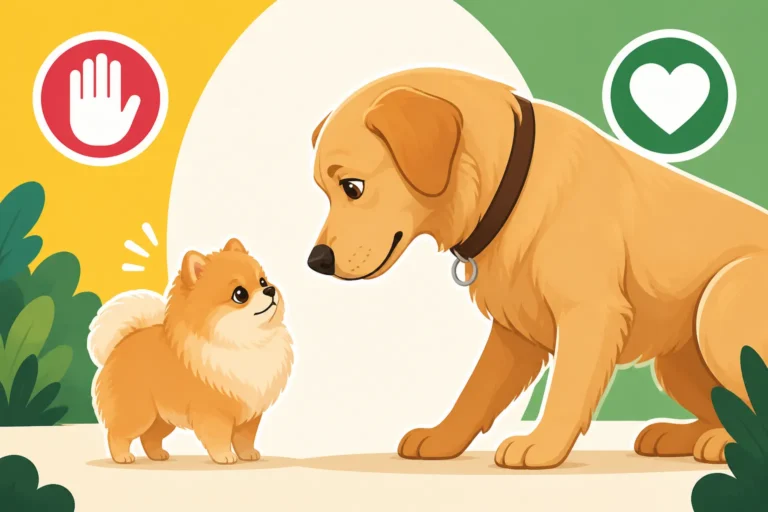
- Socialization: Carefully planned, positive socialization experiences with other calm, vaccinated dogs (especially older, gentle ones who can teach them manners) can be invaluable. An older dog might give a sharp correction (a growl or a snap) that a human simply cannot replicate, teaching the puppy the true meaning of "too hard." Always supervise these interactions closely to ensure safety for your tiny Pomeranian. For more on safe interactions, read Introducing a Pomeranian to a Larger Dog.
When Nipping Becomes a Bigger Concern and What to Do
For most Pomeranian puppies, nipping is a phase they'll outgrow with consistent training and redirection. However, there are instances where nipping can escalate or become a sign of a deeper issue, requiring professional guidance.
Recognizing Aggressive Nipping vs. Playful Nipping
It's crucial to distinguish between normal puppy nipping and true aggression. Playful nipping in puppies is usually accompanied by a loose, wiggly body, a relaxed open mouth, and a "play bow" stance. The nips might be sharp, but they're not intended to cause harm, and the puppy will usually back off if you yelp or disengage. Their goal is to initiate play or get attention.
Signs that nipping might be straying into aggressive territory include:
- Stiff Body Language: The puppy's body becomes rigid, tail might be tucked or held stiffly, ears flattened back, or hackles raised.
- Growling or Snarling: This is distinct from playful vocalizations.
- Hard, Unrelenting Bites: The puppy bites with significant pressure and doesn't release easily, or they immediately re-engage with the same intensity even after you've yelped.
- Resource Guarding: Nipping that occurs specifically when they are guarding food, toys, their bed, or even you. You can learn more about this in A Pomeranian That Guards a Toy From the Family.
- Fear-Based Reactions: Nipping out of fear, often accompanied by backing away, trembling, or trying to hide.
If you observe these signs, it's time to take the situation seriously.
Seeking Professional Help for Persistent Issues
If your Pomeranian puppy's nipping is persistent, escalating, or you suspect it's aggression rather than normal puppy play, do not hesitate to seek professional help. This is not a situation to try and "power through" on your own, especially with a small breed that can easily be hurt or intimidated by incorrect handling.
- Certified Professional Dog Trainer (CPDT-KA): A good professional trainer can assess your puppy's behavior in person, identify the root cause of the nipping, and provide tailored strategies. Look for trainers who use positive reinforcement methods and are certified. They can teach you how to effectively communicate with your Pomeranian and build a stronger bond based on trust.
- Veterinary Behaviorist (Dip. ACVB): For more severe or complex cases, especially if aggression or fear is involved, a veterinary behaviorist is the highest level of expertise. These are veterinarians who have specialized training in animal behavior and can rule out any underlying medical conditions contributing to the behavior. They can also prescribe medication if necessary, alongside a behavior modification plan.
- Early Intervention is Key: The sooner you address concerning nipping behavior, the easier it is to modify. Allowing aggressive tendencies to go uncorrected can lead to more serious problems as your Pomeranian matures. A professional can help you navigate challenging behaviors and ensure your tiny companion grows into a well-adjusted, confident adult.
Dealing with a nippy Pomeranian puppy can be frustrating, but it's a phase that most puppies successfully navigate with the right guidance. By understanding why they nip, being consistent with your training, and providing plenty of appropriate outlets for their natural behaviors, you can help your precious Pom learn excellent bite inhibition and become a gentle, loving companion.
Disclaimer
This article is for general informational purposes only and does not constitute professional advice. Laws, prices and regulations vary by location and change over time. Consult a qualified professional for guidance on your specific situation.