Whether a Mixed Sex Pomeranian Pair Settles Better
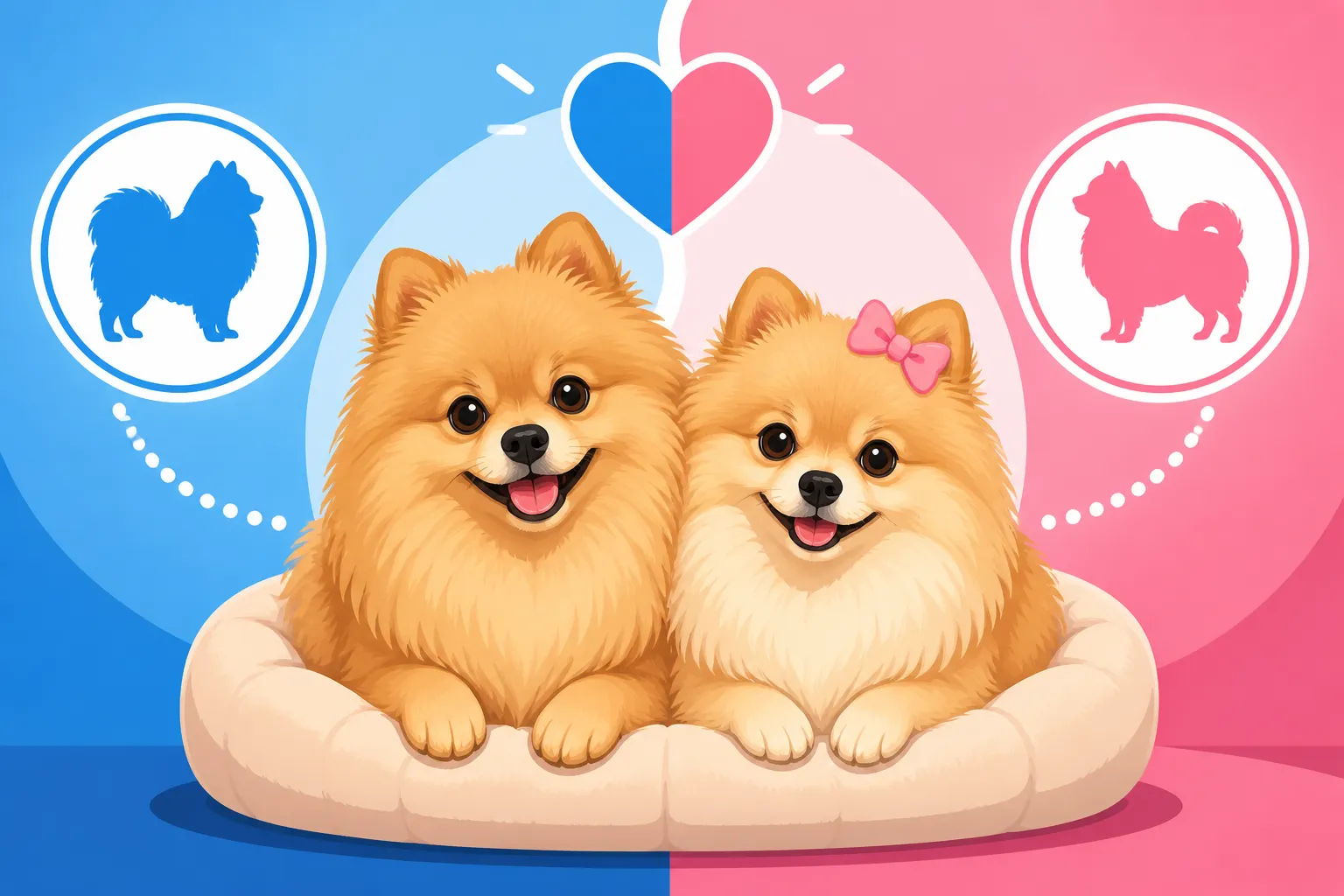
Bringing a second Pomeranian into your home can feel like a big step, often sparking questions about how best to ensure a peaceful household. Many owners wonder if a mixed-sex pair, meaning one male and one female, will simply get along better or if it introduces new complexities. This guide will dive deep into the dynamics of mixed-sex Pomeranian pairs, helping you understand if this is the right route for a harmonious two-Pom family.
Considering a Second Pomeranian: The Mixed-Sex Advantage
It’s completely understandable to feel the pull towards adding another fluffy face to your life. Your current Pomeranian might be the absolute joy of your world, and the thought of doubling that joy, or providing a companion for your existing dog, is incredibly appealing. But making that leap means thinking about how two distinct personalities will mesh, and one of the biggest factors is often the sex of the second dog.
Why Owners Consider a Second Pom
For many of us who adore Pomeranians, one is simply not enough! We fall in love with their sassy personalities, their spirited antics, and that incredible fluff, and soon we're dreaming of a tiny Pom-pack. Sometimes, it's about giving our current dog a friend, especially if they spend time alone during the day, or if they just seem like they'd thrive with a playmate. Other times, it's simply a matter of our hearts being big enough for two. You might find yourself thinking about a second Pomeranian if your current one seems lonely, or if you just want to experience the puppy stage again. Whatever the reason, the desire for a multi-Pomeranian household is a common and lovely one. However, it's important to remember that Whether Two Pomeranians Are Twice the Work before diving in headfirst.
Initial Thoughts on Gender Pairing
When you start looking for that second Pomeranian, a common piece of advice you’ll hear, often from experienced breeders or trainers, is to consider a mixed-sex pair. This isn't just an old wives' tale; there's a good reason why many believe a male and female tend to settle together more easily than two dogs of the same sex. The theory is that same-sex aggression, particularly between two females or two intact males, can be a real challenge to manage. While Pomeranians are small, they often have big personalities, and they can certainly have strong opinions about who gets to be the top dog in the house. A mixed-sex pairing is often seen as a way to circumvent some of these potential power struggles, allowing for a more natural, less competitive dynamic to emerge.
The Temperament Tangle: Why Mixed-Sex Pairs Often Shine
While every dog is an individual, and every household has its own unique energy, there's a general consensus that mixed-sex pairs often create a smoother, more balanced pack dynamic. This isn't to say that same-sex pairs can't thrive, but a male and female often navigate their social world with less direct confrontation.
Reduced Same-Sex Rivalry
One of the primary benefits often cited for mixed-sex pairs is the reduction in same-sex rivalry. In the dog world, just like in many social animal groups, competition for resources, attention, and status can be intense between individuals of the same sex. Two female Pomeranians, for example, can sometimes engage in surprisingly fierce squabbles over who gets the prime sleeping spot, who gets attention from their human, or even who gets to claim a new toy first. While these might not escalate to serious injury in such small dogs, the constant tension and bickering can be incredibly stressful for everyone involved. Similarly, two intact male Pomeranians might constantly challenge each other, leading to marking wars and territorial disputes, even if they've been raised together. A male and a female, however, tend to see each other less as direct competitors for the same kind of status, leading to a more complementary relationship.
Natural Pack Dynamics at Play
Think about it in terms of natural pack dynamics. In the wild, most stable packs consist of a breeding pair and their offspring, or at least a balanced mix of males and females. While our Pomeranians are far removed from their wild ancestors, some of these inherent social structures still influence their behavior. A male and a female Pomeranian often fall into a more natural give-and-take, with one typically taking a slightly more dominant role and the other a more submissive one, without the constant need to prove superiority that can occur between two same-sex individuals. They might play differently, too; males often enjoy more rough-and-tumble play, while females might prefer chase games or more intricate interactions. This variety in play styles can actually lead to a more enriching relationship for both dogs. This is especially true if you're hoping Whether a Pomeranian Works as a Companion for Another Dog.
The Impact of Spaying and Neutering on Behavior
Of course, a huge part of managing multi-dog households, especially mixed-sex ones, comes down to spaying and neutering. An intact male and an intact female living together would present an entirely different set of challenges, primarily related to preventing unwanted pregnancies and managing hormonal behaviors. A spayed female Pomeranian and a neutered male Pomeranian generally live together with far fewer hormonal influences driving their behavior. Neutering a male can often reduce marking behaviors, territorial aggression, and the incessant urge to seek out females in heat, which can make them much calmer housemates. Similarly, spaying a female eliminates heat cycles, which can be a stressful time for both the dog and the owner, and can remove the hormonal fluctuations that sometimes lead to moodiness or increased aggression. Whether Neutering Quiets a Pomeranian is a common question, and for many males, it does contribute to a more settled demeanor, which benefits a mixed-sex pair's harmony.
Here's a quick comparison of potential dynamics:
| Characteristic | Same-Sex Male Pair | Same-Sex Female Pair | Mixed-Sex Pair (Spayed/Neutered) |
|---|---|---|---|
| Potential for Rivalry | Moderate to High (territorial, dominance) | Moderate to High (status, resources, attention) | Low to Moderate (less direct competition) |
| Play Styles | Often physical, wrestling | Can be varied, sometimes intense chase/resource | Often complementary, diverse interactions |
| Marking Behavior | Higher, especially if intact or competitive | Lower, but can occur with competition | Generally low, esp. if neutered |
| Hormonal Issues | High if intact (roaming, aggression) | High if intact (heat cycles, mood swings, unwanted pregnancy) | Negligible if spayed/neutered |
| Overall Harmony | Can be challenging, requires careful management | Can be challenging, requires careful management | Often smoother, more balanced |
Practical Considerations for Bringing Home a Second Pom
Deciding on a mixed-sex pair is a great first step, but the actual process of introducing and integrating your new Pomeranian still requires thoughtful planning and effort. It's not always as simple as opening the door and letting them figure it out; careful introductions set the stage for a lifetime of companionship.
Introducing Your New Family Member Smoothly
The first impressions are critical. Don't just throw two Pomeranians together in your living room and hope for the best. Instead, plan a neutral territory introduction – think a quiet park or a friend's yard that neither dog considers "theirs." Keep both dogs on leashes, allowing them to sniff and observe each other without forced interaction. Look for relaxed body language: loose tails, soft eyes, gentle sniffing. Avoid tension on the leash, as this can transfer to the dogs. Once they've had a calm, brief meeting, bring them home, still on leashes, and allow them to explore the house separately before supervised, off-leash time. Make sure there are plenty of high-value treats to reward calm behavior. Products from brands like BAXTER & Bella often emphasize positive reinforcement, which is key during these initial stages. Having a crate ready for each dog can also be a lifesaver, providing a safe space for each to retreat to. You can find excellent travel crates or indoor pens on Amazon to help facilitate these early separations and introductions. Consider reviewing Crate Work With a Pomeranian Puppy That Cries for tips on making crating a positive experience.
Managing Resources and Attention Evenly
Even with a mixed-sex pair, resource guarding can crop up if not managed proactively. This means being mindful of food bowls, toys, beds, and even your attention. Always feed your Pomeranians in separate spaces, or at least far enough apart that they don't feel threatened. Pick up all toys after playtime to prevent any squabbles, especially if one dog is more possessive. Ensure each dog has their own bed or safe space where they won't be bothered. Most importantly, distribute your affection and attention fairly. Make sure you're not inadvertently favoring one dog over the other, which can breed resentment. If one dog consistently tries to push the other out of the way for pets, gently interrupt and ensure the other dog gets equal attention. It’s also wise to dedicate individual time to each dog, whether it's a short walk alone or a few minutes of one-on-one training. This reinforces their individual bond with you and prevents co-dependency. For more on guarding issues, you might find A Pomeranian That Guards a Toy From the Family helpful.
Training and Enrichment for Two
Having two Pomeranians means doubling your commitment to their training and enrichment. While they may entertain each other, they still need individual guidance and mental stimulation. Continue with obedience training for both dogs, ensuring they understand basic commands like sit, stay, and come, both individually and together. If you're bringing in a puppy, The Week a Pomeranian Puppy Can Start Learning is important to remember – start early and be consistent. Consider enrolling them in a puppy class or even a refresher course for your older dog. Mental enrichment is also crucial. Puzzle toys, short training sessions, and interactive games can help keep their minds engaged and prevent boredom, which can sometimes lead to mischief or conflict. Remember that Training Session Length for a Pomeranian should be short and fun to maintain their focus. Regular walks, even if short due to their size, are essential for physical exercise and sniffing out new scents. Two Pomeranians can be a delight, but a well-behaved and well-stimulated pair is even better!
Addressing Challenges and Ensuring Harmony
Even with the best intentions and a generally compatible mixed-sex pairing, life with two Pomeranians isn't always a walk in the park. There might be moments of friction, and it's important to know how to recognize and address them.
Recognizing and Resolving Conflicts
Sometimes, what looks like play can escalate into something more serious. Watch for signs of stress or aggression: stiff body language, prolonged stares, growling, snarling, or snapping. If you see consistent tension, don't ignore it. It’s better to intervene early and separate the dogs calmly before a real fight breaks out. Try to identify the triggers – is it a specific toy, a certain spot on the couch, or when you come home? Once you know the trigger, you can manage the environment to prevent future conflicts. For instance, if toys are the issue, put them away unless you are actively supervising playtime. If they are competing for your attention, ensure both dogs receive attention separately and together, rewarding calm behavior. Consistency and clear boundaries from you are paramount. Understanding subtle cues can prevent bigger issues; sometimes a quick "no" or redirecting their attention is all it takes to diffuse tension.
When Professional Help is Needed
There are times when despite your best efforts, your two Pomeranians just aren't settling as a harmonious pair, or conflicts become more frequent and intense. This is absolutely nothing to be ashamed of, and it's precisely when professional help can be invaluable. A certified professional dog trainer or a veterinary behaviorist can observe your dogs' interactions, help identify underlying causes for tension, and develop a tailored behavior modification plan. They can provide tools and strategies for managing specific behaviors, strengthening the bond between your dogs, and improving the overall dynamic in your home. It’s an investment in your dogs' well-being and your peace of mind. Don't wait until the situation is dire; early intervention is always best. Services like those offered through BAXTER & Bella often provide guidance and resources for integrating multiple dogs, or they can point you to local professionals.
The Ongoing Commitment to Two Poms
Adding a second Pomeranian, regardless of sex, is a significant, long-term commitment. It means more food, more vet bills, more grooming, and yes, double the love and double the work. Each dog will continue to need individual attention, training, and care throughout their lives. You'll also need to consider things like Finding a Sitter for a Pomeranian when you travel, as finding someone comfortable with a pair can be different than just one. Their personalities will evolve, and the dynamic between them will also change over time. Being prepared for these ongoing needs, celebrating their individual quirks, and fostering their unique bond with each other and with you, is what makes a multi-Pomeranian household so incredibly rewarding. Watching them snuggle together on a dog bed from Amazon or play a spirited game of chase can truly fill your home with joy.
Disclaimer
This article is for general informational purposes only and does not constitute professional advice. Laws, prices and regulations vary by location and change over time. Consult a qualified professional for guidance on your specific situation.