Seizures in a Pomeranian
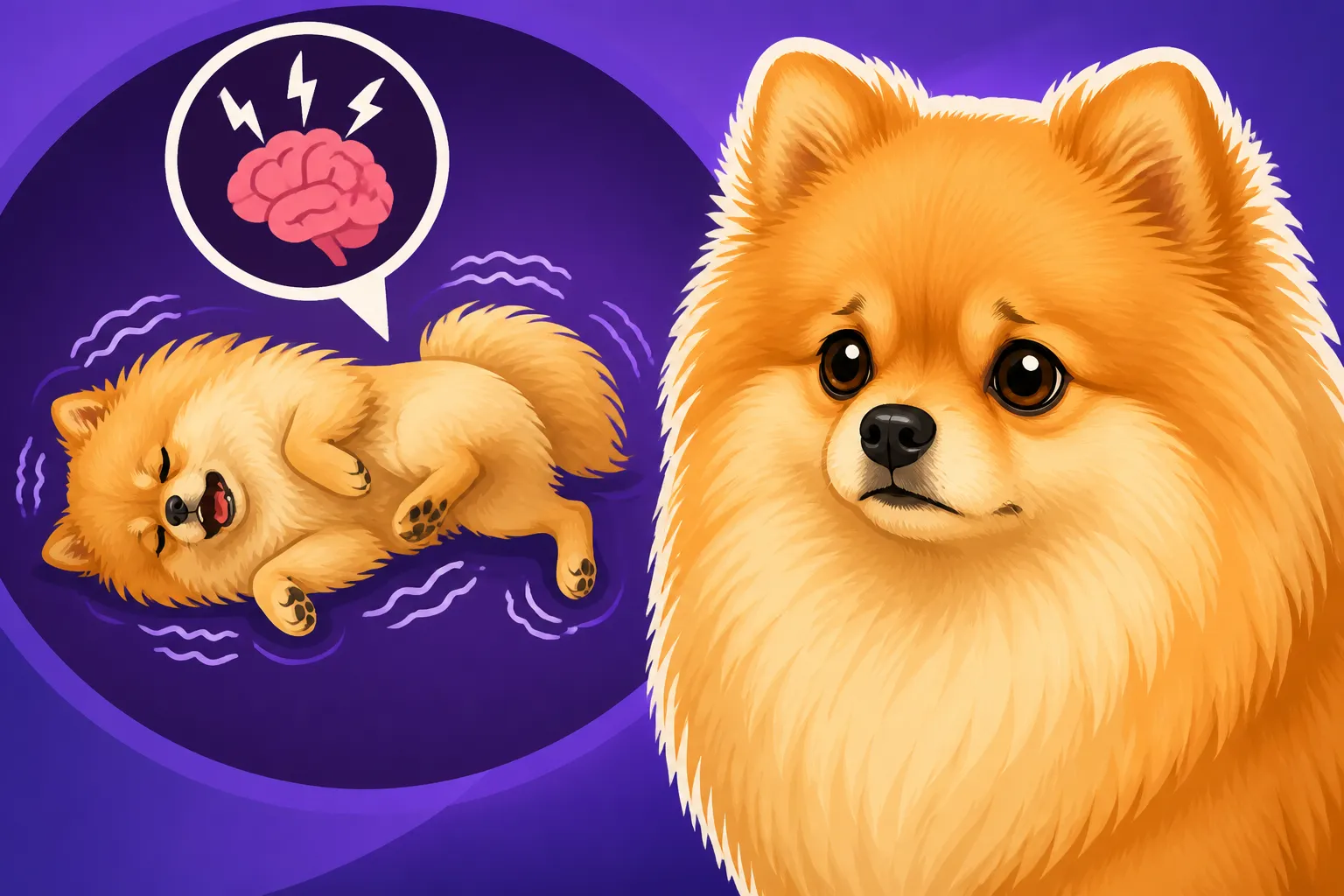
There's almost nothing more terrifying for a Pomeranian owner than witnessing their tiny companion suddenly lose control, convulsing on the floor. It's a shocking, heart-wrenching experience that leaves many feeling helpless and scared. This guide aims to demystify seizures in Pomeranians, helping you understand what they are, what causes them, and most importantly, what you can do to support your beloved little floof through such a distressing event. We'll walk through the signs, the potential underlying causes, and the steps to take to manage this challenging condition.
Understanding What a Seizure Looks Like in Your Pomeranian
When your Pomeranian has a seizure, it's not always the dramatic, full-body convulsions you might imagine. Seizures manifest in various ways, and recognizing them is the first step toward getting your pup the help they need. The sheer intensity of a seizure can be amplified in a small breed like a Pomeranian, making every muscle spasm seem more pronounced and frightening.
The Different Faces of a Pomeranian Seizure
Seizures in dogs are generally categorized as focal (partial) or generalized. While both can be incredibly distressing, they present differently.
- Generalized Seizures (Grand Mal): This is often what people think of when they hear "seizure." Your Pomeranian might suddenly collapse, lose consciousness, and begin to convulse rhythmically. You'll likely see paddling motions with all four legs, uncontrolled urination or defecation, drooling, and chewing motions. Their body might become stiff, then relax into violent shaking. These episodes typically last from a few seconds to several minutes, though even a minute can feel like an eternity when you're watching it happen. For a small dog like a Pomeranian, the force of these convulsions can seem incredibly violent and dangerous. It's crucial to remember that during this, your dog isn't in pain, but they are completely unaware of their surroundings.
- Focal Seizures (Partial Seizures): These are often more subtle and can be harder to identify, as they only affect one part of the brain. Your Pomeranian might exhibit strange, localized movements or behaviors. This could include twitching in one limb or one side of the face, snapping at invisible flies, uncontrollable lip-licking, dilated pupils, or even unexplained aggression or fear. Sometimes, a focal seizure can progress into a generalized seizure. Because Poms are so expressive and active, sometimes these subtle signs might be mistaken for normal quirkiness or a fleeting reaction to something in the environment. It takes a keen eye to spot the pattern and realize it's something more.
The Phases of a Seizure Episode
A seizure isn't just the convulsion itself; it's a whole event that typically has three distinct phases:
- Pre-Ictal Phase (Aura): This is the period before the actual seizure. Some Pomeranian owners notice changes in their dog's behavior that signal a seizure is imminent. Your Pom might seem restless, anxious, clingy, confused, or even try to hide. They might whine, pace, or stare blankly. This phase can last minutes to hours, and it's your early warning system. If you know your Pom is prone to seizures, learning to recognize their unique aura can help you prepare and keep them safe.
- Ictal Phase: This is the seizure itself – the actual period of neurological disturbance. Whether it's a grand mal convulsion or a focal twitch, this is when the visible symptoms are occurring. This is the moment where most owners feel completely powerless. It's important to remember to stay calm, ensure your dog is safe, and time the duration of the seizure. Resist the urge to hold or comfort them too much, as they aren't aware of you and could accidentally bite.
- Post-Ictal Phase: After the seizure, your Pomeranian will enter this recovery phase. This can be just as disorienting and frightening for them, and for you, as the seizure itself. They might be confused, disoriented, wobbly, blind, or temporarily deaf. Some Poms pace compulsively, bump into things, or seem extremely hungry or thirsty. This phase can last from a few minutes to several hours, or even a full day. It's essential to give your Pomeranian a quiet, safe space to recover. Don't rush them to get back to "normal." They need time to reorient themselves. During this period, patience and gentle reassurance are key.
Common Causes of Seizures in Pomeranians
Seizures are a symptom, not a disease in themselves. They signal an underlying issue that's causing abnormal electrical activity in the brain. For a small breed like a Pomeranian, these causes can range from genetic predispositions to environmental factors or other health complications. Understanding the potential culprits is vital for proper diagnosis and treatment.
Primary Epilepsy: When It's All About the Brain
Idiopathic epilepsy is the most common cause of recurrent seizures in dogs, especially in certain breeds, and Pomeranians are no exception. "Idiopathic" simply means that no underlying cause can be identified, even with extensive diagnostic testing. It's believed to be genetic, with an inherited predisposition.
- Genetic Susceptibility: While Pomeranians aren't typically listed among the breeds most prone to epilepsy like Beagles or German Shepherds, it can certainly occur. Good breeders will screen their lines and not breed dogs that exhibit idiopathic epilepsy, precisely because it is often inherited. If you're considering a Pomeranian puppy, asking about seizure history in the parents and their lineage is a responsible step, helping to prevent What a Backyard Bred Pomeranian Costs Later in health bills.
- Diagnosis of Exclusion: Diagnosing idiopathic epilepsy is often a process of elimination. Your vet will rule out all other potential causes of seizures before settling on this diagnosis. Typically, dogs with idiopathic epilepsy will have their first seizure between six months and five years of age. They usually appear completely normal between episodes.
Secondary Seizures: When Something Else is Wrong
Secondary seizures are those caused by an identifiable problem outside of the brain's inherent electrical activity. These are often more serious and require specific treatment for the underlying condition.
- Metabolic Disorders: Imbalances in the body's chemistry can trigger seizures.
- Hypoglycemia (Low Blood Sugar): This is especially common in Pomeranian puppies, who have tiny energy reserves and can experience Blood Sugar Crashes in a Pomeranian Puppy if they don't eat frequently enough. Even adult Poms can be susceptible if they have certain conditions or go too long without food.
- Liver Disease: Conditions like portosystemic shunts (PSS), which are more common in small breeds, can prevent the liver from properly filtering toxins from the blood. These toxins then build up and affect brain function, leading to seizures.
- Kidney Disease: Similar to liver disease, severe kidney dysfunction can lead to a buildup of toxins that impact the brain.
- Electrolyte Imbalances: Abnormal levels of sodium, calcium, or other electrolytes can also disrupt brain activity.
- Structural Brain Problems: Physical issues within the brain itself.
- Brain Tumors: Both benign and malignant tumors can press on brain tissue, causing seizures. While less common in younger Poms, they are a concern as dogs age.
- Hydrocephalus: This condition, sometimes seen in "teacup" or very small Pomeranians, involves an accumulation of cerebrospinal fluid in the brain, putting pressure on brain tissue. This can be exacerbated by issues arising from What Teacup Breeding Costs a Pomeranian.
- Brain Trauma: A head injury from an accident or fall, even if seemingly minor at the time, can sometimes lead to seizure activity later on.
- Infections/Inflammation: Meningitis, encephalitis, or other inflammatory conditions of the brain can cause seizures.
- Vascular Issues: Strokes or blood clots affecting the brain can also be a cause.
- Toxins: Exposure to certain poisons can induce seizures. Common culprits include snail bait (metaldehyde), antifreeze (ethylene glycol), certain pesticides, rodenticides, chocolate, xylitol, and even some human medications. Always keep potential toxins out of reach of your curious Pomeranian.
- Heart Conditions: While not a direct cause, severe heart conditions like a collapsing windpipe or The Heart Defect Found in a Pomeranian Puppy could, in rare cases, lead to reduced oxygen to the brain and secondary seizure-like activity or collapse, which can be mistaken for a seizure. However, true seizures are typically neurological in origin.
| Category | Common Causes in Pomeranians | Key Characteristics |
|---|---|---|
| Primary Epilepsy | Idiopathic (unknown cause), often genetic. | Usually begins between 6 months and 5 years of age. Dog appears completely normal between seizures. Diagnosis is made by ruling out all other potential causes. |
| Metabolic Issues | Hypoglycemia (low blood sugar, especially in puppies), liver shunts, severe kidney disease, electrolyte imbalances. | Often accompanied by other symptoms related to the organ system (e.g., lethargy, vomiting, increased thirst/urination). Can occur at any age. Requires specific blood tests for diagnosis. |
| Brain Issues | Brain tumors, hydrocephalus, trauma, infections/inflammation (e.g., meningitis), vascular accidents (strokes). | May have neurological deficits in addition to seizures (e.g., circling, blindness, weakness, behavioral changes). Often requires advanced imaging like MRI or CT scans, and sometimes a spinal tap, for diagnosis. Can be seen in older Poms more frequently. |
| Toxins | Ingestion of poisons (e.g., chocolate, xylitol, pesticides, certain medications). | Rapid onset after exposure. May present with other signs of toxicity (e.g., vomiting, diarrhea, tremors, respiratory distress). Diagnosis based on history of exposure and sometimes specific tests. |
Other Potential Triggers
Even in Poms with diagnosed epilepsy, certain factors can make a seizure more likely:
- Stress and Excitement: High levels of stress, overexcitement, or sudden changes in routine can sometimes trigger seizures in susceptible dogs.
- Sleep/Waking Cycle: Some dogs tend to seize while falling asleep, waking up, or during deep sleep.
- Environmental Stimuli: Flashing lights, loud noises, or even certain smells can occasionally act as triggers for some individuals, though this is less common.
It's important to keep a detailed log of your Pomeranian's seizures, noting the date, time, duration, symptoms, and any potential triggers. This information is invaluable for your veterinarian in diagnosing the cause and formulating a treatment plan. If your Pom does have a seizure, having pet insurance like Healthy Paws can be incredibly helpful for managing the costs of diagnostic tests and ongoing treatment.
What to Do When Your Pomeranian Has a Seizure
The moments your Pomeranian is seizing can feel chaotic and terrifying. However, knowing what to do – and what not to do – can help keep your dog safe and give you a sense of control during a powerless situation. Your immediate actions are critical for their safety and for providing your vet with essential information.
Immediate Actions During the Seizure
During the ictal phase, your primary goals are to protect your Pomeranian from injury and gather information.
- Stay Calm (as much as possible): This is easier said than done, but panicking will not help. Take a deep breath. Your calm demeanor, even in distress, can help you think more clearly.
- Ensure Safety: Gently move any furniture or objects your Pomeranian might hit their head on or get tangled in. If they are on a high surface like a bed or couch, try to gently guide them to the floor to prevent a fall, without restraining them. Avoid putting your hands near their mouth; dogs cannot swallow their tongues during a seizure, but they can accidentally bite you severely.
- Time the Seizure: This is arguably the most crucial piece of information for your vet. Use a clock or your phone to record the exact start and end time of the seizure. Even 30 seconds can feel like 5 minutes, so precise timing is important. If you can, make a mental note of the type of movements you observe – paddling, jaw chomping, twitching in a specific limb, drooling, vocalizations.
- Keep it Quiet and Dark: Loud noises or bright lights can sometimes worsen a seizure or prolong the post-ictal phase. If possible, dim the lights and minimize noise in the room.
- Don't Restrain: Never try to hold your Pomeranian down or stop their movements during a seizure. This can cause injury to both of you. Let the seizure run its course.
When to Seek Emergency Veterinary Care
While most single seizures are not immediately life-threatening, certain situations warrant an emergency visit to the nearest veterinary clinic or emergency hospital.
- Prolonged Seizure (Status Epilepticus): If a seizure lasts longer than five minutes, it is a medical emergency. This can lead to hyperthermia (overheating), brain damage, and even death. Get your Pomeranian to an emergency vet immediately.
- Cluster Seizures: If your Pomeranian has multiple seizures within a 24-hour period without fully recovering consciousness in between, this is also an emergency. It indicates uncontrolled seizure activity and requires urgent veterinary intervention.
- First Seizure: If this is your Pomeranian's very first seizure, it's always best to have them checked by a vet as soon as possible, even if it was short. This allows for initial assessment and possibly ruling out acute causes.
- Injury During Seizure: If your Pomeranian sustains an injury during the seizure (e.g., falling down stairs, hitting their head), they need immediate veterinary attention.
Even if none of these emergency criteria are met, you should still contact your regular veterinarian as soon as possible after a seizure, ideally within 24 hours. They will want to schedule an appointment to investigate the cause. Having detailed notes about the seizure duration and characteristics will greatly assist them. It's during these critical moments that having comprehensive pet insurance, like a plan from Healthy Paws, can alleviate some of the financial stress associated with emergency visits and diagnostic procedures.
Caring for Your Pomeranian During the Post-Ictal Phase
Once the convulsions stop, your Pomeranian will enter the post-ictal phase, which can be just as disorienting for them.
- Quiet Recovery: Allow your Pomeranian to recover in a quiet, safe, and comfortable space. They might be disoriented, confused, or even temporarily blind or deaf. Keep them away from stairs or other hazards.
- Offer Water and a Small Meal: Many dogs are extremely thirsty or hungry after a seizure. Offer fresh water and a small, easily digestible meal once they are steady enough to eat and drink without choking.
- Monitor Closely: Continue to observe your Pomeranian for several hours. Note any lingering neurological signs, changes in behavior, or if another seizure occurs.
- Comfort, but Don't Smother: Your Pom might want to be close to you, or they might prefer to be left alone. Follow their cues. Speak to them in a soft, reassuring voice. Avoid loud noises or excessive petting until they are fully recovered.
This recovery period is crucial. It’s a time for healing and reassurance, letting your little friend find their bearings again after a truly unsettling experience.
Living with a Pomeranian That Has Seizures
Receiving a diagnosis of epilepsy or another seizure disorder for your Pomeranian can be overwhelming. It changes how you view their health and daily life. However, with proper diagnosis, consistent management, and a few lifestyle adjustments, many Pomeranians with seizure disorders can live full, happy lives.
The Diagnostic Journey
When your veterinarian investigates the cause of your Pomeranian's seizures, they'll embark on a diagnostic journey. This process can be extensive and, at times, costly, but it's essential to pinpoint the cause and determine the best course of action.
- Initial Bloodwork and Urinalysis: These basic tests help rule out common metabolic causes like liver or kidney disease, hypoglycemia, or electrolyte imbalances. Your vet will be looking for signs that might indicate A Pomeranian Whose Thyroid Has Slowed or other systemic issues.
- Advanced Imaging (MRI/CT Scan): If initial tests are inconclusive, or if your vet suspects a structural problem in the brain (like a tumor, hydrocephalus, or inflammation), an MRI (Magnetic Resonance Imaging) or CT (Computed Tomography) scan may be recommended. These provide detailed images of the brain. This is often an expensive procedure, and this is where pet insurance, such as Healthy Paws, can be incredibly valuable, covering a significant portion of these diagnostic costs.
- Cerebrospinal Fluid (CSF) Analysis: Sometimes, a sample of the fluid surrounding the brain and spinal cord is taken (spinal tap) to check for inflammation or infection, particularly if an MRI is normal but other signs point to neurological disease.
- Diagnosis of Exclusion: If all tests come back normal, and other causes are ruled out, the diagnosis often becomes idiopathic epilepsy. This means the seizures are happening due to an inherent brain dysfunction, not another identifiable disease.
Treatment Options and Medication Management
Once a diagnosis is made, treatment focuses on managing the seizures and improving your Pomeranian's quality of life. The goal isn't always to stop seizures entirely, but to reduce their frequency, severity, and duration.
- Anticonvulsant Medications: The most common approach for recurrent seizures is daily medication.
- Phenobarbital: A long-standing and often effective medication, but requires careful monitoring due to potential liver side effects and sedation.
- Potassium Bromide (KBr): Another common anticonvulsant, often used in conjunction with phenobarbital or for Poms who cannot tolerate phenobarbital. It can take several months to reach therapeutic levels.
- Levetiracetam (Keppra): Often favored for its rapid onset and fewer side effects compared to older drugs. It can be given up to three times a day.
- Zonisamide: Another option, often used in combination with other drugs.
- Gabapentin: Can be used as an adjunct, especially if there's pain or anxiety involved.
- Consistent Dosing: The absolute key to successful seizure management is administering medication consistently as prescribed by your vet, at the same time every day. Missing doses or altering schedules can trigger seizures.
- Monitoring and Adjustments: Your vet will require regular blood tests to monitor drug levels and check organ function, especially with medications like phenobarbital. Dosages may need to be adjusted over time based on your Pomeranian's response and blood levels.
- Emergency Medications: For dogs prone to cluster seizures or prolonged seizures, your vet might prescribe a rectal or nasal medication (like diazepam or midazolam) to be given at home to help stop a seizure in progress. This can be a lifesaver.
Managing medications for a tiny Pomeranian requires precision. Always use the dosing instructions carefully, and if you have questions, never hesitate to call your vet.
Lifestyle Adjustments and Long-Term Care
Living with a Pomeranian with seizures means making some adjustments to their daily routine and environment. These steps can help minimize triggers and ensure their safety.
- Consistent Routine: A predictable schedule for feeding, walks, and medication can help reduce stress and potentially seizure frequency. Pomeranians thrive on routine.
- Diet: While no specific diet cures epilepsy, a balanced, high-quality diet is important. If the seizures are due to hypoglycemia or liver disease, dietary changes will be a critical part of the treatment plan. Discuss any dietary supplements or changes with your vet, as some can interact with medications.
- Minimize Stress: Identify and try to minimize known stressors or over-stimulating situations for your Pomeranian. For some, this might mean avoiding dog parks or busy environments.
- Safety Proofing: Ensure your home is safe. Block off stairs, consider ramps for furniture access to protect their joints (and prevent falls during a post-ictal disorientation) as discussed in Helping an Old Pomeranian Onto the Couch, and remove any sharp objects they could injure themselves on.
- Regular Veterinary Checkups: Regular visits are vital for monitoring medication effectiveness, adjusting dosages, and performing routine health screenings. This aligns with The Checkup Schedule a Pomeranian Should Keep for any Pomeranian, but is even more critical for those with chronic conditions.
- Seizure Log: Continue to keep a detailed log of every seizure. This helps you and your vet track patterns, evaluate medication efficacy, and make informed decisions about treatment adjustments. Record:
- Date and time of seizure
- Duration of the ictal phase
- Description of movements and behaviors
- Length and severity of the post-ictal phase
- Any potential triggers observed beforehand
- Any medication changes or missed doses
Prognosis and Quality of Life
The prognosis for a Pomeranian with seizures varies greatly depending on the underlying cause and how well it responds to treatment. For idiopathic epilepsy, many dogs can lead long, happy lives with proper medication management, sometimes living a full The Twelve to Sixteen Years a Pomeranian Lives. It might take some trial and error to find the right medication and dosage, but patience is key.
While a seizure diagnosis is undoubtedly scary, remember that you are not alone. There are many resources, support groups, and veterinarians dedicated to helping dogs with epilepsy. Your love and diligent care are the most powerful tools in ensuring your Pomeranian enjoys the best possible quality of life, even with seizures.
Disclaimer
The information provided in this article is for educational purposes only and is not intended to be a substitute for professional veterinary advice, diagnosis, or treatment. Always seek the advice of your veterinarian or other qualified animal health provider with any questions you may have regarding a medical condition. Never disregard professional veterinary advice or delay in seeking it because of something you have read here.