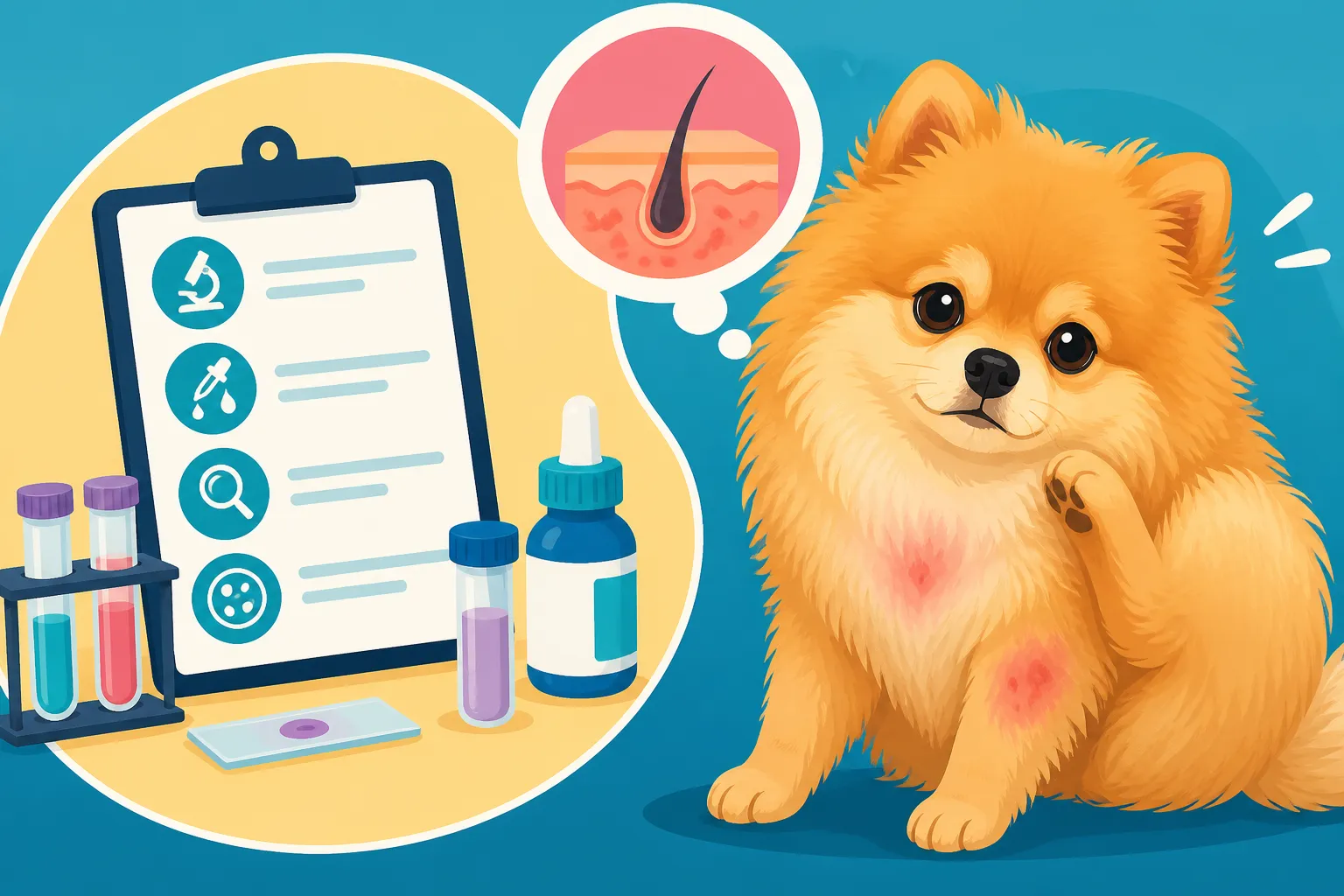
The Bill for a Pomeranian’s Skin Workup
It’s truly disheartening when your precious Pomeranian starts scratching incessantly, develops redness, or experiences hair loss, and you can’t quite figure out why. The worry gnaws at you, especially when you’ve tried a few things at home or had an initial vet visit that didn’t pinpoint the issue. This guide will walk you through what exactly a skin workup entails for a Pomeranian, breaking down the typical tests, specialist consultations, and the associated costs so you can feel more prepared and less overwhelmed.
Understanding Why Your Pomeranian Needs a Skin Workup
When your little fluffball starts showing signs of skin trouble, it's easy to jump to conclusions or hope it's just a passing phase. But with Pomeranians, whose magnificent double coats are often the first indicator of underlying health issues, skin problems can be complex and persistent. They don't just disappear on their own, and leaving them unaddressed can lead to more severe discomfort for your pup and potentially more expensive treatments down the line.
The Frustration of Persistent Skin Issues
You've probably noticed that Poms have extremely sensitive skin beneath all that glorious fur. A simple itch can quickly escalate into a hot spot, a patch of redness, or even noticeable hair loss, which for a Pomeranian owner, is particularly distressing given their iconic coat. It's frustrating to see your beloved companion constantly scratching, licking, or rubbing, sometimes to the point of breaking the skin. You might try switching foods, using special shampoos, or even giving them supplements, only to find the problem lingers or returns. This cycle of hope and disappointment is exhausting, and it makes you question what else you can possibly do to bring them relief.
It’s even more challenging because Pomeranians can suffer from a variety of skin conditions, some common, others more obscure. Is it allergies? Parasites? A bacterial infection? Or something more serious like a hormonal imbalance? The symptoms often overlap, making it nearly impossible for an owner to diagnose accurately at home. You need a professional to systematically rule things out. We often hear owners asking Whether Alopecia X Hurts a Pomeranian because any significant coat change is a huge concern.
When a Basic Vet Visit Isn't Enough
Many owners start with a routine vet visit, which is absolutely the right first step. Your general practice veterinarian can perform an initial examination, and sometimes, a straightforward issue like fleas or a mild bacterial infection is quickly identified and treated. However, Pomeranians, due to their unique genetics and coat type, can present with more stubborn or unusual skin conditions that require a deeper dive. When the initial treatments don't yield lasting results, or the symptoms are particularly severe or atypical, your vet will recommend a "skin workup."
This isn't just one test; it's a series of diagnostic procedures designed to systematically investigate all potential causes. Think of it as detective work for your dog's skin. It’s a necessary step to move beyond guesswork and pinpoint the exact issue so that truly effective treatment can begin. Without this comprehensive approach, you might end up spending money on treatments that only offer temporary relief, or worse, are completely ineffective because they aren't addressing the root cause. It's an investment in your Pomeranian's long-term comfort and health, even if the initial thought of the bill can be daunting.
Breaking Down the Initial Diagnostic Costs for Pomeranian Skin Problems
When your Pomeranian is facing skin issues that aren't easily solved, your vet will recommend a series of tests to get to the bottom of it. These initial diagnostic steps are crucial for narrowing down the possibilities and ensuring that any treatment plan is targeted and effective. Each test comes with its own cost, contributing to the overall bill for your Pomeranian's skin workup.
The Initial Consultation and Basic Tests
Every comprehensive skin workup begins with a thorough physical examination by your veterinarian. This is usually the first line of defense and helps your vet observe the affected areas, check for visible parasites, and assess the overall health of your Pomeranian. During this visit, your vet will ask you a lot of questions about your Pomeranian's history, diet, environment, how long the symptoms have been present, and what you might have tried already. It's like putting together all the pieces of a puzzle.
Beyond the general exam, basic diagnostic tests are often performed right away. These typically include:
- Skin Scrapes: This involves gently scraping a small area of skin with a sterile blade to collect samples of surface cells, debris, and any microscopic parasites. These samples are then examined under a microscope. This test is crucial for diagnosing conditions like demodectic or sarcoptic mange, caused by tiny mites that burrow into the skin.
- Hair Plucks: Similar to skin scrapes, hair plucks involve pulling out a few hairs from affected areas. These hairs are then examined under a microscope to look for mites, fungal elements, or abnormalities in the hair shaft itself. Sometimes, the hair follicles can offer clues about systemic issues.
- Cytology: This involves taking impressions or swabs from red, moist, or crusty areas of the skin, or from inside the ears, and then staining and examining them under a microscope. Cytology is excellent for identifying bacterial infections (like staphylococcus) or yeast infections (like malassezia), which often secondary to another underlying problem, but still need to be treated.
The cost for these initial steps, including the consultation and these basic tests, will vary but typically represents the starting point of your skin workup bill. It’s an essential investment because finding something simple and treatable here can save you from more complex and expensive diagnostics later.
Unmasking Parasites: Skin Scrapes and Hair Plucks
For a Pomeranian, whose dense coat can hide a multitude of sins, parasites are always a suspect when it comes to skin irritation. Even if you're diligent about flea and tick prevention, other microscopic critters can set up shop. This is where skin scrapes and hair plucks truly shine, providing direct visual evidence of a parasitic infestation.
Imagine your vet carefully parting your Pom's fluffy fur, selecting a tiny, inflamed spot, and gently scraping to collect a sample. This isn't usually painful for your dog, but it's vital. Under the microscope, they're looking for things like Demodex mites, which can cause patchy hair loss and thickened skin, or Sarcoptes mites, which cause intensely itchy scabies. Sometimes, they might find lice or even remnants of fleas, even if you haven't seen any live ones. Without these tests, you could be treating for allergies when your dog is actually battling an army of microscopic invaders. These tests are relatively quick and provide immediate answers, allowing your vet to prescribe the correct anti-parasitic treatment. The cost is usually moderate for these, reflecting the time, supplies, and microscopic analysis required.
Identifying Fungal and Bacterial Culprits
Beyond parasites, the next common culprits in Pomeranian skin issues are fungal and bacterial infections. Often, these are secondary invaders, meaning they take advantage of skin that's already compromised by allergies, parasites, or hormonal issues. However, they cause significant discomfort and must be treated directly.
- Fungal Cultures: If your vet suspects ringworm (a fungal infection, despite its name), they'll take a sample of hair and skin, often using a special brush, and send it to a lab for a fungal culture. This test involves placing the sample on a special growth medium and waiting to see if any fungi grow. Ringworm can be particularly stubborn and contagious, so an accurate diagnosis is critical for treatment and preventing spread to other pets or even people in the household. These tests take a bit longer for results, usually a week or two, and the cost includes both the collection and the lab processing.
- Bacterial Cultures and Sensitivity: For persistent or severe bacterial infections, especially those that haven't responded to initial antibiotic treatment, your vet might recommend a bacterial culture. This involves swabbing the infected area and sending the sample to a lab. The lab will not only identify the specific bacteria causing the infection but also perform a "sensitivity" test. This tells your vet exactly which antibiotics will be most effective against that particular strain of bacteria, preventing wasted time and money on drugs that won't work. This is incredibly valuable for resistant infections, and the cost reflects the specialized lab work.
These tests are foundational for understanding the immediate biological threats to your Pomeranian's skin health. Getting these answers ensures your vet can prescribe the most effective medications, whether it's antifungal creams, oral antibiotics, or medicated shampoos, preventing weeks of ineffective treatments.
Delving Deeper: Advanced Diagnostics and Specialist Care
Sometimes, the initial barrage of tests still leaves us without a clear answer for our Pomeranian's skin woes. This is when the detective work needs to go to the next level, often involving more specialized diagnostic tools or even a referral to a veterinary dermatologist. It can feel like a financial leap, but these steps are critical for uncovering complex or rare conditions that standard approaches might miss.
Allergy Testing and Hormone Panels
One of the most common underlying causes of chronic skin problems in Pomeranians, and many other breeds, is allergies. Just like people, dogs can suffer from environmental allergies (atopy) to things like pollen, dust mites, or molds, or food allergies to certain proteins. Pinpointing the exact allergens can be a game-changer for long-term management.
-
Allergy Testing: There are primarily two types of allergy tests for dogs:
- Intradermal Skin Testing: This is considered the gold standard and is usually performed by a veterinary dermatologist. It involves shaving a small area of your Pomeranian's side and injecting tiny amounts of various allergens just under the skin. The vet then observes which injections cause a reaction (redness or swelling), indicating sensitivity. This is highly accurate for environmental allergies.
- Blood Tests (Serology): Blood tests can also be used to measure antibodies against various environmental and food allergens. While convenient, their accuracy can sometimes be debated compared to intradermal testing, but they can still provide valuable insights, especially for screening.
The cost for allergy testing can be significant, reflecting the specialized nature of the tests, especially intradermal testing performed by a specialist. It's a big step towards potentially finding lasting relief.
-
Hormone Panels: Many skin and coat issues in Pomeranians can be linked to hormonal imbalances. Conditions like hypothyroidism (underactive thyroid) or Cushing's disease (overproduction of cortisol) can manifest as symmetrical hair loss, dull coats, or secondary skin infections. Ruling Out Thyroid on a Balding Pomeranian is a very common concern for Pom owners.
- Thyroid Testing: A simple blood test can measure your Pomeranian's thyroid hormone levels. If they are low, supplementation can often dramatically improve coat quality and skin health.
- Cushing's Disease Testing: Diagnosing Cushing's is a bit more involved, often requiring a series of blood tests performed over several hours, like an ACTH stimulation test or a low-dose dexamethasone suppression test. The tests measure how your dog's adrenal glands respond to certain hormones. Telling Alopecia X From Cushing's in a Pomeranian can sometimes be tricky without these tests.
The cost for hormone panels can vary depending on the specific tests ordered and whether they require multiple blood draws or longer observation periods. However, diagnosing and treating these conditions can completely resolve skin issues that might have seemed incurable.
When a Biopsy Becomes Necessary
If all other tests come back inconclusive, or if your vet suspects a more serious underlying condition such as an autoimmune disease, skin cancer, or a specific genetic disorder like Alopecia X, a skin biopsy may be recommended. This is a more invasive procedure but provides the most definitive diagnosis in many complex cases.
A skin biopsy involves taking a small sample of affected skin tissue. This usually requires sedation or general anesthesia, as the area needs to be cleaned, numbed (if only sedation is used), and a small punch biopsy tool or scalpel is used to remove a piece of skin. The sample is then sent to a specialized veterinary dermatohistopathologist, a pathologist who specifically studies skin diseases, for microscopic examination. They can identify cellular changes, inflammation patterns, or abnormal growths that point to a specific diagnosis.
The cost of a skin biopsy includes several components: the veterinary consultation, pre-anesthetic bloodwork to ensure your Pomeranian is healthy enough for anesthesia, the anesthesia itself, the biopsy procedure, and the pathology fees for the lab analysis. While this can be a higher single expense compared to other tests, it's often the last resort that finally provides the answers needed for targeted and effective treatment, preventing further suffering and endless rounds of ineffective remedies.
The Role of a Veterinary Dermatologist
Sometimes, even with all the tests, a general practitioner might feel they've reached the limits of their expertise for a particularly stubborn or unusual skin condition. This is where a referral to a board-certified veterinary dermatologist becomes invaluable. These specialists have advanced training in diagnosing and treating complex skin, ear, and nail conditions in animals.
A dermatologist can offer several things:
- Specialized Knowledge: They have a deep understanding of rare skin conditions and the nuances of various breeds, including Pomeranians.
- Advanced Diagnostics: They often have access to more specialized equipment or can perform tests (like intradermal allergy testing) that a general practice might not.
- Treatment Expertise: They can formulate highly customized treatment plans, including immunotherapy for allergies, and manage chronic conditions more effectively.
The initial consultation fee for a veterinary dermatologist is typically higher than a general vet visit, reflecting their advanced training and expertise. Subsequent visits and any specialized procedures they perform will also contribute to the overall cost. However, for a Pomeranian suffering from a chronic, undiagnosed skin issue, a dermatologist can be the key to finally achieving comfort and a healthy coat. Think of it as bringing in a true expert for the most challenging cases, ensuring no stone is left unturned in finding relief for your beloved pet.
Navigating the Financial Side of Pomeranian Skin Care
Facing a potentially large bill for your Pomeranian's skin workup can feel overwhelming. It’s not just about the immediate diagnostic costs but also the potential for ongoing management. However, there are ways to understand and prepare for these expenses, ensuring your little companion gets the care they need without completely breaking the bank.
Factors Influencing the Total Cost
The total bill for a Pomeranian's skin workup can fluctuate significantly based on several key factors. Understanding these can help you anticipate costs and make informed decisions.
- Geographic Location: Veterinary costs, like human healthcare costs, vary greatly by region. A vet clinic in a major metropolitan area with a high cost of living will generally charge more than one in a rural setting. This applies to initial consultations, tests, and specialist fees.
- Clinic Type: Emergency veterinary hospitals and specialty clinics (like those with dermatologists) typically have higher fees than general practice clinics. This is due to their specialized equipment, staff expertise, and often 24/7 availability.
- Severity and Complexity of the Condition: A straightforward case of mites might only require a few basic tests and a course of medication, keeping costs relatively low. A complex case involving multiple secondary infections, hormonal imbalances, and requiring a biopsy or specialist referral will naturally incur a much higher bill. The more tests needed, the higher the total cost.
- Number of Follow-Up Visits: Skin conditions often require follow-up visits to monitor progress, adjust medications, and ensure the issue is fully resolved. Each follow-up appointment will add to the overall expense, though these are typically less costly than the initial diagnostic workup.
- Medication Costs: The price of medications, whether they are oral antibiotics, antifungals, medicated shampoos, or long-term allergy immunotherapy, will also factor into the total. Some specialized medications can be quite expensive.
Here's a simplified table illustrating how different diagnostic stages might contribute to the overall cost shape, without specific numbers:
| Diagnostic Stage | Typical Procedures | Cost Impact | Notes |
|---|---|---|---|
| Initial Vet Visit | Physical Exam, Skin Scrape, Cytology | Moderate | Essential first step, may solve simple issues. |
| Advanced Diagnostics | Fungal Culture, Bacterial Culture & Sensitivity | Moderate to High | Necessary for persistent infections, lab fees included. |
| Allergy & Hormone Tests | Blood panels (Thyroid, Cushing's), Allergy Tests | High | Can be complex, especially if specialist performed. |
| Biopsy | Sedation/Anesthesia, Tissue Sample, Pathology Lab | High | Definitive diagnosis for serious or unknown conditions. |
| Specialist Referral | Dermatologist Consultation, Advanced Procedures | Very High | Expert evaluation, often with additional specialized tests. |
How Pet Insurance Can Help
When facing the prospect of a skin workup bill, pet insurance can be an absolute lifesaver. Many owners regret not getting insurance until a significant health issue arises, as pre-existing conditions are typically not covered. If your Pomeranian is already insured before symptoms start, your policy could potentially cover a substantial portion of the diagnostic tests, specialist consultations, and ongoing treatment costs.
Providers like Healthy Paws offer various plans that can help mitigate these expenses. Generally, pet insurance works on a reimbursement model: you pay the vet bill upfront, and then submit a claim to your insurance provider, who will reimburse you a percentage of the covered costs after your deductible is met. It’s crucial to understand your policy's specifics, including:
- Deductible: The amount you pay out-of-pocket before your insurance starts to cover costs.
- Reimbursement Rate: The percentage of the covered costs that the insurance company will pay (e.g., 70%, 80%, or 90%).
- Annual Limit: The maximum amount the policy will pay out in a given year.
Some policies also offer wellness plans that might cover routine exams or basic preventative care, but comprehensive coverage for accidents and illnesses is what truly helps with unexpected medical bills like a skin workup. Before any major diagnostics or treatments, it's always a good idea to contact your insurance provider to confirm what will be covered and what your out-of-pocket expenses might look like. What Pet Insurance Runs on a Pomeranian varies, but it's an investment many owners find invaluable.
Budgeting for Ongoing Management
A skin workup isn't always a one-and-done deal. Many Pomeranian skin conditions, especially allergies, hormonal imbalances, or chronic infections, require ongoing management. This means you’ll need to budget for more than just the diagnostic bill.
Ongoing management might include:
- Prescription Medications: Daily or weekly medications to control symptoms, treat underlying conditions, or prevent recurrence. This could be anything from thyroid supplements to allergy medications or specialized antibiotics.
- Therapeutic Shampoos and Topicals: Your vet might prescribe specific shampoos, conditioners, or sprays to manage itching, flaking, or infection. These are often more expensive than over-the-counter products but are formulated for specific dermatological issues. You might find some recommended products on online retailers like Chewy, making it convenient to purchase.
- Special Diets: For food allergies, a prescription hydrolyzed protein diet or a novel protein diet might be necessary. Brands like Ollie offer fresh food options that might be suitable for sensitive stomachs, though always consult your vet before making dietary changes for a medical condition. These specialized foods can be a higher ongoing cost than standard kibble.
- Regular Follow-Up Visits: Even after a diagnosis, your Pomeranian will likely need periodic check-ups to monitor their condition and ensure the treatment plan remains effective.
- Supplements: Omega-3 fatty acids, probiotics, or other skin-supportive supplements might be recommended to improve skin barrier function and overall health.
Creating a dedicated savings fund for your Pomeranian's health needs can be a smart strategy, even if you have insurance, to cover deductibles and any uncovered expenses. Think about it as building a safety net. Getting a clear diagnosis through a thorough skin workup is the first step, but being prepared for the long-term journey of managing your Pomeranian's skin health is just as important for their continued comfort and your peace of mind.
Disclaimer
This article is for general informational purposes only and does not constitute professional advice. Laws, prices and regulations vary by location and change over time. Consult a qualified professional for guidance on your specific situation.