Whether Treating a Pomeranian’s Alopecia Is Worth It
It's heartbreaking to see your beloved Pomeranian's once glorious double coat start to thin, turn brittle, or disappear entirely, especially when you know it's not just seasonal shedding. This can be particularly frustrating when you're faced with a diagnosis of Alopecia X, often known as Black Skin Disease, leaving you wondering if any treatment is truly worth the emotional and financial investment. This guide will delve deep into what Alopecia X means for your Pom, explore the various treatment avenues available, and help you weigh the true value of pursuing treatment options for this challenging condition.
Understanding Alopecia X in Pomeranians: More Than Just Hair Loss
Alopecia X, sometimes referred to as Black Skin Disease, coat funk, or growth hormone-responsive dermatosis, is a perplexing condition that primarily affects Nordic breeds, with Pomeranians being particularly susceptible. It's not just about a dog losing its hair; it's a chronic, often progressive, skin condition that can significantly impact both your dog's appearance and your peace of mind as an owner. The "X" in Alopecia X signifies that the exact cause is often unknown, making diagnosis and treatment a complex journey. It's a diagnosis of exclusion, meaning other common causes of hair loss must first be ruled out.
What is Alopecia X and its Impact?
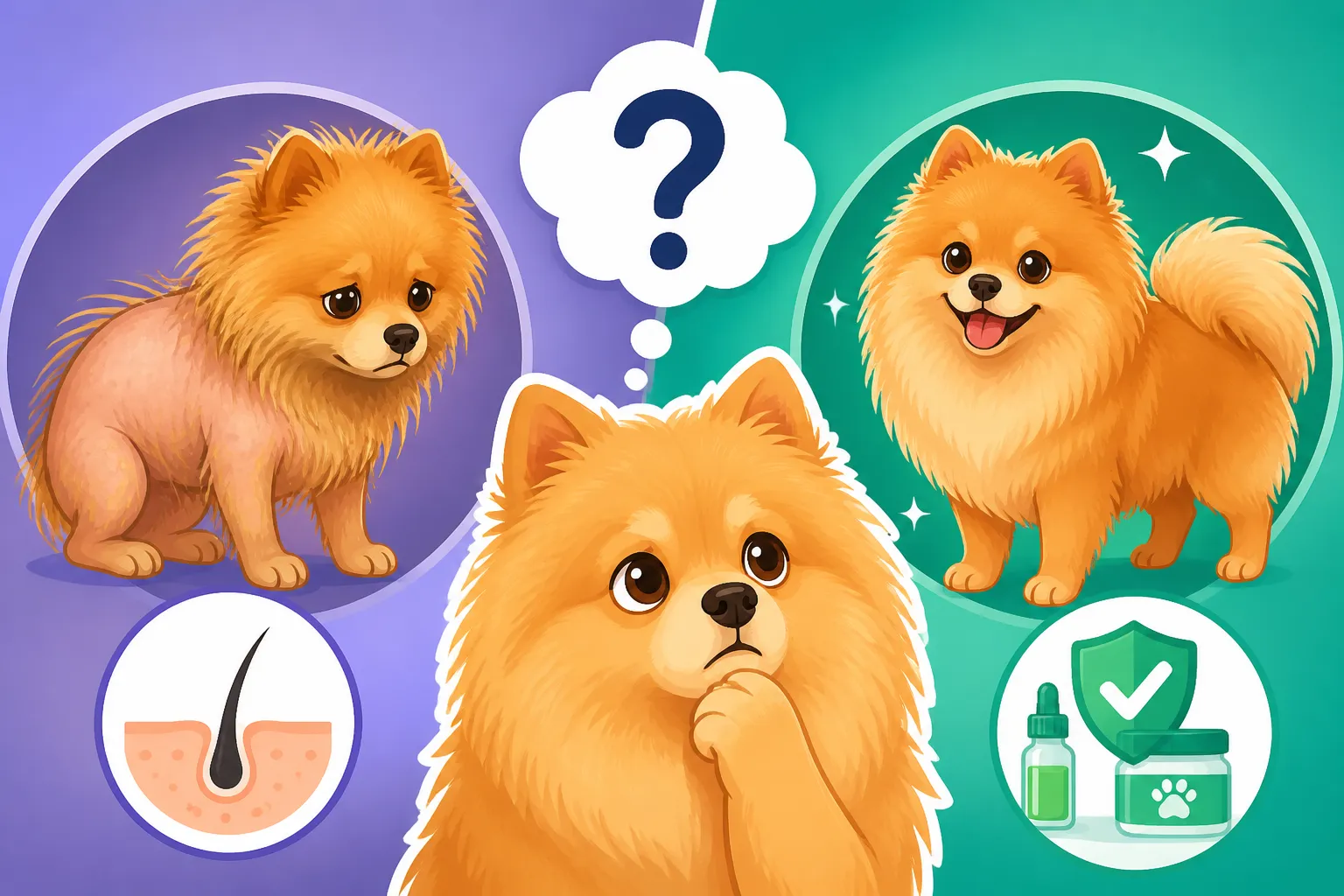
At its core, Alopecia X manifests as symmetrical hair loss, often starting on the hindquarters or flanks and progressing to cover much of the body, sparing only the head and legs. The skin in affected areas often darkens (hyperpigmentation), hence the term "Black Skin Disease," and can become dry, flaky, or even leathery. Imagine your fluffy companion, known for its magnificent mane and plumed tail, slowly becoming bald, with dark, rough patches of skin. This isn't just a cosmetic issue; it's a profound change in your dog's identity and comfort. While Whether Alopecia X Hurts a Pomeranian is a common concern, the condition itself isn't typically painful or itchy unless secondary infections develop. However, the exposed skin is more vulnerable to sunburn and cold, requiring extra protective measures. For many owners, the impact is less about physical pain and more about the distress of seeing their cherished pet transformed and the worry about its underlying health.
The Emotional Toll on Owners
Let's be honest, part of the joy of owning a Pomeranian is their iconic, luxurious coat. When that coat disappears due to Alopecia X, it can be incredibly disheartening. Owners often feel a deep sense of sadness, frustration, and even guilt, wondering if they did something wrong or if there was something they could have prevented. You might find yourself avoiding dog parks or social gatherings because you feel self-conscious about your dog's appearance, even though it's not your fault. The bond we share with our Poms is strong, and seeing them change so drastically can be emotionally taxing. It's okay to feel upset about it. This isn't just a "fur problem"; it's a health challenge that affects the aesthetics and, by extension, the perceived well-being of your furry family member.
The Diagnostic Journey: Ruling Out Other Causes
Before even considering treatment for Alopecia X, your veterinarian will need to embark on a thorough diagnostic process to rule out other, more treatable causes of hair loss. This is crucial because many conditions can mimic Alopecia X, and treating the wrong problem won't help your Pom. This can involve blood tests to check thyroid function, as hypothyroidism can cause similar symptoms, which is why Ruling Out Thyroid on a Balding Pomeranian is a common first step. Skin biopsies might be taken to differentiate Alopecia X from other skin conditions like Cushing's disease, which also presents with hair loss, though usually with other systemic signs. You might also hear your vet discuss Telling Alopecia X From Cushing's in a Pomeranian, as their treatment paths are vastly different. This diagnostic phase can be lengthy and, yes, costly, but it's an absolutely essential foundation to ensure you're addressing the correct issue. Without a definitive diagnosis of exclusion, any treatment attempts for Alopecia X would be shots in the dark.
Exploring Treatment Options for Pomeranian Alopecia X
Once other conditions have been ruled out, and Alopecia X is confirmed, you'll be faced with a range of treatment options. It's important to understand that there is no single "cure" for Alopecia X that works for every dog, and success rates can vary wildly. Many treatments are experimental or aim to manage symptoms rather than provide a permanent fix. This is where the question of "worth" truly comes into play, as you weigh potential outcomes against the investment of time, effort, and money.
The Various Approaches: Medical, Holistic, and Cosmetic
Over the years, many approaches have been tried for Alopecia X in Pomeranians, ranging from conventional medical interventions to more holistic methods and simply managing the cosmetic aspects.
Medical Interventions:
- Neutering/Spaying: For intact dogs, particularly males, this is often the first line of advice, as some cases of Alopecia X are linked to sex hormones. Anecdotally, some owners report significant coat regrowth after spaying or neutering, though it's not guaranteed. Whether Neutering Triggers Coat Loss in a Pomeranian addresses a different angle but highlights the hormonal connection.
- Melatonin: This hormone, often used as a sleep aid, has shown some promise in certain Pomeranians. It's believed to help regulate the hair growth cycle. You might see discussions like Whether Melatonin Regrows a Pomeranian's Coat online. It's generally safe and relatively inexpensive, making it a common starting point.
- Hormone Therapy: This can include medications like trilostane (often used for Cushing's) or even microdosing certain steroids. These carry more significant risks and require careful veterinary supervision and frequent monitoring.
- Specialty Shampoos and Topicals: Some vets recommend medicated shampoos or topical treatments to improve skin health, reduce flakiness, or stimulate follicles. These are generally supportive rather than curative.
Holistic and Nutritional Approaches:
- Dietary Changes: Some owners explore specialized diets, including raw feeding or grain-free options, believing that nutrition can support skin and coat health. Brands like Ollie offer fresh, human-grade food that some owners choose for overall canine health, though its direct impact on Alopecia X isn't proven. However, providing a high-quality diet, perhaps enriched with Omega-3 fatty acids, can support general skin integrity.
- Supplements: Beyond melatonin, some owners try various supplements like fish oil, evening primrose oil, or biotin, all aimed at improving skin and coat condition.
- Herbal Remedies: Certain herbal preparations are sometimes used, though scientific evidence for their efficacy in Alopecia X is limited.
Cosmetic Management:
- Protective Clothing: For Pomeranians with significant hair loss, clothing can serve a dual purpose: protecting the skin from environmental elements and addressing the cosmetic concerns.
- Wigs or Hairpieces: Believe it or not, some owners resort to custom-made dog wigs for show or special occasions, though this is purely for aesthetic reasons.
You'll find many testimonials and anecdotal reports on Treatments Tried on a Pomeranian With Alopecia X, but it's crucial to work with your veterinarian to determine the most appropriate and safest path for your individual dog.
Considering the Financial Commitment
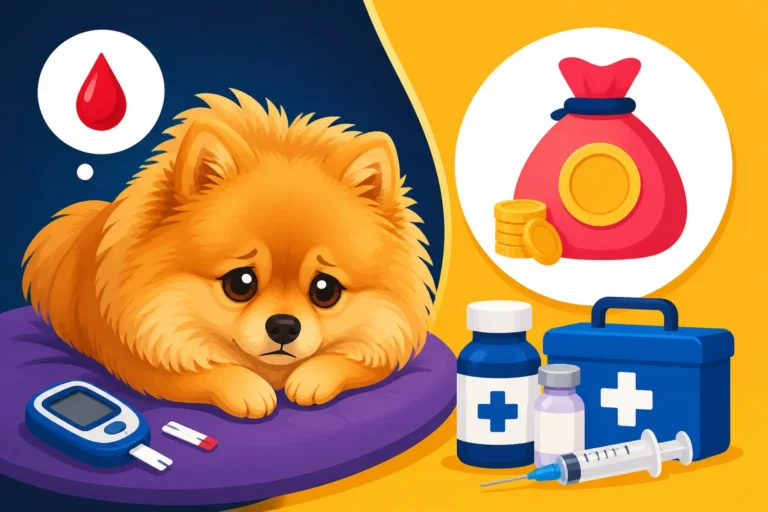
This is often where the "worth it" question hits hardest. Treating Alopecia X can be an ongoing financial commitment, and it's essential to be realistic about what you can afford and what return on investment you might see.
Let's break down the potential costs:
| Treatment Type | Initial Costs | Ongoing Costs | Potential Outcome |
|---|---|---|---|
| Diagnostic Tests | Vet visits, blood work, skin biopsies | – | Essential for diagnosis, rules out other conditions |
| Neutering/Spaying | Surgery fee, pre-anesthetic bloodwork, pain meds | – | Possible regrowth (not guaranteed), prevents reproduction |
| Melatonin | Cost of supplements (can be reasonable) | Daily/weekly supplement purchase | Moderate success, generally low risk |
| Prescription Meds | Vet visits, medication cost, monitoring blood tests | Regular medication purchase, periodic lab work | Variable success, higher risk for side effects, more costly |
| Specialty Shampoos | Initial purchase of dermatological products | Regular repurchase | Improves skin health, not directly for regrowth |
| Dietary Changes/Supps | Higher quality food, supplements | Ongoing food/supplement purchase | General health benefits, indirect coat support |
| Protective Clothing | Initial purchase of sweaters/jackets | Replacement as needed | Protects skin, improves appearance |
The costs can quickly add up. A full diagnostic workup alone can run into several hundreds of dollars. Then, if you pursue hormone therapy, the medication and required monitoring blood tests can become a significant monthly expense. Even more affordable options like melatonin or quality supplements still add to your regular pet care budget, which you might already be managing with a pet insurance plan from a provider like Healthy Paws. Unfortunately, many pet insurance policies consider Alopecia X a cosmetic condition or a pre-existing condition if diagnosed before coverage, so Whether Insurance Covers a Pomeranian's Alopecia X is a critical question to ask your provider upfront. The investment isn't just a one-time thing; it's a commitment to a potential long-term management plan with no guarantees.
The Time and Effort Involved in Consistent Treatment
Beyond the money, consider the time and effort you'll need to dedicate. Administering medications, applying topical treatments, frequent vet visits for monitoring, bathing schedules, and diligently protecting your dog's skin are all part of the commitment. For example, some protocols for Alopecia X involve daily supplements and weekly medicated baths, which can take time and consistency. You might be making regular trips to your local pet store or ordering supplies from Chewy for shampoos, skin balms, or protective clothing.
If you're already juggling a busy schedule, adding these tasks can feel overwhelming. It's a true test of dedication. For many, the reward of seeing even partial regrowth or improved skin health makes it worthwhile, but it's important to go into this understanding the commitment required. Consistency is often key for any chance of success, and sporadic treatment is unlikely to yield results.
Assessing the "Worth" of Treatment: A Quality of Life Perspective
The ultimate question of whether treating your Pomeranian's Alopecia X is "worth it" boils down to your personal values, your dog's quality of life, and your expectations. It's not just about getting the fluff back, but about your dog's overall well-being and your peace of mind.
When Treatment Focuses on Comfort vs. Regrowth
It's crucial to set realistic expectations. For many Pomeranians with Alopecia X, significant, lasting coat regrowth simply doesn't happen, or it might be partial and patchy. In these cases, the "worth" of treatment shifts from cosmetic regrowth to improving the dog's comfort and preventing secondary issues. For instance, if your Pomeranian's skin becomes dry, flaky, or prone to infections due to hair loss, treatments that moisturize the skin, manage itchiness, or prevent bacterial or fungal growth are immensely valuable.
Even if the hair doesn't return, preventing skin irritation or discomfort is a worthy goal. Whether Alopecia X Hurts a Pomeranian focuses on this aspect. If your dog is constantly licking or scratching the affected areas, even if it's not directly painful, addressing that discomfort with soothing shampoos or topicals makes a difference in their daily life. Sometimes, "treatment" is less about reversing the condition and more about making life better for your dog despite the condition.
Managing Secondary Skin Issues
One of the most important aspects of caring for a Pomeranian with Alopecia X, whether or not you pursue active regrowth treatments, is diligent management of their exposed skin. Without the protective double coat, their skin is highly vulnerable. This means:
- Sun Protection: Bald skin can easily get sunburned. In sunny climates or during warmer months, Protecting a Bald Pomeranian's Skin From Sun becomes paramount. This might involve applying pet-safe sunscreen to exposed areas or dressing your Pom in UV-protective clothing when outdoors.
- Temperature Regulation: Their lack of insulation means they can get cold easily in winter and overheat in summer. Sweaters, jackets, and careful monitoring of environmental temperatures are necessary.
- Moisture and Barrier Support: The skin barrier can be compromised, leading to dryness, flakiness, and increased susceptibility to irritants. Regular moisturizing, using gentle, hypoallergenic shampoos, and potentially specialized balms can help maintain skin health. You might find yourself stocking up on various skin and coat products from Chewy.
- Preventing Infections: Breaks in the skin barrier or excessive dryness can lead to secondary bacterial or yeast infections, which are itchy and uncomfortable. Regular checks of the skin and prompt veterinary attention for any signs of infection are vital.
These management strategies are almost always "worth it" because they directly contribute to your Pomeranian's physical comfort and health, regardless of whether their fur grows back.
The Psychological Benefits for the Dog and Owner
While Alopecia X doesn't typically cause physical pain, the constant attention to a dog's appearance can certainly affect an owner's morale. Seeing a healthy-looking, if hairless, Pomeranian that is comfortable and happy can greatly reduce an owner's stress and sadness. For the dog, treatments that reduce irritation or simply make them feel cleaner and more comfortable can boost their overall mood and engagement.
Imagine the relief you'd feel if your dog's darkened, flaky skin began to clear up and soften, even without a full coat return. That alone can make the effort "worth it." It allows you to focus on the joy of companionship rather than constantly worrying about their skin. Sometimes, the psychological benefit to the owner, knowing they are doing everything they can for their beloved pet, is a significant part of the "worth it" equation.
Living with Alopecia X: Beyond Active Treatment
For many Pomeranian owners, the journey with Alopecia X eventually leads to a place of acceptance and managing the condition rather than aggressively pursuing regrowth. This doesn't mean giving up; it means shifting focus to maximizing your dog's comfort and quality of life within the realities of their condition.
Accepting the Condition and Providing Care
Acceptance is a huge step. It's realizing that your Pomeranian is still the same loving, vivacious companion, whether they have a full coat or not. The focus then shifts to practical, loving care. This includes:
- Regular Grooming: Even with minimal hair, gentle bathing with moisturizing shampoos, regular skin checks, and careful nail trims are important. Over-grooming or shaving can actually worsen the condition or prevent any potential regrowth, as explored in Why Shaving a Pomeranian Can End Its Coat. If your Pom has some sparse hair, a soft brush can help stimulate the skin, but aggressive brushing should be avoided.
- Environmental Adjustments: Providing soft, comfortable bedding, regulating indoor temperatures, and protecting them from harsh weather elements are key.
- Nutritional Support: A high-quality diet, perhaps like fresh food from Ollie, and supplements can support overall skin health, even if they don't magically regrow hair.
Remember, even if Whether a Pomeranian's Coat Grows Back After Alopecia X remains a persistent question, focusing on comfort and preventing secondary issues will always be beneficial.
Support Systems and Community
You are not alone in this journey. Many Pomeranian owners have faced, and continue to face, the challenges of Alopecia X. Joining breed-specific online forums or local dog clubs can provide an invaluable support system. Here, you can share experiences, ask questions, and learn from others who have navigated the same difficult path. While anecdotal evidence should always be discussed with your vet, hearing personal stories about Treatments Tried on a Pomeranian With Alopecia X or simply finding empathy can be incredibly comforting. These communities can also offer practical tips on everything from finding the right brand of pet-safe sunscreen to understanding common struggles like Why Pomeranian Owners Call Alopecia X Black Skin Disease.
Long-Term Management and Ongoing Vet Visits
Even if active treatment ceases, ongoing veterinary care remains essential. Regular check-ups, aligned with The Checkup Schedule a Pomeranian Should Keep, are crucial to monitor your dog's skin health, catch any secondary infections early, and assess their overall well-being. Your vet can advise on the best moisturizing routines, recommend specific gentle products, and help you adjust care as your Pomeranian ages. This long-term partnership with your veterinarian ensures that your dog continues to receive the best possible care, even if that care is focused more on maintenance and comfort than on a quest for a full coat. It’s an investment in their ongoing health, which is always worth it.
Ultimately, whether treating a Pomeranian's Alopecia X is "worth it" is a deeply personal decision. It involves balancing the potential for improvement against the significant investment of time, emotion, and finances. For many, any effort that enhances their beloved companion's comfort and prevents suffering is unequivocally worthwhile, even if the fluffy coat never fully returns.
Disclaimer
This article is for general informational purposes only and does not constitute professional advice. Laws, prices and regulations vary by location and change over time. Consult a qualified professional for guidance on your specific situation.