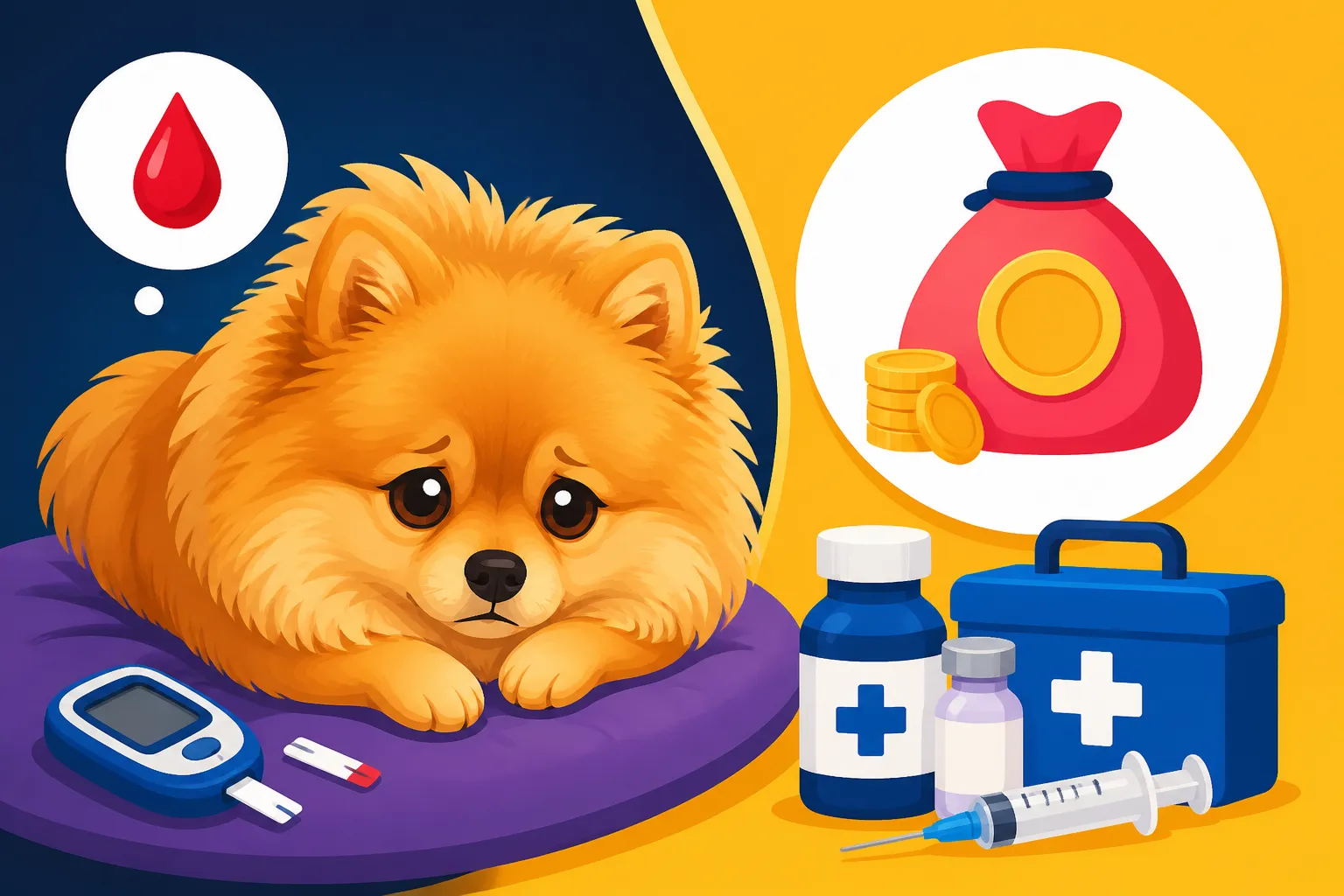
What Treating a Pomeranian’s Hypoglycemia Costs
The moment you see your beloved Pomeranian suddenly weak, disoriented, or even collapsing, a wave of sheer terror washes over you. It's a truly horrifying experience, feeling utterly helpless as your tiny companion struggles. This guide is here to walk you through the financial realities of treating hypoglycemia, or low blood sugar, in a Pomeranian, from emergency intervention to long-term management strategies.
Understanding Hypoglycemia in Pomeranians: More Than Just a Sugar Crash
Hypoglycemia is a condition where a dog's blood glucose (sugar) levels drop too low. While it can affect any dog, Pomeranians, especially puppies and very small adults, are particularly susceptible. Their small size means they have limited reserves of glycogen (stored glucose) in their liver, and their fast metabolisms can burn through those reserves quickly if they don't eat regularly or are under stress. It’s not just a minor wobble; severe hypoglycemia can lead to seizures, coma, and can even be fatal if not addressed promptly.
Why Pomeranians Are So Prone to Low Blood Sugar
Our little Poms are like tiny, high-performance engines. They burn fuel at an incredible rate, and if that fuel isn't constantly topped up, they run into trouble. Think about a newborn human baby: they need frequent feedings to maintain their energy levels. A Pomeranian puppy is much the same; their small body mass and rapid growth rate mean they require a steady supply of calories. They simply don't have the metabolic reserves to go long periods without food. This vulnerability extends to some adults, especially those who are exceptionally tiny, prone to stress, or have underlying health issues. You'll often hear us Pom parents talking about making sure our pups never skip a meal, and there's a serious reason behind that vigilance. It’s not just about them being hungry; it’s about preventing a potentially life-threatening drop in blood sugar. For more on what to watch for, check out Recognizing a Hypoglycemic Pomeranian.
The Dreaded Symptoms and What They Mean
The symptoms of hypoglycemia can sneak up on you, or they can hit with alarming speed. Initially, you might notice your Pom seems a bit sluggish, quiet, or just "not themselves." Perhaps they're a little wobbly when they walk, or they might seem confused. As their blood sugar continues to drop, these signs escalate. They might start shivering uncontrollably, become very weak, unable to stand, or even collapse. In the most severe cases, you could witness muscle twitching, seizures, or your dog becoming completely unresponsive. It’s a terrifying progression, and knowing these signs is crucial because every minute counts. This is especially true for our youngest Poms, where Blood Sugar Crashes in a Pomeranian Puppy are a common, harrowing experience for new owners.
The Immediate Financial Hit: Emergency Treatment Costs
When your Pomeranian is experiencing a hypoglycemic episode, your first priority is getting them help, and that often means an emergency veterinary visit. The costs associated with this immediate, critical care can vary widely depending on the severity of the episode, the time of day, and the facility you visit. This is where the financial aspect really hits home, often when you’re least prepared for it.
Emergency Vet Visits and Stabilization Procedures
If your Pom crashes outside of your regular vet's hours, you'll be heading to an emergency veterinary hospital. These facilities inherently have higher fees due to their specialized staffing and 24/7 availability. The initial emergency exam alone will be more expensive than a routine check-up. Once there, the focus is on stabilizing your dog's blood sugar. This usually involves administering dextrose (a form of glucose) directly into their bloodstream via an intravenous (IV) catheter. They might also receive fluids to combat dehydration, and possibly anti-nausea medication if vomiting is an issue, which can further deplete blood sugar. The costs here accumulate quickly – the emergency fee, the IV catheter and fluids, the dextrose itself, and any medications. It's not uncommon for these initial stabilization efforts to run into several hundreds of dollars, potentially more if complex intervention is required. Having a plan, or at least understanding the likely expenses, can help ease the stress in a high-pressure situation. Remember that crucial first aid you can administer at home if you suspect low blood sugar, which might buy you precious time: Syrup on the Gums of a Crashing Pomeranian Puppy.
Hospitalization and Intensive Monitoring
For severe cases, especially if your Pomeranian isn't responding quickly to initial treatment, or if there's an underlying cause yet to be determined, hospitalization might be necessary. This means your Pom will stay at the veterinary hospital, receiving continuous IV fluids with dextrose, regular blood glucose monitoring, and general supportive care. The vet team will be checking their vital signs, ensuring they remain stable, and preventing any relapse. Overnight stays, particularly in an intensive care unit (ICU) setting, are significantly more expensive. You're paying not just for the medications and fluids, but for the constant vigilance of veterinary staff. Each day of hospitalization, especially with round-the-clock monitoring and IV drips, can add a substantial amount to the bill. This is where pet insurance providers like Healthy Paws can truly be a lifesaver, helping to offset the considerable costs of unexpected emergency care.
Here’s a rough breakdown of potential emergency costs:
| Service Category | Common Charges (Estimate) | Notes |
|---|---|---|
| Emergency Exam | Varies by clinic | Higher than routine exam, especially after-hours. |
| IV Catheter & Fluids | Varies by duration | Essential for rapid glucose delivery and hydration. |
| Dextrose Administration | Varies by dose | Immediate glucose boost, often given directly into IV. |
| Blood Glucose Monitoring | Varies by frequency | Multiple tests to track sugar levels during stabilization. |
| Hospitalization (per day) | Varies by facility | Includes nursing care, cage fees, ongoing monitoring, and medications. |
| Anti-Nausea/Other Meds | Varies by need | For secondary symptoms or underlying issues. |
| Diagnostics (initial) | Varies by test | Basic bloodwork to rule out immediate life threats or confirm hypoglycemia. |
Note: The figures in this table are illustrative estimates only. Actual costs will vary significantly based on location, veterinary clinic, severity of the condition, and required treatments. Always contact your local veterinary provider for current pricing.
Digging Deeper: Diagnostic and Ongoing Monitoring Expenses
Once the immediate crisis is averted, the next crucial step is often to understand why your Pomeranian experienced hypoglycemia. Was it a one-off event due to a missed meal in a puppy, or is there a more serious underlying health condition at play? This investigative phase can also incur significant costs, as it involves various diagnostic tests and potentially specialist consultations.
Identifying the Root Cause Through Comprehensive Testing
For recurrent or unexplained episodes of hypoglycemia, your vet will recommend a battery of diagnostic tests. This goes beyond the basic blood glucose check done during the emergency. They might order a comprehensive blood panel, including a chemistry profile and complete blood count (CBC), to look for signs of liver disease, kidney issues, or infections that could contribute to low blood sugar. Hormonal imbalances, like Addison's disease, can also manifest with hypoglycemia, requiring specific endocrine tests. In rare but serious cases, a pancreatic tumor (insulinoma) can cause excessive insulin production, leading to persistent low blood sugar. Diagnosing this might involve specialized blood tests like an insulin-to-glucose ratio, and imaging such as abdominal ultrasounds or even CT scans. Each of these tests, from basic bloodwork to advanced imaging, adds to the overall expense, but they are vital for formulating an effective long-term management plan. Sometimes, the initial workup for conditions like this can be quite thorough, similar to a The Bill for a Pomeranian's Heart Workup if a cardiac issue was suspected, requiring a range of specialized equipment and expert analysis.
Follow-Up Appointments and Specialist Consultations
Depending on the findings from the diagnostic tests, your Pomeranian might need follow-up appointments with your primary veterinarian or even a referral to a veterinary internal medicine specialist. These specialists have advanced training in complex medical conditions and can provide a more in-depth diagnosis and treatment strategy, especially for rare causes of hypoglycemia. Specialist consultation fees are typically higher than those of a general practitioner. Furthermore, if the diagnosis points to a chronic condition, you'll need regular follow-up visits to monitor your Pom's progress and adjust medications or diet as needed. These ongoing appointments, while not as dramatic as an emergency visit, are part of the sustained financial commitment to managing the condition. If any diagnostic procedures require sedation or anesthesia, remember that our small Poms can have Anesthesia Risk in a Four Pound Pomeranian, which adds another layer of complexity and cost due to careful monitoring.
Long-Term Management: Proactive Care to Prevent Future Crises
Once you've navigated the immediate emergency and hopefully identified any underlying causes, the focus shifts to proactive, long-term management. This is about preventing future episodes and ensuring your Pomeranian lives a happy, stable life. While these costs might seem less dramatic than an ER bill, they are ongoing and form a crucial part of your overall budget for a hypoglycemic Pom.
Dietary Adjustments and Feeding Schedules
The cornerstone of preventing hypoglycemia in Pomeranians, especially puppies or those prone to it, is a consistent and appropriate feeding regimen. This often means feeding smaller meals more frequently throughout the day, rather than one or two large ones. For puppies, this can mean How Often a Pomeranian Puppy Needs to Eat, sometimes up to four or five times a day. For adults, it might mean three regular meals and a bedtime snack. Your vet might recommend a specific diet, perhaps one higher in protein and complex carbohydrates to provide a slow, sustained release of glucose. The cost of food might increase if you transition to a specialized or veterinary-prescribed diet. For owners looking for high-quality, fresh food options, companies like Ollie can offer tailored meal plans that might help stabilize blood sugar levels, although these often come with a higher price point than conventional kibble. Remember, a Pomeranian needs to maintain a healthy weight to reduce stress on their system, and careful portion control is always important, as discussed in Feeding a Dog That Weighs What a Pomeranian Weighs.
Supplements, Medications, and Home Monitoring Supplies
Depending on the underlying cause of hypoglycemia, your Pom might need ongoing medications or supplements. For example, if a liver condition is present, specific liver support medications might be prescribed. If Addison's disease is diagnosed, daily hormone replacement therapy will be necessary. These medications come with recurring costs. Beyond prescriptions, many owners find it beneficial to keep an emergency kit at home. This should include glucose syrup (like corn syrup or a specialized pet product), which can be rubbed on your Pom's gums during an episode. You might also consider investing in a pet-specific glucometer for home blood sugar monitoring, especially if your vet recommends it to track trends. While the glucometer itself is a one-time purchase, the test strips and lancets are ongoing expenses. Online retailers like Chewy are excellent resources for ordering specialized foods, supplements, and home monitoring supplies, often at competitive prices and with the convenience of home delivery.
Regular Check-ups and Preventative Care
Even with diligent home care, regular veterinary check-ups are essential for a Pomeranian with a history of hypoglycemia. Your vet will want to monitor their overall health, ensure their weight is stable, and perform routine blood tests to keep an eye on their glucose levels and any underlying conditions. These routine appointments, like What a Pomeranian's Annual Checkup Costs, are an investment in preventative care, helping to catch any potential issues before they escalate into another emergency. It’s about maintaining stability and adjusting the management plan as your Pom ages or if their health needs change. While puppies often outgrow their susceptibility to blood sugar crashes as they mature and their metabolic systems stabilize, it’s worth noting that The Age a Pomeranian Outgrows Sugar Crashes can vary, and vigilance remains key, even for adult Pomeranians. Whether an Adult Pomeranian Gets Hypoglycemia is a valid concern, as underlying conditions can indeed trigger episodes later in life.
Disclaimer
This article is for general informational purposes only and does not constitute professional advice. Laws, prices and regulations vary by location and change over time. Consult a qualified professional for guidance on your specific situation.