Hydrocephalus in a Very Small Pomeranian
Discovering that your tiny, beloved Pomeranian puppy might have hydrocephalus, often called "water on the brain," is one of the most frightening things a pet parent can face. The worry about their fragile little head, the fear of developmental issues, and the uncertainty of their future can be overwhelming. This comprehensive guide is here to walk you through what hydrocephalus means for a very small Pomeranian, how to spot the signs, understand the diagnosis, and explore the management options available to help your furry family member live the best possible life.
Understanding Hydrocephalus and Why Small Poms Are Suspected
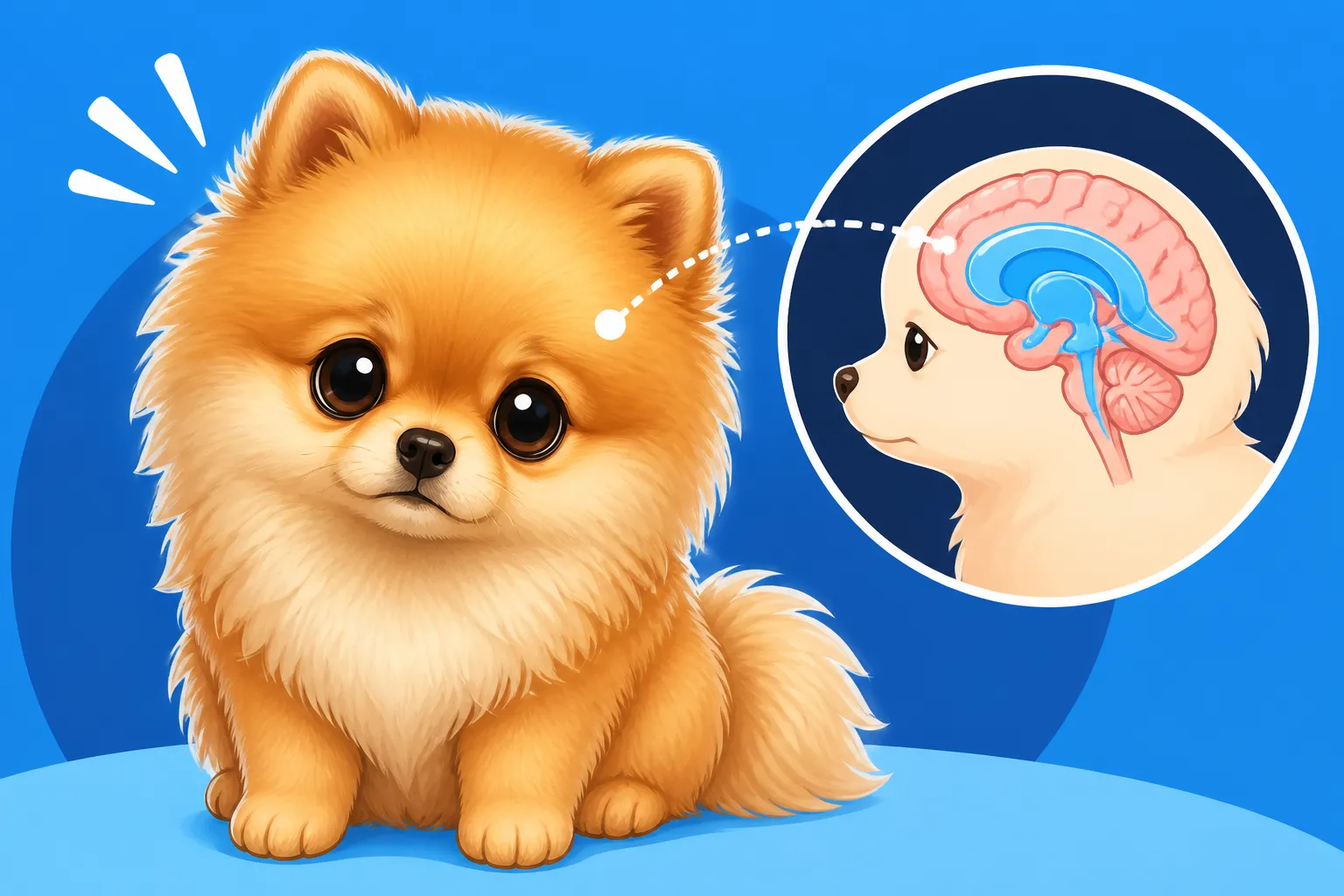
Hydrocephalus is a condition characterized by an abnormal accumulation of cerebrospinal fluid (CSF) within the brain's ventricles, leading to increased pressure on the brain tissue. While it can affect any breed, it's disproportionately seen in toy breeds and brachycephalic (short-nosed) dogs, making very small Pomeranians a breed where owners need to be particularly vigilant. This isn't just a simple headache; it's a serious neurological condition that requires careful attention and often, ongoing management.
The "Water on the Brain" Explained
Cerebrospinal fluid is a clear, colorless fluid that surrounds the brain and spinal cord, providing cushioning, nutrient delivery, and waste removal. It's constantly produced, circulated, and reabsorbed within the skull. In cases of hydrocephalus, this delicate balance is disrupted. Either too much CSF is produced, its flow is obstructed, or its reabsorption is impaired. The excess fluid then builds up, causing the ventricles (cavities within the brain) to expand and put pressure on the delicate brain tissue. This pressure can damage the brain, leading to a range of neurological symptoms.
It's a serious and often congenital condition, meaning many puppies are born with it. While it sounds scary, understanding what is happening inside your Pomeranian's head is the first step toward getting them the right care. The term "water on the brain" can make it sound like something external, but it's an internal issue with the fluid dynamics within the skull.
Genetic Predisposition in Toy Breeds
Pomeranians, especially those on the smaller end of the spectrum, are unfortunately among the breeds considered genetically predisposed to congenital hydrocephalus. Other breeds commonly affected include Chihuahuas, Yorkshire Terriers, Maltese, and Boston Terriers. This predisposition is thought to be linked to their selective breeding for smaller skull size and a domed head shape, which can sometimes lead to structural abnormalities that impede normal CSF flow. It's a heartbreaking reality that while we adore their tiny stature, it can come with inherent health challenges.
This genetic component means that even with the best breeding practices, an instance can occur. However, reputable breeders will often screen their lines for such conditions and would never knowingly breed an affected dog. If you're considering getting a puppy, asking about the health history of the parents and any known instances of conditions like hydrocephalus in the lines is crucial. For owners of existing very small Pomeranians, knowing this predisposition helps you recognize potential signs early.
The Open Fontanelle Connection
A very common finding in many toy breed puppies, particularly those with congenital hydrocephalus, is an open fontanelle. This is commonly referred to as a "soft spot" on the top of the skull, similar to a baby's soft spot. In most dogs, these skull bones fuse completely within the first few weeks or months of life. However, in many toy breeds, especially those smaller than average, an open fontanelle can persist into adulthood. While an open fontanelle can be a normal variation in tiny Poms, it can also be an indicator of underlying hydrocephalus.
If your Pomeranian has a persistent open fontanelle, it means their skull isn't fully closed, leaving the brain less protected. If hydrocephalus is also present, the increased intracranial pressure can make this soft spot even more prominent or cause it to bulge slightly. It also presents a serious physical vulnerability, as even a minor bump to the head could be catastrophic. This is why careful handling and a safe environment are paramount for any Pomeranian, especially one with a notable soft spot. It’s also why owners need to be particularly diligent about seeking veterinary attention if they notice any concerning symptoms in a Pomeranian with an open fontanelle.
Recognizing the Signs of Hydrocephalus in Your Pomeranian
The symptoms of hydrocephalus can vary widely depending on the severity of the condition, the age of onset, and which parts of the brain are most affected. They can also be quite subtle at first, making early detection a real challenge for even the most attentive pet parents. It’s not always a dramatic presentation, but rather a slow progression of changes that might initially be dismissed as typical puppy behavior or a temporary off day.
Behavioral Changes to Watch For
One of the earliest and most noticeable signs of hydrocephalus often manifests as behavioral abnormalities. Affected puppies might seem duller or less playful than their littermates. They might struggle with basic training or appear unusually slow to learn new commands or house-training concepts. Some owners report their Pomeranian puppies seeming constantly disoriented, wandering in circles, or pressing their head against walls or furniture. This head pressing is a classic neurological sign, as the dog is instinctively trying to relieve pressure.
You might also observe changes in their sleep patterns, excessive lethargy, or even periods of hyperactivity followed by extreme crashes. Some puppies may seem to stare blankly into space, unresponsive to their names or usual stimuli. It's a heartbreaking situation when you realize your vibrant little Pom isn't quite right. These behavioral shifts aren't just quirks; they are critical signals that something is amiss internally and warrant immediate veterinary investigation. It’s crucial to document these observations meticulously to provide your vet with a clear picture.
Physical Indicators and Head Shape
Beyond behavioral changes, hydrocephalus can also present with specific physical signs. As mentioned, an abnormally large, domed head (often described as "apple-domed") is a classic, though not always present, indicator. The open fontanelle might be significantly larger than expected or feel particularly soft and depressed, or even bulge under pressure. In some cases, you might notice the eyes appearing to gaze downwards and outwards, known as "sunset eyes," due to the pressure on the brain causing the eyeballs to rotate.
Coordination issues are also common. Your Pomeranian might appear clumsy, stumble frequently, or have an unsteady gait. They might struggle to walk in a straight line or bump into objects. Seizures can also occur, ranging from subtle twitching or staring spells to full-blown grand mal seizures. If you notice any of these physical signs, especially in conjunction with behavioral changes, it’s imperative to seek veterinary help without delay. These visible cues are often the clearest external manifestation of the internal pressure on their delicate brains.
Developmental Delays in Puppies
For Pomeranian puppies born with congenital hydrocephalus, developmental delays are a significant red flag. While every puppy grows at its own pace, a consistent and noticeable lag compared to its littermates should raise concerns. This could mean they are slower to walk, struggle with coordination even more than typical puppies, or don't seem to hit expected milestones like playful interaction or responding to sounds and sights.
They might be hesitant to explore, appear withdrawn, or have difficulty nursing effectively, leading to poor growth. Remember, very small puppies, particularly those considered "teacup" size, are already at risk for other issues like Blood Sugar Crashes in a Pomeranian Puppy or The Heart Defect Found in Pomeranian Puppies, so any delay needs careful consideration to rule out multiple potential problems. If your tiny Pom puppy isn't thriving or seems to be falling behind, don't wait. Early intervention can make a significant difference in managing these complex conditions and improving their quality of life.
Diagnosing and Managing Hydrocephalus
Receiving a diagnosis of hydrocephalus for your Pomeranian can feel devastating, but it's an important step towards managing the condition. Modern veterinary medicine offers various diagnostic tools and treatment options that can significantly improve the quality of life for affected dogs. It's a journey that often requires patience, diligence, and a strong partnership with your veterinary team.
Veterinary Diagnosis: Beyond the Eye Test
While an experienced veterinarian might suspect hydrocephalus based on clinical signs and a physical exam, a definitive diagnosis requires advanced imaging. The gold standard for diagnosing hydrocephalus is a Magnetic Resonance Imaging (MRI) scan of the brain. This non-invasive procedure provides detailed images of the brain's structures, clearly showing enlarged ventricles and the extent of CSF accumulation. An MRI can also help rule out other neurological conditions that might present with similar symptoms, such as brain tumors or inflammatory diseases.
In some cases, a Computed Tomography (CT) scan can also be used, though it provides less detailed soft tissue imaging than an MRI. Ultrasound of the brain can sometimes be performed on very young puppies with an open fontanelle, as the ultrasound waves can pass through the soft spot to visualize the brain structures. Your vet will likely recommend blood work and possibly a CSF tap (spinal tap) to rule out infections or inflammatory causes. It's a thorough process, but essential for getting an accurate diagnosis and formulating the best treatment plan.
Medical Management: Medications and Supportive Care
The initial approach to managing hydrocephalus is often medical, aiming to reduce CSF production and inflammation. Diuretics, such as furosemide, are commonly used to decrease fluid retention throughout the body, including CSF. Corticosteroids like prednisone are often prescribed to reduce inflammation and swelling within the brain, which can help alleviate pressure. In some cases, drugs like omeprazole might be used off-label to help decrease CSF production.
Medication dosages need to be carefully tailored to your Pomeranian's specific weight and condition, and regular monitoring is crucial to ensure efficacy and manage potential side effects. This involves frequent vet visits for assessment and blood tests. Beyond medication, supportive care is vital. This includes providing a safe, quiet environment free from hazards, protecting their head from bumps, and managing any seizure activity with anti-seizure medications if necessary. Regular checkups, perhaps more frequent than The Checkup Schedule a Pomeranian Should Keep for a typical Pom, will be essential.
Surgical Options: Shunts and Their Realities
For Pomeranians with severe hydrocephalus that doesn't respond well to medical management, surgical intervention might be considered. The most common surgical procedure is the placement of a ventriculoperitoneal (VP) shunt. This involves implanting a small tube with a one-way valve into the brain's ventricle to drain excess CSF into the abdominal cavity, where it is then reabsorbed by the body. This helps relieve the pressure on the brain.
While VP shunts can be life-changing for some dogs, they are not without risks. The surgery itself is complex and carries the risk of infection, shunt blockage, or mechanical failure. The cost can be substantial, often running into several thousand dollars, making pet insurance like Healthy Paws a crucial consideration for many owners. Recovery requires intensive post-operative care and ongoing monitoring for complications. It’s a decision that requires careful discussion with a board-certified veterinary neurologist, weighing the potential benefits against the significant risks and costs involved. For a very small Pomeranian, the Anesthesia Risk in a Four Pound Pomeranian can also be a significant factor when considering any surgery.
Living with a Pomeranian with Hydrocephalus
Caring for a Pomeranian with hydrocephalus is a commitment, but with proper management, many dogs can lead fulfilling and happy lives. It means adapting your home, understanding their limitations, and being prepared for potential challenges. It's a testament to the bond you share that you're willing to go the extra mile for your tiny companion.
Creating a Safe and Supportive Environment
A safe home environment is paramount for a Pomeranian with hydrocephalus. Their compromised coordination and fragile skull (especially if there's an open fontanelle) mean you need to minimize fall risks. This could involve using ramps or steps for furniture access instead of letting them jump, blocking off stairs, and padding sharp corners of furniture. Keeping them on a harness rather than a collar is crucial to avoid any pressure on the neck or head, especially if they are prone to The Honking Cough of a Pomeranian's Collapsing Windpipe.
Because some affected dogs might wander or become disoriented, ensuring they are always supervised, especially outdoors, is vital. A quiet, predictable routine can also help reduce stress and anxiety, which can sometimes exacerbate neurological symptoms. Puzzle toys and gentle mental stimulation, appropriate for their cognitive abilities, can help keep their minds engaged without over-stimulating them. Remember, every little bit of care contributes to their overall well-being and comfort.
Long-Term Prognosis and Quality of Life
The prognosis for a Pomeranian with hydrocephalus varies greatly depending on the severity of the condition, the promptness of diagnosis, and the effectiveness of treatment. Some dogs respond very well to medical management and can live for many years with minimal symptoms. Others might require shunt surgery and still face ongoing challenges, such as occasional seizures or persistent cognitive deficits. In severe, untreated cases, the prognosis is unfortunately poor.
It's important to have realistic expectations and to focus on maintaining a good quality of life for your pet. This means regularly assessing their comfort, mobility, appetite, and engagement with their surroundings. If An Old Pomeranian That Wanders at Night or shows significant decline, it’s a difficult but necessary conversation with your vet about their overall well-being. Many owners find immense joy in caring for their special needs Poms, celebrating every small victory and providing them with all the love and support they need.
Financial Considerations and Pet Insurance
It's no secret that comprehensive veterinary care, especially for neurological conditions like hydrocephalus, can be costly. Diagnostic imaging like MRIs, ongoing medications, specialist consultations, and potentially surgery can add up quickly. This is where pet insurance can be a literal lifesaver. Companies like Healthy Paws offer comprehensive plans that can cover a significant portion of these unexpected expenses, providing peace of mind during a stressful time.
When considering pet insurance, it’s important to understand what’s covered, what the deductible is, and what reimbursement percentage you can expect. For conditions that might be congenital but not yet diagnosed, like hydrocephalus, the timing of when you enroll your pet can be critical, as pre-existing conditions are typically not covered. Even if your Pomeranian is already showing signs, having insurance in place for other potential issues or complications can still be hugely beneficial. While the financial aspect is a practical concern, the emotional toll of caring for a sick pet is immeasurable, and easing the monetary burden can allow you to focus more on your Pom's care and comfort.
| Symptom Category | Common Signs to Watch For | Severity Level | Action Required |
|---|---|---|---|
| Behavioral | Lethargy, dullness, head pressing, circling, disorientation | Mild to Severe | Vet consultation, neurological exam |
| Physical | Domed head, open fontanelle, "sunset eyes," clumsy gait, seizures | Moderate to Severe | Immediate vet visit, imaging (MRI/CT) |
| Developmental | Delayed walking, poor coordination, failure to thrive, difficulty nursing | Mild to Moderate | Vet assessment, rule out other conditions |
| Neurological | Seizures, balance issues, vision problems, cognitive impairment | Moderate to Severe | Emergency vet care for severe seizures, specialist referral |
Disclaimer
This article is intended for informational purposes only and is not a substitute for professional veterinary advice, diagnosis, or treatment. Always seek the advice of your veterinarian or other qualified animal health provider with any questions you may have regarding a medical condition.