Tracheal Collapse Surgery Outcomes in Pomeranians
Hearing that distressing honking cough or seeing your beloved Pomeranian struggle for breath can be one of the most frightening experiences a pet parent faces. It’s a moment that rips through your heart, leaving you desperate for answers and solutions to alleviate their discomfort. Tracheal collapse, a progressive condition common in our little Poms, often leads to these terrifying episodes. This comprehensive guide will walk you through understanding tracheal collapse, when surgery becomes an option, the different types of surgical interventions, and what you can realistically expect from the outcomes and recovery process.
The Reality of Tracheal Collapse in Pomeranians
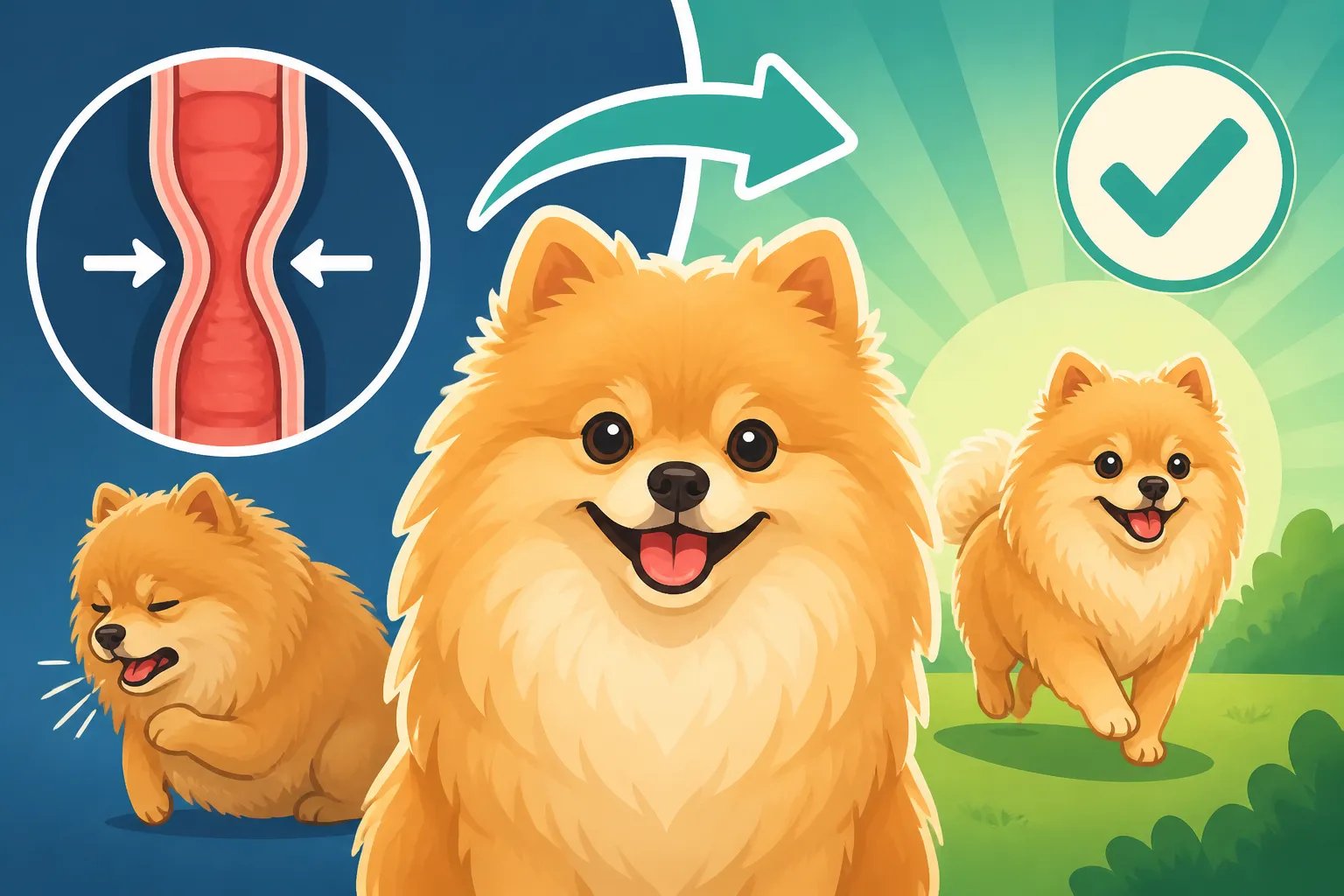
Tracheal collapse is a chronic, progressive condition that primarily affects toy breeds like our tiny Pomeranians. It occurs when the rings of cartilage that support the windpipe (trachea) weaken and flatten, making it difficult for air to pass through to the lungs. Imagine a vacuum cleaner hose that’s lost its rigid coils and starts to pancake every time the vacuum is turned on – that’s essentially what’s happening inside your dog’s throat or chest. This narrowing can happen anywhere along the trachea, from the part in the neck to deep inside the chest cavity. It's not just an inconvenience; it can severely impact your Pom’s quality of life and even become life-threatening if left unmanaged.
Pinpointing the Cause of Your Pomeranian's Breathing Issues
While the exact cause of tracheal collapse isn't always clear, it's widely accepted that it has a strong genetic component, particularly in smaller breeds. Pomeranians, Chihuahuas, Poodles, and Yorkshire Terriers are disproportionately affected, suggesting an inherent weakness in their tracheal cartilage. It's not typically something an owner does to cause it, which can be a relief to know, but also frustrating because it feels out of your control. Environmental factors and lifestyle can certainly exacerbate the condition, though. Exposure to irritants like cigarette smoke, allergens, or even excessive dust can trigger coughing fits and worsen the collapse. Obesity is another major contributing factor, as extra weight puts more pressure on the trachea and respiratory system, making breathing even harder. Sometimes, even the seemingly innocuous act of pulling on a leash with a collar can put undue stress on an already compromised windpipe.
Recognizing the Signs: Beyond Just a Cough
The most classic symptom of tracheal collapse is often described as a "goose-honk" cough. It's distinctive, loud, and can sound quite alarming. This cough often flares up during excitement, exercise, or when your Pom is pulling on their leash. You might notice it particularly after they’ve had a burst of zoomies or if someone new comes to the door. But the cough isn't the only sign. Your Pomeranian might also exhibit labored breathing, making wheezing or gasping sounds. In more severe cases, their gums or tongue might turn a bluish tint (cyanosis) due to lack of oxygen, which is a medical emergency requiring immediate veterinary attention. Some Poms might become lethargic, reluctant to exercise, or even faint after a coughing spell. It's a spectrum of symptoms, and they can worsen over time. Understanding these signs is crucial because early intervention can often lead to better long-term management. You can learn more about exactly what sounds to listen for in an article like "The Sound a Pomeranian Makes When Its Trachea Collapses".
The Diagnostic Journey: What to Expect at the Vet
When you first bring your Pomeranian to the vet with concerns about a honking cough or breathing issues, your vet will start with a thorough physical examination. They’ll listen to your dog’s heart and lungs and gently palpate (feel) their trachea. Sometimes, just touching the windpipe can trigger the tell-tale cough. To confirm the diagnosis, your vet will likely recommend a combination of diagnostic tests. X-rays are a common starting point, often taken during both inhalation and exhalation, to try and capture the trachea at its most collapsed state. However, X-rays don't always tell the full story. A more definitive diagnosis often comes from fluoroscopy, which is a dynamic X-ray that allows the vet to watch your Pom's trachea in real-time as they breathe. This can show the extent and location of the collapse much more clearly. In some cases, endoscopy (inserting a tiny camera down the trachea) might be performed under anesthesia for an even closer look. This comprehensive approach ensures that other conditions with similar symptoms, like allergies, heart disease, or kennel cough, are ruled out, giving you a clear picture of what you're dealing with. Knowing the specific grade of collapse is also important for treatment planning, a topic further explored in "Grading a Pomeranian's Tracheal Collapse".
Navigating Treatment Options: When Surgery Comes into Play
Once tracheal collapse is diagnosed and its severity assessed, your veterinarian will discuss a range of treatment options. For many Pomeranians, especially in the earlier stages, conservative medical management is the first and often very effective approach. Surgery is generally reserved for those cases where medical treatments no longer provide adequate relief, or when the collapse is so severe that your Pom's quality of life is significantly impacted and their breathing becomes an emergency. It's a big decision, and it’s important to understand why and when surgical intervention might be the best path forward.
Conservative Management: The First Line of Defense
Before jumping to surgery, most vets will recommend a course of conservative, non-surgical management. This typically involves a multi-faceted approach aimed at reducing inflammation, suppressing the cough, and making lifestyle adjustments. Medications often include cough suppressants to calm the irritated airways, anti-inflammatory drugs to reduce swelling, and sometimes bronchodilators to open up the air passages. For Pomeranians with concurrent allergies or infections, antibiotics or antihistamines might also be prescribed.
Beyond medication, lifestyle changes are absolutely crucial. Switching from a collar to a harness is paramount, as a collar can put direct pressure on an already compromised trachea. Weight management is another huge factor; getting an overweight Pom to a healthy weight can significantly alleviate pressure on their windpipe and improve breathing. Limiting strenuous exercise, avoiding airborne irritants like smoke or strong perfumes, and using humidifiers can also make a big difference. Many owners find great success with these methods, and they can often keep a Pomeranian comfortable for years. You can delve deeper into these strategies in an article like "Managing a Pomeranian's Windpipe Without Surgery".
Deciding on Surgery: Factors for Consideration
The decision to pursue surgery for tracheal collapse is never taken lightly, and it's a conversation you'll have extensively with your vet and potentially a veterinary specialist. Generally, surgery is considered when a Pomeranian's quality of life is severely compromised despite consistent medical management. If your Pom is having frequent, debilitating coughing episodes, struggling to breathe during minimal activity, or experiencing blue gums (cyanosis), surgical intervention moves higher on the recommendation list. It’s also a consideration if the collapse is rapidly progressing or if the tracheal weakness is particularly severe (Grade 3 or 4).
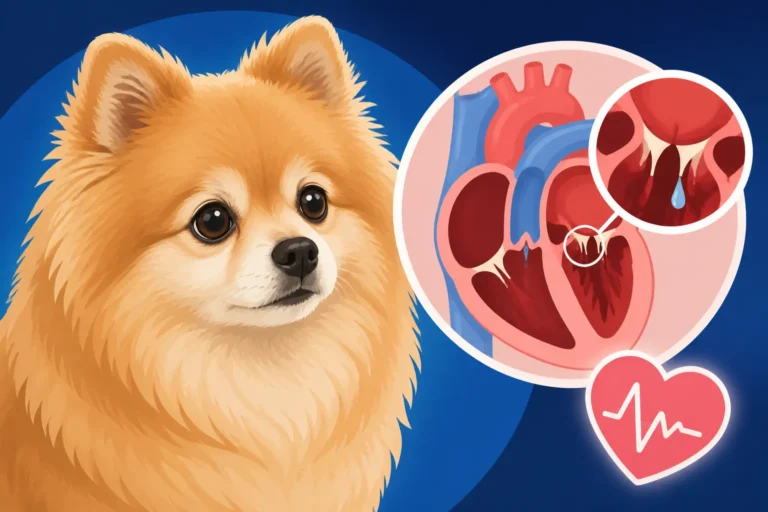
Your Pom's overall health also plays a significant role. Older dogs with other health issues, such as heart disease or severe dental problems, might not be the best candidates for a major surgery that involves general anesthesia. The vet will perform extensive pre-surgical screenings, including blood tests and possibly a cardiac workup, to assess their suitability. The financial aspect is also a very real concern for many families. Tracheal stent surgery can be quite costly, often ranging from several thousand dollars, which is where having good pet insurance, like a plan from Healthy Paws, can make a world of difference. It allows you to make decisions based on your pet’s needs, not just your wallet.
Understanding Surgical Candidacy and Timing
Determining if your Pomeranian is a good candidate for tracheal collapse surgery involves a careful assessment by a board-certified veterinary surgeon or internal medicine specialist. They will consider the severity and location of the collapse, your dog's age, overall health, and any co-existing conditions. For instance, if the collapse is primarily within the neck (cervical) region of the trachea, external ring placement might be more effective. If it's deeper in the chest (intrathoracic), an internal stent is usually indicated.
The timing of the surgery is also important. While early intervention might seem ideal, many specialists prefer to exhaust medical management first, especially if the collapse is not yet life-threatening. This allows time to see if the condition stabilizes or improves with conservative care. However, if the collapse is severe and acutely impacting breathing, delaying surgery could be risky. It's a delicate balance, and your specialist will guide you through weighing the risks and benefits. It’s a huge commitment, both emotionally and financially, but for the right candidate, it can truly be life-changing, offering a chance for much improved breathing and activity.
Delving into Tracheal Collapse Surgical Techniques
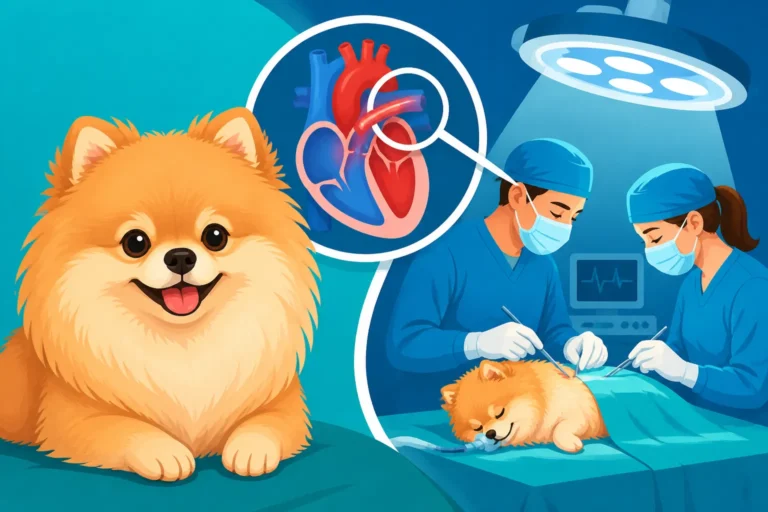
When medical management is no longer enough to control your Pomeranian's tracheal collapse, surgery becomes a viable, and often necessary, option. There are two primary surgical approaches: external ring prostheses and internal intraluminal stents. Each method aims to support the weakened trachea, but they differ significantly in their technique, where they can be applied, and their potential outcomes. Understanding these differences is key to making an informed decision for your beloved Pom.
External Ring Prostheses: Reinforcing the Windpipe
External ring prostheses, sometimes called tracheal ring surgery, involve placing small, C-shaped plastic rings around the outside of the collapsed trachea. These rings are made of a biocompatible material, often polypropylene or similar, and are surgically sutured to the cartilage rings, acting as external scaffolding. The goal is to provide rigid support, preventing the trachea from flattening and allowing air to flow more freely. This procedure is typically performed on cases where the collapse is primarily located in the cervical (neck) region of the trachea. The surgery involves carefully dissecting around the trachea, implanting the rings, and then closing the incision.
The benefit of this technique is that it doesn't involve placing anything inside the airway, which can reduce certain types of irritation. Recovery involves careful monitoring and restricted activity to allow the tissues to heal and the rings to integrate. For many Pomeranians, this can significantly improve their breathing and reduce their cough, leading to a much better quality of life. However, it's not suitable for collapses deep within the chest cavity due to the anatomical challenges of accessing that area.
Intraluminal Stents: An Internal Solution
For Pomeranians with tracheal collapse in the intrathoracic (chest) region, or those who haven't responded well to external ring placement or where external surgery isn't feasible, an intraluminal stent might be recommended. This involves placing a self-expanding, mesh-like metallic stent inside the trachea. The stent is delivered via a catheter under fluoroscopic guidance (real-time X-ray), expanded to the correct size, and then left in place to hold the airway open from within. These stents are designed to adapt to the natural movements of the trachea and are usually made of nitinol, a flexible yet strong alloy.
The placement of an intraluminal stent is generally less invasive than external ring surgery, as it often doesn't require a large incision. However, it comes with its own set of potential considerations, such as stent migration, fracture, or tissue granulation (scar tissue forming around the stent), which can sometimes narrow the airway again. Despite these risks, for many Poms with severe, deep-seated collapse, an internal stent can offer immediate and dramatic relief from breathing difficulties. This procedure requires a highly specialized veterinary surgeon with expertise in interventional radiology.
Comparing the Surgical Approaches
Choosing between external rings and internal stents depends heavily on the individual Pomeranian's specific condition, the location of the collapse, and the surgeon's expertise.
Here's a quick comparison:
| Feature | External Ring Prostheses (Tracheal Ring Surgery) | Intraluminal Stents |
|---|---|---|
| Location Best Suited | Cervical (neck) trachea | Intrathoracic (chest) trachea, or diffuse collapse |
| Invasiveness | More invasive (open surgery with incision) | Less invasive (endoscopic/fluoroscopic placement) |
| Mechanism | External support around the trachea | Internal support within the trachea |
| Ideal Candidate | Poms with primarily cervical collapse, good overall health | Poms with intrathoracic collapse, severe symptoms, or failed medical management |
| Potential Complications | Laryngeal paralysis, nerve damage, infection, scar tissue | Stent migration, stent fracture, granulation tissue, chronic cough |
| Recovery | Longer external healing, strict activity restriction | Quicker initial recovery, internal healing |
| Cost | Varies, generally significant | Varies, generally significant (often covered by insurance like Healthy Paws) |
It's a decision made in consultation with your veterinary specialist, weighing the pros and cons for your unique situation. Both aim for the same outcome: improving your Pomeranian's ability to breathe and significantly enhancing their quality of life.
Post-Surgical Life: Outcomes, Recovery, and Challenges
Undergoing tracheal collapse surgery for your Pomeranian is a significant step, and naturally, you'll want to know what to expect once the procedure is done. The journey doesn't end when your Pom leaves the operating room; it transitions into a crucial recovery and long-term management phase. While surgery can offer dramatic improvements, it’s important to have realistic expectations regarding the outcomes and potential challenges you might encounter.
Immediate and Long-Term Surgical Outcomes
For many Pomeranians who undergo successful tracheal collapse surgery, the immediate outcome is a noticeable improvement in breathing and a reduction in the severity and frequency of their cough. Owners often report that their Poms are more active, happier, and able to enjoy life without constant struggle. The goal of surgery is to improve the quality of life, not necessarily to "cure" the condition completely. While the honking cough might not disappear entirely, it should be significantly less severe and less frequent.
In the long term, outcomes can vary. For external ring prostheses, success rates are generally high, with many dogs experiencing sustained improvement for years. With internal stents, initial success is also high, but there can be a higher incidence of long-term complications such as granulation tissue forming around the stent, which might require further intervention. Most studies show that a significant majority of dogs (around 75-90%) experience a good to excellent outcome post-surgery, with improved breathing and quality of life. Regular follow-up with your vet is crucial to monitor progress and address any emerging issues.
Potential Complications and What to Watch For
While surgery offers great hope, it's not without potential complications. For external ring placement, risks include damage to the laryngeal nerves, which can lead to laryngeal paralysis (difficulty barking or swallowing), or even partial laryngeal collapse. Infection at the surgical site or migration of the rings are also possibilities, though less common.
With internal stents, the most frequently reported complications include the development of granulation tissue (scar tissue) at the ends of the stent, which can narrow the airway again. Stent fracture or migration, where the stent moves from its intended position, can also occur, sometimes necessitating a second procedure or replacement. Some dogs may also experience a persistent cough even after stent placement, which can be due to residual inflammation or irritation from the stent itself. It's also important to remember the general risks associated with any anesthesia, especially for a small breed like a Pomeranian. Knowing "Anesthesia Risk in a Four Pound Pomeranian" can help you discuss concerns with your vet. Your vet will explain these risks in detail before surgery, and you’ll receive comprehensive instructions on what signs to watch for during the recovery period.
Lifelong Care and Management After Tracheal Surgery
Post-surgical care is critical for a successful outcome. Immediately after surgery, your Pomeranian will require strict rest and limited activity for several weeks. This means no jumping, no strenuous play, and leash walks only, often with a special recovery harness. Medications, including antibiotics, pain relievers, and cough suppressants, will continue for a period.
Long-term management is also essential. Even after surgery, it's vital to continue with careful weight management, avoid collars in favor of harnesses, and keep your Pom away from smoke and other respiratory irritants. Regular check-ups with your vet, including periodic X-rays or fluoroscopy, will be necessary to monitor the surgical site or stent and ensure there are no new issues. Some Poms may still need occasional cough suppressants, especially during periods of excitement or environmental changes. This ongoing care, including potential medication and diagnostic imaging, is part of the lifelong commitment after surgery. While a good pet insurance policy, like those offered by Healthy Paws, can certainly help with the initial surgical costs, it can also assist with the expenses of long-term follow-up care and potential medication. Ultimately, with diligent care and monitoring, many Pomeranians who undergo tracheal collapse surgery can go on to live comfortable, happy lives with significantly improved breathing.
Disclaimer
The information provided in this guide is for general educational purposes only and should not be considered a substitute for professional veterinary advice. Always consult with a qualified veterinarian regarding any health concerns or before making any decisions about your Pomeranian's medical care.