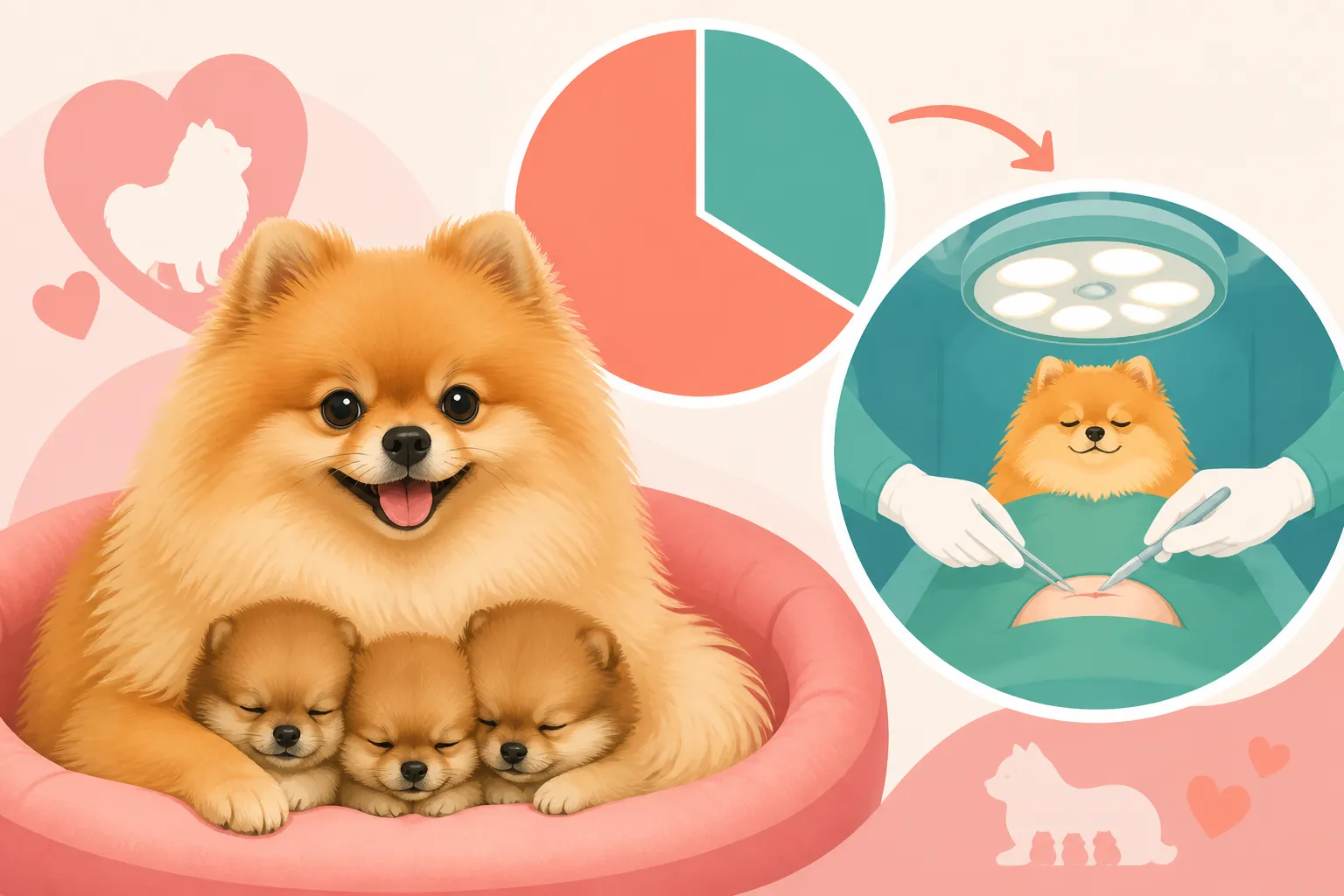
Cesarean Rates in Pomeranians
Bringing a new litter of Pomeranian puppies into the world is an incredibly exciting, yet often nerve-wracking, experience. Many hopeful breeders and owners dream of a smooth, natural birth, but the reality for our tiny, beloved Poms can be quite different, sometimes leading to unexpected and costly complications that require immediate veterinary intervention. This guide will delve into why Cesarean sections are so common in Pomeranians, how to recognize the signs that one might be needed, and what you can expect if your furry family member requires this vital surgery.
Understanding Cesarean Sections in Pomeranians
It's a common misconception that all dogs can just whelp their puppies without human intervention. While many breeds do, Pomeranians, due to their unique physical characteristics and the size of their litters, often face challenges that necessitate a Cesarean section. This isn't a sign of poor breeding or a weak mother; it's simply a reality of breeding a toy breed.
The Unique Anatomy of a Pomeranian
Pomeranians, with their compact bodies and often dense coats, are adorable, but their small stature plays a significant role in why C-sections are so prevalent. Their pelvic canals, through which puppies must pass, are naturally narrow. Imagine trying to push a relatively large object through a tiny opening – that's often what a Pomeranian mother faces during natural labor.
Moreover, Pomeranian puppies, while small, can sometimes have disproportionately large heads compared to their mother's birth canal, especially if they are particularly robust or if the litter is small and individual puppies have grown larger in utero. This size mismatch, known as fetopelvic disproportion, is a primary reason for needing a C-section. It's a cruel twist of nature that the very qualities we adore in their appearance can make natural birth a high-risk scenario. Breeders often aim for a healthy weight for their breeding females to ensure the best chance of a natural birth, but even then, nature sometimes has other plans. You might be surprised to learn that even with careful breeding, the average number of puppies in a litter is quite small, often just one to three, as discussed in How Few Puppies a Pomeranian Carries, which can mean each puppy is larger.
Common Obstetric Complications
Beyond anatomical considerations, Pomeranians are also susceptible to specific complications during labor that can quickly turn a normal whelping into an emergency. These issues often relate to uterine function and can put both the mother and puppies at grave risk.
One of the most frequent problems is called uterine inertia, which simply means the uterus stops contracting effectively. This can happen for a few reasons: the mother might become exhausted, her calcium levels might drop, or the uterus itself might be simply too tired to continue. Think of it like a muscle giving up during an intense workout; the uterus is working incredibly hard to expel puppies. If contractions cease or become too weak to be effective, puppies can become stuck in the birth canal or remain in the uterus for too long, leading to oxygen deprivation. This is why vigilance during labor is absolutely critical.
Another complication can be malpresentation, where a puppy is positioned incorrectly for birth. Instead of coming out headfirst, they might be breached, sideways, or one leg might be tucked back, creating an impossible blockage. Such situations require immediate intervention to save the puppy, and often the mother's life. These complications underscore why it's so important to have an experienced veterinarian on standby or a plan for emergency care when a Pomeranian is due to whelp. The decision to perform a C-section is often made to prevent severe distress or even death for both the mother and her precious puppies, especially considering the delicate nature of What Teacup Breeding Costs a Pomeranian when dealing with extremely small mothers.
Recognizing When a C-Section Is Necessary
The thought of your dog needing surgery during such a natural process can be terrifying, but knowing the warning signs is paramount. Early detection and quick action can make all the difference in the outcome for your Pomeranian mother and her puppies.
Early Warning Signs During Labor
Your veterinarian will likely give you a timeline and a list of things to watch for as your Pomeranian approaches her due date. Typically, labor begins with nesting, restlessness, and a drop in body temperature. Once active labor starts, you'll see more noticeable contractions. However, for Pomeranians, things can go awry quickly.
A key indicator that a C-section might be looming is prolonged straining without producing a puppy. If your Pom has been having strong, active contractions for an hour or more without a puppy emerging, it's a red flag. Similarly, if she takes a break of more than two to four hours between puppies, and you know there are more to come (which can be confirmed by X-rays taken prior to labor), that's another sign of uterine inertia. You might also notice a foul-smelling discharge, indicating an infection, or excessive bleeding, which are immediate emergencies. Sometimes, a puppy might be visible in the birth canal but simply won't budge. This is a common and distressing scenario, often due to a puppy being too large or poorly positioned. Don't try to pull the puppy out yourself; this can cause severe injury to both mother and pup. Instead, contact your vet immediately.
| Sign of Concern | Description | Action Required |
|---|---|---|
| Strong contractions > 1 hour | Mother is actively pushing but no puppy appears. | Immediate vet contact |
| Prolonged interval > 2-4 hours | Significant delay between puppies, with more expected. | Immediate vet contact |
| Foul-smelling discharge | Dark, green, or black discharge with an unpleasant odor. | Emergency vet visit |
| Excessive bleeding | More than a small amount of bloody discharge. | Emergency vet visit |
| Mother in distress/collapse | Extreme panting, lethargy, shaking, whimpering, or sudden weakness. | Emergency vet visit |
| Visible puppy stuck | Puppy partly emerged but not progressing, despite active pushing. | Immediate vet contact |
The Veterinary Decision-Making Process
When you bring your Pomeranian to the vet with signs of difficult labor, they will act swiftly. The veterinarian will typically perform a physical examination, which may include palpating the abdomen to feel for puppies and assessing the strength of contractions. They will often take X-rays to determine the number, size, and position of the remaining puppies. This is crucial for confirming if a puppy is too large for the birth canal or if there's a malpresentation. Sometimes, an ultrasound might be used to check the puppies' heartbeats, giving an indication of their vitality.
Blood tests may also be done to check the mother's calcium and glucose levels, as low levels can contribute to uterine inertia. If calcium is low, sometimes a calcium supplement can kickstart contractions, but this is a temporary measure and must be administered by a vet. For Pomeranians, due to their small size, vets are often quick to recommend a C-section if there's any significant concern about the mother's or puppies' well-being. The risk of waiting too long can be catastrophic, leading to stillbirths or severe complications for the mother. Remember that even seemingly minor issues, like a puppy getting stuck, can rapidly become life-threatening, making a timely C-section a life-saving procedure. The veterinary team will walk you through the options, but generally, if natural whelping isn't progressing safely, a C-section is the safest route. You might want to consider Whether a Pomeranian Needs Pre-Anesthetic Bloodwork even for planned procedures, but it's absolutely critical in an emergency C-section to ensure the mother is stable enough for surgery.
Preparing for and Recovering From a Pomeranian C-Section
A Cesarean section is major abdominal surgery, and while it's often essential, it comes with its own set of considerations, from the financial impact to the detailed care required for the mother and her new litter. Being prepared for these aspects can ease a lot of stress during an already intense time.
Financial and Emotional Considerations
Let's be realistic: an emergency C-section is not cheap. The cost can range from several hundred to a few thousand dollars, depending on your location, the time of day (emergency rates are higher), and any complications. This can be a huge shock for owners, especially if it's unexpected. It covers the surgery itself, anesthesia, medications, potential overnight stays, and follow-up care. This is where pet insurance can be a literal lifesaver. Companies like Healthy Paws offer coverage that can significantly offset these costs, though it's important to remember that most policies won't cover pre-existing conditions or pregnancies that were already in progress before the policy was active. Planning ahead and having insurance in place well before breeding is crucial for financial peace of mind. Without insurance, many owners rely on credit lines like CareCredit or local assistance programs, so it’s always wise to have a financial plan.
Beyond the monetary aspect, the emotional toll can be immense. Watching your beloved Pom go through labor, then surgery, is incredibly stressful. You'll be worried about her safety, the puppies' survival, and the recovery process. It’s okay to feel overwhelmed. Lean on your support system and communicate openly with your veterinary team. They are there to guide you through it. Many breeders also budget for potential complications, understanding that The Cesarean Bill on a Pomeranian Litter is a very real possibility.
Post-Operative Care for Mom and Pups
Once the C-section is over, your focus shifts to the recovery of the mother and the immediate care of her new puppies. This period requires meticulous attention and patience.
The mother will come home with sutures in her abdomen, which need to be kept clean and dry. You’ll need to prevent her from licking or chewing at the incision site, often requiring an Elizabethan collar (e-collar) or a recovery suit. Your vet will prescribe pain medication and possibly antibiotics. Monitor her appetite, thirst, and energy levels closely. While she needs to be a mother, her recovery is paramount. Gentle, limited exercise is usually recommended for the first few weeks.
For the puppies, immediate care is all about warmth, feeding, and stimulation. Pomeranian puppies are tiny and vulnerable. They need to be kept warm, usually in a whelping box with a heat lamp or pad set to the correct temperature. The mother will naturally want to nurse them, but you’ll need to supervise closely, especially after surgery when she might still be groggy. Ensure all puppies are latching and feeding well. If some are struggling, you may need to assist with supplemental bottle feeding using a suitable puppy formula. Watch for signs of lethargy, constant crying, or failure to gain weight. Puppies born via C-section, especially those that experienced any stress during labor, can be more susceptible to issues like Blood Sugar Crashes in a Pomeranian Puppy (hypoglycemia), so frequent feeding is crucial. Keeping the litter clean and stimulating them to urinate and defecate, particularly in the first few days, is vital. This hands-on care for both mom and pups can be incredibly demanding, often requiring round-the-clock attention for the first few weeks. Again, pet insurance from providers like Healthy Paws can often cover follow-up vet visits for both the mother and any complications the puppies might face post-birth.
Reducing the Need for Emergency C-Sections
While C-sections are sometimes unavoidable for Pomeranians, there are proactive steps that responsible breeders and owners can take to minimize the risk and improve the chances of a smooth delivery, whether natural or surgical.
Responsible Breeding Practices
The foundation of reducing C-section rates starts long before conception. Responsible breeding involves careful selection of breeding dogs. This means choosing a female Pomeranian of appropriate size and excellent health. A female that is too small (often associated with the "teacup" trend) can have a significantly higher risk of dystocia due to a narrow birth canal. Breeders should also consider the size of the male dog being bred to the female. While Pomeranian puppies are small, a male with a history of producing larger-than-average puppies might be a risk factor.
Health screenings are critical. Prospective breeding dogs should undergo comprehensive health checks, including certifications for knees (Slipping Kneecaps in a Five Pound Pomeranian), hearts (The Heart Defect Found in Pomeranian Puppies), and eyes (The Eye Problems a Pomeranian Carries), to ensure they are robust and free from hereditary conditions that could complicate pregnancy or be passed to offspring. Breeders should also be aware of the mother's dam's and sire's birthing history. If previous generations had a high incidence of C-sections, it might indicate a genetic predisposition to difficult labor. Understanding the ideal size and conformation of a breeding Pomeranian, and avoiding dogs that deviate significantly from breed standards in terms of extreme smallness or exaggerated features, can help prevent many birthing complications. It's not just about health, it’s about responsible lineage planning. Many reputable breeders will have a waiting list, and you might want to understand What a Pomeranian Breeder Takes to Hold a Puppy as part of their commitment to finding good homes and managing litters.
Pre-Natal Care and Monitoring
Once your Pomeranian is pregnant, excellent prenatal care becomes paramount. This involves regular veterinary visits to monitor her health and the development of the puppies. Your vet will advise on proper nutrition, which should include a high-quality, balanced diet suitable for pregnant dogs. Over-feeding can lead to excessively large puppies, increasing the risk of dystocia, while under-feeding can compromise the mother's health and milk production.
Towards the end of the pregnancy, your vet will likely recommend an X-ray, typically around day 55-58. This isn't just to confirm pregnancy; it's to count the number of puppies and assess their size and position. Knowing the exact number of puppies is incredibly valuable during labor, so you know when she’s done. This X-ray can also highlight if any puppies appear unusually large, allowing you to prepare mentally and logistically for a potential C-section. Monitoring her temperature daily in the last week or so can help predict when labor is imminent, as a temperature drop often precedes whelping by 12-24 hours. Having an emergency vet contact number readily available and knowing the route to the clinic are essential preparations. Early and thorough prenatal care, combined with responsible breeding, gives your Pomeranian the best possible chance for a healthy delivery, whether it’s a natural birth or a planned Cesarean.
Vaginal Birth vs. Cesarean Section for Pomeranians: A Comparison
| Feature | Vaginal Birth (Natural Whelping) | Cesarean Section (C-Section) |
|---|---|---|
| Ideal Scenario | Smooth, natural progression without intervention. | Planned intervention for high-risk pregnancies or emergencies. |
| Risks for Mother | Exhaustion, uterine inertia, dystocia, bleeding, retained placentas. | Anesthesia risks (Anesthesia Risk in a Four Pound Pomeranian), infection, pain, longer recovery from surgery. |
| Risks for Puppies | Hypoxia (lack of oxygen) if labor is prolonged, stillbirth, injury. | Potential for respiratory issues (less exposure to birth canal fluids), lower birth weight due to prematurity. |
| Cost | Minimal veterinary fees, mostly for follow-up checks. | Significant veterinary fees for surgery, anesthesia, meds, hospitalization. |
| Recovery Time | Generally quicker physical recovery for the mother. | Longer physical recovery due to abdominal incision. |
| Owner Involvement | Hands-on monitoring, minimal intervention unless complications. | Post-surgical care for mother, intensive puppy care (feeding, warmth). |
| Predictability | Less predictable, can require quick decisions. | More predictable if planned, but still subject to emergencies. |
| Emotional Impact | Joy and relief, but intense worry if complications arise. | Significant stress, but often relief for safe delivery of pups. |
Disclaimer
The information provided in this article is for general informational purposes only and is not intended as a substitute for professional veterinary advice. Always consult with a qualified veterinarian for any health concerns or before making any decisions related to your Pomeranian's health or medical care, especially concerning pregnancy and whelping.