Whether a Pomeranian Needs Its Coat Fluffed
It's a common desire for Pomeranian owners: that glorious, stand-off coat that just screams "fluffy cloud!" Many people wonder if their Pom needs their coat fluffed, imagining a strict beauty regimen or a complicated styling process. The truth is, while achieving that iconic look does involve specific care, it's less about aggressive "fluffing" and more about understanding and nurturing their unique double coat. Many new Pom parents feel frustrated when their beloved furball doesn't naturally have that picture-perfect poof, or when their brushing efforts fall flat. This guide will walk you through the real needs of your Pomeranian's coat, how to enhance its natural volume safely, and what practices to avoid to keep them looking their best without causing damage.
Understanding the Pomeranian's Unique Double Coat
Before we even talk about "fluffing," it's absolutely crucial to understand what makes a Pomeranian's coat so special. It's not just a single layer of fur; it's a magnificent double coat, designed by nature for protection and insulation. This understanding is the foundation for all proper Pomeranian grooming, including how to achieve that coveted fluffy appearance.
The Inner Workings of a Double Coat
Imagine two distinct coats working in harmony. The Pomeranian has a short, dense undercoat that is soft and woolly, lying close to the body. This is the layer responsible for insulation, keeping them warm in winter and surprisingly cool in summer by trapping air. Over this lies the longer, harsher outer coat, often called "guard hairs." These guard hairs are straighter, coarser, and designed to stand off from the body, protecting the undercoat and skin from dirt, moisture, and UV rays. This natural "stand-off" quality is precisely what gives the Pomeranian its inherent volume and shape.
Many new owners are surprised by the texture difference between the two layers. The undercoat feels like a cloud, while the guard hairs are noticeably stiffer. This structure is what allows a healthy Pomeranian coat to naturally "poof" out rather than lie flat. Trying to achieve fluff without acknowledging this dual layer is like trying to bake a cake without flour – you're missing the core ingredient. The Guard Hair and Undercoat of a Pomeranian delves deeper into these unique layers and their functions.
Why the Coat Naturally Stands Off
The way the guard hairs are set into the skin, combined with the sheer density of the undercoat, creates a natural springiness that pushes the coat away from the body. Think of it like a dense bush where the outer branches naturally spread out. When a Pomeranian is healthy and well-groomed, its coat should have this volume. It's not just for aesthetics; it's a functional design feature.
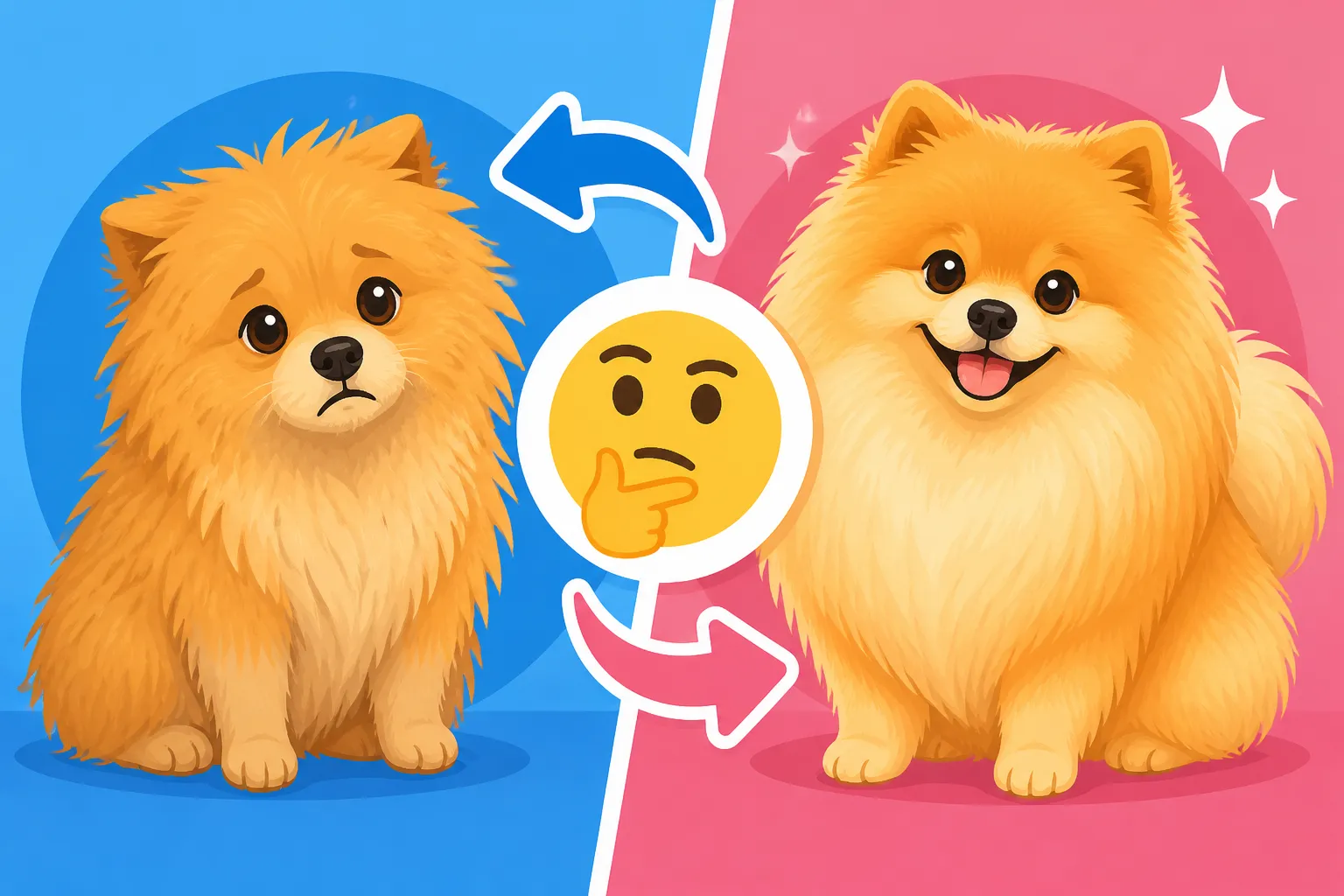
If your Pomeranian's coat isn't standing off as much as you'd like, it's usually a sign of one of a few things: either it's matted, it's dirty, it's wet, or it hasn't been properly brushed and dried to encourage that natural lift. It's rarely because the coat itself is "flat" by design, unless there's an underlying health issue affecting hair growth or density. Understanding How Many Layers a Pomeranian's Coat Has can help you appreciate why proper care is so important for maintaining its natural volume.
The Truth About "Fluffing" and Your Pomeranian's Coat
When people ask if a Pomeranian "needs" its coat fluffed, they're often envisioning a complex styling technique seen in dog shows or professional grooming salons. However, for everyday pet Poms, "fluffing" isn't a separate, aggressive act but rather the natural result of proper, consistent grooming. There's a fine line between enhancing natural volume and causing damage.
"Fluffing" as a Result, Not a Process
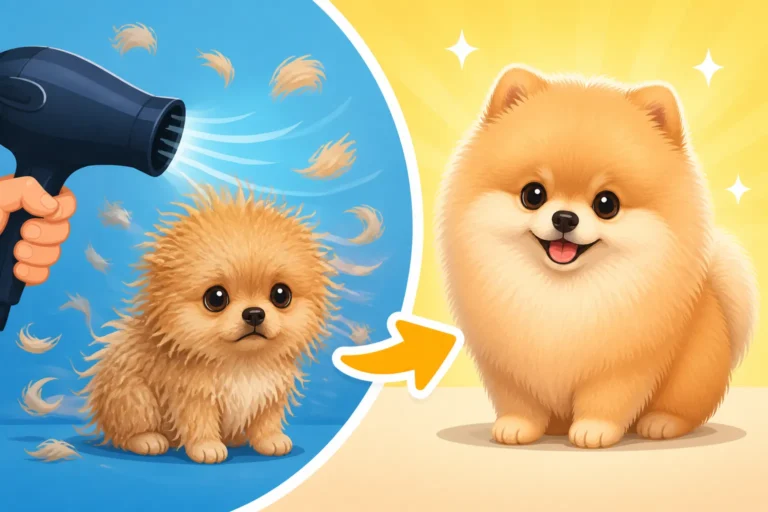
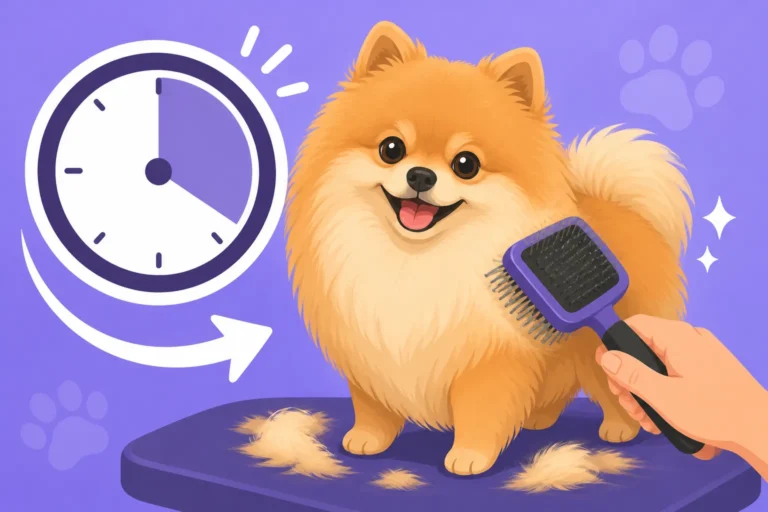
Let's clarify something important: "fluffing" in the context of your pet Pomeranian isn't an extra step you add to their routine; it's the beautiful outcome of thoroughly brushing out the coat and then drying it correctly. When you remove all tangles, dead undercoat, and separate the hairs, and then strategically use a blow dryer, the coat will stand off and look wonderfully voluminous. It's not about using harsh products or aggressive brushing, but rather about encouraging the coat to do what it naturally wants to do.
Many owners get frustrated because they brush their Pom but don't see the desired "fluff." Often, this means the brushing wasn't thorough enough to reach the skin and lift the undercoat, or the drying technique wasn't quite right. The goal isn't to force the coat into an unnatural state, but to liberate its inherent bounciness.
The Dangers of Improper "Fluffing" Techniques
While we all want our Poms to look like adorable, fluffy cotton balls, attempting to "fluff" them improperly can do more harm than good. Over-brushing with the wrong tools, especially on a dry coat, can actually break the delicate guard hairs and damage the undercoat. This leads to a thin, brittle coat that lacks volume, ironically the opposite of what you want. Think about it: if you constantly pull and tear at your own hair, it starts to look damaged and flyaway, not healthy and voluminous.
Using excessive heat from a human blow dryer or holding it too close to the skin can cause skin burns and seriously dry out the coat, making it prone to breakage. And please, never, ever consider shaving your Pomeranian to try and "regrow" a fluffier coat. This can lead to a condition known as Black Skin Disease and the Pomeranian Coat That Never Returns, or simply a coat that never grows back properly, leaving them with sparse, dull fur. Whether a Groomer Should Ever Shave a Pomeranian goes into detail about why this is a terrible idea for their double coat.
It's about gentle care, not brute force. The desire for that perfect "fluff" should never come at the expense of your Pomeranian's skin and coat health.
Achieving That Signature Pomeranian Look Safely
So, if "fluffing" isn't about harsh techniques, how do you get that iconic, stand-off coat safely at home? It all comes down to using the right tools and mastering a few key techniques during your regular grooming sessions. It's a methodical process, but once you get the hang of it, you'll see a huge difference without putting your furry friend's coat at risk.
The Right Tools for the Job
Having the correct grooming tools is half the battle. Trying to brush out a double coat with a flimsy brush meant for a single-coated breed will only lead to frustration for both you and your Pomeranian.
- Slicker Brush: This is your primary weapon against mats and loose undercoat. It has fine, wire pins set on a flat or slightly curved rubber base. Use it gently, with a flicking motion, always brushing away from the skin. It helps to lift the undercoat and remove dead hair, which is crucial for creating volume. You can find a great selection of high-quality slicker brushes on sites like Chewy or Amazon. Look for ones with coated tips if your Pom has very sensitive skin.
- Pin Brush: Once the tangles are out, a pin brush (with longer, widely spaced metal or plastic pins) is excellent for general brushing, fluffing the topcoat, and checking for any missed spots. It separates individual hairs beautifully and gives that airy, light feel to the coat.
- Wide-toothed Comb: A sturdy metal comb with both wide and narrow teeth is essential for line brushing and checking for hidden mats. You want to be able to comb through the entire coat, from skin to tip, with ease. If the comb snags, you've found a tangle that needs gentle work with the slicker brush.
- Pet-Specific Blow Dryer: This is where the magic truly happens for fluff. A good pet dryer has adjustable heat and force settings. Crucially, it has a cool or lukewarm setting to prevent skin burns and coat damage. Human hair dryers are often too hot and powerful for a small dog's delicate skin. Using a pet-specific dryer allows you to "set" the coat's direction, pushing the hairs up and out as they dry, enhancing that natural stand-off.
Investing in good quality tools is worth it. They last longer, work more effectively, and are safer for your Pomeranian.
Bathing and Drying Techniques for Maximum Volume
The process of achieving that fluffy look really begins with a good bath and the subsequent drying.
-
Thorough Bathing: Start with a good quality dog shampoo and conditioner, specifically formulated for double coats if possible. Ensure you wet the entire coat down to the skin, which can take longer than you think on a dense Pom coat. Lather thoroughly, paying attention to areas prone to mats like behind the ears, armpits, and britches. Rinse, rinse, and rinse again! Any shampoo residue left in the coat can irritate the skin and make the coat feel heavy and dull, which defeats the purpose of fluffing. Washing a Pomeranian in a Kitchen Sink is a common setup for many owners, but make sure your Pom is comfortable and secure.
-
Towel Drying: After rinsing, gently squeeze excess water from the coat. Don't rub vigorously, as this can cause tangles and damage the hair. Instead, blot and press with a highly absorbent towel. You want to get as much moisture out as possible before moving to the blow dryer.
-
The Blow-Dry Technique: This is the most important step for achieving volume.
- Low Heat, High Airflow: Set your pet dryer to a cool or lukewarm setting with moderate to high airflow. Never use hot air, as it can burn the skin and damage the coat.
- Brush While You Dry: As you dry, use your slicker brush to constantly brush the coat up and away from the body, against the direction of hair growth. This helps to lift the undercoat and separate the guard hairs, creating maximum volume. Focus on one small section at a time, ensuring it's completely dry before moving on.
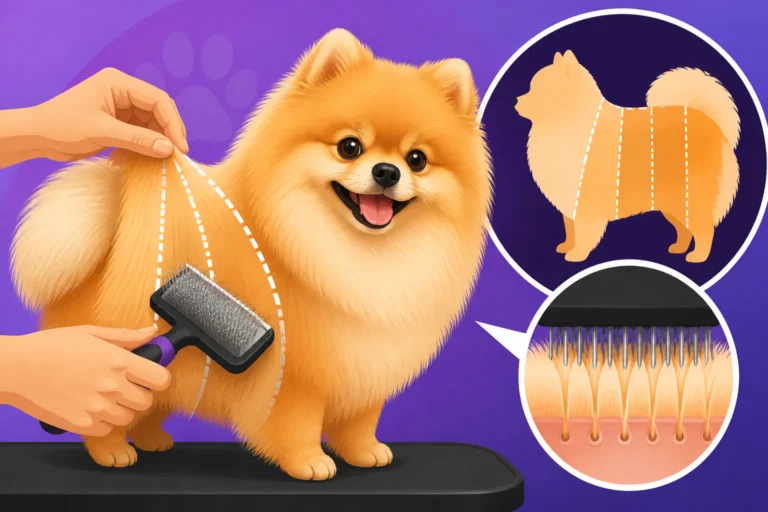
- Line Brushing: This technique is essential. You essentially part the hair in small sections, expose the skin, and brush the hair upwards and outwards from the skin. Then, you let a bit more hair fall and repeat, working your way through the entire body. Working a Pomeranian's Coat in Sections to the Skin is a fundamental technique you'll employ here.
- Focus on Key Areas: Pay extra attention to the ruff (around the neck and chest) and the britches (the fluffy fur on their hindquarters) to really enhance their signature look.
- Ensure Complete Dryness: It's absolutely vital that the entire double coat, especially the dense undercoat, is completely dry. A damp undercoat can lead to skin irritation, hot spots, and matting. Drying a Pomeranian Without Damaging the Coat is crucial for health and appearance.
By following these steps, you're not just drying your Pomeranian; you're actively shaping and encouraging its natural volume, resulting in that beautiful, fluffy appearance.
Protecting Your Pomeranian's Coat Health Long-Term
While brushing and drying techniques are key to achieving that immediate fluffy look, the real secret to a consistently beautiful and healthy Pomeranian coat lies in consistent long-term care. It's about more than just styling; it's about nutrition, regular maintenance, and understanding when to seek professional help. A truly fluffy coat is a healthy coat, from the inside out.
Beyond Brushing: Nutrition and Supplements
You can brush and dry all you want, but if your Pomeranian's diet isn't providing the right nutrients, their coat won't reach its full potential. A dull, sparse, or brittle coat can often be a sign of nutritional deficiencies.
- High-Quality Diet: Ensure your Pomeranian is on a high-quality, balanced diet. Look for foods with real meat as the first ingredient and avoid excessive fillers. A diet rich in essential fatty acids, vitamins, and minerals will support healthy skin and a vibrant coat. Brands that focus on fresh, balanced meals, or premium kibble, can make a significant difference. The Protein a Pomeranian's Coat Needs is vital for strong hair growth.
- Omega Fatty Acid Supplements: Many Pomeranian owners find great success in adding fish oil or other omega-3 and omega-6 fatty acid supplements to their dog's diet. These fatty acids are crucial for skin hydration and coat luster, helping to reduce dryness and promote healthy growth. A healthy coat is less prone to breakage and will naturally have more sheen and volume. Whether a Pomeranian Needs Fish Oil for Its Coat discusses this in more detail. Always consult your vet before adding any new supplements to ensure they are appropriate for your specific dog.
- Hydration: Just like us, dogs need plenty of fresh water for overall health, which includes healthy skin and coat. Ensure your Pomeranian always has access to clean drinking water.
A healthy coat isn't just about what you put on it, but also what you put in your Pomeranian's body.
Regular Maintenance and Professional Help
Consistency is king when it comes to a Pomeranian's coat. Skipping regular grooming sessions, even for a few days, can lead to mats that are difficult and painful to remove, ultimately impacting the coat's health and appearance.
- Frequent Brushing: You should be brushing your Pomeranian a minimum of 2-3 times a week, and ideally daily, especially during shedding seasons. This prevents mats, removes loose undercoat, and stimulates the skin. Consistent brushing keeps the coat from becoming compacted, which is the enemy of fluff. How Many Times a Week a Pomeranian Is Brushed is a question many new owners grapple with.
- Scheduled Baths: While too frequent bathing can dry out the skin and coat, regular baths (typically every 3-4 weeks, or as needed) are important. They remove dirt, oil, and dander that can weigh down the coat and make it look dull. Always ensure thorough drying after every bath to maximize volume and prevent skin issues.
- Professional Grooming: Even if you're diligent at home, occasional professional grooming sessions (every 6-8 weeks for pet Poms) can be incredibly beneficial. A professional groomer has specialized tools and expertise to thoroughly de-shed the undercoat, trim sanitary areas, neaten up paw pads, and give the coat a professional "fluff and buff" that is hard to replicate at home. They can also spot potential skin or coat issues you might miss. Consider it an important part of The Grooming Schedule a Pomeranian Runs On.
| Grooming Tool/Practice | Purpose for Coat Health & Fluff | Frequency | Benefit for Pomeranian Owners |
|---|---|---|---|
| Slicker Brush | Removing mats, lifting undercoat | Daily to 3x/week | Prevents painful mats, maintains natural volume, reduces shedding |
| Pin Brush | Finishing, separating hairs | Daily | Adds airy look, gentle for maintenance, checks for tangles |
| Wide-toothed Comb | Checking for mats, line brushing | After brushing | Ensures no hidden mats, thoroughness, avoids breakage |
| Pet-Specific Dryer | Drying, setting coat direction | After bathing | Achieves maximum fluff, prevents skin issues from dampness |
| High-Quality Diet | Essential nutrients | Daily | Promotes strong, healthy hair growth, shiny coat |
| Omega Supplements | Skin hydration, coat luster | Daily (as advised) | Reduces dryness, improves coat texture, adds shine |
| Professional Grooming | Thorough de-shed, trims, styling | Every 6-8 weeks | Expert care, hard-to-reach areas, overall coat maintenance |
Ultimately, "fluffing" your Pomeranian isn't about some secret trick; it's about dedication to their overall care. A healthy, well-maintained Pomeranian coat will naturally be a fluffy coat, a testament to your consistent efforts and love.
Disclaimer
This article is for general informational purposes only and does not constitute professional advice. Laws, prices and regulations vary by location and change over time. Consult a qualified professional for guidance on your specific situation.