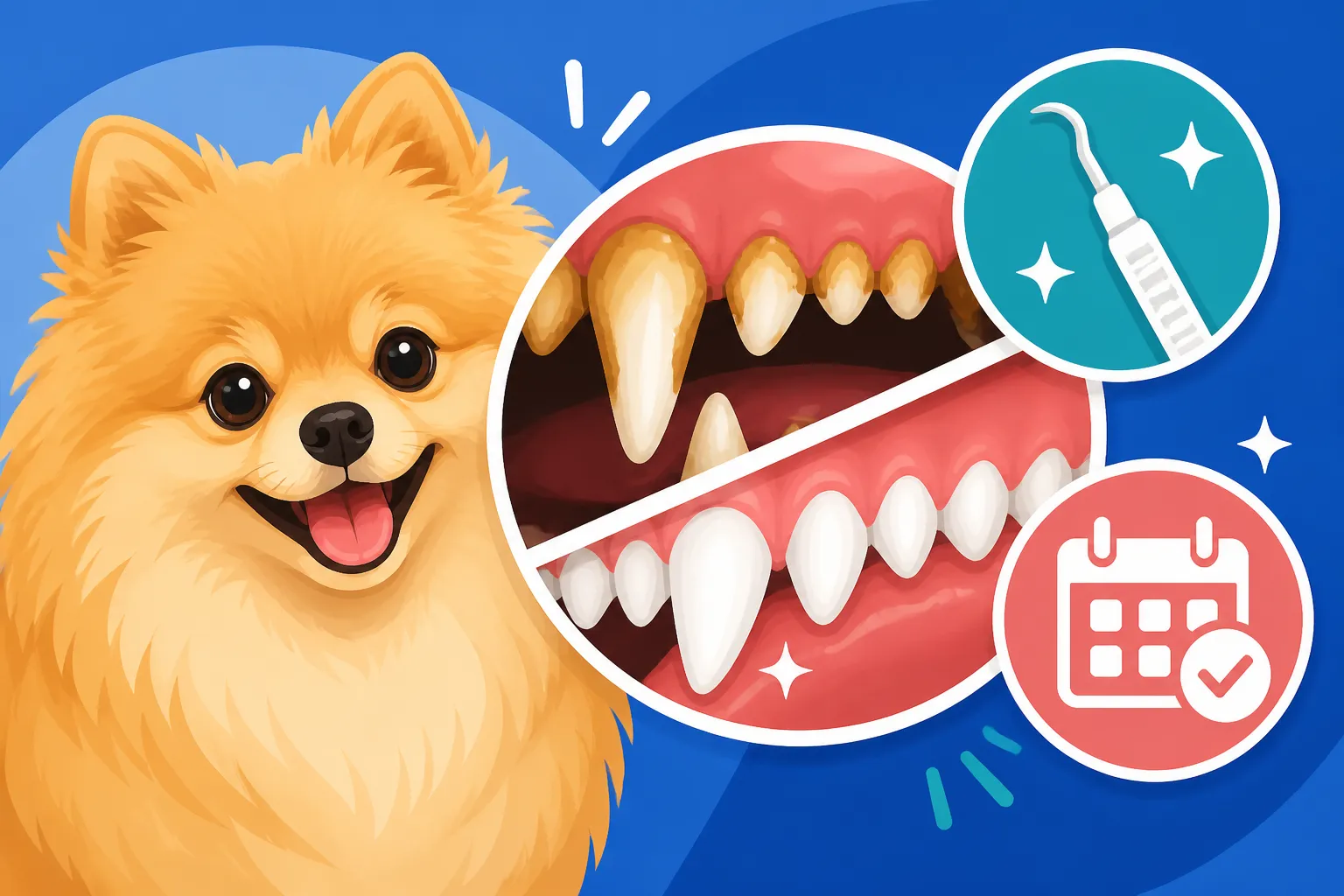
Whether a Pomeranian’s Teeth Need Scaling Annually
It’s a common moment of dread for many Pomeranian owners: your vet mentions "dental scaling," and your mind immediately jumps to anesthesia, expense, and worry about your tiny dog. You're left wondering if yearly dental cleanings are truly necessary, or if it's an overzealous recommendation. This guide aims to clear up that confusion, diving deep into the unique dental challenges Pomeranians face and what a truly effective dental care strategy looks like for these beloved little fluffballs.
The Inevitable Battle: Why Pomeranian Teeth Are So Prone to Trouble
Let's be real, Pomeranians are adorable, but their mouths can be a minefield of dental problems. It's not just bad luck; it's a combination of genetics, anatomy, and how quickly their little systems work. Many owners find themselves battling bad breath and stained teeth far earlier than they might expect with larger breeds, and it can feel like an uphill struggle from the moment their puppy teeth come in.
Tiny Jaws, Big Teeth Problems
Pomeranians, like many small and toy breeds, have been selectively bred for their diminutive size. While this gives them their irresistible charm, their oral anatomy didn't get the memo to shrink proportionally. What you often end up with is a mouth that's simply too small to comfortably house all 42 adult teeth. This crowding leads to a host of problems. Imagine trying to fit a full set of adult furniture into a tiny studio apartment – things are going to get crammed, and corners will be cut.
When teeth are packed tightly together, they create crevices and overlaps where food particles, bacteria, and debris can easily get trapped. These are the perfect breeding grounds for plaque, and no amount of casual chewing will dislodge everything. Think of it like trying to clean a tightly packed bookshelf without removing any of the books; you just can't get into all the nooks and crannies. This structural predisposition means that Pomeranians are starting at a disadvantage when it comes to maintaining pristine oral hygiene. It's a frustration many owners know all too well, constantly battling buildup despite their best efforts. You might notice your Pomeranian has The Baby Canines a Pomeranian Fails to Lose, which only exacerbates the crowding issue.
Rapid Plaque and Tartar Buildup
Beyond the crowding, small breeds like Pomeranians are also known for a faster metabolic rate, which can sometimes contribute to quicker plaque and tartar formation. Plaque is that soft, sticky film of bacteria that forms on teeth, and if it's not removed diligently, it mineralizes into hard tartar (calculus). This tartar then acts like a magnet for more plaque, creating a vicious cycle. For a Pomeranian, this process can happen at an alarming speed compared to a larger dog breed.
It feels disheartening to brush your Pom's teeth regularly only to see yellow and brown buildup returning seemingly overnight. This rapid calcification means that what might be a minor issue for a bigger dog can quickly become a significant problem for a Pomeranian, leading to inflammation of the gums, known as gingivitis. This inflammation, if left unchecked, progresses into periodontitis, which damages the supporting structures of the teeth. Understanding this accelerated rate of buildup is key to appreciating why proactive and sometimes frequent professional intervention is often discussed for these little dogs. The sheer speed at which plaque turns into hard, immovable tartar is often why Why a Pomeranian's Teeth Crowd and Rot becomes a major health concern.
Unpacking the "Annual Scaling" Recommendation: What Your Vet is Actually Looking For
When your vet suggests "annual dental scaling," it’s often a general guideline based on the typical progression of dental disease in small breeds. However, it's really about ensuring consistent oversight of your Pomeranian's oral health, rather than a strict, rigid yearly appointment for every single dog. It's a chance for a professional to assess what's actually happening in that tiny mouth, which is often much more than meets the eye (or nose!).
The Importance of Professional Assessment
Your veterinarian isn't just recommending a cleaning blindly; they're looking to catch problems early. During a routine check-up, a vet can perform a preliminary oral exam, checking for visible tartar, red or bleeding gums, missing teeth, or retained puppy teeth. However, a full assessment requires general anesthesia. Under anesthesia, your vet can meticulously probe each tooth for pockets of infection below the gum line, take full mouth dental X-rays to check for bone loss, abscesses, or hidden problems (which are incredibly common in Poms!), and evaluate the integrity of the jaw.
This is where the true value of a professional assessment lies. You might see a little tartar, but X-rays often reveal severe issues lurking beneath the gums that are causing pain and systemic health risks. It's like checking the foundation of a house; you can see cracks on the surface, but you need to go into the basement to understand the true structural integrity. This comprehensive evaluation allows your vet to create a tailored treatment plan, whether that means a simple scale and polish, or more involved procedures like Extractions in a Pomeranian's Small Jaw. It's a crucial step in keeping your Pomeranian healthy and comfortable, and it's far more than just scraping off visible gunk.
Anesthesia: The Elephant in the Room for Tiny Poms
Let's address the elephant in the room: anesthesia. For many Pomeranian owners, the thought of putting their precious little companion under anesthesia for a dental cleaning is terrifying. And you're absolutely right to be concerned. Tiny breeds do carry some unique considerations when it comes to anesthesia. Their small size means they can cool down quickly, and their vital organs are often more sensitive to medications. This concern is valid, and it’s one your vet shares.
However, modern veterinary anesthesia protocols have come a long, long way. For a dental procedure, your vet will perform a thorough pre-anesthetic workup, which typically includes blood tests to ensure their organs are functioning optimally. This is often called Whether a Pomeranian Needs Pre-Anesthetic Bloodwork. They will likely place an IV catheter to administer fluids, which helps maintain blood pressure and provides immediate access for emergency medications. During the procedure, your Pom’s heart rate, breathing, blood pressure, and oxygen levels are continuously monitored by trained personnel, not just a machine. Warm blankets and circulating warm water pads are used to maintain body temperature. While no anesthetic procedure is without any risk, these stringent precautions significantly minimize them. Discussing all your fears and questions with your vet beforehand is essential; a good vet will take the time to explain everything and ease your concerns about Anesthesia Risk in a Four Pound Pomeranian.
More Than Just Brushing: Crafting a Comprehensive Dental Care Plan for Your Pom
While professional scaling is incredibly important, it's just one piece of the puzzle. A truly comprehensive dental care plan for your Pomeranian involves a multi-faceted approach that aims to prevent significant buildup, making those professional cleanings less frequent or less extensive when they do happen. It's about building a routine that supports their oral health every single day.
Daily Home Care: The First Line of Defense
This is where you, as an owner, play the most critical role. Daily home care isn't just a suggestion; for a Pomeranian, it's practically a necessity. The gold standard, as every vet will tell you, is daily toothbrushing. Using a soft-bristled, finger-sized toothbrush and a dog-specific enzymatic toothpaste (never human toothpaste!) can mechanically remove plaque before it hardens into tartar. Consistency is key here; a few times a week is good, but daily is truly optimal to make a significant difference in slowing down that rapid plaque buildup we discussed. Many owners struggle to get their Poms to accept brushing, but starting early and making it a positive experience with treats can work wonders. If you're wondering how to make it happen, learning Brushing a Pomeranian's Teeth Every Day is a great start.
Beyond brushing, there are other tools that can help. Dental chews and treats, like those available from Chewy, can be beneficial, but choose them wisely. Look for VOHC (Veterinary Oral Health Council) approved products, as these have been scientifically proven to reduce plaque and/or tartar. Remember, a chew is not a substitute for brushing, but a supplement. Water additives are another option; these typically contain enzymes that help break down bacteria in the mouth. Some owners also swear by fresh food diets, like those offered by Ollie, as they can sometimes lead to less overall plaque buildup for certain dogs, though scientific evidence on this is still developing. However, for a Pomeranian with existing dental issues, softer foods can be a blessing, as they are easier to chew. The goal with all these methods is to consistently reduce the bacterial load in the mouth, protecting both teeth and gums.
Tailoring the Vet Schedule to Your Pom's Needs
While "annual scaling" is the common phrase, the reality is that the frequency of professional dental cleanings should be tailored to your individual Pomeranian. Some Poms, despite best home care efforts, will naturally develop significant tartar and gingivitis every year, requiring annual procedures. Others, perhaps with less crowding, better genetics, or exceptionally diligent owners who brush daily, might be able to go 18 months or even two years between cleanings.
Your vet will make this recommendation based on their observations during routine physical exams. They'll consider factors like:
- The amount of visible plaque and tartar.
- The degree of gingivitis (redness and inflammation of the gums).
- Your Pom's age (older Poms often need more frequent care).
- Any pre-existing health conditions that could be exacerbated by dental disease.
- Your ability and commitment to daily home care.
It's a collaborative decision. Don't be afraid to discuss your concerns about anesthesia or cost; exploring options like pet insurance from providers like Healthy Paws can help manage the financial burden of regular dental care. The key is regular communication with your veterinarian and an honest assessment of your Pomeranian's oral health status. The goal isn't to put your dog under anesthesia unnecessarily, but to prevent painful and dangerous dental disease from taking hold, ensuring they live a long, happy life free from oral discomfort. Understanding How Many Dentals a Pomeranian Needs in a Lifetime can help you budget and plan.
The Hidden Dangers: What Happens When Pomeranian Dental Health is Ignored
It’s tempting to put off dental cleanings, especially with the thought of anesthesia and the cost involved. Many owners also believe that a little bad breath is just "dog breath" and nothing to worry about. But for a Pomeranian, ignoring dental health isn't just about cosmetically stained teeth; it's a gateway to serious pain, chronic infections, and even life-threatening systemic illnesses that can severely impact their quality of life and shorten their lifespan.
Pain, Infection, and Tooth Loss
One of the most immediate and distressing consequences of neglected dental health is chronic pain. Periodontal disease, which is rampant in Pomeranians, is incredibly painful. Imagine having multiple toothaches, aching gums, and exposed roots all at once, day in and day out. Dogs are masters at hiding pain, so your Pom might not yelp or cry, but they could be suffering in silence, manifesting as reduced appetite, reluctance to play, or irritability. The infection itself can lead to abscesses, which are pockets of pus that form around the tooth roots, sometimes erupting through the gum or even the skin on the face below the eye, causing incredible discomfort and an emergency vet visit.
Eventually, if the disease progresses, the supporting bone around the teeth deteriorates, leading to loose teeth and ultimately tooth loss. This doesn't just impact their ability to chew; it can permanently alter their jaw structure and cause chronic discomfort. While a Pomeranian can Whether a Pomeranian Can Eat With Missing Teeth, it's far from ideal. The cumulative effect of this constant pain and infection takes a massive toll on your little dog's overall well-being, diminishing their joy and energy. It's a preventable suffering that no loving owner wants their dog to endure, highlighting why proactive care is paramount.
Systemic Health Impacts
The consequences of poor dental health extend far beyond the mouth. The bacteria thriving in an infected mouth don't stay put; they constantly enter the bloodstream every time your Pomeranian swallows or chews. This continuous influx of bacteria can travel to major organs, including the heart, kidneys, and liver, causing secondary infections and inflammation. This is not a rare occurrence; veterinarians frequently see a direct link between severe dental disease and issues like heart murmurs or kidney problems in older dogs.
Consider the heart: bacteria from the mouth can settle on heart valves, leading to a condition called endocarditis, a serious and potentially fatal inflammation of the heart lining. For the kidneys and liver, these organs are constantly working to filter toxins from the blood, and a persistent bacterial load from the mouth puts an enormous strain on them, potentially leading to chronic disease and organ failure over time. It's a stark reminder that dental care isn't just about teeth; it's about the overall health and longevity of your Pomeranian. Ignoring their dental needs can quietly chip away at their internal health, leading to much more expensive and difficult-to-treat conditions down the line, often caught when it's much too late.
Making the Call: When to Schedule That Professional Dental for Your Pomeranian
So, how do you decide when it's actually time for your Pomeranian's next professional dental? It's less about ticking off a calendar box and more about observing your dog and consulting closely with your veterinarian. The annual recommendation is a starting point, a reminder to evaluate, but the final decision should be based on a thorough assessment of your Pom's specific needs.
Recognizing the Signs Your Pom Needs a Dental
Your Pomeranian will give you clues, even if they're subtle, that their mouth is bothering them and a professional cleaning is warranted. One of the most obvious signs is persistent bad breath that simply won't go away, even with home brushing. This isn't "dog breath"; it's a sign of bacterial overgrowth and infection. Look for red, swollen, or bleeding gums, especially along the gum line where the tooth meets the gum tissue. You might also notice yellowish or brownish tartar buildup on the teeth, particularly on the back molars or the canines.
Beyond the visible signs, pay attention to behavioral changes. Is your Pomeranian chewing less on one side of their mouth? Are they dropping food more frequently? Are they hesitant to play with their favorite chew toys? Perhaps they're shying away from you touching their face, or they've become a bit grumpier than usual. Any of these could indicate oral pain. Sometimes, you might even notice drooling or a discharge from the mouth. If you see any of these indicators, don't wait for your scheduled annual check-up; call your vet and describe what you're seeing. Early intervention can prevent minor issues from becoming major, painful problems. It's all part of understanding What a Pomeranian's Breath Says About Its Gums.
Partnering with Your Vet for Optimal Timing
Ultimately, the optimal timing for your Pomeranian's dental scaling is a decision best made in partnership with your veterinarian. They have the expertise to assess the progression of dental disease and advise on the most appropriate course of action. During your regular wellness exams, ask your vet to perform a thorough oral check. They can grade your Pom's dental disease and give you an honest recommendation on when the next professional cleaning should be scheduled.
This table provides a general guideline, but your vet's direct assessment is paramount:
| Pomeranian Age/Condition | Typical Dental Health Trend | Recommended Professional Dental Frequency |
|---|---|---|
| Puppy (Under 1 year) | Losing baby teeth, potential for retained canines | Vet check at puppy visits; possibly addressing retained baby teeth |
| Young Adult (1-3 years) | Plaque and tartar beginning, some gingivitis | Often every 1-2 years, depending on home care effectiveness |
| Adult (3-7 years) | Moderate plaque/tartar, gingivitis, potential early periodontitis | Usually annually, sometimes every 18 months |
| Senior (8+ years) | Significant periodontal disease, bone loss, extractions likely | Annually, possibly more frequently if severe disease or other health issues |
Remember, this is a discussion, not a dictate. If your vet suggests a cleaning, ask them to show you what they see in your Pom's mouth. Discuss your home care routine and ask for tips to improve it. Inquire about pre-anesthetic testing costs and options for managing the expense, such as pet insurance from Healthy Paws or setting aside a special fund, which many owners do for The Fund a Pomeranian Owner Needs for Dentals. By working together, you can create a personalized dental health plan that keeps your Pomeranian's smile bright and their entire body healthy for years to come.
Disclaimer
This article is for general informational purposes only and does not constitute professional advice. Laws, prices and regulations vary by location and change over time. Consult a qualified professional for guidance on your specific situation.