What Home Grooming Saves a Pomeranian Owner
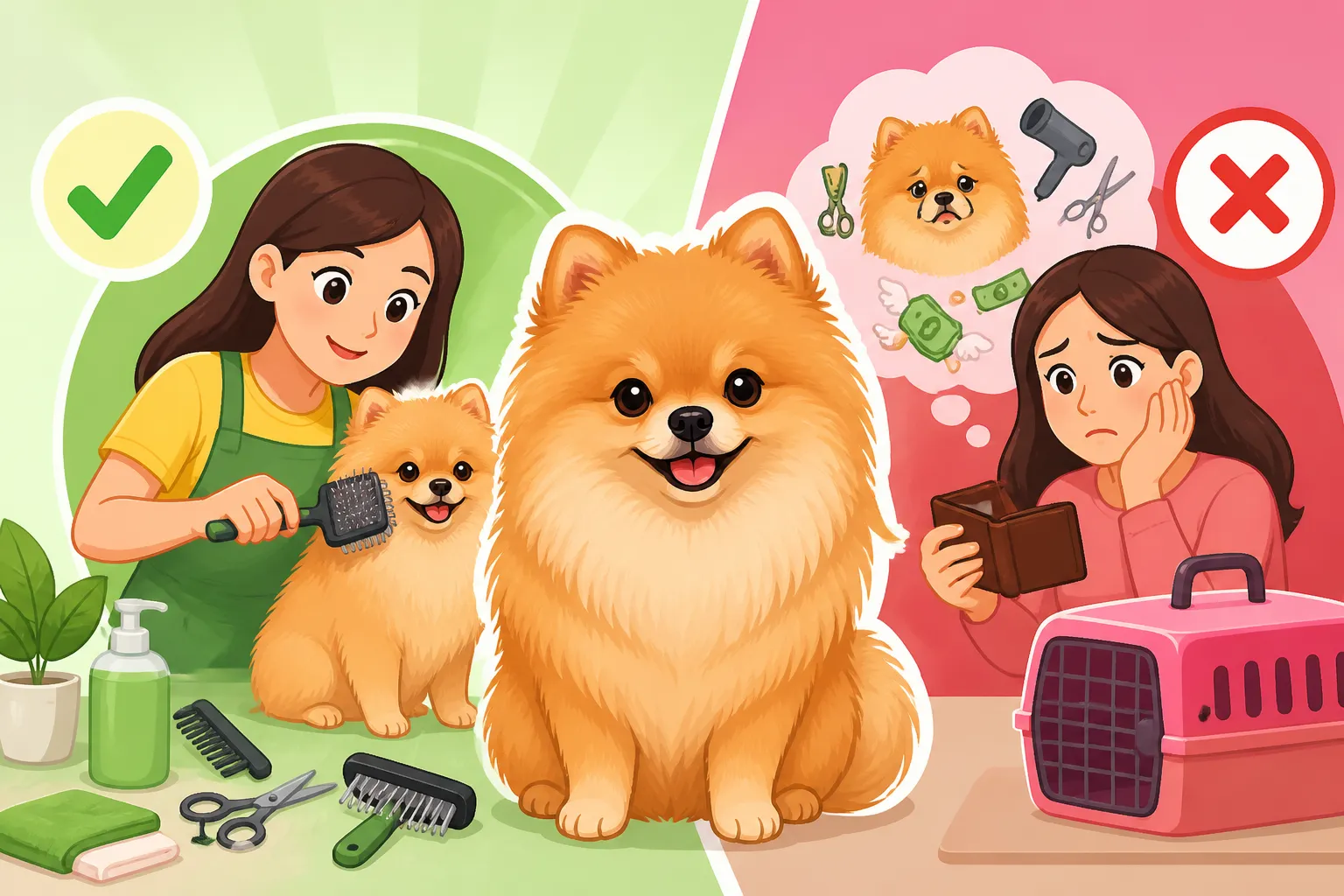
The incredibly dense and luxurious double coat of a Pomeranian is a true showstopper, but maintaining that magnificent fluff can feel like a never-ending expense if you're regularly booking professional grooming appointments. Many of us find ourselves budgeting a significant sum every few weeks or months, and that cost certainly adds up over a year! This guide will delve into exactly how much financial relief you can find by taking on your Pomeranian's grooming right at home, outlining the essential steps and tools to keep your little companion looking pristine without draining your wallet.
Understanding Professional Grooming Costs
Let's be honest, those professional grooming bills can be a bit shocking when they land. You're paying for expertise, convenience, and a pristine finish, but for many Pomeranian owners, it feels like a luxury that quickly becomes a necessity. Understanding what you’re paying for can highlight where the savings truly lie when you switch to home grooming.
The Routine Schedule and Its Impact
Pomeranians, with their glorious double coats, generally need professional grooming every 4 to 8 weeks, depending on how well you maintain their coat at home between visits. A full groom typically includes a thorough brush-out, bath, blow-dry, nail trim, ear cleaning, and often a sanitary trim and paw pad trim. If you're going every six weeks, that's over eight appointments a year. Each of these appointments, even for a tiny dog, commands a certain fee. When you multiply that by the number of visits required to keep a Pom's coat in tip-top condition, you start to see why What a Year of Pomeranian Grooming Adds Up To can be a truly eye-watering figure. This consistent expenditure forms the bulk of what home grooming aims to mitigate.
Hidden Costs and Upcharges
Beyond the standard full groom price, professional groomers often have additional charges that can inflate your bill without you realizing it. Matting fees are incredibly common for Pomeranians, whose thick undercoats are prone to tangles if not brushed regularly and correctly. If your Pom arrives at the salon with even moderate matting, you could see a significant surcharge. Specialty shampoos for sensitive skin or de-shedding treatments, express services for anxious dogs, or even just a request for a specific "teddy bear cut" can all add to the base price. These are the kinds of services that, with a little knowledge and the right tools, you can easily provide for your dog at home, circumventing those frustrating extra charges entirely.
The Initial Investment in Home Grooming Tools
Deciding to groom your Pomeranian at home isn't just about saving money in the long run; it's also about making a smart initial investment in the right equipment. Think of it as setting up your own mini-salon right in your bathroom or laundry room. While there's an upfront cost, these tools are often one-time purchases that will last for years, quickly paying for themselves when compared to even a few professional grooming appointments. If you're wondering Tools a Pomeranian Owner Buys to Groom at Home, this section breaks down the essentials.
Essential Brushes and Combs
Your arsenal should start with a good quality slicker brush and a metal greyhound comb. The slicker brush is your primary tool for separating and detangling the outer coat and bringing up the undercoat. It’s crucial for getting down to the skin without scratching your Pom. The metal comb, with both wide and fine teeth, is indispensable for checking your work and ensuring there are no hidden mats, especially around the ears, armpits, and britches. A sturdy pin brush can also be useful for fluffing and finishing. You can find excellent options for these essential tools at pet supply retailers like Chewy, which often stock a wide range of reputable grooming brands.
Shampoos, Conditioners, and Sprays
Never, ever use human shampoo on your Pomeranian. Their skin pH is different, and it can cause irritation and dryness. Invest in a high-quality, pH-balanced dog shampoo, preferably one formulated for double coats or sensitive skin. A good conditioner is also a must to help moisturize the coat and prevent tangles, making future brushing much easier. Detangling sprays can be a lifesaver for stubborn knots between baths. While these are ongoing purchases, the cost per bath is minimal compared to what a groomer charges for their products and time.
Clippers, Scissors, and Nail Care
While you might not be giving your Pomeranian a full body clip at home, a small pair of blunt-tipped grooming scissors is essential for sanitary trims, tidying paw pads, and carefully trimming any unruly hairs around the face. For nails, you have a choice: traditional clippers or a rotary tool (like a Dremel). Many owners find the Dremel less stressful for their Poms and it provides a smoother finish. Learning to use these tools safely is paramount, but once mastered, you'll eliminate those separate nail trim fees.
The Drying Dilemma
This is perhaps the biggest piece of equipment many home groomers consider. A high-velocity pet dryer might seem like an extravagance, but it's a game-changer. Unlike human hair dryers, pet dryers produce a high volume of air without excessive heat, efficiently blowing out water and loose undercoat while preventing heat damage. This is especially vital for a double-coated breed like the Pomeranian to prevent skin issues. While a human hair dryer on a cool setting can work in a pinch for very small areas, a dedicated pet dryer will drastically cut down drying time and give you that professional fluffy finish, all while protecting your dog's delicate coat.
Step-by-Step Home Grooming for Savings
Now that you have your tools, let's talk about the process. Home grooming isn't just about slapping some shampoo on your dog; it's a methodical process that, when done correctly, rivals a professional job and makes your Pom feel amazing. The key to saving money here is consistency and attention to detail.
Mastering the Brush-Out
Before any bath, a thorough brush-out is non-negotiable. This prevents mats from becoming even tighter when wet, which can be painful for your dog and impossible to remove without shaving. Using your slicker brush, perform a technique called "line brushing." This involves parting the coat and brushing in small sections, from the skin out, layer by layer, until you can run your metal comb smoothly through the entire section. Focus on areas prone to matting like behind the ears, under the legs, and the "britches" around their rear. If you want to dive deeper, learning to effectively brush can be a lifesaver; check out how to master Working a Pomeranian's Coat in Sections to the Skin.
The Art of the Bath
Once brushed, it's bath time! A kitchen sink or a laundry tub is often the perfect size for a Pomeranian. Make sure the water is lukewarm, never too hot or cold. Wet your Pom thoroughly, then apply a small amount of dog shampoo, working it gently into the coat. Focus on lathering without scrubbing too vigorously, as this can cause tangles. Rinse, rinse, and rinse again until no suds remain – residual shampoo can irritate the skin and dull the coat. If you’re curious about the specifics, learning Washing a Pomeranian in a Kitchen Sink can provide excellent tips for making bath time stress-free and effective.
Drying for Volume and Health
This is where many home groomers either excel or struggle. Improper drying can lead to matting, skin irritation, and even a flattened coat. After the bath, gently squeeze out excess water with your hands, then blot (don't rub!) with a microfibre towel. Next, use your high-velocity dryer on a cool or low-heat setting, directing the air close to the skin while constantly brushing the coat in the opposite direction of growth. This technique helps to lift the coat, dry the undercoat thoroughly, and achieve that iconic fluffy Pomeranian look. It takes patience, but the results are worth it. For a comprehensive guide on achieving that perfect fluff without damage, explore Blow Drying a Pomeranian's Coat Out Straight.
Trimming and Tidying
While you may not be sculpting elaborate patterns, certain trims are essential for your Pom's comfort and hygiene. Sanitary trims involve carefully clipping the fur around your dog's rear to keep it clean, especially after bathroom breaks. Trim the hair between their paw pads to prevent slipping and debris accumulation. You can also tidy up around their ears and feet for a neat appearance. Always use blunt-tipped scissors and exercise extreme caution. These small, regular trims make a big difference and save you from specific upcharges at the groomer. If you need guidance on how to perform these important touch-ups, refer to our advice on Sanitary Trimming on a Pomeranian.
Nail Care and Ear Cleaning
Regular nail trims are crucial not only for comfort but also for preventing painful foot issues and bad posture. If you're using clippers, only take off the very tip of the nail, being careful to avoid the quick (the pink part containing nerves and blood vessels). If you're unsure, ask your vet or a professional groomer to show you the first time. For ear cleaning, use a veterinarian-approved ear cleaner and a cotton ball. Gently wipe the visible parts of the ear, never inserting anything deep into the ear canal. Regular checks can help you catch potential ear infections early.
Long-Term Financial and Health Benefits
Beyond the immediate satisfaction of a beautifully groomed Pomeranian, taking over the grooming duties at home offers substantial long-term benefits for both your wallet and your pet's well-being. It’s an investment in their health and your shared future.
Annual Savings Breakdown
Let's put some perspective on those savings. While I can't give you exact dollar amounts, consider the typical costs. A professional groom can easily run a significant amount for a Pomeranian, and if you're taking your dog in every 6-8 weeks, that’s about 6-8 full grooms a year. Add in potential de-matting fees, special shampoos, or expedited services, and those numbers climb even higher.
Compare that to the initial investment in quality home grooming tools: a good slicker brush, metal comb, dog-specific shampoo and conditioner, nail clippers or a Dremel, and perhaps a pet-specific high-velocity dryer. Most of these are one-time purchases that will last years. Your ongoing costs are primarily shampoo, conditioner, and occasional blade sharpening for clippers.
The difference in annual expenditure is remarkable. You might spend a substantial sum upfront for quality tools, but after just a few months, you'll have likely recouped that cost compared to what you would have spent at the salon. The subsequent years become almost pure savings, paying only for replenishment of consumables.
| Grooming Aspect | Professional Cost (Annual Estimate) | Home Grooming Cost (Annual Estimate) | Potential Annual Savings |
|---|---|---|---|
| Full Groom (6-8 times/year) | Multiple appointments, significant per visit | Initial tool investment, minimal product cost | Substantial |
| Routine Brushing (weekly) | Optional de-shedding add-ons | Minimal cost for brushes/sprays | High |
| Nail Trims (monthly) | Small fee per visit, but adds up | Minimal cost for clippers/Dremel | Moderate |
| Ear Cleaning (as needed) | Typically included, but can be separate | Minimal cost for cleaner/cotton | Low |
| Total Annual Cost Shape | A recurring, considerable expense | Largely upfront, then minimal | Significant overall |
Early Detection of Health Issues
One of the most profound benefits of regular home grooming is the intimate knowledge you gain of your Pomeranian's body. As you brush, bathe, and trim, you're running your hands over every inch of their skin. This tactile connection allows you to spot changes early: a new lump, a patch of dry or irritated skin, fleas or ticks, unusual discharge from their ears, or any discomfort when you touch a particular area. Detecting these issues early can lead to quicker veterinary intervention, which often means simpler, less expensive treatments and a better prognosis for your pet. It’s preventative care disguised as pampering.
Strengthening Your Bond
Grooming can be a deeply bonding experience if approached with patience and positivity. When you consistently handle your Pomeranian gently, provide treats, and make the process pleasant, they learn to trust you in a profound way. This trust translates into other areas of their life, making vet visits, car rides, and even just casual handling much easier. Your Pomeranian learns that your touch means comfort and care, not just restraint. Building this kind of rapport is invaluable. For tips on making handling a positive experience, consider exploring Getting a Pomeranian Through an Exam Calmly.
Overcoming Home Grooming Challenges
Let's be realistic: home grooming isn't always a walk in the park. There will be challenges, especially when you're first starting out. Your Pomeranian might not be thrilled about the process, and you might feel a bit clumsy with the tools. But with persistence and the right approach, these hurdles are entirely surmountable.
Dealing with a Fussy Pomeranian
Some Pomeranians, particularly if they haven't been regularly groomed from a young age, can be quite vocal or squirmy during grooming sessions. Patience is your greatest tool here. Start with short sessions, focusing on just one part of their body, like a quick brush of their back. Use plenty of positive reinforcement: praise, gentle pets, and high-value treats. Companies like Ollie offer delicious, healthy treats that can be perfect for rewarding good behavior during grooming. Gradually increase the duration and intensity of the sessions as your Pom becomes more comfortable. If your Pomeranian is particularly resistant, especially to brushing, you might find our article on A Pomeranian That Screams During Brushing particularly helpful. Never resort to force or punishment, as this will only make your dog fear grooming even more.
Time Commitment and Learning Curve
Home grooming, particularly a full bath and blow-dry, is a time commitment. For a Pomeranian, it could easily take an hour or two, especially when you're learning. Don't expect to be an expert overnight. Your first few attempts might be a bit messy, and your Pom might not look quite as polished as they do after a professional groom. That's perfectly okay! Every session is a learning opportunity for both you and your dog. Focus on consistency and making progress, rather than perfection. The more you practice, the more efficient and skilled you'll become.
Preventing Mats and Tangles
The Pomeranian's double coat is beautiful but prone to matting. The biggest challenge for home groomers is often keeping tangles at bay between baths. This requires regular, thorough brushing—not just on the surface, but down to the skin. Aim for 2-3 times a week, or even daily for Poms with very dense coats or during shedding season. Ignoring a few small knots can quickly lead to painful, large mats that are difficult to remove. Proper brushing techniques, using a detangling spray, and consistent effort are your best defense against matting. If you need a refresher on frequency, consult How Many Times a Week a Pomeranian Is Brushed.
Maximizing Your Savings Beyond Basic Grooming
Home grooming is an excellent starting point for significant savings, but you can extend that cost-efficiency to other areas of your Pomeranian's care. By taking a proactive approach to their overall well-being, you can avoid unexpected expenses and ensure your furry friend lives a long, healthy life.
DIY Dental Care
Dental disease is incredibly common in small breeds like Pomeranians and can lead to expensive veterinary dental cleanings and extractions. Incorporating daily tooth brushing into your routine is one of the best ways to combat this. Using a dog-specific toothbrush and toothpaste, gently brush their teeth every day. This simple habit can drastically reduce plaque and tartar buildup, potentially extending the time between professional dental procedures and saving you a substantial amount of money. For a comprehensive guide, check out Brushing a Pomeranian's Teeth Every Day. Additionally, dental chews specifically designed for small breeds can offer some supplemental benefit, though they are never a substitute for brushing.
Healthy Diet for a Healthy Coat
While not directly a grooming task, feeding your Pomeranian a high-quality, balanced diet plays a huge role in the health and manageability of their coat. A dog with a good diet often has a healthier skin and coat, meaning less dryness, less shedding, and fewer tangles. When you use quality ingredients, you’re nurturing their coat from the inside out, making your grooming efforts more effective and potentially reducing the need for specialized skin or coat supplements. Brands like Ollie, for instance, focus on fresh, human-grade ingredients that contribute to overall vitality, which can directly reflect in a shinier, healthier coat that's easier to maintain. Understanding The Protein a Pomeranian's Coat Needs can guide your food choices.
Preventative Care
Your hands-on approach to grooming means you're more likely to notice subtle changes in your Pomeranian's health. Beyond lumps and skin issues, you might detect changes in their weight, coat quality, or even mood during your regular grooming sessions. This heightened awareness allows you to address minor concerns before they escalate into major, expensive health problems. For instance, maintaining a healthy weight through diet and exercise can prevent issues like Whether Weight Gain Worsens a Pomeranian's Windpipe or joint problems later in life, which can involve costly treatments. By combining diligent home grooming with overall proactive care, you’re investing in a happier, healthier Pomeranian and significantly reducing your lifetime pet care costs.
Disclaimer
This article is for general informational purposes only and does not constitute professional advice. Laws, prices and regulations vary by location and change over time. Consult a qualified professional for guidance on your specific situation.