What Extracting a Pomeranian’s Retained Canines Costs
Finding out your adorable Pomeranian puppy has retained canine teeth can be a real punch to the gut. You picture those tiny, perfect adult teeth coming in, only to realize the baby ones are stubbornly holding on, creating a crowded, uncomfortable situation in that little mouth. This guide is here to walk you through what retained canines are, why they're such a common issue for Poms, and most importantly, what to expect when it comes to the cost of getting those pesky baby teeth extracted to protect your furry friend's oral health.
Understanding Retained Canines in Pomeranians
It's a surprisingly common scenario. You bring home your fluffy bundle of joy, watching them grow, and then one day you notice it: two canine teeth, one baby and one adult, trying to occupy the same tiny space. It's not just an aesthetic concern; it’s a significant health issue that needs to be addressed for your Pomeranian's long-term well-being.
What Are Retained Canines and Why Do Poms Get Them?
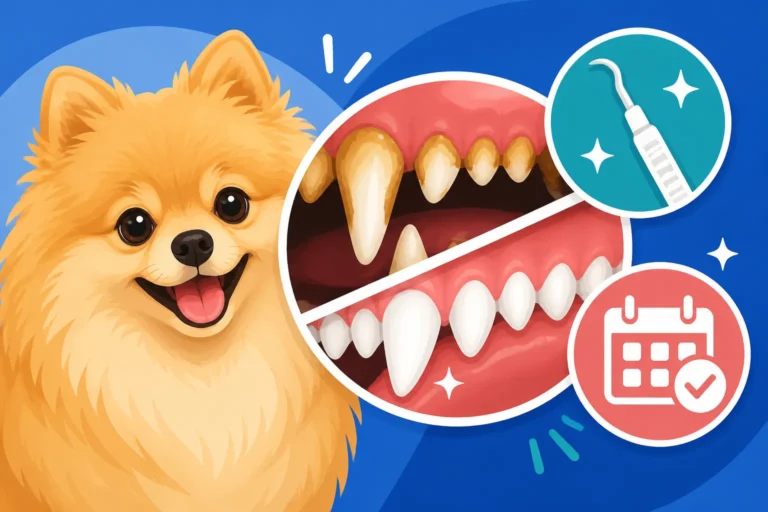
Normally, a puppy's deciduous (baby) teeth fall out as their permanent adult teeth erupt. The roots of the baby teeth are absorbed by the body, allowing them to loosen and make way for the adult set. However, in many small and toy breeds, like our beloved Pomeranians, this process doesn't always go according to plan. A retained canine occurs when the baby canine tooth fails to fall out, even after the permanent canine tooth has started to emerge.
Pomeranians, with their exquisitely delicate and small jaws, are particularly prone to this. There simply isn't a lot of real estate in there! This genetic predisposition means that sometimes, the baby tooth roots don't resorb properly, or the adult tooth doesn't grow in precisely the right spot to push the baby tooth out. It's not your fault, and it's certainly not your Pom's. It's just a common anatomical quirk of the breed. You might start noticing this around four to six months of age when the adult canines typically begin to come in. Don't panic, but do make a note to discuss it with your vet.
The Risks of Leaving Retained Canines Untreated
While it might seem tempting to "wait and see" if the baby tooth eventually falls out, especially given the thought of veterinary intervention, leaving retained canines untreated carries significant risks for your Pomeranian. The primary concern is dental crowding. When two teeth try to occupy the space meant for one, food particles and plaque easily get trapped between them. This creates a perfect breeding ground for bacteria, leading to accelerated plaque and tartar buildup, gingivitis, and eventually, severe periodontal disease. Imagine trying to keep a tiny, cramped space clean—it's a losing battle.
Beyond plaque, the improper alignment caused by retained teeth can lead to direct trauma. The adult tooth might erupt in an abnormal position, potentially chewing into the gums, the roof of the mouth, or even the opposing tooth, causing chronic pain, inflammation, and infection. This is incredibly uncomfortable for your dog and can lead to more complex, painful, and costly dental problems down the line. It's a bit like having an ingrown toenail, but in their mouth, all the time. Your vet will explain that addressing The Baby Canines a Pomeranian Fails to Lose promptly is key to preventing these cascading issues and preserving your Pom's overall dental health for years to come.
Breaking Down the Costs of a Pomeranian Canine Extraction
Let's talk brass tacks. When you hear "surgery" and "Pomeranian" in the same sentence, your mind likely leaps straight to the dollar signs. And it's true, veterinary dental procedures are an investment. However, understanding what goes into that cost can help you prepare and appreciate the comprehensive care your little one will receive. It's not just about pulling a tooth; it's about ensuring their safety and comfort throughout the entire process.
Initial Consultation and Diagnostics
Before any extraction can happen, your Pomeranian will need a thorough veterinary examination. This initial consultation is where your vet will confirm the presence of retained canines and assess the overall health of your dog's mouth. They'll look for signs of inflammation, plaque, and any other concurrent dental issues. This visit usually involves a basic exam fee, much like a regular check-up.
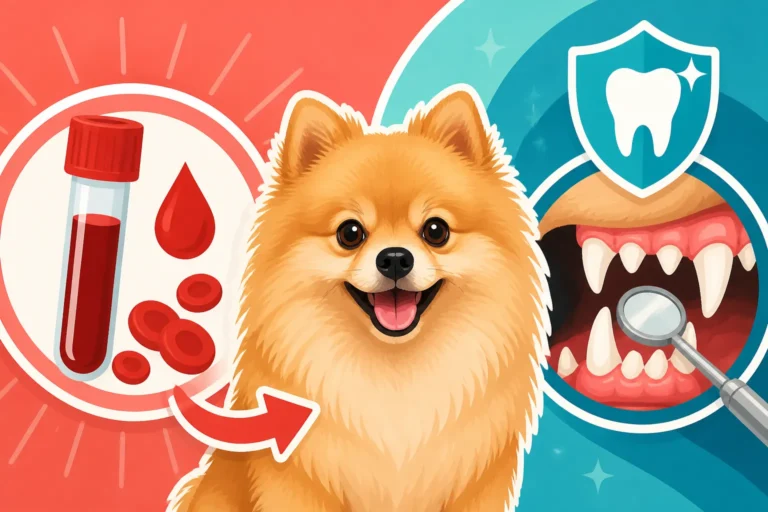
However, for any dental procedure requiring anesthesia, diagnostics are crucial. This typically includes pre-anesthetic bloodwork. For a tiny Pomeranian, knowing their kidney and liver function, and ruling out any underlying conditions, is paramount to ensure they can safely metabolize the anesthesia. This is a vital step because, as any Pom owner knows, our little dogs can be delicate, and understanding Anesthesia Risk in a Four Pound Pomeranian is a big part of responsible care. X-rays are also a non-negotiable part of this stage. Dental X-rays allow the vet to see the roots of both the retained baby tooth and the developing adult tooth, assessing their position, potential damage, and determining the best extraction strategy. Sometimes, those baby tooth roots are surprisingly long and robust! These diagnostics contribute a significant portion to the overall bill, but they are absolutely essential for a safe and effective procedure.
The Extraction Procedure Itself
This is the core of the cost, encompassing the actual surgical removal of the retained canine. The procedure itself involves several critical components:
- Anesthesia: Your Pomeranian will be placed under general anesthesia. This isn't just a simple sedative; it's a carefully monitored state. Anesthetic drugs are administered, and your dog's vital signs—heart rate, breathing, blood pressure, oxygen saturation, and temperature—are continuously monitored by a dedicated veterinary technician throughout the entire procedure. This level of monitoring is essential for tiny dogs, who can be more sensitive to anesthesia.
- Pain Management: Pre-emptive pain medication is often given, followed by additional pain relief during and after the procedure. Keeping your Pom comfortable is a high priority.
- The Extraction: The veterinarian will carefully extract the retained tooth. This isn't always as simple as a quick pull; sometimes, the tooth is deeply rooted or fractured, requiring surgical flaps and bone removal, similar to human wisdom tooth extraction. The goal is always to remove the entire tooth, including the root, without damaging the adjacent permanent tooth.
- Suturing: Once the tooth is out, the gum tissue is often carefully sutured closed using dissolvable stitches. This helps with healing and prevents food from entering the extraction site.
- Facility and Equipment: The cost also covers the use of the sterile surgical suite, specialized dental instruments, and anesthetic machines. These are all high-tech pieces of equipment necessary to perform the procedure safely and effectively.
It's a meticulous process, demanding skill and precision, especially when working in such a small mouth where every millimeter counts.
Post-Operative Care and Medication
The care doesn't stop once the tooth is out. Post-operative care is a crucial part of your Pomeranian's recovery and is factored into the overall cost. This typically includes:
- Medications: Your vet will likely send you home with a course of pain medication (often an NSAID or another analgesic) to manage any discomfort, and sometimes antibiotics to prevent infection. These might be liquid or tiny pills, but ensuring your Pom takes them as directed is key to their healing.
- Follow-up Appointments: A recheck appointment, usually within 7-14 days, is often necessary to ensure the extraction site is healing well and there are no complications. This might be a quick exam or involve checking sutures.
- Soft Food Diet: You'll likely need to feed your Pomeranian soft food for a period, which might mean a temporary change from their regular kibble. Many pet supply stores, including Chewy, offer a variety of soft food options or specific post-dental diets to make this easier.
- At-Home Care Instructions: You'll receive detailed instructions on how to care for your Pom's mouth, what to watch out for, and how to gently resume their regular dental hygiene routine once cleared by the vet.
It's all part of ensuring a smooth, comfortable recovery for your furry family member.
Here's a general breakdown of typical cost components, keeping in mind that specific figures will vary greatly:
| Cost Component | Description | Impact on Bill |
|---|---|---|
| Initial Exam/Consultation | Vet assesses the retained canine and overall oral health. | Moderate |
| Pre-anesthetic Bloodwork | Screens for underlying health issues to ensure anesthesia safety. | Moderate to High (Crucial for tiny breeds) |
| Dental X-rays | Essential to visualize tooth roots and surrounding bone, guide extraction. | Moderate |
| Anesthesia & Monitoring | Drugs, gas, dedicated tech, monitoring equipment (heart rate, oxygen, etc.). | High (Continual, skilled observation) |
| Extraction of Canine(s) | Surgical removal, including possible bone work and suturing. | High (Depends on complexity & number of teeth) |
| Pain Medication | Administered during and after procedure for comfort. | Moderate |
| Antibiotics | Prescribed to prevent post-operative infection. | Low to Moderate |
| Follow-up Exam | Recheck of extraction site to ensure proper healing. | Low to Moderate (Sometimes included in initial cost or separate) |
Factors Influencing the Cost of Extraction
The price tag for a retained canine extraction isn't a one-size-fits-all number. Several factors can significantly influence the final bill. It's why getting a detailed estimate from your veterinary clinic is always the best first step.
Geographic Location and Clinic Type
Just like human healthcare, veterinary costs can fluctuate based on where you live. Clinics in major metropolitan areas, for example, often have higher overheads (rent, staff wages) than those in more rural or suburban settings, and these costs are reflected in their service fees. A bustling city practice in New York or Los Angeles might charge more than a small-town clinic in the Midwest, simply due to the differing economies of scale.
Beyond location, the type of clinic also plays a role. A general practice veterinary clinic will typically have different pricing than a specialized veterinary dental clinic. While a general vet is perfectly capable of performing routine extractions, a dental specialist might be called upon for extremely complex cases or if your Pomeranian has other intricate oral health issues. Specialist care often comes with a higher price point due to their advanced training, specialized equipment, and focus. Always ask if your general vet is comfortable with the procedure or if they recommend a referral.
Severity and Number of Retained Teeth
The complexity of the extraction itself is a major cost driver. Is it just one solitary retained baby canine, or are there multiple retained teeth? Sometimes, it's not just the canines but also incisors or premolars that haven't fallen out. Each additional tooth, especially if it requires a surgical extraction, adds to the procedure time, anesthetic time, and the resources used. A simple extraction where the tooth is somewhat loose will naturally cost less than a deeply impacted tooth with long roots that requires significant bone removal and careful manipulation to avoid damaging the permanent tooth.
Furthermore, if the retained tooth has already caused significant damage, such as a severe infection, gum disease around it, or damage to the permanent tooth, the procedure might become more involved. This could mean more extensive cleaning, additional medications, or even more advanced surgical techniques, all of which will impact the final cost. It's a prime example of why early intervention is often the most cost-effective approach in the long run.
Anesthesia Protocols and Monitoring
This is a critical area where you absolutely do not want to cut corners, especially with a tiny breed like a Pomeranian. The quality of anesthesia and monitoring can vary between clinics, and these differences directly influence the cost. A higher standard of care means more sophisticated equipment and highly trained personnel.
A clinic committed to safety will use advanced anesthetic agents that are easily reversible and less taxing on tiny organs. They will employ dedicated veterinary technicians whose sole job during the procedure is to monitor your Pomeranian's vital signs meticulously: heart rate, respiratory rate, blood pressure, oxygen saturation, temperature, and even CO2 levels. They'll have intravenous fluids running to maintain hydration and blood pressure, and often a warming blanket to prevent hypothermia, which small dogs are particularly prone to under anesthesia. These extra layers of precaution and expertise, while adding to the bill, are invaluable for minimizing the risks associated with anesthesia, offering you greater peace of mind that your little one is as safe as possible. When considering Whether a Pomeranian Needs Pre-Anesthetic Bloodwork, remember these protocols are all part of that safety net.
Age and Health of Your Pomeranian
Your Pomeranian's overall health and age can also influence the cost of the procedure. A healthy, young Pomeranian puppy with no other medical issues will generally be a more straightforward anesthetic candidate compared to an older Pom or one with pre-existing health conditions. For instance, a senior Pomeranian, or one diagnosed with a heart murmur or kidney issues, will require more extensive pre-anesthetic testing and a more specialized anesthetic protocol. This might include more comprehensive blood panels, chest X-rays, or even a cardiac consultation with a specialist before the procedure.
These additional tests and consultations are put in place to ensure the safest possible outcome for your pet, but they do add to the overall expense. Think of it as tailoring the safety measures to your individual dog's needs. A responsible veterinary team will always prioritize your Pomeranian's health above all else, which sometimes means more upfront diagnostic work to mitigate risks.
Managing and Preparing for the Veterinary Bill
The thought of a significant vet bill can be stressful, but there are ways to prepare and manage the financial aspect of your Pomeranian's retained canine extraction. Proactive planning can make a world of difference.
Pet Insurance and Dental Coverage
Pet insurance can be a real lifesaver when unexpected veterinary expenses arise, and dental issues are notoriously common in small breeds. However, it's crucial to understand how pet insurance, like plans offered by Healthy Paws, handles dental coverage. Many standard accident and illness policies will cover dental extractions if they are deemed medically necessary due to injury or illness. Retained canines usually fall under this category.
However, there's a catch: most policies have waiting periods, and pre-existing conditions are almost universally excluded. This means if your Pomeranian is diagnosed with retained canines before you enroll in a policy or before the waiting period is over, the extraction might not be covered. Some policies offer optional wellness riders that might cover routine dental cleanings or even some preventative dental care, but retained tooth extraction is usually considered a surgical procedure falling under the accident/illness portion. It's always best to get pet insurance for your Pomeranian as early as possible, ideally before any health issues arise. Make sure to read the fine print and clarify with the provider exactly what their dental coverage entails, especially concerning extractions and if What Pet Insurance Runs on a Pomeranian is a concern for your budget.
Payment Plans and Veterinary Financing
If you don't have pet insurance, or if your policy doesn't cover the full cost, don't despair. Many veterinary clinics understand that pet owners can face unexpected financial burdens. They may offer in-house payment plans, allowing you to pay the bill in installments. It never hurts to ask!
Additionally, there are third-party financing options available specifically for veterinary care, such as CareCredit. These programs often function like a credit card for healthcare expenses, allowing you to pay for treatments over time, sometimes with deferred interest options if paid within a certain period. Applying for one of these before your Pomeranian's procedure can provide a much-needed financial safety net. Being open and honest with your vet about your financial concerns is important; they want to help your pet and can often guide you toward available resources.
The Long-Term Value of Prevention
While extracting retained canines is a specific surgical need, it highlights the broader importance of excellent dental care for your Pomeranian throughout their life. Investing in daily preventative measures now can save you significant money and heartache on more complex dental problems down the road. Daily Tooth Care in a Pomeranian's Crowded Mouth is non-negotiable for this breed.
This includes daily tooth brushing with a pet-specific toothpaste, which is the gold standard for preventing plaque and tartar buildup. Look for products and small toothbrushes perfect for tiny mouths at stores like Chewy. Dental chews and water additives can be supplementary, but they don't replace brushing. Regular professional dental cleanings under anesthesia, as recommended by your vet, are also vital to address plaque and tartar below the gumline before it leads to serious periodontal disease, which can be far more expensive and invasive to treat than a simple extraction. Even feeding a high-quality diet, perhaps like those offered by Ollie (if appropriate for your dog's age and health, always check with your vet!), contributes to overall health, which in turn supports better dental health. Prevention isn't just about saving money; it's about giving your Pomeranian the longest, healthiest, and most comfortable life possible.
Disclaimer
This article is for general informational purposes only and does not constitute professional advice. Laws, prices and regulations vary by location and change over time. Consult a qualified professional for guidance on your specific situation.