What Bloodwork Adds Before a Pomeranian Dental
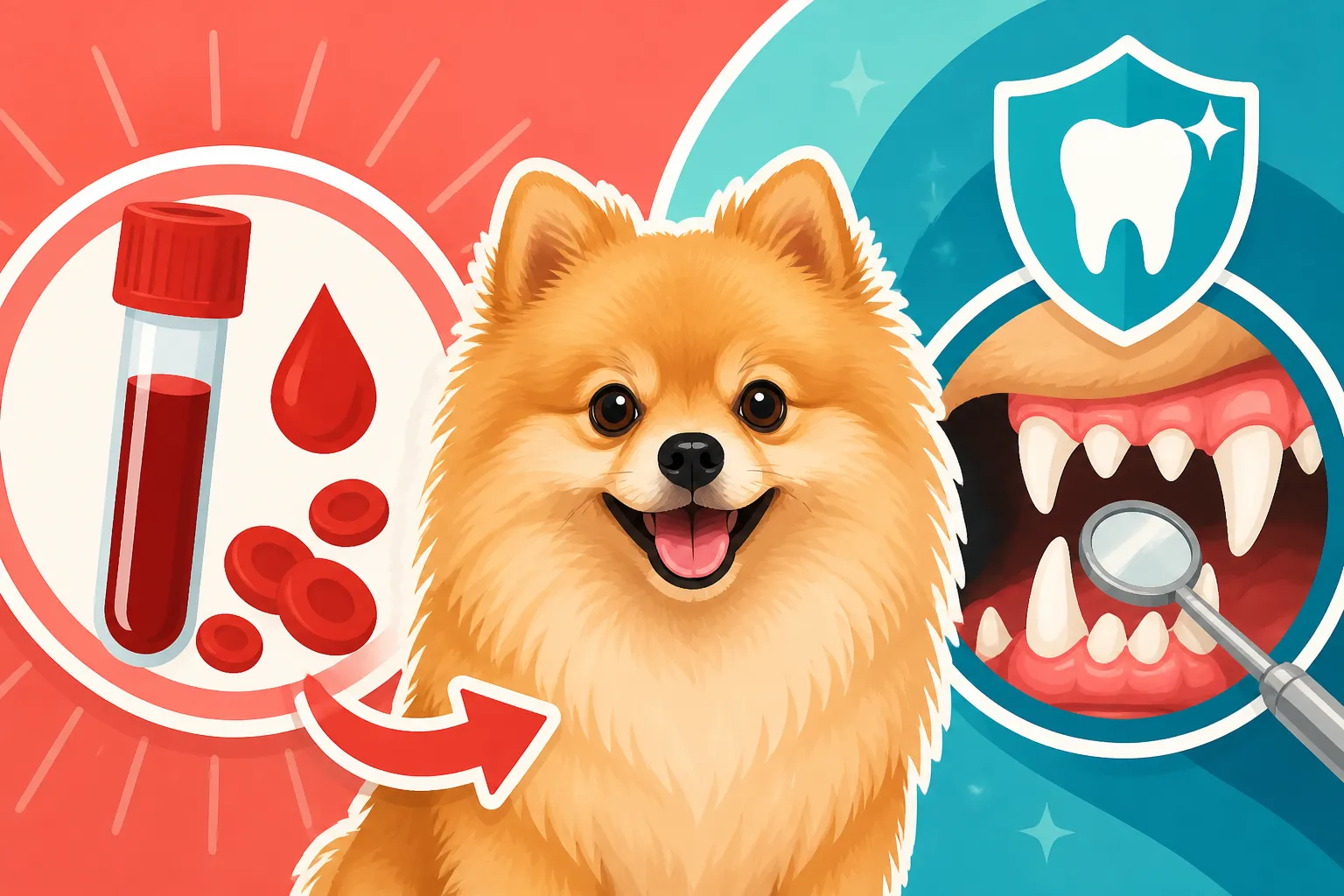
It's an unfortunate truth that owning a Pomeranian, while incredibly rewarding, often comes with a laundry list of health considerations and, by extension, costs that can catch even the most diligent owner off guard. One of those moments of head-scratching and worry often comes when your vet recommends pre-dental bloodwork before a routine teeth cleaning. You might find yourself wondering, "Is this really necessary for my tiny fluffball, and what exactly is it going to add to an already significant bill?" This guide is here to shed light on why this bloodwork is so crucial for your beloved Pomeranian, what it entails, and how you can better understand and manage the associated costs.
Why Pre-Dental Bloodwork Isn't Optional for Your Pomeranian's Safety
When your vet suggests bloodwork before a dental procedure, it's not just an upsell; it's a vital step in ensuring your Pomeranian's safety under anesthesia. These little dogs, with their vibrant personalities and sometimes surprisingly delicate constitutions, require extra precautions. Dental cleanings aren't just about sparkling teeth; they involve general anesthesia, and that's where the risk assessment truly begins.
Unmasking Hidden Health Concerns
Think of pre-anesthetic bloodwork as a peek behind the curtain of your Pomeranian's internal health. These tiny dogs, while robust in spirit, can be prone to certain health issues that might not be visible from the outside. For instance, some Pomeranians might be living with a mild heart murmur, a nascent kidney issue, or an undiagnosed liver problem that could complicate how their body processes anesthetic drugs. A Heart Murmur Heard on a Pomeranian Puppy could be present from a young age, or develop later in life.
Without bloodwork, your vet is essentially flying blind. They wouldn't know if your Pom's kidneys are struggling to filter toxins, which could mean anesthetic drugs linger in their system longer, leading to a slower, riskier recovery. Or perhaps their liver isn't functioning optimally, making it difficult to metabolize the drugs. These hidden issues, if left undetected, can turn a routine dental cleaning into a life-threatening event. The blood tests give the veterinary team crucial information, allowing them to make informed decisions and prevent potential complications before they even arise. It's about proactive care, not just reactive treatment.
Tailoring Anesthesia for Tiny Bodies
Pomeranians, by virtue of their small size, have unique physiological characteristics that make anesthesia a more nuanced process than it might be for a larger dog. Their smaller blood volume, faster metabolism (in some cases), and sometimes less robust organ systems mean that anesthetic dosages must be incredibly precise. What's a safe dose for a fifty-pound retriever could be fatal for a five-pound Pomeranian.
The results from the pre-dental bloodwork provide your veterinary team with the critical data needed to customize the anesthetic protocol specifically for your Pomeranian. They can choose safer drug combinations, adjust dosages to account for kidney or liver function, and even plan for specific fluid support during the procedure. This personalized approach significantly reduces the risks associated with anesthesia, making the dental cleaning as safe as possible for your beloved companion. It's about protecting their tiny, precious body during a procedure that's essential for their overall health, as Anesthesia Risk in a Four Pound Pomeranian can be a serious concern.
A Baseline for Future Health
Beyond the immediate safety of the dental procedure, pre-anesthetic bloodwork serves another invaluable purpose: it establishes a baseline for your Pomeranian's health. The numbers from these initial tests — liver enzymes, kidney values, blood cell counts, and more — create a personal health record. This record becomes incredibly useful for future vet visits, especially as your Pomeranian ages.
Imagine your Pomeranian develops a new symptom a few years down the road, perhaps showing signs of lethargy or changes in appetite. Your vet can then compare new bloodwork results against this established baseline. Subtle shifts that might otherwise be dismissed as normal aging can be flagged because they deviate from your dog's personal healthy values. This allows for earlier detection of diseases like kidney disease or A Pomeranian Whose Thyroid Has Slowed, potentially leading to more effective and less invasive treatments. It's a long-term investment in your Pomeranian's health, giving your vet a clearer picture of what "normal" looks like for them.
Breaking Down the Components of Pomeranian Pre-Dental Bloodwork
When your vet talks about "bloodwork," it's not just one single test. It's usually a panel of tests, each designed to provide specific insights into different aspects of your Pomeranian's health. Understanding what each component measures can help you appreciate why these tests are so important.
The Complete Blood Count (CBC): What It Tells Us
The Complete Blood Count, or CBC, is a foundational test that gives your vet a detailed look at the different cells circulating in your Pomeranian's blood. It examines red blood cells, white blood cells, and platelets.
- Red Blood Cells: These carry oxygen throughout the body. An abnormally low count could indicate anemia, which can impact how well your Pomeranian tolerates anesthesia and recovers. High counts might point to dehydration.
- White Blood Cells: These are the body's immune fighters. Elevated levels can signal infection or inflammation, which could be anything from a hidden infection in the mouth that needs antibiotics before dental work, to a systemic inflammatory response. Abnormally low counts could indicate a weakened immune system, making your Pom more vulnerable.
- Platelets: These are crucial for blood clotting. A low platelet count could mean your Pomeranian is at risk of excessive bleeding during or after the dental procedure, a significant concern in such small dogs.
For a Pomeranian, who might be battling Dental Disease in a Mouth the Size of a Pomeranian's with potential underlying infections, a CBC provides essential information about their immune response and clotting ability, both of which are critical for a safe surgical experience.
The Chemistry Panel: Liver, Kidneys, and Beyond
The chemistry panel is like a broad diagnostic sweep, providing insights into organ function and metabolic health. This panel typically includes tests for:
- Kidney Function (BUN and Creatinine): These values indicate how well your Pomeranian's kidneys are filtering waste products from their blood. Impaired kidney function means anesthetic drugs might be eliminated more slowly, increasing their impact.
- Liver Function (ALT, ALP, Bilirubin): The liver is vital for metabolizing drugs and producing essential proteins. Abnormal liver values can signal liver disease, which can significantly affect how your Pomeranian processes anesthesia and recovers.
- Blood Glucose (Sugar): This is particularly important for small breeds like Pomeranians. Hypoglycemia (low blood sugar) is a real concern, especially in young or stressed Poms, and it can be exacerbated by fasting before surgery. Identifying this beforehand allows the vet to take preventative measures. Issues like Blood Sugar Crashes in a Pomeranian Puppy can have lifelong implications, so knowing their glucose levels is critical.
- Electrolytes (Sodium, Potassium, Chloride): These minerals are crucial for nerve and muscle function, and maintaining proper hydration. Imbalances can indicate dehydration, kidney issues, or other metabolic problems that need to be addressed before anesthesia.
- Protein Levels (Total Protein, Albumin, Globulin): These can give clues about hydration, liver function, and inflammation. Albumin, in particular, is important because many anesthetic drugs bind to it in the bloodstream. Low albumin can mean a higher effective concentration of certain drugs, requiring dosage adjustments.
A comprehensive chemistry panel gives your vet a clear picture of how your Pomeranian's internal organs are functioning, enabling them to make informed decisions about the safest anesthetic protocol.
Thyroid Screening for Our Little Fluffs
While not always included in a basic pre-dental panel, thyroid screening, particularly for hypothyroidism (underactive thyroid), is often recommended for Pomeranians, especially as they get older. Hypothyroidism can affect metabolism, heart rate, and even how a dog responds to stress and anesthesia.
An underactive thyroid can slow down the body's systems, potentially affecting how quickly anesthetic drugs are processed and eliminated. This could prolong recovery and increase the risk of complications. Furthermore, while Alopecia X Black Skin Disease is often the first thing people think of with Pomeranian coat loss, an underactive thyroid can also be a culprit for thinning hair and other systemic issues. Detecting and managing thyroid issues before a dental procedure ensures your Pomeranian's body is in the best possible state to handle the stress of surgery and anesthesia.
| Bloodwork Component | What It Measures | Why It's Crucial for Pomeranians |
|---|---|---|
| CBC | Red blood cells, white blood cells, platelets | Detects anemia, infection, inflammation, clotting issues |
| Chemistry Panel | Kidney function, liver function, glucose, electrolytes, proteins | Assesses organ health, metabolic balance, sugar regulation |
| Thyroid Screen | Thyroid hormone levels (T4) | Identifies hypothyroidism affecting metabolism and anesthesia response |
Understanding the Cost Factors for Pomeranian Pre-Dental Bloodwork
Now, let's talk about the elephant in the room: the cost. It's frustrating when you're faced with an unexpected expense, especially when you're trying to do the best for your furry family member. The price of pre-dental bloodwork for a Pomeranian can vary significantly, depending on several factors.
Location, Clinic Type, and Vet Expertise
Just like human healthcare, veterinary costs are heavily influenced by geography. A vet clinic in a bustling urban center like New York City or Los Angeles will likely have higher overheads, and thus higher prices, than a clinic in a rural small town. The cost of living and operating a business in different areas directly translates to higher service fees.
The type of clinic also plays a role. A small, independent general practice might have different pricing than a large, multi-doctor hospital or a specialty veterinary center that offers advanced diagnostics and emergency services. While a general practice can typically perform all necessary pre-dental bloodwork, if your Pomeranian has complex underlying conditions, a referral to a specialist might introduce additional diagnostic costs. Finally, the expertise of the veterinary staff, and the technology they use, can also factor into the pricing. Clinics that invest in state-of-the-art in-house lab equipment might charge differently than those sending samples to external labs.
Comprehensive Panels vs. Targeted Tests
Another major factor influencing the cost is the scope of the bloodwork itself. As we discussed, "bloodwork" isn't a single test. There are usually different tiers of panels:
- Basic Pre-Anesthetic Panel: This typically includes a basic CBC and a chemistry panel focusing on key kidney and liver values, and glucose. This is often the minimum recommendation for otherwise healthy, younger Pomeranians.
- Comprehensive Panel: This will usually include a more extensive chemistry panel, checking more enzymes and electrolytes, and potentially adding a thyroid screen, especially for older Pomeranians. This is often recommended for senior Poms or those with known health concerns.
- Additional Tests: Sometimes, based on your Pomeranian's age, breed predispositions, or initial physical exam findings, your vet might recommend additional specific tests. This could include a urinalysis (to assess kidney function more thoroughly), a coagulation panel (if there's a concern about clotting issues beyond what a platelet count tells you), or specific heartworm tests. Each additional test will, of course, add to the overall bill.
It's always a good idea to ask your vet exactly which tests are included in their recommended panel and why. Don't be afraid to ask for a breakdown of the costs.
Navigating Pet Insurance and Wellness Plans
This is where pet insurance can really shine, though it's important to understand the nuances. Many pet insurance providers, like Healthy Paws, focus on accident and illness coverage. This means they'll typically cover unexpected health issues, emergency surgeries, and treatment for chronic conditions.
However, routine or preventative care, such as annual check-ups, vaccinations, and pre-dental bloodwork, may not be covered by a standard accident/illness policy. This is because these are considered predictable costs. This is where wellness plans or preventative care add-ons come in. Some insurance companies or independent providers (like those found through platforms like Chewy) offer these as separate packages that do cover routine services, including bloodwork.
If you have a wellness plan, check its specific terms and conditions. Does it cover pre-anesthetic bloodwork for a dental cleaning? Is there a limit to how much it will reimburse? It's always best to clarify this with your insurance provider before the procedure so you know exactly what to expect in terms of out-of-pocket costs. Remember, insurance aims to mitigate unforeseen costs, so for a planned procedure like a dental, you need to ensure your specific policy covers these preventative steps.
Practical Tips for Managing the Cost and Preparing Your Pomeranian
Facing veterinary bills can be stressful, but there are ways to approach the cost of pre-dental bloodwork for your Pomeranian proactively. And just as importantly, preparing your Pom for the procedure correctly ensures the most accurate results.
Getting Estimates and Comparing Services
Don't be shy about asking for a detailed estimate from your veterinary clinic. It's your right as a pet owner to understand what you're being charged for. Ask for a line-item breakdown of the pre-dental bloodwork, including each specific test if possible. If you're concerned about the cost, you can also politely inquire if they offer different levels of pre-anesthetic screening, such as a more basic panel for a younger, healthier Pomeranian versus a comprehensive panel for an older dog.
While you should always prioritize your vet's recommendation for your specific Pomeranian, it's also acceptable to call a couple of other reputable clinics in your area for comparison. Just be sure you're comparing apples to apples – ensure they're quoting for the same types of tests. Sometimes, the difference can be significant enough to warrant a drive to a different clinic, but often, clinics in the same general area will have comparable pricing for similar services.
Bundled Services and Payment Plans
Some veterinary clinics offer bundled pricing for dental procedures, where the pre-dental bloodwork, anesthesia, cleaning, and sometimes even extractions are included in one package price. This can sometimes be more cost-effective than paying for each service individually. Always ask if such packages are available.
If the cost is still a concern, many clinics understand this and offer payment options. This could include in-house payment plans (though these are less common for smaller procedures like bloodwork), or working with third-party financing solutions. Companies like CareCredit are widely accepted in veterinary practices and allow you to pay off medical bills over time, often with deferred interest if paid within a certain period. Don't hesitate to discuss financial concerns with your vet's office staff; they are often trained to help you explore available options.
Feeding Your Pomeranian Before Bloodwork
One of the most important preparatory steps for pre-dental bloodwork is often overlooked: fasting. Your vet will instruct you on how long your Pomeranian needs to fast (typically 8-12 hours for food, but water is usually permitted). This is crucial for accurate blood test results, particularly for the chemistry panel.
Why fast? Eating before bloodwork can significantly elevate certain values, like blood glucose and certain liver enzymes, making it difficult for the vet to interpret the true state of your Pomeranian's health. A high glucose reading might be due to a recent meal, not actual diabetes. For tiny Poms, who are susceptible to Blood Sugar Crashes in a Pomeranian Puppy, the vet might give specific instructions, perhaps allowing a tiny bit of bland food a few hours before or advising on how to prevent hypoglycemia during fasting. Some owners opt for high-quality, measured meals from services like Ollie, ensuring consistency in their dog's diet, which can also help prevent digestive upsets around vet visits. Always follow your vet's specific instructions to ensure the bloodwork provides the most reliable information for your Pomeranian's dental safety.
Disclaimer
This article is for general informational purposes only and does not constitute professional advice. Laws, prices and regulations vary by location and change over time. Consult a qualified professional for guidance on your specific situation.