What a Pomeranian’s Care Looks Like Past Ten
It's an undeniable truth that as much as we wish our beloved Pomeranians could stay puppies forever, time marches on for everyone, including our fluffy little companions. Seeing your once-boundless ball of energy start to slow down, develop a cough, or hesitate before jumping onto the sofa can be heartbreaking and, frankly, a bit daunting. Knowing what to expect and how to adjust their care as they move into their golden years – typically past ten years old – is key to ensuring their comfort, happiness, and continued quality of life. This guide will walk you through the essential aspects of caring for your senior Pomeranian, from subtle signs of aging to specialized nutrition, adapted grooming, health management, and creating a supportive home environment, so you can embrace this precious new chapter together.
Recognizing the Subtle Signs of Aging in Your Pomeranian
As our Pomeranians age, the changes are often gradual, starting as small, almost imperceptible shifts in their daily routines or physical capabilities. It's not like they wake up one morning completely different; rather, it’s a slow accumulation of minor alterations that, when recognized early, can help you provide better, more proactive care. Paying close attention to these subtle cues is one of the most loving things you can do for your senior Pom.
Changes in Mobility and Activity Levels
One of the first things many owners notice is a change in how their Pomeranian moves. Where they once zipped across the floor, they might now walk with a more deliberate, slower pace. The joyful leaps onto the couch or bed might become hesitant, or they might stop attempting them altogether, opting instead to wait for assistance or find an easier path. You might see them struggle a bit with stairs, perhaps taking them one step at a time, or even refusing them entirely.
This reduced mobility isn't just about slowing down; it can be a sign of underlying joint pain or discomfort. Conditions like arthritis, or the worsening of pre-existing issues such as Slipping Kneecaps in a Five Pound Pomeranian, become more prevalent. Your Pom might also seem less enthusiastic about walks that were once the highlight of their day, preferring shorter strolls or even just a leisurely potter around the garden. It’s important to distinguish between simple slowing down and actual pain, which often manifests as limping, stiffness, or reluctance to be touched in certain areas. Observing these changes allows you to address potential discomfort with your veterinarian and adapt their environment to keep them comfortable. Arthritis in a Pomeranian at Ten is a reality for many senior Poms, and recognizing its early signs can make a huge difference in managing their comfort.
Shifts in Sleep Patterns and Cognition
Senior Pomeranians often sleep more, and their naps might be deeper and longer than before. While this can seem sweet, sometimes it's accompanied by disruptions in their nocturnal patterns. You might find your Pom waking up more frequently during the night, perhaps pacing, barking without an apparent reason, or just seeming disoriented. This can be a sign of canine cognitive dysfunction, often likened to dementia in humans.
Beyond just disrupted sleep, cognitive changes can manifest in other ways. Your Pomeranian might start to seem confused in familiar surroundings, forget learned commands, or even stop responding to their name, which can be particularly disheartening. They might stare blankly at walls, get stuck in corners, or seem anxious and restless, especially as evening approaches. An Old Pomeranian That Wanders at Night is a common concern, as is An Old Pomeranian That Stops Responding to Its Name. These changes are not just quirks of old age; they reflect neurological changes that deserve veterinary attention. While there's no cure for cognitive decline, there are supportive measures and medications that can help manage symptoms and improve their quality of life, and yours.
Alterations in Appetite and Hydration
Changes in eating habits are another common indicator of aging in Pomeranians. Some senior Poms might become pickier eaters, turning their nose up at food they once adored. This can lead to undesirable weight loss if not addressed. Conversely, some Poms might gain weight if their activity levels decrease but their food intake remains the same. Dental issues, which are incredibly common in older Pomeranians, can also make eating painful, leading to a reduced appetite or a preference for softer foods. Feeding an Old Pomeranian With Few Teeth often becomes a necessary adjustment.
Beyond food, you might notice changes in their water intake. Increased thirst could be a sign of underlying health conditions such as kidney disease or diabetes, both of which can affect senior dogs. Conversely, a decreased interest in drinking could lead to dehydration. Monitoring these changes closely and reporting them to your vet is crucial, as they can be early warnings of significant health issues that can be managed if caught in time. Providing fresh water readily and making sure bowls are accessible can encourage proper hydration.
Navigating Nutritional Needs for Senior Poms
Just like humans, a Pomeranian's nutritional needs evolve as they age. Their metabolism slows down, activity levels decrease, and their bodies may struggle to absorb nutrients as efficiently as they once did. This means that the diet they thrived on as a spry youngster might no longer be the best fit for their golden years. Getting their diet right is paramount to supporting their health and vitality in this new chapter.
Selecting the Right Senior Diet
The primary goal of a senior diet is to provide adequate nutrition without overloading their aging systems. You'll want to look for foods that are specifically formulated for senior dogs, or at least for all life stages with careful portion control. These often have a slightly lower calorie count to prevent weight gain, but crucially, they should still be highly digestible. High-quality protein sources are important to help maintain muscle mass, which naturally declines with age.
Many senior formulas also include ingredients designed to support joint health, such as glucosamine and chondroitin, as well as Omega-3 fatty acids for anti-inflammatory benefits and cognitive support. For Poms who are losing teeth or have a sensitive mouth, a softer kibble or a fresh food diet might be beneficial. Many owners find success transitioning to a fresh food option, where meals are inherently softer and often more palatable. You can explore options from a range of providers, including those found on platforms like Chewy, which offers a vast selection of senior-specific kibbles, canned foods, and supplements. Some also consider services like Ollie for fresh, custom meal plans that can be tailored to an older dog's needs, often with softer textures. Remember that Softening Food for a Senior Pomeranian is a simple but effective way to ensure they get the calories they need if chewing becomes difficult.
Managing Weight for Optimal Health
Maintaining a healthy weight is one of the most critical aspects of senior Pomeranian care. An underweight Pom might not be getting enough nutrients or could be battling an underlying illness, while an overweight Pom faces increased risks for a host of problems, including worsened joint pain, heart disease, and respiratory issues like The Honking Cough of a Pomeranian's Collapsing Windpipe. Their small frames are not built to carry extra pounds.
It can be tricky to assess your Pomeranian's weight just by looking, especially with their glorious double coat. Whether a Pomeranian's Coat Hides Weight Gain is a real concern! You should be able to feel their ribs easily without pressing hard, and they should have a discernible waist when viewed from above. If you're unsure, your vet can provide a body condition score. Adjusting portion sizes based on their current weight and activity levels is crucial. Don't assume they need less food just because they're old; they need different food in appropriate amounts. For a five-pound Pom, every ounce counts, so precision in measuring food is important. Learning How Many Cups a Five Pound Pomeranian Eats is essential, and often involves using a kitchen scale for accuracy rather than a measuring cup, which can vary widely. If your Pom needs to lose weight, gradual reduction and increased gentle exercise are key, never crash dieting. Remember, Taking Half a Pound Off a Pomeranian Safely is a marathon, not a sprint.
Hydration and Supplementation
Hydration is vital for senior Pomeranians, especially since organ function, particularly the kidneys, may start to decline. Always ensure your Pom has access to fresh, clean water in multiple accessible locations. Some senior Poms might benefit from a pet fountain, as the moving water can entice them to drink more. Adding a little water or low-sodium broth to their food can also increase their daily fluid intake. How Little Water a Pomeranian Actually Drinks can sometimes be concerning, so monitoring their intake becomes more important than ever.
Beyond diet, targeted supplements can play a supportive role. Joint supplements containing glucosamine, chondroitin, and MSM are often recommended to help support cartilage health and reduce inflammation, especially if you notice signs of stiffness or discomfort. Fish oil, rich in Omega-3 fatty acids, provides anti-inflammatory benefits, supports skin and coat health, and can even contribute to cognitive function. Always discuss any supplements with your veterinarian before introducing them, as they can advise on appropriate dosages and ensure they don't interfere with any existing medications. While Whether a Pomeranian Needs Joint Support Early is a question for younger dogs, for seniors, it's almost always a consideration.
Adapting Grooming Routines for Comfort and Health
Grooming a Pomeranian has always been a commitment, but as they age, this routine takes on new importance, focusing not just on aesthetics but on comfort and early detection of health issues. An older Pom might be less tolerant of long grooming sessions or standing for extended periods, so adapting your approach is key.
Gentle Brushing and Mat Prevention
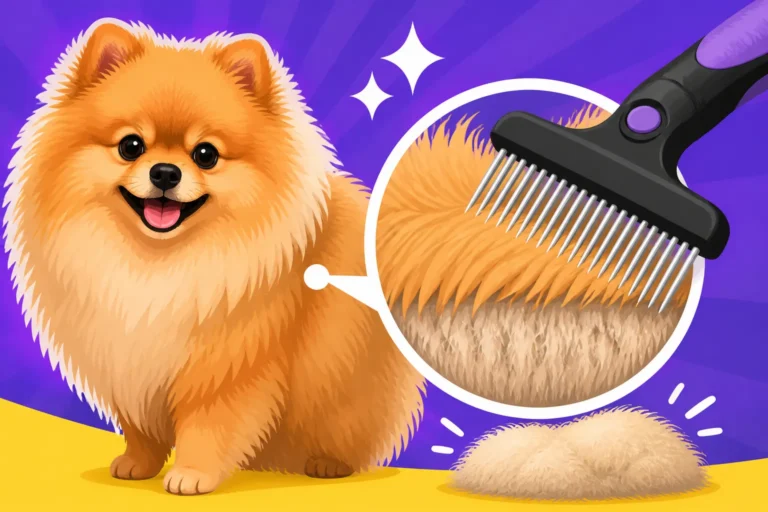
A senior Pomeranian's skin can become thinner and more delicate, making regular, gentle brushing even more critical. Their double coat, if neglected, can quickly form painful mats that pull on their skin, causing discomfort and potentially hiding skin infections or parasites. Daily brushing, or at least every other day, is essential. Break down the grooming into shorter, more frequent sessions to prevent your Pom from getting tired or anxious.
Focus on sensitive areas like behind the ears, under the armpits, and around the "britches" where mats often form first. If your Pom is uncomfortable standing, try Brushing an Old Pomeranian Lying Down. Use a soft slicker brush and a metal comb, working slowly and patiently. Always ensure you are brushing all the way Working a Pomeranian's Coat in Sections to the Skin to prevent matting at the base. If you encounter a mat, be gentle; never pull or yank. Consider using a detangling spray to help loosen it, or if it's too tight, a visit to a professional groomer or vet might be necessary for safe removal.
Specialized Bathing and Drying
Bathing a senior Pomeranian requires extra care. They may be more sensitive to temperature fluctuations, and slick surfaces in a tub can be frightening or lead to falls. Use warm water and a non-slip mat in the bath or sink. Choose a mild, moisturizing shampoo formulated for sensitive skin, avoiding harsh chemicals that could irritate their delicate skin. How Rarely a Pomeranian's Coat Should Be Washed is still relevant, as over-bathing can strip essential oils, but ensure they are clean to prevent skin issues.
After bathing, gentle towel drying is the first step. For drying, a low-heat, forced-air dryer can be effective, but always keep it moving and monitor the temperature to prevent overheating. Many senior Poms can become chilled easily, so ensure they are thoroughly dry before letting them roam. If they don't tolerate a blow dryer, air drying in a warm, draft-free room might be necessary, though it takes longer. Remember that Drying a Pomeranian Without Damaging the Coat is about patience and proper technique.
Nail, Paw, and Ear Care
As Pomeranians age, their activity levels decrease, meaning their nails may not wear down naturally as much as they used to. Overgrown nails can cause pain, affect their gait, and even lead to ingrown nails or infections. Regular nail trims, perhaps every 2-4 weeks, are crucial. If you're nervous about trimming, especially with the quick, a groomer or vet tech can often do it quickly and safely. It's helpful to know How Often a Pomeranian's Nails Grow Back to set a consistent schedule.
Don't forget their paw pads. Check them regularly for cracks, dryness, or foreign objects. Trimming the hair between their paw pads can prevent matting and improve traction on smooth floors, which is particularly helpful for Poms with unsteady gaits. Their small, erect ears also need attention. Check them for any signs of redness, odor, or discharge, which could indicate an infection. A gentle wipe with a vet-approved ear cleaner can keep them fresh and reduce the risk of buildup. For Cleaning a Pomeranian's Small Ears, use soft cotton balls and never insert anything deep into the ear canal.
Keeping an Incontinent Pomeranian's Coat Clean
Incontinence can sometimes become an issue for senior Pomeranians, whether due to weakened bladder control, cognitive decline affecting house training, or underlying medical conditions. This can unfortunately lead to urine scalding or skin infections if their coat isn't kept meticulously clean. You might find you need to give more frequent "spot baths" or sanitary trims.
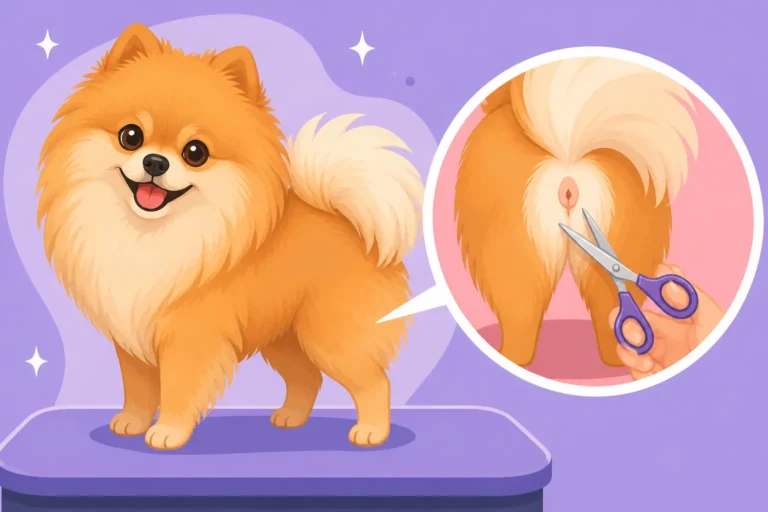
For a Pom struggling with incontinence, regular inspection of their hindquarters is vital. Keeping the hair around their private areas neatly trimmed, or a "sanitary trim," can help prevent urine and feces from clinging to their fur, making cleanup much easier and reducing the risk of skin irritation. Keeping an Incontinent Pomeranian's Coat Clean might involve using pet-friendly wet wipes after accidents or a quick rinse and blow dry of their hind end. Absorbent belly bands for male dogs and doggy diapers for females can also be helpful management tools, but they must be changed frequently to prevent skin issues. Providing a soft, easily washable bed is also a practical consideration.
Prioritizing Dental Care and Oral Health
Dental disease is a silent epidemic in many small breeds, and Pomeranians are no exception. In fact, due to their small mouths and crowded teeth, Poms are highly prone to dental issues throughout their lives, and these problems only tend to worsen with age. By the time they reach senior status, many Poms have significant plaque and tartar buildup, gum disease, and even painful tooth loss. Neglecting dental care can lead to serious health problems that extend far beyond the mouth, impacting their heart, kidneys, and liver.
The Importance of Senior Dentals
While the thought of anesthesia for an older dog can be nerve-wracking, professional dental cleanings under anesthesia are often the single most impactful thing you can do to improve a senior Pomeranian's overall health and comfort. Regular dental check-ups, ideally annually, allow your vet to assess the extent of dental disease. An older Pom with advanced periodontal disease can be in constant pain, making eating difficult and impacting their enjoyment of life. Dental Disease in a Mouth the Size of a Pomeranian's is rampant, and it's not unusual for a senior Pom to need multiple extractions.
Before any procedure, your veterinarian will typically recommend Whether a Pomeranian Needs Pre-Anesthetic Bloodwork to ensure your senior Pom's organs are functioning well enough to handle anesthesia. Advances in veterinary medicine mean anesthesia is safer than ever, especially with proper monitoring. It's important to weigh the risks of anesthesia against the profound risks of untreated dental disease. While it feels counterintuitive, Whether an Old Pomeranian Should Have a Dental is almost always answered with a resounding yes by vets who see the immense benefits. Over a lifetime, many Pomeranians will require How Many Dentals a Pomeranian Needs in a Lifetime, and these tend to increase in frequency as they age.
At-Home Oral Hygiene Adjustments
While professional cleanings are paramount, daily at-home oral hygiene can help slow the progression of dental disease between vet visits. This can be challenging with an older Pom who might not be used to having their mouth handled, but even small efforts can make a difference. The gold standard remains daily tooth brushing. Use a soft, finger-brush or a tiny toothbrush designed for small pets, along with an enzymatic toothpaste formulated for dogs – never human toothpaste. Brushing a Pomeranian's Teeth Every Day can feel like a chore, but it’s invaluable.
If daily brushing is simply impossible, there are other supportive measures. Dental chews, specifically designed for small breeds and approved by your vet, can help mechanically remove some plaque. Water additives that help break down bacteria in the mouth are another option, though they are usually less effective than brushing. The Toothpaste to Use on a Pomeranian is usually enzymatic and flavored to appeal to dogs. You might also consider specially formulated dental diets, though these are often less suitable for Poms with significant tooth loss. The key is to find a routine that your senior Pom can tolerate consistently and that you can maintain.
Managing Common Senior Pomeranian Health Conditions
As our Pomeranians enter their senior years, the likelihood of developing various health conditions increases. While some are common age-related issues, others might be specific predispositions of the breed. Early detection, regular veterinary check-ups, and proactive management are crucial for maintaining their quality of life.
Joint Pain and Mobility Issues
We touched on mobility earlier, but it deserves a deeper dive as it's a primary concern for many senior Pomeranian owners. Slipping Kneecaps in a Five Pound Pomeranian (patellar luxation) is a common condition that can worsen with age, leading to chronic pain and arthritis. Beyond this, general wear and tear on joints can result in osteoarthritis. You might notice your Pom limping after rest, struggling to get up, or showing reluctance to perform actions that involve jumping or climbing.
Management often involves a multi-modal approach. Your vet may prescribe anti-inflammatory medications or pain relievers to manage discomfort. Physical therapy, gentle exercises, and even acupuncture can be beneficial. Environmental modifications, such as ramps and steps (easily found on Amazon, for example) to access furniture, or non-slip rugs on slick floors, are critical for preventing falls and allowing them to navigate their home safely. Providing orthopedic beds can also offer better support for their achy joints. Discuss with your vet Whether Joint Support Helps a Pomeranian's Knees and what specific interventions might be best for your individual Pom.
Heart and Respiratory Challenges
Heart disease and respiratory issues are unfortunately common in older small breed dogs, including Pomeranians. The Heart Defect Found in Pomeranian Puppies (Patent Ductus Arteriosus) can, if untreated, lead to congestive heart failure later in life, and other acquired heart conditions like mitral valve disease are very prevalent as Poms age. Signs of heart trouble include coughing, especially a soft, wet cough, reduced exercise tolerance, difficulty breathing, or fainting spells.
Similarly, Pomeranians are highly predisposed to The Honking Cough of a Pomeranian's Collapsing Windpipe. This condition, which causes the trachea to flatten, can worsen with age and lead to significant respiratory distress, especially during excitement, exercise, or in hot, humid weather. You might hear a characteristic "goose honk" cough. Managing these conditions requires close veterinary supervision. Heart medications, diuretics, and cough suppressants are common. Using a harness instead of a collar is essential for Poms with tracheal issues to avoid putting pressure on their windpipe. Regular check-ups allow your vet to monitor these conditions and adjust medications as needed, ensuring your Pom breathes as easily as possible. Congestive Heart Failure in a Pomeranian requires careful monitoring and often a cocktail of medications.
Kidney Disease and Other Organ Function Decline
As Poms age, their organs, particularly the kidneys and liver, can become less efficient. Kidney disease is a common age-related condition that can lead to a range of symptoms, including increased thirst and urination, decreased appetite, weight loss, lethargy, and sometimes vomiting. Early detection through routine blood and urine tests during their annual or bi-annual senior check-ups is vital, as early intervention can significantly slow the progression of the disease.
Management of Kidney Disease in an Aging Pomeranian typically involves a special diet that is lower in protein, phosphorus, and sodium, designed to reduce the workload on the kidneys. Your vet might also prescribe medications to manage specific symptoms or support kidney function. Hydration is also incredibly important for Poms with kidney issues, so ensuring they always have access to fresh water is key. Other conditions, like thyroid issues (hypothyroidism) or sometimes diabetes, can also appear or worsen in senior Poms, making those regular vet visits and comprehensive blood panels invaluable for catching and managing these conditions early.
Creating a Comfortable and Safe Senior Environment
As your Pomeranian ages, their home environment plays an increasingly important role in their comfort, safety, and overall well-being. What once was an easily navigable space might now present challenges. Thoughtful modifications can make a world of difference in helping your senior Pom maintain their independence and preventing accidents.
Modifying the Home for Easy Access
One of the biggest concerns for senior Poms is their ability to access their favorite spots without injury. Jumping on and off furniture can put immense strain on their joints, backs, and fragile windpipes, especially for a dog prone to Slipping Kneecaps in a Five Pound Pomeranian. This is where ramps and pet steps become invaluable. Place small ramps or steps next to the sofa, bed, or any other raised surface your Pomeranian likes to frequent. Many owners report great success with products found on Amazon that are sized appropriately for small dogs. Helping an Old Pomeranian Onto the Couch safely is a simple way to protect their joints and prevent falls.
Consider non-slip mats or rugs on slick flooring, like hardwood or tile, particularly in high-traffic areas or where they eat and drink. This helps prevent slips and falls, which can be devastating for an older dog with weakened bones or joints. Elevated food and water bowls can also make meal times more comfortable, reducing strain on their neck and back, which is a small but impactful change for their daily routine. These Ramps and Steps Sized for a Pomeranian make navigating the home much easier.
Providing Cozy and Supportive Sleeping Areas
Senior Pomeranians spend a significant portion of their day sleeping or resting, so where they sleep matters more than ever. Their aging joints and muscles will appreciate the support of an orthopedic bed. These beds are designed with memory foam or other supportive materials that cushion pressure points and provide better overall comfort, which is especially important for Poms with arthritis or other musculoskeletal issues.
Place their bed in a quiet, draft-free area where they feel safe and secure, away from excessive household traffic. Some Poms might appreciate a covered bed or a "den" where they can retreat for uninterrupted rest. Ensure the bed is easy for them to get into and out of without having to jump or struggle. For Poms who previously slept with you but now struggle to get onto the bed, a well-placed set of pet stairs can help them continue the cherished tradition, or you might opt for a luxurious, easy-access orthopedic bed on the floor. Many Beds an Old Pomeranian Can Climb Into are designed with lower profiles for this very reason.
Safety Considerations and Supervision
Even in a modified home, increased supervision is necessary for senior Pomeranians. Their senses might not be as sharp – hearing, vision, and even their sense of smell can decline. This means they might not hear you approach, could bump into furniture, or might not react as quickly to potential hazards. Prevent falls by securing loose rugs, blocking off stairs if they're a risk, and ensuring pathways are clear of clutter.
Outdoor safety also becomes more critical. While they still need fresh air and gentle exercise, ensure they are always supervised, even in a fenced yard. Their slower reflexes or impaired vision could make them more vulnerable to outdoor hazards or even alter their ability to find their way back inside easily. Monitor them closely in extreme weather conditions; an older Pom can become overheated or chilled much faster than a younger one. Regular, gentle walks are still beneficial for muscle tone and mental stimulation, but tailor the length and intensity to their individual capabilities, always prioritizing their comfort and safety.
The Emotional Toll and End-of-Life Care
Caring for a senior Pomeranian is a journey filled with unique joys and challenges. As they age, we deepen our bond, cherishing every moment. However, it's also a time when we must confront the reality of their finite lives. Navigating the emotional complexities of their decline and eventually making end-of-life decisions is arguably the hardest part of pet ownership.
Recognizing Quality of Life
One of the most profound responsibilities of a senior pet owner is objectively assessing their Pomeranian's quality of life. This isn't about how long they live, but how well they live. It’s about ensuring they have more good days than bad. This assessment involves looking at several factors: their appetite, hydration, mobility, pain levels, mental alertness, and their ability to engage in activities they once enjoyed. Are they still greeting you with a wagging tail, even if slower? Are they interested in a favorite treat? Do they seem comfortable or are they constantly restless and struggling?
It can be difficult to differentiate between "just old" and "in pain." Pain management is paramount, and your vet can help you understand the signs of chronic pain and explore options. Keeping a journal of their good and bad days can be incredibly insightful, providing an objective record when your emotions might cloud your judgment. This allows you to track patterns, identify specific struggles, and have a more informed discussion with your veterinarian. Ultimately, understanding The Day You Decide for an Old Pomeranian is a deeply personal and difficult journey, but it should be rooted in their well-being.
Seeking Veterinary Guidance and Support
Your veterinarian becomes an even more critical partner during your Pomeranian's senior years. Regular check-ups, often twice a year, are essential for monitoring existing conditions and catching new ones early. These visits allow for thorough physical exams, blood work, and urine analyses that can reveal subtle changes in organ function before overt symptoms appear. The Checkup Schedule a Pomeranian Should Keep will undoubtedly increase as they age.
Don't hesitate to reach out to your vet with any concerns, no matter how small they seem. They can offer guidance on pain management, dietary adjustments, and quality-of-life assessments. Many veterinary practices also offer palliative care services, focusing on comfort and symptom management without necessarily pursuing curative treatments. This can greatly improve the daily lives of senior Poms and their families. Open and honest communication with your vet is key to ensuring your Pomeranian receives the best possible care throughout their twilight years.
Coping with the Inevitable
The emotional toll of watching your beloved Pomeranian decline is immense. It's a journey filled with grief, anticipation, and sometimes guilt. It's important to acknowledge and validate these feelings. Give yourself permission to mourn the changes in your dog and prepare for the eventual farewell. This period can be incredibly isolating, but remember that many resources are available for pet owners coping with loss, including support groups and counseling services.
Surrounding yourself with understanding friends and family can provide much-needed comfort. Cherish the moments you have, take extra photos, and provide all the love and comfort your senior Pom needs. When the time comes for difficult decisions, remember that you are acting out of love and compassion, preventing suffering. The bond you share with your Pomeranian is profound, and honoring their life means providing them with dignity and peace until the very end.
| Aspect of Care | Young/Adult Pomeranian (Under 10 years) | Senior Pomeranian (10+ years) |
|---|---|---|
| Mobility | Energetic, jumps freely, active walks | Slower, hesitant to jump, struggles with stairs, may show stiffness or limping. Requires environmental modifications like ramps. |
| Activity Level | High energy, enjoys long play sessions | Sleeps more, shorter, gentler play, less endurance. Still needs mental stimulation and gentle exercise. |
| Diet | High-energy kibble, usually 2 meals/day | Senior-specific diet (lower calories, higher digestibility, joint support), possibly softer foods, 2-3 smaller meals/day. |
| Hydration | Standard water intake | Increased monitoring for thirst or dehydration. Consider water fountains or adding water to food. |
| Grooming | Regular brushing, full baths, stand for grooming | More frequent, shorter, gentle brushing sessions. Specialized shampoos for sensitive skin. May need to be brushed lying down. |
| Nail Care | Trim as needed, wears down naturally with activity | More frequent trims due to less activity. Check for cracking, overgrowth. |
| Dental Care | Daily brushing, regular professional cleanings | Critical, often more frequent professional cleanings. May have lost teeth, need softer foods. Daily brushing remains vital. |
| Vet Visits | Annual check-ups | Bi-annual (every 6 months) check-ups with bloodwork/urine analysis to monitor for age-related conditions. |
| Environment | No special modifications needed | Ramps/steps for furniture, non-slip rugs, orthopedic beds, elevated food bowls, quiet resting areas. |
| Cognition | Alert, learns new commands easily | May show signs of cognitive decline: confusion, disorientation, changes in sleep-wake cycle, forgetting commands. |
Disclaimer
This article is for general informational purposes only and does not constitute professional advice. Laws, prices and regulations vary by location and change over time. Consult a qualified professional for guidance on your specific situation.