Managing a Pomeranian’s Windpipe Without Surgery
That sudden, alarming honking cough from your beloved Pomeranian can send a wave of panic through any pet parent. Tracheal collapse, a common condition in small breeds, is frustrating and frightening, making you constantly worry about your little one's breathing. While surgery is an option for severe cases, many Poms can lead comfortable lives with careful non-surgical management, and that's exactly what this guide will walk you through.
Understanding Your Pomeranian's Collapsing Windpipe
When you first hear that distinctive honk, it’s natural to feel a knot of anxiety tighten in your stomach. It sounds so terrible, so dramatic, and immediately you worry about your little companion. Understanding exactly what’s happening inside your Pomeranian’s tiny throat is the first step toward effective management, even without surgical intervention. This isn't just a cough; it's a structural issue that requires careful attention.
What Tracheal Collapse Really Means
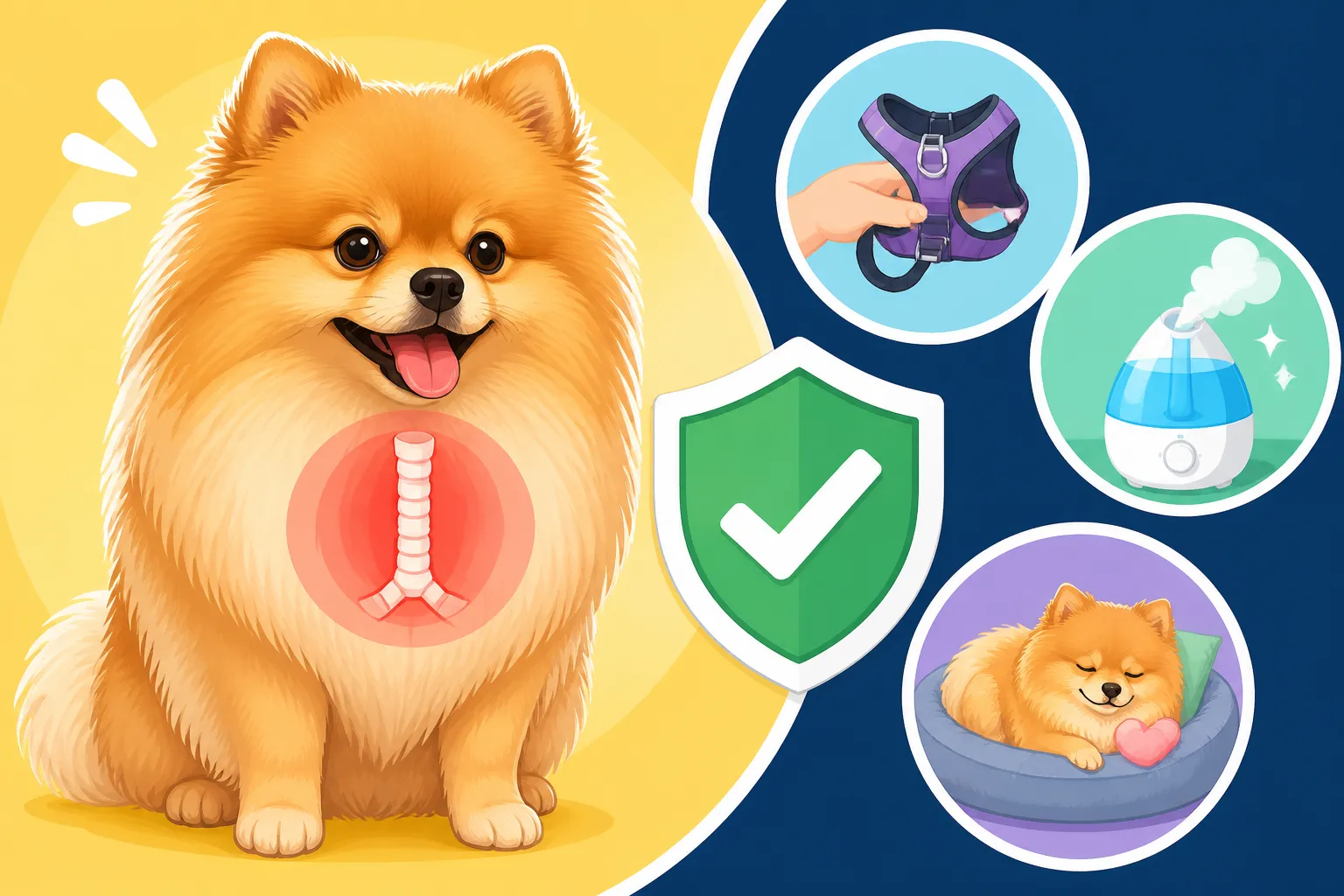
Imagine a garden hose that's supposed to be perfectly round and firm, allowing water to flow freely. Now imagine that hose is soft and flattened, making it hard for water to pass through. That's essentially what happens with a collapsing trachea in a Pomeranian. The trachea, or windpipe, is a tube made up of C-shaped cartilage rings that keep it open, allowing air to travel to and from the lungs. In Pomeranians, and other toy breeds, these cartilage rings can weaken and flatten, causing the windpipe to narrow, especially when your dog inhales or exhales forcefully. This narrowing obstructs airflow, leading to the dreaded honking cough and other respiratory distress.
This condition is often progressive, meaning it can worsen over time, but it doesn't mean you're helpless. Many factors can exacerbate the collapse, such as excitement, exercise, obesity, and even certain environmental irritants. It's a truly disheartening diagnosis for any owner to receive, and the immediate thought might be of expensive, invasive surgery. However, for a significant number of Poms, a well-planned non-surgical approach can provide immense relief and improve their quality of life. The key is consistent, dedicated care tailored to your dog's specific needs and the severity of their condition. It's about making their everyday life as easy on their delicate windpipe as possible.
Recognizing the Signs and Grades of Collapse
Knowing exactly what to look for can help you identify a problem early or accurately describe symptoms to your vet. The most classic sign, as many owners can attest, is the dry, harsh, goose-like honking cough. It often sounds like your Pomeranian is trying to clear something from its throat, but it just keeps going. This cough might be worse during or after excitement, exercise, eating and drinking, or when they pull on their collar. You might also notice a wheezing sound, especially when they breathe out, or even a rattling sound in their chest. Some Poms might show signs of exercise intolerance, becoming winded quickly during a short walk, or they might seem unusually lethargic.
Vets classify tracheal collapse into different grades, typically from Grade I to Grade IV, based on how much the windpipe is narrowed. A Grade I collapse might involve a 25% narrowing, while a Grade IV is a complete collapse, meaning the windpipe is almost entirely flat. This grading helps determine the best course of action. For instance, a Grade I or II collapse might respond very well to lifestyle changes and medication, while a Grade III or IV could be more challenging and might lead some vets to suggest surgical options if non-surgical methods aren't enough. Your vet will often use X-rays or fluoroscopy (a moving X-ray) to visualize the trachea and accurately assess the severity. Understanding Grading a Pomeranian's Tracheal Collapse can provide more insight into how vets assess this condition. It's crucial to remember that even a lower grade collapse can cause significant discomfort and stress for your Pom, so early and proactive management is always the best path forward.
Essential Environmental Adjustments at Home
Living with a Pomeranian that has a collapsing trachea means looking at your home environment through a different lens. What seems harmless to us can be a trigger for their delicate windpipe. This isn't about making drastic, impossible changes, but rather about thoughtful adjustments that can significantly reduce the strain on their respiratory system and prevent those terrifying coughing fits. It's about creating a safe haven where they can breathe easy.
Switching to a Harness for Safer Walks
If your Pomeranian still wears a collar, this is hands down one of the most critical changes you can make today. A traditional collar, even a seemingly soft one, puts direct pressure on the trachea whenever your dog pulls, strains, or even moves their head quickly. This pressure can instantly trigger a collapse or worsen an existing one. It's like constantly squeezing that delicate garden hose. Many owners don't realize the severity of this until they see their Pom struggle after a slight tug on the leash.
The solution is a well-fitting harness. But not just any harness! You need one that specifically redistributes pressure away from the neck and onto the chest and shoulders. Look for "Y-shaped" harnesses or vests that have a front attachment point and clip around the chest, leaving the neck area free. Brands like Ruffwear, Puppia, and Gooby offer excellent options designed to be comfortable and non-restrictive for small breeds. It's an investment, but one that pays dividends in your Pomeranian's comfort and health. Transitioning them might take a few days of positive reinforcement, but the long-term benefits of protecting their fragile windpipe are immeasurable. You can learn more about Why a Collar Threatens a Pomeranian's Windpipe for a deeper understanding of this critical issue.
Controlling Allergens and Irritants
Just like people with asthma or allergies, Pomeranians with tracheal collapse can be highly sensitive to airborne irritants. These irritants can cause inflammation and irritation in the respiratory passages, making the windpipe even more susceptible to collapse and exacerbating coughing. Think about everything floating around in your home that you might not even notice. Common culprits include dust, pollen, mold, chemical cleaners, air fresheners, and even strong perfumes. Secondhand smoke is a definite no-go; even lingering smoke on clothing can be a trigger.
To create a more lung-friendly environment, consider investing in a high-quality air purifier with a HEPA filter, especially for the rooms where your Pom spends the most time. Regular, thorough cleaning with pet-safe, unscented products can also make a big difference. Avoid aerosol sprays near your dog, and if you use candles or air fresheners, opt for natural, unscented alternatives or skip them altogether. If your Pomeranian has known allergies, working with your vet to manage those allergies (perhaps with antihistamines or allergy shots) can also indirectly help their tracheal issues by reducing overall airway inflammation. Eliminating these triggers might seem like a small detail, but for a delicate windpipe, it can offer substantial relief and reduce the frequency and severity of coughing episodes. This is part of the diligent, proactive care that can truly make a difference in Managing a Pomeranian's Windpipe Without Surgery.
Optimizing Home Humidity and Air Quality
The air your Pomeranian breathes plays a significant role in the health of their respiratory system. Extremely dry air can irritate the mucous membranes lining the trachea, leading to a drier, harsher cough. Conversely, excessively humid air can sometimes make breathing difficult for dogs with respiratory issues. Finding that sweet spot is essential. Ideally, a relative humidity level between 40-60% is often recommended for respiratory health.
In drier climates or during winter months when indoor heating dries out the air, a humidifier can be your Pom's best friend. A cool-mist humidifier in their sleeping area or in the main living space can add much-needed moisture to the air, helping to soothe irritated airways and reduce the severity of coughing. Just make sure to keep the humidifier clean to prevent mold growth. On the other hand, if you live in a very humid environment, ensuring good ventilation and using a dehumidifier might be beneficial. Remember that even things like cooking fumes or strong cleaning product odors can irritate, so good air circulation is key. Consider turning on exhaust fans when cooking or opening windows (if outdoor air quality is good) to refresh the air. These seemingly minor adjustments contribute significantly to your Pomeranian's overall comfort and ability to breathe without distress, especially for a dog prone to issues like The Honking Cough of a Pomeranian's Collapsing Windpipe.
Lifestyle Modifications for a Healthier Windpipe
Beyond the immediate environment, your Pomeranian's daily routine and overall health habits have a profound impact on their tracheal health. These lifestyle adjustments are often the cornerstones of successful non-surgical management. They require commitment and consistency, but the improvements in your Pom's breathing and well-being are incredibly rewarding.
Managing Your Pomeranian's Weight Effectively
This is arguably one of the most critical lifestyle changes you can implement for a Pomeranian with a collapsing trachea. Every extra ounce of weight your small dog carries puts additional strain on their respiratory system and vital organs. Imagine trying to breathe deeply with a heavy blanket on your chest – that's a bit like what an overweight Pom experiences. Excess fat around the neck and chest area can physically compress the trachea from the outside, compounding the internal collapse. Furthermore, an overweight dog often has less stamina, meaning even mild exercise can lead to heavy panting and increased pressure on the windpipe.
Working with your veterinarian to establish a healthy target weight and a sensible diet plan is paramount. This usually involves precise portion control of a high-quality, small-breed specific kibble, and limiting treats. Regular, gentle exercise is also key, but it needs to be managed carefully to avoid overexertion, which can trigger coughing. Even losing a mere half-pound can make a noticeable difference in a small Pomeranian, reducing the effort required to breathe and improving their overall comfort. Many owners report a significant decrease in coughing episodes once their dog reaches a healthy weight. It’s a challenge, especially if your Pom loves to eat, but it’s a non-negotiable part of their care. For more detailed information, consider reading Whether Weight Gain Worsens a Pomeranian's Windpipe.
Calming Excitement and Reducing Stress
Pomeranians are known for their spirited, often excitable personalities. While this zest for life is part of their charm, high levels of excitement or stress can be major triggers for a collapsing trachea. When a dog gets overly excited, they tend to pant heavily, bark vigorously, and pull on the leash – all actions that put immense pressure on their delicate windpipe. That sudden, uncontrolled burst of energy can quickly lead to a severe coughing fit, and sometimes even a struggle for air. It's heartbreaking to see your happy Pom suddenly gasping.
Teaching your Pomeranian to manage their excitement levels is a continuous process. This might involve using calming techniques, such as gentle massage, or creating a predictable daily routine to reduce anxiety. If your Pom gets overly excited by visitors, loud noises, or seeing other dogs on a walk, strategize ways to minimize these triggers. For instance, putting them in a quiet room with a favorite toy when guests arrive, or choosing quieter times and routes for walks. Some owners find success with calming pheromone diffusers or even natural calming supplements, always after discussing with their vet. The goal isn't to squash their personality but to help them find a calmer baseline. Understanding Whether Excitement Sets Off a Pomeranian's Cough can provide more context on this common issue.
Tailoring Exercise Routines
Exercise is vital for your Pomeranian's overall health and weight management, but when they have a collapsing trachea, it needs careful consideration. Overexertion can quickly lead to a severe coughing attack or even respiratory distress. You can't just let them run wild at the dog park anymore, as much as they might want to. The key is moderation and observation.
Instead of long, strenuous walks, opt for several shorter, gentle strolls throughout the day. Pay close attention to your Pom's breathing and energy levels. If they start panting heavily or coughing, it's time to stop and rest. Avoid exercising in hot, humid weather or extremely cold conditions, as these environmental factors can further strain their respiratory system. Indoor play, such as gentle fetch in a carpeted room, can be a great way to provide mental and physical stimulation without overdoing it. Puzzle toys can also keep them engaged without physical exertion. The goal is to keep them fit and happy without pushing their windpipe to its limits. Think about their condition during every play session or walk; this mindful approach can prevent many uncomfortable episodes.
Medication and Supplement Strategies
When lifestyle changes alone aren't enough to manage your Pomeranian's collapsing trachea, your veterinarian will likely recommend a combination of medications. These aren't curative, but they are incredibly effective at managing symptoms, reducing inflammation, and improving your dog's comfort. It's all about finding the right cocktail that works best for your individual Pom. This can sometimes feel like a trial-and-error process, which can be frustrating, but persistence with your vet is key.
Common Medications for Symptom Relief
There are several classes of medications commonly used to manage tracheal collapse:
- Cough Suppressants: These are often the first line of defense. Medications like hydrocodone or butorphanol can help reduce the frequency and severity of coughing, allowing your Pom to rest and preventing the cough-collapse cycle from perpetuating itself. Dextromethorphan (found in some over-the-counter cough syrups) is sometimes used, but always under veterinary guidance, as many human products contain ingredients toxic to dogs. Finding the right Cough Suppressants for a Pomeranian is a critical step in managing their comfort.
- Anti-inflammatories: Steroids (like prednisone) are powerful anti-inflammatories that can reduce swelling and irritation in the airways, making breathing easier. They are often used short-term during severe flare-ups or at the lowest effective dose for longer periods. Your vet will balance the benefits against potential side effects like increased thirst or appetite.
- Bronchodilators: These medications, such as aminophylline or theophylline, help open up the airways, making it easier for air to pass through. While they don't directly affect the trachea, they improve overall lung function, which can be beneficial.
- Sedatives/Anxiolytics: Sometimes, if excitement or anxiety is a significant trigger for coughing, a mild sedative might be prescribed to help keep your Pom calm, especially during stressful events or at night.
It's important to administer all medications exactly as prescribed by your vet and never to stop them abruptly without consulting your vet. Regular check-ups will allow your vet to adjust dosages or change medications as needed. This ongoing medical management is often crucial, and having pet insurance like Healthy Paws can be a real lifesaver when it comes to covering the costs of these long-term prescriptions and veterinary visits.
Exploring Supplements and Holistic Approaches
While traditional medications are often necessary, some owners explore complementary therapies and supplements to further support their Pomeranian's respiratory health. These should always be discussed with your veterinarian to ensure they are safe, won't interact with prescribed medications, and are genuinely beneficial for your specific dog.
- Chondroprotectants (Joint Supplements): Interestingly, some vets suggest that supplements typically used for joint health, like glucosamine and chondroitin, might offer some benefit for tracheal cartilage. Since the trachea is made of cartilage, the theory is that these supplements could help maintain its integrity or slow its degradation. While evidence is largely anecdotal for tracheal collapse, they are generally safe and widely available.
- Omega-3 Fatty Acids: Fish oil supplements, rich in omega-3 fatty acids, are known for their anti-inflammatory properties. Reducing overall inflammation in the body, including the respiratory tract, could indirectly help alleviate some symptoms of tracheal collapse.
- Herbal Remedies: Certain herbs, like mullein or marshmallow root, are sometimes used in holistic veterinary circles for their purported soothing and anti-inflammatory effects on the respiratory system. However, scientific evidence specifically for canine tracheal collapse is limited, and dosage can be tricky.
- Acupuncture: Some anecdotal reports suggest that acupuncture might help some dogs with chronic respiratory issues, potentially by reducing inflammation or pain.
It’s important to approach supplements and holistic remedies with realistic expectations. They are generally seen as supportive measures, not primary treatments. Always choose high-quality, reputable brands for any supplements, and be wary of products that promise a "cure." Consistent communication with your vet, who can integrate these approaches into a comprehensive care plan, is essential.
Working With Your Vet to Fine-Tune Treatment
Managing tracheal collapse non-surgically is not a one-time fix; it’s an ongoing partnership with your veterinarian. Your Pomeranian’s condition can change, and what works well today might need adjustment six months down the line. This requires open and honest communication with your vet, and a willingness to be observant and provide detailed feedback.
Initially, your vet might start with a specific medication regimen and suggest environmental changes. It's crucial for you to carefully monitor your Pom’s response: are the coughing fits less frequent? Less severe? Are they more comfortable during walks? Keeping a detailed log of symptoms, triggers, and medication times can be incredibly helpful for your vet in making informed decisions. Don't hesitate to ask questions, voice concerns, or suggest alternatives if you feel something isn't working or if your dog is experiencing side effects. Perhaps one cough suppressant isn't working, or the steroid dose is too high. A good vet will be receptive to this feedback and willing to explore different options. They might try different types of cough suppressants or adjust steroid dosages to find the minimum effective dose. Your pet's well-being is the priority, and finding the sweet spot for their treatment plan often involves this collaborative fine-tuning. This includes discussions about the long-term prognosis, potential complications, and when a re-evaluation of surgical options might become necessary, ensuring your pet is covered by comprehensive insurance like Healthy Paws for these ongoing needs.
Ongoing Monitoring and Proactive Care
Living with a Pomeranian that has a collapsing windpipe requires vigilance and a proactive mindset. This isn't just about reacting when a coughing fit occurs; it's about constantly monitoring their health, understanding their baseline, and knowing when to intervene. By staying ahead of the curve, you can significantly reduce the frequency and severity of episodes and provide your beloved Pom with the best possible quality of life.
Keeping a Symptom Diary
This might sound like a chore, but believe me, a detailed symptom diary can be an invaluable tool in managing your Pomeranian's tracheal collapse. Our memories can be fuzzy, especially when we’re stressed or worried about our pets. A written record, however, provides objective data that can help both you and your veterinarian identify patterns, triggers, and the effectiveness of treatments.
What should you include in your diary?
- Date and Time: When did symptoms occur?
- Type of Symptom: Was it a honking cough, wheezing, gagging, difficulty breathing? What was The Sound a Pomeranian Makes When Its Trachea Collapses?
- Severity: Rate it on a scale of 1-5 (1 being mild, 5 being severe distress).
- Duration: How long did the episode last?
- Potential Triggers: What was your Pom doing just before? Were they excited, just finished eating, pulling on their leash, in a dusty area? Whether Smoke Affects a Pomeranian's Trachea could be a factor.
- Medications Administered: What did you give, and when?
- Response to Medication: Did it help, and how quickly?
- General Observations: Any changes in appetite, energy levels, or mood?
This diary provides concrete evidence that helps your vet adjust medications, identify new triggers, and confirm if your current management plan is truly effective. It can be a simple notebook or a dedicated app – whatever works best for you. The key is consistency and detail.
Regular Vet Check-ups and Diagnostics
Even with the most diligent home care, regular veterinary check-ups are non-negotiable for a Pomeranian with tracheal collapse. This condition is progressive, and what worked six months ago might not be sufficient now. These routine visits allow your vet to assess your Pom’s overall health, listen to their lungs and heart, and evaluate the progression of the tracheal collapse.
During these appointments, your vet might recommend updated diagnostics such as chest X-rays. While X-rays don't show the dynamic movement of the trachea, they can reveal changes in lung health, potential heart enlargement (which can mimic or exacerbate respiratory symptoms), or other concurrent conditions. They might also suggest blood work, especially if your Pom is on long-term medications, to monitor organ function and ensure the drugs aren't causing adverse effects. For instance, if your Pomeranian is getting older, your vet might want to rule out issues like The Leaking Valve in an Older Pomeranian's Heart, which can present with similar coughing.
These routine check-ups are also your opportunity to discuss any new symptoms, concerns, or changes you've noted in your symptom diary. It's a team effort, and your observations are crucial for guiding the vet's decisions. Think of it as preventative maintenance for their delicate respiratory system, ensuring any subtle worsening is caught and addressed promptly before it becomes a crisis. These ongoing costs are exactly why a good pet insurance plan from providers like Healthy Paws is so valuable, helping you manage the financial burden of chronic care.
Knowing When to Seek Emergency Help
While non-surgical management aims to keep your Pomeranian comfortable at home, there are times when immediate veterinary attention is absolutely essential. Knowing the difference between a typical coughing fit and a genuine respiratory emergency can be life-saving. It’s terrifying to see your little dog struggling, and it’s always better to err on the side of caution.
Seek emergency veterinary care immediately if you observe any of the following:
- Persistent Gagging or Choking: If your Pom is continuously gagging, choking, or appears unable to clear their airway.
- Blue or Purple Gums/Tongue (Cyanosis): This is a critical sign that your dog is not getting enough oxygen. Their mucous membranes will appear bluish.
- Labored Breathing: This isn't just heavy panting, but visibly struggling to breathe, using abdominal muscles, or having their chest heave excessively.
- Collapse or Loss of Consciousness: If your Pomeranian suddenly collapses, becomes disoriented, or loses consciousness.
- Extreme Restlessness or Panic: Some dogs will become extremely agitated or frantic when they cannot breathe properly.
- Excessive Foaming at the Mouth: This can indicate severe respiratory distress.
These are signs that your Pomeranian's airway might be severely compromised, and they need oxygen and immediate medical intervention. Don't wait to see if it improves; head to the nearest emergency veterinary clinic. It's helpful to know beforehand where your closest 24-hour emergency vet is located. Understanding Whether a Pomeranian's Cough Is an Emergency can further help distinguish between urgent and non-urgent symptoms.
Common Questions About Tracheal Collapse Management
Navigating the world of tracheal collapse in Pomeranians can bring up a lot of questions. It's a complex condition, and every dog is a little different. Here, we tackle some of the common concerns and queries owners often have when trying to provide the best non-surgical care.
Differentiating Tracheal Collapse from Other Coughs
Many owners initially confuse their Pomeranian's honking cough with other common canine respiratory issues, which can delay proper diagnosis and treatment. It's essential to understand the distinctions, even though some symptoms can overlap.
The classic "goose honk" cough is highly indicative of tracheal collapse. It's usually dry, harsh, and often comes in fits, especially during excitement, stress, or pulling on a collar. However, other conditions can also cause coughing:
- Kennel Cough: This is a highly contagious respiratory infection (similar to a human cold) that causes a strong, hacking cough, often followed by a retch. The sound is usually wetter and more consistent than a tracheal collapse cough. It can also be accompanied by sneezing or nasal discharge. Your vet can usually diagnose kennel cough based on symptoms and exposure history, and it typically resolves with rest and sometimes antibiotics. For more on this, check out Telling a Pomeranian's Trachea From Kennel Cough.
- Heart Disease: Older Pomeranians are prone to heart conditions like mitral valve disease. A failing heart can lead to fluid buildup in the lungs, causing a soft, wet cough, especially at night or when lying down. This cough is generally not the sharp, honking sound of tracheal collapse. Your vet will distinguish this through a cardiac exam, X-rays, and potentially an ultrasound of the heart.
- Allergies or Asthma: While less common, environmental allergies can cause a cough, often accompanied by sneezing, watery eyes, or skin itchiness. Canine asthma, though rare, can also present with coughing and wheezing.
Your vet will use physical examination, listening to the chest, and imaging (X-rays, fluoroscopy) to pinpoint the exact cause of the cough. Accurate diagnosis is the first step to effective non-surgical management.
The Role of Humidity and Air Temperature
We've touched on this before, but it bears repeating: the air your Pomeranian breathes really matters. Extreme temperatures and humidity levels can significantly impact their comfort and the severity of their tracheal collapse symptoms.
- Humidity: Very dry air can irritate the already sensitive tracheal lining, leading to a drier, more frequent, and harsher cough. Think about how your own throat feels in dry winter air. Using a cool-mist humidifier in your Pom's main living area, especially at night, can add moisture to the air and provide soothing relief. Conversely, extremely high humidity can make breathing feel heavier and more difficult for any dog with respiratory compromise, as the air is thick with moisture. In such cases, good ventilation and perhaps a dehumidifier might be helpful. Maintaining a balanced indoor humidity level (around 40-60%) is often recommended. More detail can be found in Humidity and a Pomeranian's Breathing.
- Temperature: Both extreme heat and extreme cold can trigger or worsen tracheal collapse symptoms. In hot, humid weather, dogs pant more to cool themselves, putting extra strain on their windpipe. Overheating can quickly become a dangerous emergency for a Pom with a compromised airway. In cold weather, the cold, dry air can be irritating and constricting to the airways. Keep your walks short during peak heat or cold. Provide plenty of shade and water in summer, and consider a warm sweater for winter outings to minimize their exposure to harsh elements.
These environmental considerations, while seemingly small, are crucial components of a holistic non-surgical management plan.
Can a Pomeranian Live a Normal Life Without Surgery?
This is perhaps the most pressing question for many owners facing a tracheal collapse diagnosis. The good news is, for many Pomeranians, the answer is a resounding yes! A significant number of dogs with mild to moderate tracheal collapse can lead very happy, comfortable lives with dedicated non-surgical management.
The success hinges on a multi-faceted approach: strict weight management, using a harness instead of a collar, careful medication administration, environmental control (reducing irritants, managing humidity), and tailored exercise routines. Consistent monitoring and regular vet check-ups are also vital to catch any worsening condition early.
It's about managing the condition, not curing it. This means you'll likely have to maintain these practices for the rest of your Pom's life. There might still be occasional coughing fits, especially during times of excitement or stress, but the goal is to significantly reduce their frequency and severity. It does require commitment and vigilance, but the reward is seeing your furry friend enjoying life with minimal respiratory distress. Some severe cases (Grade III or IV) might eventually benefit from surgical intervention if non-surgical methods prove insufficient, but many Poms never reach that point. The key is to be proactive and consistent in their care, giving them the best chance at a long, fulfilling life.
| Management Strategy | Description | Key Benefits | Considerations |
|---|---|---|---|
| Weight Management | Achieving and maintaining an ideal body weight through diet and controlled exercise. | Reduces pressure on trachea, improves stamina, decreases breathing effort. | Requires strict portion control, consistent gentle exercise, vet consultation. |
| Harness vs. Collar | Switching from a neck collar to a Y-shaped or chest-plate harness. | Eliminates direct pressure on the trachea, prevents coughing triggered by pulling. | Ensure proper fit to avoid chafing; positive reinforcement for transition. |
| Environmental Control | Using air purifiers, humidifiers, and avoiding irritants (smoke, aerosols, allergens). | Reduces airway inflammation and irritation, soothes mucous membranes. | Regular cleaning of devices, identification of specific household triggers. |
| Medication (Vet Prescribed) | Cough suppressants, anti-inflammatories, bronchodilators, and sometimes mild sedatives. | Reduces cough frequency/severity, decreases inflammation, opens airways. | Requires consistent administration, potential side effects, regular vet check-ups. |
| Controlled Exercise | Short, gentle walks; indoor play; avoiding extreme weather. | Maintains fitness, manages weight without overexertion. | Careful monitoring for signs of distress, adjust based on weather/Poms' condition. |
| Stress Reduction | Calming techniques, predictable routines, minimizing triggers for excitement or anxiety. | Prevents stress-induced coughing fits, improves overall well-being. | Patience and consistency in training, consider calming aids. |
Disclaimer
The information provided in this article is for educational and informational purposes only, and does not constitute veterinary medical advice. Always consult with a qualified veterinarian for any health concerns or before making any decisions about your pet's medical care or treatment plan.