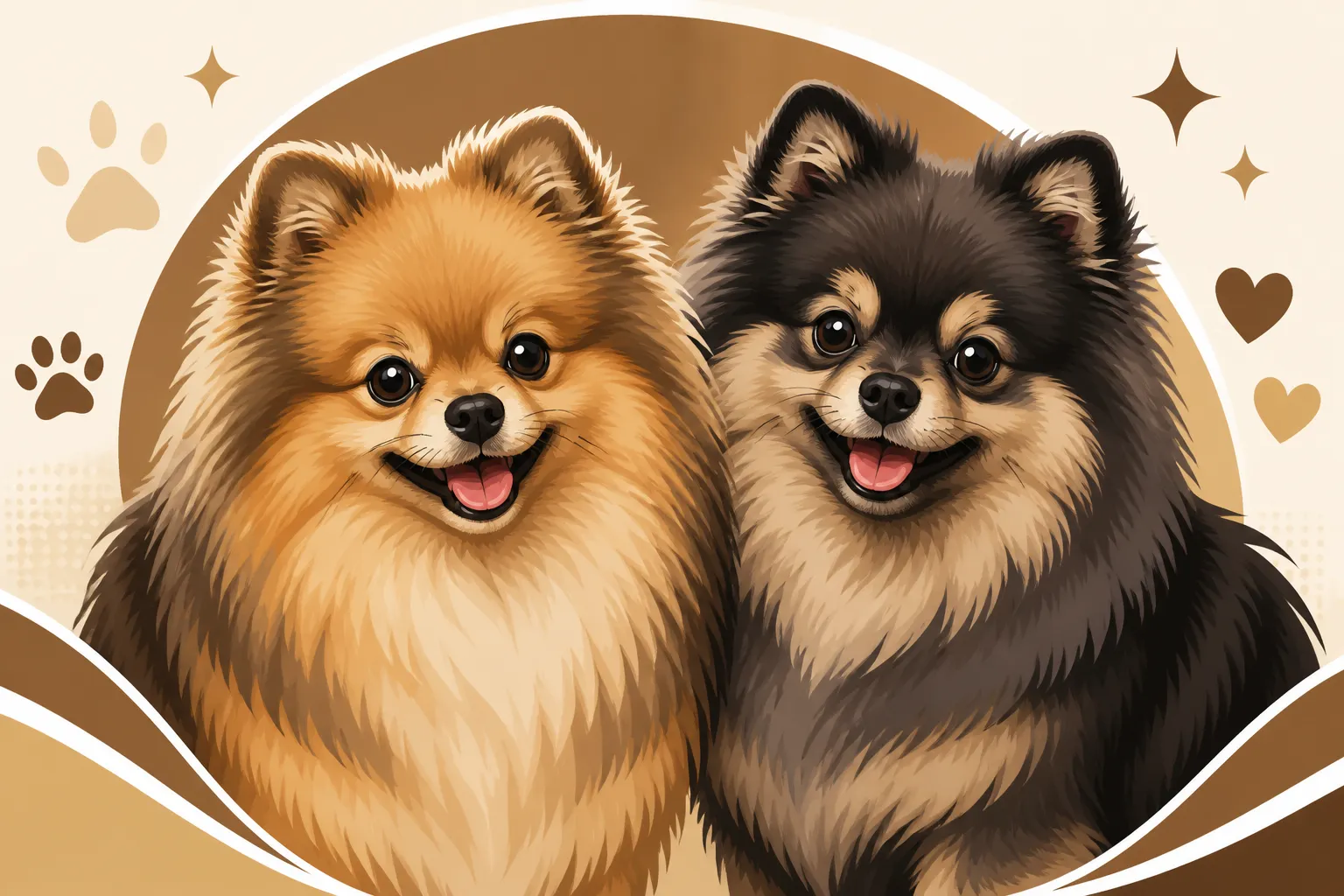
Sable and Wolf Sable Pomeranians
One of the most exciting, and sometimes confusing, aspects of welcoming a Pomeranian into your life is watching their coat transform. Many new owners fall in love with a sable or wolf sable puppy, only to wonder what on earth is happening to their darling's fur as they grow! This guide is here to unravel the beautiful mysteries of sable and wolf sable Pomeranians, helping you understand their unique markings, how they change, and what to expect as your fluffy friend matures.
Understanding the Sable Pomeranian Coat
When we talk about sable Pomeranians, we're delving into one of the most classic and visually stunning coat patterns in the breed. It's a color that evokes a sense of wild beauty, connecting our tiny companions back to their larger Spitz ancestors. However, sable isn't just one static color; it's a dynamic pattern that can present in a few different ways, making each sable Pom truly unique.
The Genetics Behind Sable
At its heart, the sable pattern is all about the distribution of black tipping on an otherwise lighter base coat. Genetically, this happens due to the agouti gene series. In simple terms, a sable Pomeranian typically carries a gene that allows for a lighter base color, like orange, red, cream, or even gold, but also a gene that causes the individual hairs to have black tips. Think of it like a paintbrush lightly dusting the ends of the hairs with black. It's not a solid black coat, nor is it a solid orange; it's a beautiful blend that creates depth and dimension. This genetic interplay is fascinating and helps explain why no two sables look exactly alike, even within the same litter.
Defining the Sable Markings
The most defining characteristic of a sable Pomeranian is the presence of black or dark tipping on the guard hairs. Guard hairs are the longer, coarser hairs that form the outer layer of a Pomeranian's luxurious double coat, protecting the softer undercoat beneath. The Double Coat That Makes a Pomeranian and Why It Stays On These black tips are usually most pronounced on the dog's back, ears, tail, and sometimes across the face, giving a shaded appearance. The intensity and spread of this black tipping can vary dramatically. Some sables might have just a whisper of black, making them look mostly orange with a subtle overlay, while others might have such heavy tipping that they appear almost dark, with only hints of the lighter undercoat peeking through. This is why you'll see such a wide spectrum of "sable" Poms, from light, creamy sables to deep, rich mahogany sables.
Common Sable Variations
Within the sable umbrella, you'll often hear terms like "shaded sable," "clear sable," or even "creamy sable." A shaded sable is probably what most people picture when they think of a sable Pomeranian: a dog with a distinct lighter base (like orange or red) and noticeable black tipping, especially over the back, ears, and tail. The contrast is clear and beautiful. A clear sable, on the other hand, is much rarer and can be quite confusing. This term technically refers to a sable Pomeranian that has very minimal to no black tipping, often presenting as a very rich orange or red. It's still genetically sable, but the expression of the black tipping is almost absent. Then there are creamy sables, which have a cream or lighter gold base coat with the characteristic black tipping. These often mature into stunning light gold or apricot-colored dogs with just enough dark overlay to give them that classic sable depth. Regardless of the specific variation, the presence of those darker tips on a lighter background is the hallmark of a sable.
Unpacking the Nuances of Wolf Sable Pomeranians
While all wolf sables are technically sables, not all sables are wolf sables. The "wolf sable" designation points to a very specific and striking expression of the sable pattern, one that truly harks back to the breed's wilder, more ancient ancestry. It's a look that often captivates admirers and sets these Poms apart with their unique, almost foxy appearance.
The Distinctive Wolf Sable Look
A true wolf sable Pomeranian possesses a coat that strongly resembles that of wild canids, like wolves. This means their coat isn't merely a lighter base with some dark tips; it's a complex blend of gray, cream, and black hairs, often with a silvery or smoky overlay. The most noticeable features of a wolf sable include black tipping that extends over most of the body, giving a grizzled or salt-and-pepper appearance. Crucially, wolf sables typically have no orange or red tones in their coat. Their underlying color is usually a cream, light grey, or silvery hue. They often present with a distinctive 'mask' around their muzzle and eyes, and dark 'eyeliner' that enhances their expression. You'll also frequently see darker points on their ears and a dark tail tip. It's a sophisticated and understated color pattern that truly stands out from the more flamboyant orange sables.
Comparing Wolf Sable to Regular Sable
The primary difference between a wolf sable and a "regular" (e.g., orange or red) sable lies in the base color and the absence of red/orange pigment. A regular sable, like an orange sable, will have a clear orange or red base coat with black tipping. You can distinctly see the vibrant underlying color. A wolf sable, by contrast, has a cream, grey, or silvery base, and you will not see any orange or red. The black tipping on a wolf sable is also often more pervasive, creating that distinct grizzled look, whereas a regular sable might have more localized tipping. Think of an orange sable as a vibrant sunset with dark clouds, and a wolf sable as a misty, moonlit forest. While both are beautiful, their color palettes are entirely different. This is a common point of confusion for new owners, who might mistakenly call a very dark orange sable a wolf sable, when it truly isn't.
Why Wolf Sable is Often Misunderstood
The term "wolf sable" is sometimes incorrectly applied, leading to a lot of confusion, especially online. Part of the misunderstanding stems from the fact that many orange sable puppies can look quite dark and greyish when they are very young. Their black tipping is prominent, and their orange pigment hasn't fully developed yet. This leads many people to believe they have a wolf sable puppy, only for the true orange tones to emerge as the dog matures. How a Sable Pomeranian's Coat Changes With Age True wolf sables are also less common than orange sables, making them less frequently seen and thus, less understood. Responsible breeders are crucial here, as they can accurately identify and explain the genetic potential of a puppy's color. If you're specifically looking for a wolf sable, it's vital to work with a breeder who understands the genetics and can show you examples of their adult wolf sables.
How Sable Patterns Change Over Time
One of the most surprising, and sometimes anxiety-inducing, journeys for a new Pomeranian owner is watching their puppy's coat evolve. Sable coats, in particular, undergo some of the most dramatic transformations, often leaving owners wondering if their puppy is even the same dog! This is a completely normal, natural part of the Pomeranian growth process, affectionately known as the "puppy uglies" phase.
Sable Puppies and the "Uglies" Stage
When a sable Pomeranian is born, its coat is typically much darker than its adult color will be. The black tipping is often very prominent, and the underlying color might be difficult to discern, often appearing greyish or muddy. This stage is absolutely adorable, but it's only a preview of what's to come. Around 2-4 months of age, Pomeranian puppies enter a phase widely known as the "puppy uglies." This is when their fluffy puppy coat starts to shed out, making way for the denser, stand-off adult double coat. The Puppy Uglies a Pomeranian Goes Through During this time, the puppy might look scraggly, patchy, and their color can appear dull or uneven. For sable puppies, the black tips might temporarily seem to disappear, or they might look more faded as the new base color starts to emerge. It's a messy, awkward phase, but it's essential for developing that magnificent adult coat.
The Adult Sable Transformation
As your sable Pomeranian transitions out of the "puppy uglies" phase, usually by 8-12 months of age, their adult coat begins to truly flourish. This is when the magic happens! The underlying orange, red, cream, or silver base color will start to deepen and become much richer. Simultaneously, the black tipping will either re-emerge more distinctly or settle into a beautiful, shaded pattern. For orange sables, this means the vibrant orange will shine through, accented by the dark tips. For wolf sables, the silvery-grey will become more pronounced, with the grizzled effect much clearer. The coat will also become much denser and stand-off, creating that iconic Pomeranian silhouette. This transformation can continue subtly even up to 2-3 years of age, as the coat fully matures. So, don't be alarmed if your little one looks a bit different than you expected from their puppy pictures; it's all part of the sable journey. What a Pomeranian Puppy's Coat Looks Like at Six Months
Factors Influencing Coat Development
Several factors can influence how a sable Pomeranian's coat develops and matures. Genetics, of course, play the largest role. The specific genetic combination inherited from the parents will determine the potential for richness of color and the intensity of the black tipping. Beyond genetics, nutrition is surprisingly vital. A high-quality diet, rich in essential fatty acids and proteins, can support healthy coat growth and vibrancy. For instance, Chewy offers a wide range of premium dog foods and supplements that can contribute to a healthy, shiny coat, regardless of color. Regular grooming, including thorough brushing to remove dead undercoat, also encourages new hair growth and can help reveal the true depth of the sable pattern. Environmental factors like sunlight exposure can also subtly affect color, sometimes causing lighter areas to appear. Lastly, hormonal changes, such as those that occur after spaying or neutering, can sometimes lead to a "coat blow" or even slight changes in color texture, though this is less common with sable patterns compared to conditions like Black Skin Disease and the Pomeranian Coat That Never Returns.
Living with a Sable Pomeranian
Owning a Pomeranian, regardless of their glorious color, is a unique and rewarding experience. Sable Pomeranians, with their stunning and often evolving coats, require the same dedicated care and attention as any other Pom. Understanding their specific needs, especially concerning grooming, will ensure their beautiful sable pattern remains a highlight.
Grooming a Sable Coat
The distinctive double coat of a sable Pomeranian, with its blend of lighter undercoat and darker-tipped guard hairs, requires regular grooming to prevent matting and maintain its health and beauty. Working a Pomeranian's Coat in Sections to the Skin Daily or every-other-day brushing is ideal, using a good quality slicker brush and a metal comb. You'll want to brush right down to the skin to remove any loose undercoat and ensure air circulates through the dense fur. This is particularly important during seasonal "coat blows" when your Pom sheds more profusely. The Weeks a Pomeranian Blows Its Coat Baths should be given as needed, perhaps every 2-4 weeks, using a good quality dog shampoo and conditioner designed for double coats. After bathing, thoroughly drying and brushing out the coat is crucial to prevent matting and ensure it dries properly, maintaining its signature stand-off appearance. Neglecting a sable coat can quickly lead to painful mats, especially behind the ears, under the armpits, and in the "britches" area around the hindquarters. You can find excellent grooming tools and products for Pomeranian coats on sites like Chewy.
Health Considerations Specific to Coat Color
It's a common misconception that certain coat colors are inherently linked to specific health problems. For sable and wolf sable Pomeranians, happily, this isn't generally the case. Unlike some breeds where certain dilute colors can be associated with skin or health issues, the sable pattern itself is not linked to any unique health concerns. A sable Pomeranian is just as robust, or as prone to typical Pomeranian health issues, as a solid orange, black, or parti-colored Pom. This means you should still be vigilant about common breed-specific conditions such as luxating patellas, tracheal collapse, and dental disease. Slipping Kneecaps in a Five Pound Pomeranian The Honking Cough of a Pomeranian's Collapsing Windpipe Dental Disease in a Mouth the Size of a Pomeranian's Choosing a reputable breeder who prioritizes health clearances, regardless of coat color, is far more important than worrying about color-specific ailments for sables.
Addressing Common Myths About Sable Poms
There are a few myths that tend to circulate about sable Pomeranians. One is that they are "rare" or "designer" colors, implying they command a higher price or have special attributes. While wolf sables are less common than orange sables, neither is truly "rare" in the sense of being an anomaly, nor do they inherently possess different temperaments or health profiles. Any reputable breeder will price puppies based on quality, health, and pedigree, not solely on a common color like sable. Another myth is that their changing puppy coat means they aren't "purebred." As discussed, the dramatic transformation of a sable puppy's coat is a hallmark of the breed and entirely normal. Finally, some might believe that sables are harder to groom due to their multi-tonal coat, but this is also untrue. All Pomeranian double coats require consistent care, and the techniques used are the same for all colors and patterns. The beauty of a sable coat, with its incredible depth and blend of colors, simply means you get to appreciate a dynamic, evolving masterpiece.
Finding a Reputable Breeder for Sables
When you've decided a sable or wolf sable Pomeranian is the right fit for your family, the next crucial step is finding a responsible and ethical breeder. This process is about much more than just picking a puppy; it's about ensuring you bring home a healthy, well-socialized dog from a lineage that prioritizes the breed's welfare. For a color as dynamic and sometimes misunderstood as sable, working with the right breeder is paramount.
Identifying True Sables vs. "Designer" Colors
A truly reputable breeder will understand the genetics of their dogs and accurately label their puppies' colors. They won't try to market a standard color like sable as a "rare" or "exclusive" hue simply to charge more. Be wary of breeders who use overly flowery language or create new, unofficial color names for sables, suggesting they are something more exotic than they are. For example, a "mahogany sable" might just be a very dark orange sable, and not a distinct genetic color. True wolf sables, while less common, are also a recognized pattern, not a "designer" variation. A good breeder will educate you on how the puppy's coat is likely to change, show you pictures of the parents and even previous offspring, and explain the genetic background for the sable pattern in their lines. This transparency is a strong indicator of a responsible breeder who prioritizes knowledge and honesty.
Questions to Ask a Breeder About Sables
When you connect with a potential breeder, come prepared with questions, especially regarding sable coats. Don't be afraid to ask:
- "What color were the parents as puppies, and what color are they now?" This helps you understand the transformation.
- "Can you show me pictures of adult sables you've bred?" Seeing mature dogs gives you a realistic expectation of your puppy's eventual appearance.
- "Are these wolf sables or orange sables? What's the genetic background for this color?" A knowledgeable breeder will be able to discuss the specific genetic alleles involved.
- "What do you do to ensure good coat health?" This opens a conversation about diet, grooming practices, and general care.
- "What health clearances do the parents have, especially for common Pomeranian issues?" This goes beyond color and into overall health.
A good breeder will welcome these questions and provide detailed, confident answers. They'll also likely have questions for you to ensure their puppy is going to a good home. You can often find a good starting point for your research by looking up the national Pomeranian breed club for your region.
Understanding Registration and Pedigrees
When acquiring a sable or wolf sable Pomeranian, understanding registration and pedigrees is important, especially if you have any interest in showing or breeding (though responsible breeders will typically sell pet-quality puppies on limited registration, requiring spay/neuter). Reputable breeders will register their litters with recognized kennel clubs, such as the American Kennel Club (AKC) in the United States, or similar organizations internationally. Your sable puppy should come with registration papers or information on how to register them. The pedigree, which is a family tree of your puppy, will show the lineage of its parents, grandparents, and so on. This isn't just a fancy piece of paper; it demonstrates the breeder's commitment to tracking genetic lines, health clearances, and conformation to the breed standard. For colors like wolf sable, a solid pedigree helps confirm the authentic genetic background rather than simply relying on visual appearance. An ethical breeder will be proud to share this information and explain its significance.
Table: Sable vs. Wolf Sable Pomeranian Characteristics
Understanding the subtle differences between sable and wolf sable can be tricky, especially with the dramatic coat changes Pomeranian puppies go through. Here's a quick comparison to help clarify the key characteristics:
| Feature | Orange/Red Sable Pomeranian | Wolf Sable Pomeranian |
|---|---|---|
| Base Coat Color | Orange, red, cream, or gold | Cream, grey, or silvery (no orange/red tones) |
| Tipping Color | Black, giving a shaded or frosted effect | Black, creating a grizzled or salt-and-pepper look |
| Muzzle/Face | Often has lighter "eyebrows" and muzzle area, tipping on ears | Frequently has a distinct dark "mask" around eyes and muzzle |
| Overall Impression | Vibrant, warm, with contrasting dark overlay | Smoky, sophisticated, with a wilder, understated appearance |
| Puppy Coat | Can appear dark/greyish, but orange/red emerges with maturity | Usually starts dark/greyish and retains these tones into adulthood |
| Rarity | Common | Less common, often mistaken for dark orange sables as puppies |
| Genetic Trait | Agouti gene with phaeomelanin (red/yellow pigment) | Agouti gene with eumelanin (black/brown pigment) and dilution effects |
Looking After Your Sable Pomeranian's Beautiful Coat
Maintaining the stunning stand-off coat of a sable Pomeranian is a commitment, but it's incredibly rewarding to see your dog looking its best. The double coat, so characteristic of the breed, requires more than just a quick once-over; it needs dedicated attention to truly thrive.
Daily Brushing for a Dazzling Coat
To keep that beautiful sable coat free of mats and tangles, a thorough brushing session several times a week, ideally daily, is truly your best friend. Imagine layers of fine, fluffy cotton underneath protective, slightly coarser silk strands – that's your Pomeranian's coat. You can't just brush the top layer. You need to get deep down to the skin to prevent the undercoat from packing down and forming dense, painful mats. Many owners find it helpful to mist the coat lightly with a conditioning spray before brushing; this helps prevent static and reduces breakage, especially if you're battling a dry climate indoors. Start from the ends of the hair and work your way up, section by section, gently teasing out any knots with a pin brush or a steel comb. A good quality slicker brush is essential for removing dead undercoat, but use it with a light hand to avoid irritating the skin or damaging the guard hairs. How Many Layers a Pomeranian's Coat Has
Bathing and Drying Techniques
Bathing a Pomeranian isn't an every-week affair; typically, once every 3-4 weeks is sufficient, or when they've truly gotten into something messy. Over-bathing can strip the natural oils from their skin and coat, leading to dryness and irritation. When you do bathe your sable Pom, use a high-quality shampoo and conditioner specifically formulated for dogs. Rinse thoroughly – and I mean thoroughly – as any shampoo residue left behind can cause skin irritation or make the coat feel sticky. The drying process is just as important, if not more so, than the wash itself. Never let a Pomeranian air dry completely, especially if they have a dense coat. Damp undercoat can become a breeding ground for bacteria or fungus, leading to skin issues. Using a dog-specific forced-air dryer on a cool or low-heat setting while brushing the coat section by section will help fluff it out beautifully and ensure it's dry right down to the skin. This technique really makes the sable pattern pop and gives the coat that coveted full, stand-off appearance.
Regular Trims and Maintenance
While you'd never want to shave a Pomeranian (it can permanently damage their double coat!), regular minor trims are essential for hygiene and neatness. The most common areas for trimming include the sanitary areas (around the anus and genitals), the paws (trimming the hair between the pads to prevent slipping and debris collection), and sometimes a light tidy-up around the ears and hocks. Many owners choose to have a professional groomer handle these tasks, especially if they're not confident with scissors. A groomer can also give a light "outline trim" or "tidy up" that enhances the Pom's natural shape without drastically altering the coat. This might involve a slight shaping of the ruff or britches, ensuring that beautiful sable coat maintains its signature round silhouette. Always communicate clearly with your groomer about what you want, providing photos if necessary. Remember, the goal is always to enhance, not diminish, the magnificent natural coat of your sable Pomeranian.
Disclaimer
This article is for general informational purposes only and does not constitute professional advice. Laws, prices and regulations vary by location and change over time. Consult a qualified professional for guidance on your specific situation.