Whether a Pomeranian Is Hardier Than It Looks
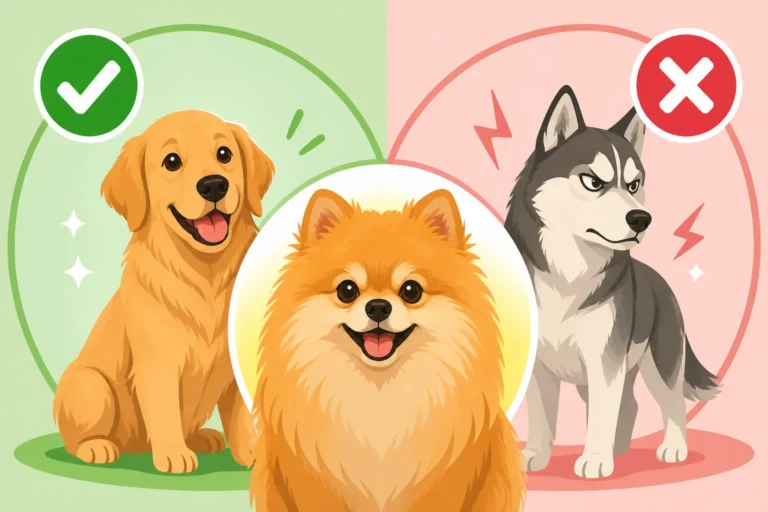
A Pomeranian can look like a puff of fur balanced on tiny legs, so it is natural to wonder whether this little dog is tougher than it appears. The answer is yes in some ways: many Pomeranians are alert, lively, and adaptable. But confidence and energy do not make a toy-sized body immune to falls, rough handling, heat, or breathing problems.
What people mean when they call a Pomeranian hardy
A bold temperament is not the same as a sturdy body
Pomeranians often approach the world with more confidence than their size suggests. A Pom may happily explore a new room, announce visitors, learn tricks, and insist on joining a walk. That spirited attitude is part of the breed’s appeal—and it can make a dog seem physically tougher than it is.
But a dog’s willingness to leap from a sofa or challenge a much larger dog is not a reliable measure of safety. A Pomeranian may not understand that its small frame can be injured by an ordinary household accident. Owners sometimes mistake fearless behavior for a need to let the dog handle every situation on its own.
It helps to distinguish temperament from physical resilience. A Pom can be mentally bold while still needing careful handling, supervised play, and a safe way onto and off furniture. That contrast is a big part of the answer to whether a Pomeranian is hardier than it looks: often, yes in personality; not necessarily in its ability to withstand impact.
A small dog can be adaptable without being rugged
Many Pomeranians do well in apartments, busy homes, and different daily routines when their needs are met. Their small size can make it easier to provide exercise and companionship without needing a yard. Regular walks, indoor games, training, and time with their people can keep a Pom engaged.
Adaptability has limits, though. A little dog can be overwhelmed by noisy environments or exposed to risks that a larger dog might manage more easily. A crowded dog park, a busy sidewalk, or a home where people move quickly without watching their step can all be challenging. Breed history and modern size are also worth keeping in perspective; The German Spitz Family a Pomeranian Belongs To helps explain the breed’s background, but it does not mean today’s very small companion dog is built for rough work.
A good rule is to let the individual dog set the pace while you manage the hazards. If your Pom is eager to explore, offer safe opportunities rather than assuming it can cope with every situation. Confidence is something to encourage, not a reason to skip supervision.
Where a Pomeranian needs extra protection
Falls, rough play, and bigger dogs
A Pomeranian can be injured by a fall from furniture, a slip on stairs, or a collision during play. This is especially important for puppies, older dogs, and Poms with existing mobility concerns. Even when a dog seems steady, jumping down from a high bed or sofa puts more strain on its small frame than stepping down from a low surface.
Make the home easier to navigate. Place a pet ramp or stable steps near favorite furniture, use rugs on slippery floors, and block access to steep stairs when you cannot supervise. Teach children to sit on the floor when interacting with the dog and not to lift or carry it without an adult’s help. If you are choosing equipment, sizing matters more than a cute design; stores such as Chewy may carry ramps and small-dog gear, but check the product dimensions and stability against your actual furniture.
Play with larger dogs needs careful management. A big dog may be friendly and still knock over a Pom while turning, pawing, or chasing. Introductions should be calm and supervised, with a way for the little dog to retreat. For more on managing those interactions, see Introducing a Pomeranian to a Larger Dog and A Five Pound Pomeranian Around Big Dogs.
Windpipe, knees, and other breed-related concerns
Pomeranians are among the small breeds that can develop tracheal collapse, a condition involving weakening of the cartilage that supports the windpipe. A persistent dry, honking cough deserves veterinary attention, particularly if it occurs with excitement, pulling, or pressure around the neck. Using a properly fitted harness rather than attaching a leash to a collar can help avoid putting direct pressure on the throat. The guide Why a Collar Threatens a Pomeranian's Windpipe explains this concern in more detail.
Luxating patellas, or kneecaps that shift out of their normal position, are another issue owners may hear about. Some dogs show an occasional skip in a hind leg; others may limp or seem uncomfortable. Do not assume that a brief skip is harmless or that every limp means surgery is needed. A veterinarian can examine the knee and advise on monitoring, treatment, or activity changes. You can read more in Slipping Kneecaps in a Five Pound Pomeranian.
These potential problems do not mean every Pomeranian is fragile or unwell. They do mean it is sensible to pay attention to changes in breathing, gait, or willingness to move. A small dog may hide discomfort, and a subtle change—such as avoiding a jump it used to make—can be useful information to share with your veterinarian.
| Situation | Why it matters for a small Pomeranian | A safer approach |
|---|---|---|
| Jumping off a bed or sofa | A fall can cause injury, even if the dog has done it before | Add stable steps or a ramp and supervise use |
| Walks on leash | Pulling against a collar can put pressure on the throat | Use a well-fitted harness and a lightweight leash |
| Play with larger dogs | A friendly collision can still knock a Pom down | Supervise closely and give the Pom an exit space |
| Hot weather | Small dogs can become overheated, and a thick coat can make comfort harder to judge | Choose cooler times, provide shade and water, and watch for distress |
| Slippery floors | Sliding can lead to awkward landings or falls | Add secure rugs or runners in high-traffic areas |
| Grooming or handling | Mats and hurried restraint can cause discomfort or fear | Use gentle, gradual handling and keep grooming sessions manageable |
Weather and daily care can make a real difference
The coat offers some protection, but it is not a weather-proof shield
A Pomeranian’s dense double coat can help provide insulation, but it should not be treated as a guarantee against cold or heat. A thick coat does not make every Pom comfortable in freezing weather, and it does not prevent overheating on a sunny walk. Age, health, body condition, activity level, and acclimation all influence how a dog handles the conditions outside.
In cold weather, pay attention to the dog in front of you rather than relying on the coat’s appearance. A Pom that shivers, slows down, lifts its paws, or tries to head home may be uncomfortable. In hot weather, avoid the hottest part of the day, offer water and shade, and keep walks short if the dog is panting heavily or seeking cool surfaces. For more seasonal detail, see Whether a Double Coated Pomeranian Copes With Heat and Whether a Pomeranian Suits a Cold Climate.
Grooming is part of comfort, too. Regular brushing helps prevent mats, which can pull at the skin and trap debris. Avoid shaving a Pomeranian simply because the coat looks warm; the coat has a protective role, and clipping it very short may interfere with how it functions. The guide The Double Coat That Makes a Pomeranian and Why It Stays On covers the coat’s layers and care needs.
Keep exercise steady and suited to the individual dog
Most Pomeranians benefit from regular movement and mental activity, but they do not need to prove their toughness through long, strenuous outings. Several comfortable walks, short training sessions, and indoor games can provide a useful mix. Watch for signs that your dog needs a break, such as lagging behind, sitting down, panting more than usual, or seeming reluctant to continue.
A dog’s weight affects how easily it moves and breathes. Extra weight can add strain, so use measured portions, keep treats modest, and ask your veterinarian what body condition is right for your particular Pom. Because a thick coat can disguise changes in shape, check by feel as well as by sight. You should be able to assess the ribs without pressing hard, while the waist should not disappear beneath the coat.
Exercise plans should also account for medical history and age. A young, healthy Pom may enjoy energetic play, while an older dog or one with knee or breathing issues may need shorter, gentler activity. If your dog has a cough, limp, or unusual fatigue, pause strenuous exercise and check with your veterinarian instead of trying to train through it.
How to raise a confident Pomeranian without taking unnecessary risks
Build independence through safe experiences
Protecting a small dog does not mean carrying it everywhere or preventing it from exploring. Too much restriction can leave a Pom unsure of ordinary experiences, while constant carrying may mean it misses chances to build confidence on its own four paws. The goal is supported independence: let the dog investigate safe places, meet suitable people and dogs gradually, and practice everyday skills at a comfortable pace.
Use a secure harness and leash outside, especially near traffic, open doors, or unfamiliar dogs. Make sure the harness fits snugly without rubbing or restricting movement; if you shop through Chewy or another pet retailer, compare measurements with the manufacturer’s sizing guide rather than guessing from weight alone. A good fit helps prevent escape, but it is still important to supervise walks and check for rubbing after use.
At home, reward calm behavior around common sounds and routines. A Pomeranian that barks at every movement outside may benefit from training that teaches it to notice a sound and then settle. A Pom that is nervous about grooming can practice brief, gentle handling before a full brush-out. These small experiences help a dog become more capable without asking it to cope with too much at once.
Make handling and emergencies less stressful
Teach everyone in the household how to pick up a Pomeranian safely: support the chest and hindquarters, keep the dog close to the body, and avoid lifting by the front legs. Children should not carry the dog unless an adult is right there to guide them. Even a well-meaning hug can feel restrictive, so let the Pom approach and leave rather than forcing contact.
Keep everyday supplies easy to find, including a leash and harness, grooming tools, and your veterinarian’s contact details. Chewy can be one place owners look for routine supplies such as brushes or harnesses, but equipment should be chosen for comfort and fit—not simply because it is labeled for small dogs. If your Pom coughs persistently, has trouble breathing, suddenly cannot bear weight, or seems severely unwell, contact a veterinary professional promptly.
The kindest approach is neither to treat a Pomeranian as breakable nor to assume it is invulnerable. Give it room to be curious and active, while setting up the home and outings so that a small mistake is less likely to become a serious injury. That balance lets the breed’s lively, hardy spirit show without asking its little body to take risks it does not need to take.
Disclaimer
This article is for general informational purposes only and does not constitute professional advice. Laws, prices and regulations vary by location and change over time. Consult a qualified professional for guidance on your specific situation.