The Twelve to Sixteen Years a Pomeranian Lives
It’s a thought that crosses every Pomeranian parent’s mind: just how long will I have with this fluffy, vibrant companion? When you bring a Pomeranian into your home, you're not just getting a pet; you're welcoming a tiny, spirited family member with a lifespan that, with the right care and a bit of luck, can stretch well into their teens. This comprehensive guide is here to shed light on what you can realistically expect regarding your Pomeranian's lifespan, explore the many factors that contribute to their longevity, and equip you with practical, heartfelt advice to ensure they live the fullest, healthiest life possible by your side.
Understanding the Typical Pomeranian Lifespan
The sheer joy and boundless energy a Pomeranian brings to life make us all wish they could live forever. While we can’t stop time, we can certainly influence the quality and length of their journey with us. Knowing the average lifespan and what contributes to it is the first step in advocating for your furry friend's long-term well-being.
Average Age Range for Pomeranians
Generally speaking, a well-cared-for Pomeranian can be expected to live anywhere from 12 to 16 years. This is a pretty solid run for a small breed dog, often outliving many larger breeds. It’s not uncommon to hear stories of Poms reaching 17, 18, or even 19 years old, still spry and sassy, reminding us that age truly is just a number. Of course, this range isn't a guarantee, but it gives you a good benchmark for what’s possible with proper care and a bit of good fortune. When considering How Long a Well Bred Pomeranian Actually Lives, genetics play a significant role, but daily choices from puppyhood onward are just as impactful.
The reality is, that 12 to 16 years covers a lot of ground. A Pomeranian that hits 12 is doing well, but one that makes it to 16 has truly thrived. Many factors contribute to where within that range your beloved companion will fall. It's a testament to the breed's hardiness, despite their delicate appearance, that they can enjoy such long, fulfilling lives. Every extra year is a gift, a bonus round of cuddles, zoomies, and that distinctive Pom bark.
Factors Influencing Longevity in Pomeranians
A Pomeranian's lifespan isn't a roll of the dice; it's a complex tapestry woven from genetics, environment, and the care they receive. Think of it as a combination of nature and nurture, where both elements are crucial in determining how many precious years you get together. Understanding these factors allows you to be a more proactive and informed owner, making choices that truly support their health.
Firstly, genetics are undeniably a huge component. A Pomeranian from a responsible breeder who prioritizes health testing and has a clear history of long-lived ancestors is starting life with a distinct advantage. This isn't just about avoiding obvious inherited diseases, but also about a strong constitution that can fend off common ailments. Conversely, Poms from puppy mills or backyard breeders, where health is often an afterthought, might face a shorter, more difficult life due to predisposed conditions or a weaker immune system. The choices made by breeders directly impact the puppy you bring home.
Secondly, nutrition and weight management play a monumental role. A Pomeranian fed a high-quality, balanced diet, appropriate for their age and activity level, will undoubtedly fare better than one eating cheap, filler-laden kibble. Overweight Poms are far more prone to serious health issues like diabetes, heart disease, and joint problems, all of which can drastically shorten their lifespan. Keeping them at a healthy weight, where you can easily feel their ribs but not see them, is one of the kindest things you can do for them. Think of it as fueling a finely tuned machine; you wouldn't put low-grade fuel in a sports car, and your Pom deserves the best nutrition to thrive.
Beyond the basics, preventative veterinary care is paramount. Regular check-ups, appropriate vaccinations, and consistent parasite prevention (fleas, ticks, heartworm) are non-negotiable. Early detection of any health issue, from dental problems to the beginnings of heart disease, can make a world of difference in treatment success and overall prognosis. An annual vet visit isn't just a formality; it's a vital health audit that can catch subtle changes before they become serious problems. This proactive approach saves lives and heartbreak.
Finally, a safe and enriching environment contributes significantly. This includes not just physical safety – preventing accidents like falls that can lead to broken bones or serious injuries – but also mental and emotional well-being. A Pomeranian who feels loved, secure, and mentally stimulated is less likely to suffer from stress-related health issues. Regular, gentle exercise, appropriate for their size, keeps their body strong, while interactive toys and playtime keep their minds sharp. A happy, engaged Pom is generally a healthier Pom.
Dispelling Myths About Pomeranian Lifespan
There are always whispers and old wives' tales floating around about dog breeds, and Pomeranians are no exception. It's important to sort fact from fiction, especially when it comes to something as crucial as their potential lifespan. Misinformation can lead to choices that might inadvertently shorten their time with you.
One common myth is that smaller dogs inherently live shorter lives. While this is true for some extremely tiny or "teacup" breeds which often suffer from significant health issues due to irresponsible breeding, the Pomeranian, when bred responsibly, actually has a relatively long lifespan for a dog. Their small size means less strain on their joints and organs compared to giant breeds, which often face more age-related orthopedic and cardiac issues at a younger age. For a healthy Pomeranian, being small is often an advantage in the longevity department. This is why it's important to understand Whether a Smaller Pomeranian Lives a Shorter Life from a reputable source.
Another myth often perpetuated by unethical breeders is that certain "rare" colors or coat patterns like merle or lavender lead to a longer or more unique life. In reality, coat color has no bearing on lifespan. In fact, some "rare" colors, particularly merle, can be associated with serious health problems if bred improperly. Double merle breeding, for example, is strongly linked to deafness and blindness, which would certainly impact a dog's quality of life and potentially its longevity if severe. Always prioritize health over aesthetics when choosing a breeder.
Lastly, some believe that Pomeranians are "fragile" and therefore prone to dying young from minor incidents. While Poms are small and require careful handling to prevent injury, they are generally robust little dogs. Their double coat provides excellent insulation, and a healthy Pomeranian is quite resilient. The idea of fragility often stems from misconceptions or unfortunate experiences with poorly bred individuals. A well-bred, well-socialized, and properly cared for Pomeranian is far from fragile; they are tough, spirited, and ready to take on the world, often for many years.
Genetics and Responsible Breeding for Longevity
The foundation of a long and healthy life for your Pomeranian is laid long before they ever come home with you. It starts with responsible breeding practices, a commitment to health, and a deep understanding of the breed's genetic predispositions. Choosing your Pomeranian from the right source is arguably the most critical decision you'll make regarding their potential lifespan.
The Role of a Good Breeder in Lifespan
A truly good breeder isn't just someone who produces cute puppies; they are a guardian of the breed's health and future. Their role in extending a Pomeranian's potential lifespan cannot be overstated. When you look for a Pomeranian puppy, you're not just buying a dog; you're investing in a lifetime of love, and a reputable breeder invests just as much in ensuring that lifetime is as long and healthy as possible.
Responsible breeders meticulously research pedigrees, understanding the health history of not just the parents, but also grandparents and beyond. They are actively trying to weed out genetic diseases and strengthen the gene pool. This means undertaking various health clearances and screenings for common Pomeranian ailments before breeding their dogs. They won't breed a dog with known hereditary issues, even if that dog is otherwise beautiful or has a winning show record. This diligence significantly reduces the chances your puppy will inherit debilitating or life-shortening conditions.
Furthermore, a good breeder prioritizes the overall well-being of their breeding dogs. They provide excellent nutrition, veterinary care, and a stimulating, loving environment. This ensures the dam is healthy and strong during pregnancy, which directly impacts the health and vitality of her puppies. Puppies born to healthy, well-nourished mothers tend to have stronger immune systems and a better start in life. A breeder who cares for their adult dogs is showing their commitment to the entire line, not just the puppies they sell.
Finally, a reputable breeder will be transparent and open with you. They'll readily share health certificates, answer all your questions about health history, and often provide a health guarantee. They'll also be a lifelong resource, offering support and advice as your Pomeranian grows. This ongoing relationship is invaluable, especially when you consider potential health issues later in your dog's life. This kind of breeder understands that they are placing a living being into your care and they take that responsibility seriously, which translates directly into better prospects for your Pomeranian's longevity.
Common Hereditary Conditions Affecting Lifespan
While Pomeranians are generally healthy, like all breeds, they are predisposed to certain hereditary conditions that can impact their quality of life and, in some cases, their lifespan. Being aware of these and understanding how responsible breeders work to mitigate them is crucial. These conditions often require careful management and can sometimes lead to significant veterinary expenses, which is where having good pet insurance like Healthy Paws can be a real lifesaver.
One of the most well-known issues in small breeds, including Pomeranians, is patellar luxation, or "slipping kneecaps." This is where the kneecap moves out of its normal groove, causing lameness, pain, and eventually arthritis. While not typically life-threatening on its own, severe cases can require surgery and significantly reduce mobility, impacting overall well-being. Breeders should have their breeding dogs screened for patellar luxation by a veterinary orthopedic specialist. You can learn more about this by reading our guide on Slipping Kneecaps in a Five Pound Pomeranian.
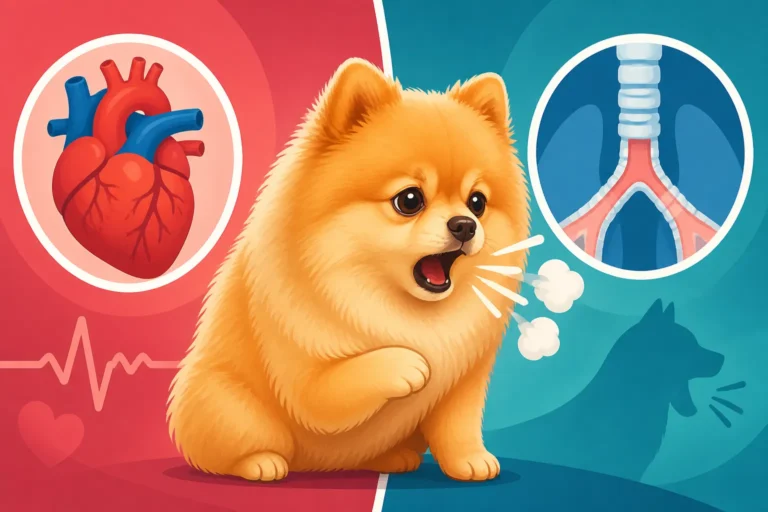
Tracheal collapse is another concern, common in toy breeds. The trachea (windpipe) is made of cartilage rings, and when these rings weaken, the trachea can flatten, making it difficult for the dog to breathe, leading to a distinctive honking cough. Severe cases can be life-threatening and require extensive management, sometimes even surgery. Breeders should strive to produce dogs with strong tracheal structures, although environmental factors and proper harness use (instead of collars) also play a role. Our article on The Honking Cough of a Pomeranian's Collapsing Windpipe provides more insight into this condition.
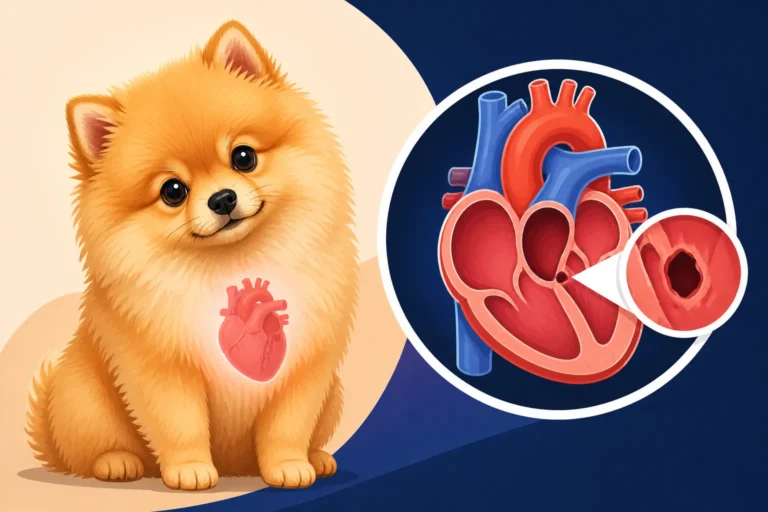
Heart conditions, particularly Patent Ductus Arteriosus (PDA), can also be a concern in Pomeranian puppies. PDA is a congenital heart defect where a vessel that should close shortly after birth remains open, leading to abnormal blood flow and putting strain on the heart. If left untreated, it can lead to congestive heart failure and a significantly shortened lifespan. Responsible breeders will have their puppies checked by a veterinary cardiologist for murmurs that could indicate PDA or other heart issues, especially before they go to their new homes.
Other conditions, while perhaps not directly life-threatening, can impact quality of life and overall health, indirectly affecting longevity. These include dental disease, which is rampant in small breeds due to crowded teeth and often goes unnoticed until severe, leading to systemic infections. Dental Disease in a Mouth the Size of a Pomeranian's highlights the importance of proactive dental care. Also, alopecia X (Black Skin Disease), while primarily cosmetic, can be a symptom of underlying hormonal imbalances that need investigation. While not usually fatal, it certainly impacts their health and comfort.
Avoiding "Teacup" Pomeranians and Associated Risks
The allure of an impossibly tiny "teacup" Pomeranian can be strong, but this trend often comes at a steep cost to the dog's health and, consequently, its lifespan. It's vital to understand that "teacup" isn't a recognized breed size by any reputable kennel club; it's a marketing term used by some breeders to command higher prices for undersized or premature puppies.
Breeding for extremely small size often means breeding the runts of litters, or dogs that carry genes for dwarfism or other growth abnormalities. These dogs are inherently more fragile and prone to a myriad of health problems. Their bones are often more brittle, making them susceptible to fractures from minor falls or jumps. Their tiny organs may not develop properly, leading to issues with their heart, lungs, and kidneys that can drastically shorten their lives.
Perhaps the most common and dangerous issue in teacup Pomeranians is hypoglycemia (low blood sugar), especially in puppies. Their tiny bodies have very little fat reserves and can quickly run out of energy, leading to lethargy, seizures, and even death if not managed immediately. Owners of these tiny pups often have to feed them every couple of hours around the clock, which is a stressful and demanding commitment. Our article on Feeding a Pomeranian Puppy Often Enough to Stay Safe delves into the critical feeding schedule needed for small puppies.
Beyond hypoglycemia, teacup Poms often suffer from open fontanelles (a soft spot on the skull that doesn't close), making them vulnerable to head trauma and hydrocephalus (fluid on the brain). They are also at a higher Anesthesia Risk in a Four Pound Pomeranian due to their delicate systems, making routine procedures like spaying/neutering or dental cleanings far more dangerous. The sad reality is that many "teacup" Pomeranians do not live to see their first birthday, or they require constant, expensive veterinary intervention throughout their shortened lives. This is why understanding What Teacup Breeding Costs a Pomeranian is essential for any potential owner.
Nutrition and Weight Management for a Long Life
Just like with us humans, what your Pomeranian eats and how much of it directly impacts their health, vitality, and ultimately, how long they stay with you. A proper diet isn't just about satisfying hunger; it's about providing the building blocks for a strong immune system, healthy organs, and sustained energy for all those delightful Pom antics.
Feeding for Optimal Health
Choosing the right food for your Pomeranian is a foundational step in ensuring their long-term health. Given their small size and specific needs, it's not a decision to be taken lightly. The market is saturated with options, from dry kibble to wet food, raw, and fresh diets, making it feel overwhelming at times.
When selecting a commercial dog food, look for high-quality brands that list a real meat source (like chicken, beef, or lamb) as the first ingredient. Avoid foods with excessive fillers, by-products, artificial colors, flavors, or preservatives. Small breed-specific formulas are often a good choice because they feature kibble sizes appropriate for tiny mouths and are typically formulated with slightly higher calorie densities to meet the metabolic needs of smaller, more active dogs. However, "small breed" isn't a magical designation; always check the ingredient list carefully. Brands like Royal Canin Small Breed or Hill's Science Diet Small Paws are popular choices, but many boutique brands also offer excellent options.
The amount you feed is just as important as the quality. Pomeranians have tiny stomachs and high metabolisms, but they don't need much food. Overfeeding, even by a small amount, can quickly lead to weight gain in such a petite dog. Always follow the guidelines on the food packaging as a starting point, but then adjust based on your dog's individual activity level, age, and metabolism. It’s always best to consult with your veterinarian to determine the precise calorie needs for your specific Pom.
Consider incorporating a mix of dry and wet food if your Pomeranian enjoys it. Wet food can increase hydration, which is beneficial, especially for older Poms or those prone to urinary issues. If you're considering a raw or home-cooked diet, it's absolutely crucial to work with a veterinary nutritionist to ensure it's complete and balanced. An improperly formulated homemade diet can lead to severe nutritional deficiencies or excesses that seriously jeopardize your Pomeranian's health. Remember, consistency is key; sudden changes in diet can upset their sensitive stomachs.
The Dangers of Obesity in Pomeranians
It's tempting to spoil our little Poms with extra treats and larger portions, but succumbing to those adorable puppy-dog eyes can have severe health consequences. Obesity is a silent killer, and in a breed as small as a Pomeranian, even an extra pound or two can significantly impact their well-being and shorten their life.
An overweight Pomeranian carries excess strain on their delicate joints, exacerbating conditions like patellar luxation and predisposing them to arthritis at a younger age. Imagine carrying a backpack filled with bricks all day – that's what even a small amount of extra weight feels like for your Pom. This increased joint stress leads to pain, reduced mobility, and a diminished quality of life.
Beyond orthopedic issues, obesity significantly increases the risk of serious metabolic diseases. Overweight Poms are far more prone to developing diabetes mellitus, a condition that requires daily insulin injections and careful dietary management. They also face a higher risk of heart disease, as their heart has to work harder to pump blood through a larger body mass, and respiratory problems, especially if they have any predisposition to tracheal collapse. Extra fat around the neck and chest can put added pressure on the windpipe, making breathing even more difficult for a Pom. Whether Weight Gain Worsens a Pomeranian's Windpipe is a critical question for owners to consider.
Moreover, overweight dogs tend to be less active, creating a vicious cycle where reduced exercise leads to more weight gain. This lack of physical activity can also impact their mental health, leading to boredom, lethargy, and even behavioral issues. It's a difficult conversation, but your veterinarian can help you assess your Pomeranian's ideal weight and create a safe weight loss plan if needed. It often involves a combination of portion control, switching to a lower-calorie food, and increasing gentle exercise. This commitment to weight management is one of the most impactful ways you can contribute to your Pomeranian's long-term health and happiness.
Hydration and Dental Care: Often Overlooked but Crucial
While food gets a lot of attention, two other aspects of daily nutrition and care are frequently overlooked, despite their profound impact on a Pomeranian's overall health and lifespan: adequate hydration and meticulous dental care. Neglecting these can lead to a cascade of problems that significantly reduce their quality of life.
Hydration is fundamental for every bodily function, from organ performance to temperature regulation. Always ensure your Pomeranian has constant access to fresh, clean water. Small, shallow bowls are often best for Poms, as they can sometimes struggle with deep bowls or get their ruffs wet. Consider stainless steel or ceramic bowls, as plastic can harbor bacteria. Some Poms are particular about their water; if yours isn't drinking enough, try a pet water fountain (many find the running water more appealing) or add a little low-sodium chicken broth to their water to entice them. Dehydration, especially in hot weather or during illness, can quickly become serious for a small dog.
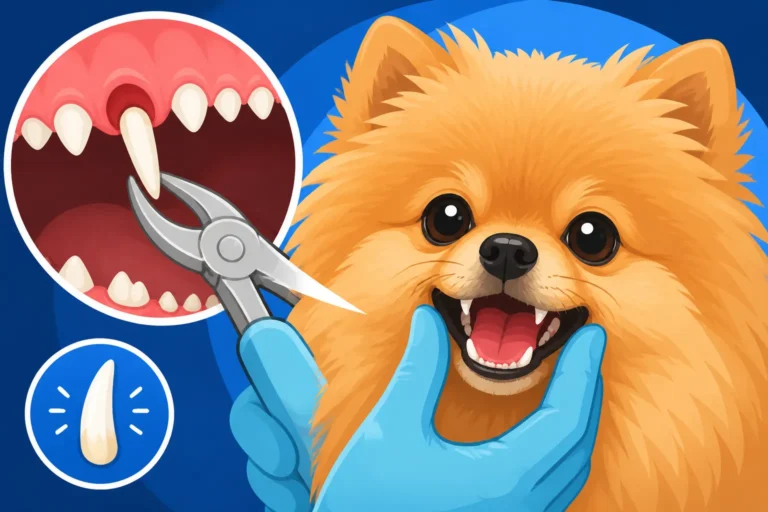
Dental care in Pomeranians is not just important, it's absolutely critical. Their small mouths are prone to overcrowding, which creates perfect little traps for food particles and bacteria. This quickly leads to plaque and tartar buildup, gum disease (periodontal disease), and eventually tooth loss. Untreated dental disease is not just about bad breath; the bacteria from infected gums can enter the bloodstream and travel to vital organs like the heart, kidneys, and liver, causing severe systemic infections and organ damage. This is one of The Conditions That Take Years Off a Pomeranian. Many older Poms suffer from severe dental disease, which significantly impacts their overall health and longevity.
The best defense is a proactive offense: daily tooth brushing. Yes, daily! It might seem daunting with such a tiny mouth, but with patience and positive reinforcement, most Poms can learn to tolerate it. Use a small, soft-bristled dog toothbrush or a finger brush and enzymatic dog toothpaste (never human toothpaste). Regular professional dental cleanings under anesthesia, as recommended by your vet, are also essential to remove tartar below the gum line. Dental chews and water additives can be helpful supplements but are not a substitute for brushing or professional cleanings. Investing in your Pomeranian's dental health is investing directly in their lifespan.
Preventative Healthcare and Regular Vet Visits
As Pomeranian parents, we often hope for the best but prepare for the worst. When it comes to their health, being proactive is truly the best defense. A consistent schedule of preventative care and regular veterinary check-ups is not just a recommendation; it's a cornerstone of ensuring your beloved Pom enjoys a long, healthy, and happy life.
Importance of Annual Checkups
Think of your Pomeranian's annual vet visit not as an expense, but as an investment in their future. These yearly check-ups are incredibly important for several reasons, acting as crucial checkpoints in their health journey. For small dogs like Poms, whose health changes can sometimes be subtle or masked by their fluffy coats, a vet's trained eye is invaluable.
During an annual visit, your veterinarian will perform a thorough physical examination, checking everything from nose to tail. They'll listen to their heart and lungs, palpate their abdomen, check their eyes, ears, and teeth, and assess their overall body condition. This comprehensive check allows the vet to establish a baseline for your individual dog's health, making it easier to spot any deviations or concerns in subsequent visits. Catching issues early, before they become advanced and more difficult to treat, is often the key to successful outcomes and improved longevity.
For example, a vet might detect a new heart murmur, a subtle lump, or early signs of joint pain that you, as an owner, might not have noticed. These early detections allow for prompt diagnostic testing and intervention. Blood work, often recommended as part of a senior panel for older Poms, can reveal underlying issues with organs like the kidneys or liver, or indicate conditions like thyroid disease, even before clinical signs appear. This proactive screening is especially important as Poms age. The Year a Pomeranian Starts Needing More definitely highlights the need for more frequent and detailed veterinary oversight.
These visits also provide an opportunity for you to discuss any changes in your Pomeranian's behavior, appetite, or activity level, no matter how small they seem. Your vet can offer guidance on nutrition, exercise, and behavior, tailoring advice to your dog's specific needs. It's a partnership in health, where open communication ensures your Pom receives the best possible care throughout their life.
Vaccinations and Parasite Prevention
Protecting your Pomeranian from preventable diseases and parasites is a fundamental aspect of extending their lifespan. These measures, while seemingly routine, are vital shields against common threats that can cause severe illness, pain, and even death, especially in a small breed.
Vaccinations are critical, especially for puppies, to build immunity against highly contagious and often deadly diseases like distemper, parvovirus, adenovirus, and rabies. Even adult Pomeranians need regular booster shots to maintain their protection. While some owners worry about over-vaccination, a discussion with your vet about titer testing (to check existing immunity) or tailored vaccination schedules can help ensure your Pom is protected without unnecessary exposure. The core vaccines are non-negotiable for most Poms, significantly reducing their risk of contracting devastating diseases.
Beyond vaccinations, consistent parasite prevention is equally important. This includes year-round protection against:
- Fleas and Ticks: These external parasites are not just annoying; they can transmit serious diseases like Lyme disease, Ehrlichiosis, and Anaplasmosis, which can lead to chronic health problems and shorten a dog's life. Flea infestations can also cause severe skin allergies and anemia, particularly dangerous for small puppies.
- Heartworms: Transmitted by mosquitoes, heartworms live in the heart and lungs, causing severe damage and eventually heart failure. Heartworm disease is costly to treat, dangerous, and often fatal if left undetected. Monthly preventative medication is crucial, even for indoor Poms, as a single mosquito bite can transmit the disease.
- Intestinal Worms: Roundworms, hookworms, whipworms, and tapeworms can cause a range of issues from nutrient malabsorption and poor growth in puppies to severe digestive upset and anemia in adults. Regular deworming, especially for puppies, and routine fecal exams are important preventative measures.
Many excellent preventative products are available, from oral tablets to topical applications, offering comprehensive protection against multiple parasites. Your veterinarian can recommend the best and safest options for your Pomeranian based on their lifestyle, local parasite prevalence, and overall health. Investing in these preventatives is a small price to pay for safeguarding your Pom's health and helping them live a full, unburdened life. Remember, some pet insurance plans like those from Healthy Paws might not cover routine preventatives, but they are essential for avoiding costly treatments for diseases that could have been prevented.
Recognizing Early Signs of Illness
One of the greatest gifts you can give your Pomeranian is your attentive observation. Poms are often stoic little creatures who might try to hide discomfort, so recognizing the early, subtle signs of illness is paramount to getting them timely veterinary care and preventing conditions from worsening. Early intervention can drastically impact the prognosis and lifespan.
As their primary caregiver, you are uniquely positioned to notice changes in your Pomeranian's normal behavior or routine. This intimate knowledge of your dog's quirks and habits makes you their first line of defense. Keep an eye out for any of these indicators:
- Changes in Appetite or Thirst: Is your Pom suddenly refusing food, or conversely, ravenously hungry? Is their water bowl emptying much faster or slower than usual? Both can be indicators of underlying health issues like dental pain, digestive upset, kidney disease, or diabetes.
- Lethargy or Decreased Activity: While Poms certainly enjoy naps, a noticeable drop in energy, reluctance to play, or prolonged periods of sluggishness can signal illness, pain, or even heart problems. If your normally playful Pom is suddenly withdrawn and quiet, it's a red flag.
- Changes in Urination or Defecation: Accidents in the house, increased frequency of urination, straining to urinate, or blood in the urine can indicate urinary tract infections or kidney issues. Diarrhea, constipation, or changes in stool consistency or color can point to digestive problems or parasites.
- Coughing, Sneezing, or Difficulty Breathing: Any persistent cough, especially a honking sound, could indicate tracheal collapse or heart disease. Excessive sneezing, nasal discharge, or labored breathing (open-mouth breathing, panting when not hot or exercising) warrants immediate veterinary attention.
- Limping or Reluctance to Move: Poms are prone to patellar luxation, so any limping, stiffness, or hesitation to jump or use stairs should be investigated. This could indicate pain, injury, or arthritis.
- Changes in Appearance: Dull coat, excessive shedding, skin lesions, swelling anywhere on the body, or changes in eye clarity or discharge can all signal health problems. Pay close attention to their eyes as Poms can develop The Eye Problems a Pomeranian Carries.
- Behavioral Shifts: Sudden aggression, increased anxiety, disorientation, or withdrawal can be symptoms of pain, cognitive dysfunction, or other neurological issues.
It's tempting to brush off minor changes, especially if they come and go. However, with a small dog like a Pomeranian, it's always better to err on the side of caution. A quick phone call to your vet, or a scheduled visit, can provide peace of mind or, more importantly, lead to a crucial early diagnosis that could save your Pom's life and ensure they continue to thrive for many years to come.
Exercise, Mental Stimulation, and Environmental Safety
A long life isn't just about avoiding illness; it's about living a full, happy, and enriching one. For your Pomeranian, this means a balanced approach to physical activity, engaging their sharp minds, and ensuring their environment is safe and supportive. These elements work together to build a resilient, well-adjusted dog capable of thriving for many years.
Appropriate Exercise Levels for a Pomeranian
Despite their small size, Pomeranians are energetic little dogs with a lively spirit, but their exercise needs are unique. It's about finding the right balance: enough activity to keep them fit and happy, but not so much that it risks injury or strains their delicate bodies. Over-exercising a Pom can be just as detrimental as under-exercising one.
A typical adult Pomeranian needs about 20-30 minutes of daily exercise, which can be broken into two or three shorter sessions. This isn't about marathon runs; it's about consistent, moderate activity. Daily walks are fantastic, allowing them to explore the world with their nose and get some gentle cardio. When walking your Pom, always use a harness instead of a collar to protect their trachea. A collar puts direct pressure on the windpipe, which can be disastrous for a breed prone to tracheal collapse. You can read more about this in our article on Why a Collar Threatens a Pomeranian's Windpipe.
Beyond walks, playtime at home is essential. Engaging in short games of fetch with soft toys, chasing a wand toy, or even just lively romps around the living room can burn off energy. Indoor activities are especially important during inclement weather or extreme temperatures. Remember, Poms don't always do well in excessive heat due to their double coats, and their small paw pads can be sensitive to very cold or hot pavement. Always supervise outdoor play to ensure they don't overexert themselves.
It’s also crucial to protect their joints. Pomeranians are prone to patellar luxation, and excessive jumping on and off furniture can exacerbate this condition or lead to injury. Consider providing dog ramps or steps for access to sofas and beds. This small adjustment can save their knees a lot of wear and tear over their lifetime. Our guide on Why Jumping Off Furniture Wrecks a Pomeranian's Knees offers more preventative tips. Listen to your Pom; if they seem tired or start lagging, it's time for a break. Their enthusiasm can sometimes override their physical limits, so it's up to you to manage their activity wisely.
Mental Enrichment for Cognitive Health
A long life isn't worth much if the mind isn't engaged and healthy. Pomeranians are intelligent, curious, and surprisingly clever dogs. Providing ample mental stimulation is just as important as physical exercise for their overall well-being and can even help stave off cognitive decline as they age. A bored Pom can quickly become a destructive or anxious Pom, which impacts their quality of life.
Puzzle toys are fantastic tools for mental enrichment. These toys dispense treats only after your Pom figures out how to manipulate them, turning mealtime into a stimulating game. Brands like Kong, Nina Ottosson, and Outward Hound offer a variety of difficulty levels, from simple sniff mats to complex multi-step puzzles. Start with easier puzzles and gradually increase the challenge to keep them engaged and prevent frustration.
Beyond toys, teaching new tricks or revisiting old commands can provide excellent mental workouts. Poms love to learn and thrive on positive reinforcement. Even just 5-10 minutes a day of training sessions can keep their minds sharp and strengthen your bond. Consider teaching them "find it" games where they have to sniff out hidden treats, or practicing nose work where they learn to identify specific scents. These activities tap into their natural canine instincts and provide a great outlet for their energy.
Socialization, even for adult Poms, contributes to mental health. Safe interactions with other well-behaved small dogs, or even just new people, can keep them socially adept and prevent anxiety or fear-based behaviors. Attending a basic obedience class, even if your Pom knows the commands, can be a fun way to engage their brains in a new environment. A well-rounded Pomeranian with a sharp mind is a joy to live with and is more likely to navigate the challenges of aging with grace.
Creating a Safe Home Environment
Given their small size and certain breed predispositions, creating a safe home environment for a Pomeranian isn't just good practice; it's a critical component of preventing accidents that could lead to injury or even shorten their lifespan. A safe home allows your Pom to explore and thrive without undue risk.
One of the most significant hazards for Pomeranians is falls. Their delicate bones, especially in puppies, can be easily fractured. This means being vigilant about surfaces they jump on and off. As mentioned before, pet ramps or steps for beds and sofas are highly recommended. Always supervise them around stairs, and for very young puppies or senior Poms, consider baby gates to block off stair access. Never let them jump from high places, even if it looks like a short distance.
Hazardous household items are another concern. Pomeranians are curious and will often investigate with their mouths. Keep cleaning supplies, medications, human foods (especially toxic ones like chocolate, xylitol, grapes, and onions), and small objects that could be choked on (buttons, coins, small toys) out of reach. Electrical cords should be secured or hidden to prevent chewing. Even common houseplants can be toxic, so research before bringing new greenery into your home.
Consider their small stature when it comes to interaction with other pets or children. While Poms can live happily with both, supervision is key. Teach children how to gently and properly interact with a small dog. Larger dogs, even friendly ones, can accidentally injure a Pomeranian during play, so ensure controlled introductions and supervised playtime. A dog crate or playpen can provide a safe haven where your Pom can retreat and feel secure, away from potential hazards or overwhelming situations.
Finally, temperature control is important. Due to their double coats, Pomeranians can overheat quickly in hot weather. Ensure they have access to shade and cool water when outdoors, and avoid walks during the hottest parts of the day. In winter, while their coat provides warmth, very small or elderly Poms might still benefit from a warm sweater if going outside in extreme cold. By thoughtfully 'Pom-proofing' your home, you create a sanctuary where your little companion can flourish safely for many wonderful years.
Managing Common Age-Related Conditions
As our beloved Pomeranians enter their senior years, it's inevitable that some age-related health issues will begin to surface. While these conditions can be challenging, understanding and proactively managing them can significantly improve their quality of life and often extend their healthy lifespan. It's about adjusting care to their changing needs.
Dealing with Dental Disease in Older Poms
Dental disease is often considered a "silent killer" in older Pomeranians, and it's perhaps one of the most widespread and preventable issues that can directly impact their longevity. It's not uncommon for Poms to start experiencing significant dental problems by the age of five, and by their senior years, it can be severe if not addressed.
The problem stems from their small jaws, which often lead to crowded teeth. This crowding, combined with their propensity for tartar buildup, creates an ideal environment for bacteria to flourish, leading to gingivitis and then periodontal disease. The insidious nature of dental disease is that it starts subtly, with bad breath often being the first noticeable sign. As it progresses, bacteria from infected gums can spread to the bloodstream, causing systemic inflammation and damage to vital organs like the heart, kidneys, and liver. This can exacerbate existing conditions or lead to new health crises, undeniably shortening their overall lifespan. This is why Dental Disease in a Mouth the Size of a Pomeranian's needs consistent attention.
For older Poms, regular professional dental cleanings under anesthesia are crucial. While anesthesia always carries a risk, especially for senior or small dogs, modern veterinary practices are highly skilled at minimizing this. Pre-anesthetic blood work, intravenous fluids, and close monitoring during the procedure significantly increase safety. The benefits of removing infection and pain often far outweigh the risks. After a thorough cleaning, your vet might recommend antibiotics to clear any residual infection.
Between professional cleanings, daily home care becomes even more critical for older Poms. If your Pom hasn't been accustomed to brushing, it might take patience to introduce it, but it's well worth the effort. There are also dental wipes, water additives, and enzymatic gels that can help reduce plaque buildup, though they are not as effective as brushing. Softening their kibble or switching to wet food can also make eating more comfortable for Poms with sensitive or missing teeth. Don't let dental pain be an overlooked factor in your senior Pom's declining health; addressing it can bring a remarkable improvement to their quality of life and potentially add years.
Supporting Joint Health as They Age
Joint issues are a common concern for many breeds, and Pomeranians, despite their small size, are no exception, particularly as they age. Conditions like patellar luxation, which can be present from a young age, often worsen with time, leading to arthritis and chronic pain. Proactive support for their joint health is paramount for maintaining mobility and quality of life in their senior years.
Patellar luxation, as we've discussed, involves the kneecap slipping out of place. Over time, this constant rubbing can wear down cartilage, leading to inflammation and the development of osteoarthritis. While surgery can correct severe luxation, many Poms live with lower grades of the condition, and their joint health needs careful management. Beyond patellar luxation, older Poms can simply develop age-related arthritis in any of their joints, leading to stiffness, pain, and reduced activity. Our detailed article on Slipping Kneecaps in a Five Pound Pomeranian provides more specific information on this common issue.
To support joint health, weight management is number one. Keeping your Pomeranian at a lean, healthy weight significantly reduces the strain on their joints, slowing the progression of arthritis. Every extra pound feels like many more to their small frame. Regular, gentle exercise, like short walks and controlled play, helps keep joints mobile and muscles strong, but avoid high-impact activities or excessive jumping that could aggravate existing conditions. Providing ramps or steps to access furniture is also crucial to prevent undue stress on their knees and hips.
Many veterinarians recommend joint supplements containing ingredients like glucosamine, chondroitin, and MSM for aging Pomeranians. Omega-3 fatty acids (fish oil) can also help reduce inflammation. These supplements may not reverse damage, but they can significantly improve comfort and slow progression. Always discuss supplement use with your vet to ensure appropriate dosing and to rule out any contraindications. For Poms experiencing significant pain, your vet might prescribe anti-inflammatory medications or other pain management strategies to keep them comfortable and mobile. Ensuring comfort and mobility is key to maintaining a good quality of life and keeping your Pom active and engaged throughout their senior years.
Respiratory Care for Senior Pomeranians
Respiratory issues are a major concern for Pomeranians throughout their lives, but they can become particularly challenging and life-limiting as they age. Conditions like tracheal collapse often worsen with time, and other factors, such as heart disease, can also contribute to breathing difficulties, making dedicated respiratory care vital for extending their comfortable lifespan.
Tracheal collapse is the most notorious respiratory issue in Pomeranians. As cartilage rings in the windpipe weaken, the trachea can flatten, making it hard to breathe and leading to a characteristic honking cough. In senior Poms, the cartilage can become even more degenerate, and the collapse more severe. Episodes of coughing and respiratory distress can become more frequent, especially with excitement, heat, or exertion. Managing this condition involves a multi-faceted approach, often including cough suppressants, anti-inflammatories, and sometimes bronchodilators to open airways. Keeping them calm, avoiding collars (always use a harness!), and keeping their weight down are crucial. You can dive deeper into this issue by exploring Managing a Pomeranian's Windpipe Without Surgery.
It's also important to remember that not all coughs are tracheal collapse. As Poms age, they are also susceptible to cardiac disease, particularly mitral valve disease, which can lead to congestive heart failure. One of the primary symptoms of heart failure is a cough, often moist and occurring at night or when resting, caused by fluid buildup in the lungs. Differentiating between a heart cough and a tracheal cough requires veterinary expertise, often involving chest X-rays and potentially an echocardiogram. Treating heart disease often involves medications to manage fluid retention and improve heart function.
Environmental management plays a huge role in respiratory care. Keeping the air clean by avoiding smoke, strong perfumes, and aerosol sprays is essential. Good air quality can prevent irritation to their delicate airways. In dry climates or during winter, a humidifier can add moisture to the air, which can be soothing for irritated tracheas. Additionally, preventing obesity is paramount, as excess weight puts extra pressure on the chest and lungs, making breathing more difficult. Every breath counts for an aging Pom with respiratory challenges, and meticulous care can significantly improve their comfort and extend their time with you.
Cognitive Dysfunction in Aging Pomeranians
Just like people, Pomeranians can experience cognitive decline as they age. This condition, often referred to as Canine Cognitive Dysfunction (CCD), is essentially canine Alzheimer's and can be distressing for both the dog and their family. While it doesn't directly shorten lifespan in the way heart failure might, it can significantly impact an older Pom's quality of life, leading to confusion, anxiety, and a breakdown in established routines.
Recognizing the signs of CCD is the first step towards managing it. Common symptoms include:
- Disorientation: Your Pom might seem lost in familiar surroundings, stare blankly at walls, or struggle to navigate around furniture. They might stand in a corner, unable to figure out how to move.
- Changes in Social Interaction: They might become more withdrawn, less interested in playing, or even seem to forget family members. Conversely, some Poms become more clingy or anxious.
- Sleep-Wake Cycle Disturbances: Older Poms with CCD might sleep more during the day but become restless, anxious, or vocal at night, sometimes wandering aimlessly. Our article, An Old Pomeranian That Wanders at Night, addresses this specific concern.
- House-Soiling: A previously perfectly house-trained Pom might start having accidents indoors, not out of defiance, but because they simply forget their training or where to go.
- Activity Level Changes: They might have a generalized decrease in activity or, paradoxically, an increase in aimless pacing or repetitive behaviors.
If you notice these signs, it's crucial to consult your veterinarian. There are medications available that can help slow the progression of CCD and alleviate some symptoms, improving your Pom's comfort and mental clarity. Your vet might also recommend dietary changes, such as foods enriched with antioxidants, omega-3 fatty acids, and medium-chain triglycerides, which can support brain health.
Creating a predictable routine and a familiar, safe environment can also greatly help a Pom with CCD. Keep furniture in the same places, maintain consistent feeding and potty schedules, and use baby gates if needed to prevent them from getting lost in parts of the house. Gentle, consistent positive reinforcement, mental stimulation through simple puzzle toys, and plenty of love and reassurance are all vital. While challenging, managing CCD allows your Pom to live out their remaining years with as much dignity and comfort as possible.
The Emotional Journey of Senior Pomeranian Care
Watching our energetic, playful Pomeranians slow down with age is a bittersweet experience. While we celebrate the many years we've had together, it also means adjusting to their changing needs and embarking on the emotional journey of senior dog care. This phase of life demands extra patience, empathy, and a deep commitment to maintaining their comfort and dignity.
Adjusting to an Aging Pomeranian's Needs
As your Pomeranian moves into their golden years, typically starting around age 8-10, you'll likely notice a shift in their physical and behavioral patterns. These changes aren't always immediate or dramatic, but rather a gradual evolution that requires you to adapt your care routine and expectations.
One of the most apparent changes will be a decrease in energy and activity levels. Your Pom might sleep more, play less vigorously, and be slower on walks. It's crucial not to force them into activities they can no longer comfortably do. Instead, adjust your walks to be shorter and more frequent, allowing them to dictate the pace. Remember those ramps for furniture? They become even more essential now. Providing easily accessible, comfortable beds in multiple locations can also ensure they always have a soft spot to rest without effort. You can find excellent advice on Helping an Old Pomeranian Onto the Couch as they lose agility.
Sensory changes are also common. Their eyesight might dim (you can learn more about Clouding Eyes in a Pomeranian Past Ten), and their hearing might become less acute. This can lead to them being startled more easily or seeming less responsive. When approaching an older Pom, make your presence known gently, perhaps by tapping the floor before you reach them. Use hand signals along with verbal commands if their hearing is failing. Patience is paramount; they aren't ignoring you, they just might not hear you as well.
Dietary adjustments may also be necessary. Older Poms might have a reduced appetite, or conversely, gain weight if their activity decreases but their food intake doesn't. Their dental issues might make hard kibble uncomfortable, so softening their food or switching to a wet or fresh diet could be beneficial. Consult your vet to adjust their calorie intake and discuss any supplements that might support joint health, cognitive function, or organ function. Their metabolism slows down, so their caloric needs often decrease, and the right nutrition becomes even more specific.
Maintaining Quality of Life in Their Golden Years
Maintaining a high quality of life for your senior Pomeranian is about more than just keeping them alive; it's about ensuring their remaining years are comfortable, joyful, and filled with love. This often involves a holistic approach, addressing physical, mental, and emotional needs.
Pain management is often central to maintaining quality of life. Many older Poms suffer from some degree of arthritis or other chronic pain. Work closely with your vet to identify sources of pain and explore options. This might include prescription pain medications, anti-inflammatory drugs, therapeutic diets, physical therapy (like gentle massage or hydrotherapy), or even alternative therapies like acupuncture. Ensuring they are pain-free or have their pain well-managed can dramatically improve their mobility, appetite, and overall demeanor.
Environmental modifications play a huge role. Besides ramps and soft beds, consider non-slip rugs on slick floors to prevent falls. If their vision is poor, avoid rearranging furniture. Nightlights can help a disoriented Pom navigate in the dark. A familiar, predictable routine provides comfort and security, especially for those experiencing cognitive decline. This includes consistent feeding times, potty breaks, and bedtime routines.
Continued mental and emotional engagement is crucial. While they may not chase a ball for hours, gentle playtime, interactive puzzle toys, and short, positive training sessions (even just reviewing basic commands) can keep their minds active. Cuddle time, gentle grooming, and quiet companionship are more important than ever. Your presence and affection provide immense comfort and reassurance. This is the time to really lean into your bond and give them all the love they deserve.
Pet insurance, such as through Healthy Paws, can be incredibly beneficial during these years, helping to cover the often-increased costs of diagnostics, medications, and specialized treatments associated with senior care. It allows you to make care decisions based on your Pom's needs, rather than solely on financial constraints, ensuring you can provide the best possible quality of life. By focusing on comfort, managing pain, and cherishing every moment, you can ensure your senior Pomeranian's golden years are truly golden.
Preparing for the End-of-Life Journey
This is perhaps the hardest part of being a pet parent, but it’s an inevitable reality for anyone who loves an animal deeply. Preparing for the end-of-life journey for your Pomeranian, while heartbreaking, is an act of profound love and responsibility. It involves making difficult decisions with compassion and ensuring their final days are filled with peace and dignity.
The conversation with your veterinarian about your Pomeranian's quality of life is one of the most important you'll have. Your vet can provide an objective assessment of their condition, pain levels, and prognosis. They can help you evaluate if your Pom is still enjoying life, even with adjustments, or if their suffering outweighs their moments of joy. There are scales and checklists available, often referred to as "quality of life assessments," that can help guide this difficult decision, looking at factors like pain, appetite, hydration, hygiene, happiness, and mobility. Our guide, The Day You Decide for an Old Pomeranian, offers more insight into this process.
Consider your Pomeranian's comfort. If they are no longer able to eat, drink, or move comfortably, if they are in chronic pain that cannot be managed, or if they are experiencing severe anxiety or confusion due to cognitive decline, it might be time to consider humane euthanasia. This decision is never easy, and it often feels like the ultimate betrayal, but it is often the last loving act we can do to spare them further suffering.
Planning for their final moments can bring a small measure of peace. Many veterinary clinics now offer in-home euthanasia, allowing your Pomeranian to pass away peacefully in the comfort and familiarity of their own home, surrounded by their loved ones. Discuss options for aftercare, such as cremation (individual or communal) or burial, ahead of time. Knowing these details are handled can alleviate some stress during an incredibly emotional period.
Allow yourself to grieve. The bond with a Pomeranian is deep and profound, and losing them is truly like losing a family member. There is no right or wrong way to grieve, and it’s important to give yourself permission to feel all the emotions that come with such a loss. Surrounding yourself with supportive friends and family, seeking out pet loss support groups, or connecting with online communities can provide immense comfort during this difficult time. While the pain of goodbye is immense, the memories of the years shared, the unconditional love received, and the joy they brought into your life will remain forever.
Disclaimer
The information provided in this article is for general informational purposes only and is not intended as a substitute for professional veterinary advice. Always consult with a qualified veterinarian for any health concerns or before making any decisions about your Pomeranian's health or treatment plan.