Blow Drying a Pomeranian’s Coat Out Straight
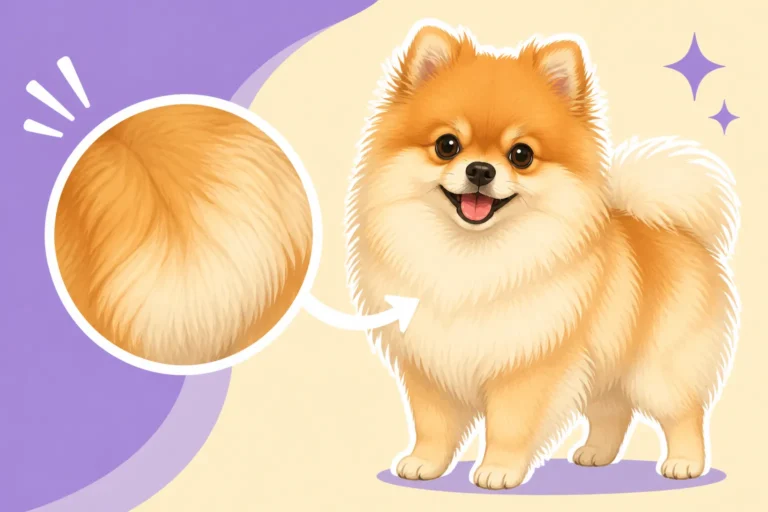
There's nothing quite like the sight of a perfectly fluffed Pomeranian, with that glorious coat standing out from its body, creating that iconic round, teddy-bear silhouette. But for many Pomeranian parents, achieving that look after a bath feels like an impossible dream. You wash your little fluffball, and instead of a majestic cloud, you're left with a somewhat matted, damp, and certainly not "straight out" looking dog. It's frustrating when you see professional groomers achieve it so effortlessly, and you wonder if you're missing some secret trick. This guide is here to demystify the art of blow-drying your Pomeranian's coat out straight, helping you master the techniques and tools for that show-stopping fluff, right at home.
Understanding the Pomeranian's Double Coat Before You Dry
Before you even think about hitting the "on" switch of your blow dryer, it’s absolutely essential to understand the unique structure of your Pomeranian's coat. This isn't just fluffy hair; it's a marvel of nature designed to keep them warm and protected, and improper care can lead to damage that's incredibly difficult to reverse. Recognizing the distinct layers and their purpose is the first step toward achieving that coveted straight, voluminous look without causing harm.
The Guard Hair and Undercoat of a Pomeranian
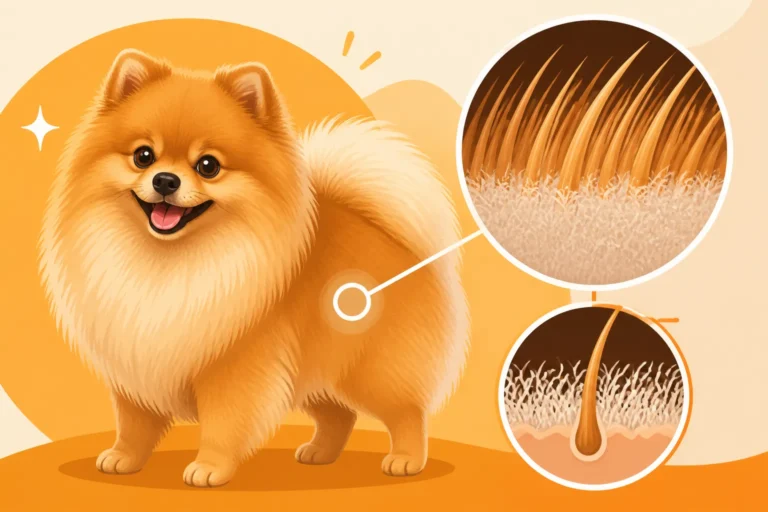
Your Pomeranian boasts what's known as a double coat, and it's this intricate design that gives them their distinctive appearance. Think of it as two separate blankets working in tandem. The outer layer consists of long, coarse guard hairs. These are the hairs you see, giving the coat its color and texture. They're strong, straight, and designed to protect your Pom from elements like dirt, debris, and moisture. They also give the coat its "stand-off" quality, making it look full and round.
Beneath this protective layer lies the undercoat. This is where the true fluff magic happens! The undercoat is dense, soft, and woolly, providing insulation against both cold and heat. It's much shorter than the guard hairs and tends to shed seasonally, a process known as "blowing coat." When you're aiming to blow dry your Pomeranian's coat out straight, you're essentially working to align both these layers, separating the undercoat from the guard hairs and fluffing them both to their maximum potential. Ignoring either layer during brushing and drying will result in a flat, possibly matted, and certainly not "straight out" appearance. The Double Coat That Makes a Pomeranian and Why It Stays On dives deeper into this fascinating aspect of the breed.
Why a Shaved Pomeranian May Not Regrow
This understanding of the double coat is also critical to avoiding one of the most heartbreaking mistakes a Pomeranian owner can make: shaving. Many owners, especially in warmer climates, or those struggling with mats, might consider shaving their Pomeranian. However, shaving a double-coated breed like a Pomeranian can lead to a condition known as "Post-Clipping Alopecia" or "Coat Funk," which is often referred to by owners as Black Skin Disease and the Pomeranian Coat That Never Returns. When the guard hairs are completely removed, the softer undercoat is exposed to the elements, and in some cases, the follicles can be permanently damaged.
What often happens is that the undercoat grows back thicker and cottony, while the stronger guard hairs fail to return, or return very sparsely. This results in a coat that no longer stands off the body, mats easily, and doesn't offer the same thermal regulation it once did. It can take years for a shaved coat to potentially recover, and sometimes it never fully does. This is why proper drying and regular grooming are not just about aesthetics, but about preserving the health and integrity of your Pomeranian's unique coat. Learning to blow dry correctly helps you manage the coat without resorting to damaging practices. Why Shaving a Pomeranian Can End Its Coat explains this risk in more detail.
Essential Tools for a Straight, Fluffy Pomeranian Coat
Achieving that glorious, fluffy, straight-out Pomeranian coat isn't just about technique; it's heavily dependent on having the right tools for the job. You wouldn't try to bake a fancy cake without the proper mixer and pans, would you? The same goes for grooming your Pom. Investing in quality equipment specifically designed for double coats will make your life infinitely easier and the results far more impressive. Skimping on these essentials often leads to frustration, damaged coats, and a less-than-stellar finish.
Choosing the Right Blow Dryer for Your Pomeranian
Forget your personal hair dryer; it's simply not cut out for a Pomeranian's dense double coat. Human hair dryers are often too hot, can easily burn delicate canine skin, and lack the powerful airflow needed to efficiently separate and dry the undercoat. What you need is a pet-specific force dryer, sometimes called a high-velocity dryer or a pet blaster.
These dryers are designed with powerful motors that push a high volume of air at a lower heat setting, or often with no heat at all. The force of the air is what does the work, pushing water out of the coat and straightening the individual hairs as they dry. Look for models with variable speed and temperature settings, allowing you to control the intensity for different areas of your dog's body and comfort levels. Some popular and reliable brands offer excellent pet dryers that are relatively quiet (a big plus for sensitive Poms!) and durable. You can often find a good selection on platforms like Amazon or Chewy, reading reviews from other small dog owners. A stand dryer can also be a game-changer, freeing up both your hands to brush and direct the airflow simultaneously, which is crucial for getting that coat perfectly straight.
| Dryer Type | Airflow (Power) | Heat | Ideal Use | Pros | Cons |
|---|---|---|---|---|---|
| Human Hair Dryer | Low | High | Human hair | Convenient (if you already own one) | Too hot, insufficient airflow, potential burns |
| Pet Force Dryer | High | Low/None | Double coats, de-shedding, fast drying | Powerful, efficient, safer for skin, fluffs coat | Can be noisy, initial investment |
| Stand Dryer | Medium-High | Low/None | Hands-free drying, ideal for precision fluffing | Allows two-handed brushing, less strain | Larger footprint, often higher cost |
Brushes and Combs for Blow Drying
While the dryer does the heavy lifting in separating the coat, your brushes and combs are the sculptors, ensuring each hair dries straight and untangled. You'll primarily need two types of brushes: a good quality slicker brush and a metal comb.
A slicker brush, with its fine, wire bristles, is indispensable for working through the dense undercoat. As you dry, you'll use this brush to gently pull the hair away from the body, ensuring the air reaches every layer and that the hair dries straight. Look for a slicker with coated tips or flexible pins to minimize discomfort for your Pomeranian. The Slicker and Pin Brush a Pomeranian Needs offers more specific guidance on selecting the best types.
A fine-toothed metal comb, often called a Greyhound comb, is your finishing tool. After brushing a section with the slicker, run the comb through it. If the comb glides smoothly, you know that section is entirely tangle-free and straight. If it snags, go back with your slicker brush until it passes through easily. Remember, you should never try to pull a comb through a knot; that's a recipe for pain and coat damage. You might also want a pin brush for general grooming and fluffing, especially once the coat is mostly dry.
Coat Products That Aid in Straightening
While not strictly necessary for every bath, certain coat products can significantly enhance your blow-drying efforts, making the coat easier to manage, straighter, and shinier. These often fall into the category of conditioning sprays or detanglers.
After a thorough wash with a good quality shampoo (and remember, Shampoo That Will Not Flatten a Pomeranian's Coat is key!) and conditioner, a leave-in conditioning spray can be applied to the damp coat. This helps to hydrate the hair, making it more pliable and reducing static as you dry. It can also act as a detangler, making the brushing process smoother. Some products are specifically formulated to add body or help straighten the coat. Just be sure to choose products designed for dogs and suited for double coats, avoiding anything too heavy that might weigh down your Pom's naturally light and fluffy fur. A light, anti-static finishing spray can also be used once the coat is completely dry to lock in the straightness and prevent frizz. You can find a vast array of these products available from reputable online retailers like Chewy or your local pet supply store.
The Step-by-Step Process for Blow Drying a Pomeranian
Now that you've got your tools ready and understand your Pomeranian's amazing double coat, it's time to dive into the actual drying process. This isn't just about pointing a dryer at your dog; it's a methodical, gentle, and intentional process that builds layer by layer to achieve that stunning, fluffy, straight-out look. Patience is your best friend here, especially if your Pom isn't used to the sensation of a forced air dryer.
Preparing Your Pomeranian for Drying
The foundation of a good blow dry starts even before the bath. Regular maintenance brushing helps keep mats at bay, making post-bath grooming much easier. Before the bath, thoroughly brush your Pomeranian's coat to remove any loose hair or tangles. Mats, when wet, can tighten and become almost impossible to remove without cutting. Working a Pomeranian's Coat in Sections to the Skin is a great resource for this pre-bath detangling.
Once brushed, give your Pom a thorough bath using a quality shampoo and conditioner. Ensure you rinse all products completely from the coat, as residue can cause skin irritation or make the coat feel greasy and dull. After rinsing, gently squeeze out as much excess water as possible from the coat. Avoid rubbing vigorously with a towel, as this can create tangles. Instead, blot the coat dry with a super absorbent microfiber towel. Some owners even use a "dog robe" or a second, dry towel to wrap their Pom for 10-15 minutes to allow more water to wick away naturally. The goal is to get the coat as damp as possible, rather than soaking wet, before you introduce the dryer. This cuts down on drying time and reduces stress for both of you.
Sectioning the Coat for Efficiency
Trying to dry your Pomeranian's entire coat at once is like trying to eat an elephant in one bite – impossible and messy. The key to a straight, fluffy finish is to work in small, manageable sections. This allows you to focus the airflow and brush each individual hair effectively, ensuring it dries completely and straight.
Start by placing your Pomeranian on a non-slip surface at a comfortable height for you, like a grooming table or a sturdy counter with a non-slip mat. Begin at the back of the dog, perhaps around the hindquarters or tail. Using a comb, carefully part a small section of hair, exposing the skin. Pin or clip the surrounding hair out of the way. This isolated section is where you'll begin your drying process.
As you work, imagine drawing lines across your dog's body, drying each "strip" of coat meticulously before moving to the next. For instance, after drying a section on the hind leg, you might move up to the next section on the body, then around to the opposite side. This systematic approach ensures no area is overlooked and prevents the coat from air-drying and curling before you get to it.
Mastering the Blow Dry Technique
Now for the main event! With your Pomeranian prepped and sectioned, turn on your force dryer to a low-to-medium setting, adjusting the airflow and temperature to your dog's comfort. Always test the air on your own skin first to ensure it's not too hot.
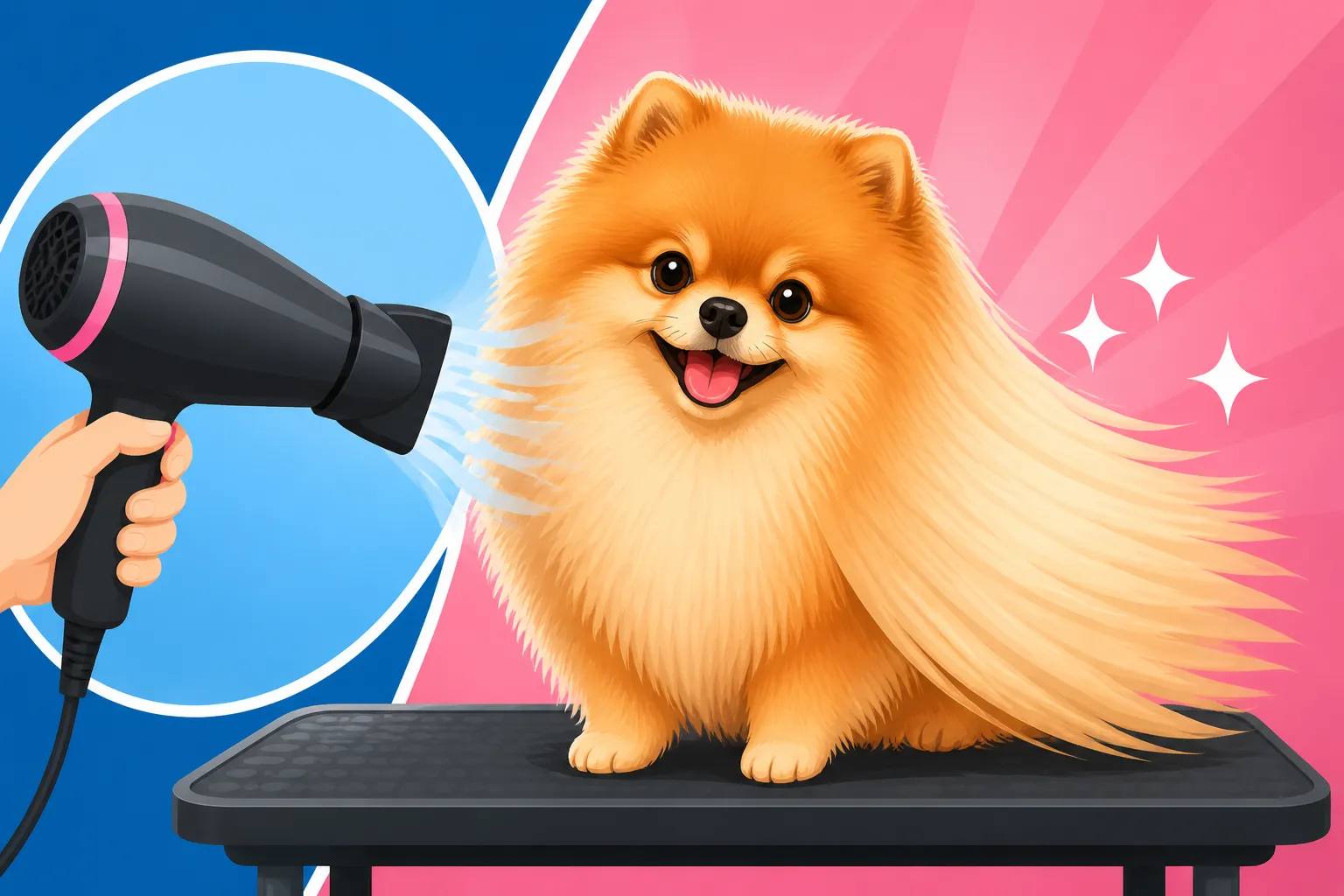
Hold the nozzle of the dryer about 6-12 inches away from the coat. Point the airflow directly at the skin, moving it constantly to prevent hot spots. With your free hand, take your slicker brush and brush the hair against the natural direction of growth, gently pulling it upwards and outwards from the body. This technique is crucial for separating the undercoat from the guard hairs and encouraging them to stand out straight.
As you brush against the growth, follow immediately with the dryer, directing the air into the base of the hair shaft. You'll literally be "fluffing" the hair as it dries. Once that small section feels completely dry and stands out beautifully, use your metal comb to check for any missed tangles or damp spots. If the comb glides through, you've done that section perfectly. Release the next section of hair and repeat the process. Pay special attention to dense areas like the ruff around the neck and the britches on the hindquarters. Drying a Pomeranian Without Damaging the Coat reinforces the importance of using the right heat and technique. For Poms who might be a bit wary of the dryer, Getting a Pomeranian Used to a Blow Dryer can offer some helpful desensitization tips.
Common Challenges and Troubleshooting When Drying a Pomeranian
Let's be real: grooming a Pomeranian, especially blow-drying for that perfect fluff, isn't always a walk in the park. You might encounter resistance, knots that refuse to budge, or worries about discomfort. It's completely normal to face challenges, and every experienced Pom owner or groomer has been there. The good news is that most common issues have practical solutions, often involving a bit of patience, the right approach, and sometimes, a slight adjustment to your technique or tools.
Dealing with Matting During Drying
Matting is perhaps the most frustrating challenge when dealing with a Pomeranian's dense double coat. It’s a vicious cycle: mats trap moisture, making them harder to dry, and trying to force a dryer through a wet mat only tightens it further, potentially causing pain and skin irritation. The absolute golden rule is to never dry a matted coat.
If you discover mats during your pre-bath brush-out, they must be addressed before the bath. Try to gently work them out with a detangling spray and a comb, starting from the outer edges of the mat and working inward. For stubborn mats, a mat splitter or a seam ripper can be used with extreme caution, cutting into the mat, not across the hair, to break it apart. If a mat is too tight or close to the skin, it's safer to carefully clip it out with blunt-nosed scissors, always pointing away from the skin, or better yet, take your Pom to a professional groomer. Cutting a Mat Out of a Pomeranian details how to approach this. Remember, prevention is key: consistent daily brushing, especially in high-friction areas like behind the ears, armpits, and under the harness, is your best defense against matting. Preventing Mats Where a Pomeranian's Harness Sits offers specific advice for these areas.
When Your Pomeranian Hates the Dryer
The loud noise and powerful airflow of a force dryer can be intimidating for some Pomeranians, leading to anxiety, struggling, or even snapping. This is a common hurdle, but it's not insurmountable. The key is desensitization and positive reinforcement.
Start by introducing the dryer in short, positive sessions without turning it on. Let your Pom sniff it, reward them with treats. Then, turn it on to the lowest setting, far away from them, and continue with treats and praise. Gradually bring the dryer closer, letting them get used to the sound and sensation. Don't point the air directly at them initially. Aim it at your hand or the floor, then slowly move to their body, starting with less sensitive areas like their back or hindquarters.
Keep sessions short (5-10 minutes) and always end on a positive note. Use high-value treats and lots of verbal praise. If your Pom gets too stressed, stop and try again later. Some Poms may benefit from cotton balls in their ears to muffle the sound (remove immediately after drying!). You might also try a "happy hoodie" or a towel wrapped around their head to reduce noise and ear flapping. Over time, many Poms learn to tolerate, and some even enjoy, the drying process. Consistency and patience are paramount. A Pomeranian That Screams During Brushing or Getting a Pomeranian Used to a Blow Dryer offers more in-depth strategies for dealing with grooming-related anxiety.
Preventing Overheating and Skin Irritation
Pomeranians can easily overheat, especially during grooming, due to their dense coat and small size. Their skin is also delicate and prone to irritation if not handled properly. Keeping your Pom safe and comfortable is always the top priority.
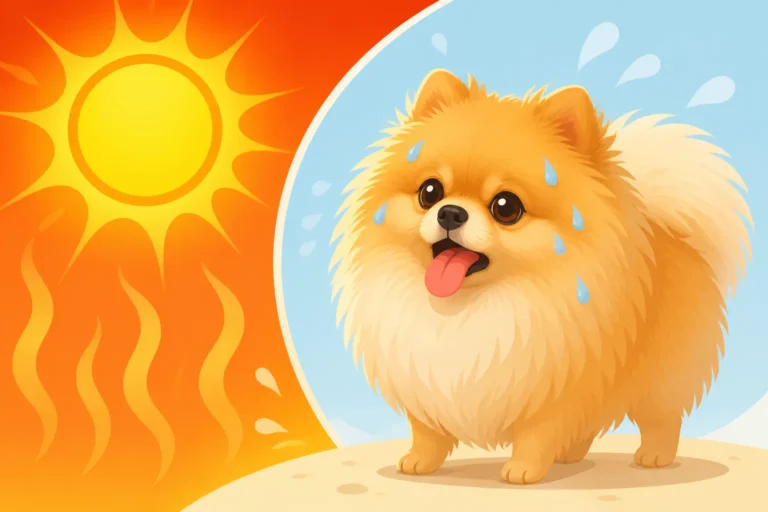
Firstly, always use a force dryer designed for pets, which prioritizes airflow over high heat. Most professional groomers use cool or low-heat settings. Continuously move the dryer nozzle; never leave it pointed at one spot for too long. Monitor your Pomeranian for signs of overheating: excessive panting, bright red gums, lethargy, or seeking to escape. If you notice any of these, stop immediately, give them a break, and offer water.
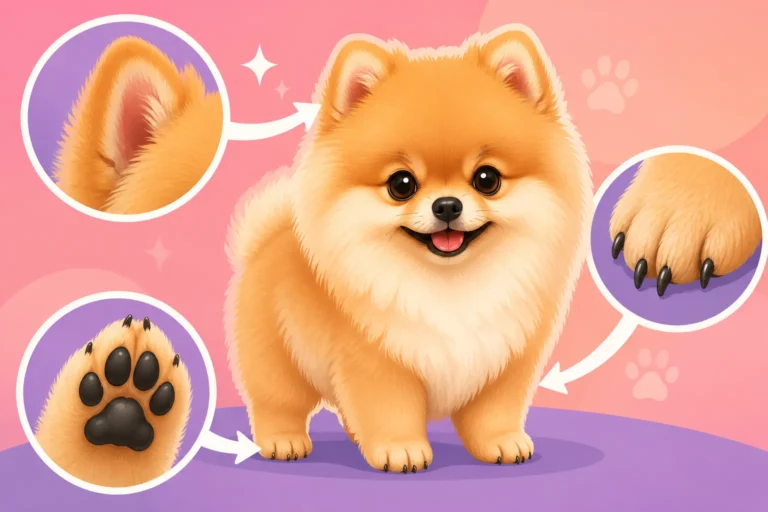
During brushing, be gentle. The slicker brush, while effective, can scratch the skin if used too aggressively, especially on areas with thin skin or less coat coverage. Use a light touch, focusing on brushing through the coat rather than pressing into the skin. If your Pomeranian has any skin conditions, hot spots, or allergies, be extra cautious and consult your vet before using any new products or techniques. A well-ventilated room is also essential to prevent the area from getting too warm for both you and your Pom.
Maintaining That Fluffy Finish Between Baths
You've put in the effort, and your Pomeranian is looking like a glorious, fluffy cloud! Now, the goal is to maintain that pristine look for as long as possible between baths. It's not just about aesthetics; regular maintenance also contributes to your Pom's comfort and prevents major grooming headaches. Neglecting the coat for even a few days can quickly lead to tangles and mats that undo all your hard work.
Daily Brushing to Prevent Mats and Maintain Straightness
The single most important habit for maintaining your Pomeranian's fluffy coat is daily brushing. Yes, daily! While it might sound like a lot, these sessions don't need to be long, especially if you're consistent. Just 5-10 minutes a day can make a world of difference.
Daily brushing helps to remove loose hair from the undercoat, preventing it from tangling and forming mats. It also distributes natural oils, keeping the guard hairs healthy and shiny. When brushing, use your slicker brush and work in small sections, always brushing down to the skin. Pay particular attention to areas prone to matting, such as behind the ears, in the armpits, and around the "britches" (the fluffy hair on their hindquarters). Brushing daily also helps to keep the hair straight and prevent kinks that can develop from sleeping or play. Think of it as a mini-fluff session every day. How Many Times a Week a Pomeranian Is Brushed emphasizes this routine.
Quick Touch-Ups for Humidity or Dampness
Even the most perfectly blow-dried Pomeranian can fall victim to humidity or a sudden damp patch from outdoor adventures. A little bit of moisture can quickly cause that straight coat to curl and flatten, especially the softer undercoat.
For quick touch-ups, you don't need a full bath and drying session. Keep a small, handheld cool-setting dryer and a slicker brush handy. If your Pom gets damp from rain, morning dew, or even just high humidity, gently mist the affected area with a light, dog-safe leave-in conditioner or anti-static spray. Then, use your small dryer on a cool setting, brushing the hair out and up, just as you did during the full drying process. This will help re-fluff and straighten the coat without having to re-wet the entire dog. This is especially useful for maintaining the pristine look of the ruff and tail plume, which are often the first to lose their "stand-off" quality.
Understanding When Your Pomeranian Needs Professional Help
While home grooming is incredibly rewarding and cost-effective, there are times when seeking professional help is the best course of action. Recognizing these moments can save your Pomeranian from discomfort and your sanity from frustration.
If your Pom develops severe matting that you can't safely brush out at home, a professional groomer has the tools and expertise to remove them without causing injury or undue stress to your dog. They might use specialized clippers or techniques that you're not equipped for. Similarly, if your Pomeranian absolutely refuses to tolerate the dryer despite your best desensitization efforts, a professional groomer may have quieter equipment, different techniques, or a more calming environment that helps your dog.
Professional groomers can also offer advice on coat maintenance specific to your dog's texture and lifestyle. They can provide regular "fluff and buff" appointments that keep your Pom looking its best, often on a The Grooming Schedule a Pomeranian Runs On that works for you. Don't view seeking professional help as a failure; it's a responsible part of Pomeranian ownership, ensuring your beloved companion always looks and feels their best.
Disclaimer
This article is for general informational purposes only and does not constitute professional advice. Laws, prices and regulations vary by location and change over time. Consult a qualified professional for guidance on your specific situation.