How High the Pomeranian Sits in AKC Rankings
It's quite natural to wonder where your beloved Pomeranian stands in the grand scheme of dog breeds, especially when you see how popular they are with so many people. The American Kennel Club (AKC) rankings offer a fascinating glimpse into which breeds capture the hearts of the nation, and our spirited little Poms often hold a surprisingly prominent spot. If you're curious about the factors contributing to their consistent popularity and what those rankings actually mean for owners, this guide will delve into the details.
Understanding How AKC Rankings Work for Breeds
The American Kennel Club's annual rankings are more than just a popularity contest; they reflect the number of individual dogs of each breed registered with the AKC each year. This isn't about how many dogs are born in a year, or how many are owned in total, but specifically how many new puppies and previously unregistered adult dogs are formally enrolled into the AKC's registry. It's a snapshot, really, of current trends in purebred dog ownership within the United States.
When you see a breed, like our charming Pomeranian, sitting high on that list, it signals a strong and sustained interest from prospective owners and breeders. This consistent registration is what gives a breed its rank. It’s also important to remember that these rankings are specific to the AKC, which primarily registers purebred dogs bred to a specific standard. Dogs from unknown parentage or those bred outside of established purebred lines wouldn't contribute to these numbers.
What Goes Into the AKC's Annual Popularity Report
The AKC tallies up all the individual registration applications they receive for each recognized breed throughout the year. Every new puppy from a registered litter, every adult dog imported from another country with valid pedigree papers that meets AKC standards, and any dog being registered for the first time by an owner, all contribute to that breed's total count. At the end of the year, they compile these numbers, and the breed with the most registrations takes the top spot, and so on down the list.
It's a huge undertaking, tracking tens of thousands of dogs across nearly 200 recognized breeds. The report they release isn't just a list; it often comes with insights into shifts in popularity, breeds on the rise, and those that might be seeing a decline. This data can be quite valuable for breeders, helping them understand demand, and for potential owners, giving them an idea of how common or rare a breed might be.
Distinguishing AKC Registration from Overall Popularity
While AKC rankings are a good indicator of purebred popularity, they don't necessarily reflect the total number of mixed-breed dogs or unregistered purebreds in homes across the country. For instance, a local animal shelter might see a surge in Poodle mixes, but those dogs wouldn't impact the Poodle's AKC ranking. Similarly, there are many wonderful Pomeranians out there whose owners simply haven't registered them with the AKC.
So, while a high AKC ranking definitely means a breed is widely sought after within the purebred community, it's just one piece of the puzzle when we talk about a dog's overall presence in American households. It’s a measure of consistent, formal interest in a breed's pedigree and heritage, which is quite significant in its own right.
The Pomeranian's Consistent Place in the Top Ranks
Our little fluffballs, with their foxy faces and vivacious personalities, have been winning hearts for a very long time. The Pomeranian has enjoyed a remarkably consistent run in the AKC's top 20 or 25 most popular breeds for decades, often hovering even higher. This isn't a flash-in-the-pan trend; it speaks to something enduring about the breed itself. Their charm, compact size, and spirited nature have ensured they remain a firm favorite year after year.
Think about it: in a world where dog breed trends can shift almost as quickly as fashion, the Pomeranian has held its ground. This tells us a lot about the breed's intrinsic appeal and how well it fits into various lifestyles. It's not just about aesthetics; it's about their personality and manageability for many people.
Historical Perspective of Pomeranian Popularity
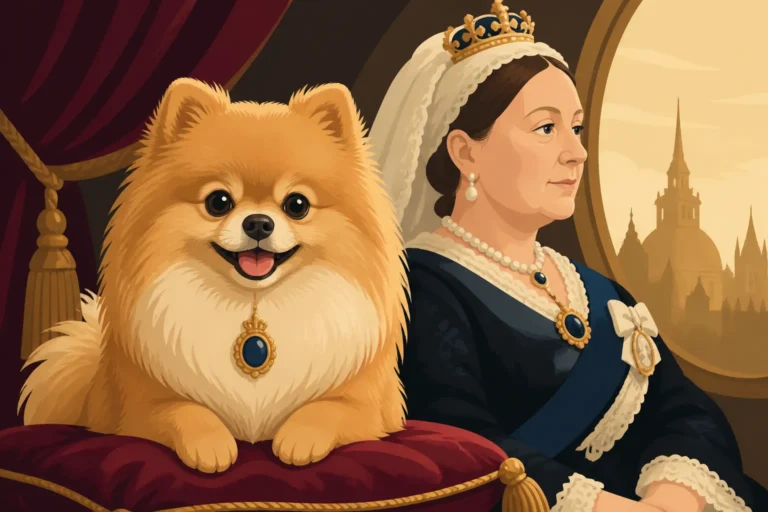
The Pomeranian's journey to popularity started centuries ago, long before the AKC even existed. Originating from the larger German Spitz dogs, they were bred down in size and found favor with royalty, most notably Queen Victoria in the late 19th century. Her small Pomeranian, Marco, helped solidify the breed's appeal, shrinking them from dogs weighing 20-30 pounds to the tiny companions we know today. Queen Victoria, Marco and the Pomeranian really catapulted them into the public eye.
Since then, they've maintained a steady presence. Through changing times and societal shifts, the Pomeranian's appeal has remained strong. They’ve gone from being a favorite of European aristocracy to a cherished family pet in countless modern homes. This deep historical root, combined with ongoing admiration, has cemented their position as a consistently popular breed.
Why Pomeranians Maintain a High Standing
So, what exactly keeps them up there? A few key factors contribute to the Pomeranian's enduring high rank:
- Size and Adaptability: At The Three to Seven Pounds a Pomeranian Is Allowed, Poms are perfectly suited for apartment living and smaller homes. They don't require vast yards or hours of vigorous exercise, making them ideal companions for city dwellers or those with a less active lifestyle. Whether a Pomeranian Suits Apartment Living is a frequent question, and the answer is usually a resounding yes.
- Personality: Despite their small stature, Pomeranians possess huge personalities. They are intelligent, lively, curious, and often quite bold. They're typically devoted to their families, enjoying being the center of attention, which many owners adore.
- Beautiful Coat: Their magnificent double coat and plumed tail are undeniably eye-catching. While it requires regular grooming – The Double Coat That Makes a Pomeranian and Why It Stays On is a must-read for new owners – the result is a stunning, fluffy companion.
- Watchdog Abilities: Pomeranians are excellent alert dogs. They are quick to bark at anything unusual, which can be reassuring for many homeowners, though their tendency to Why a Pomeranian Barks at Everything That Moves does require some training!
- Social Media Influence: In the modern era, visually appealing dogs like Pomeranians thrive on social media. Their photogenic qualities and charming antics make them internet darlings, further boosting their public profile and desirability.
These combined traits create a highly desirable package for many dog lovers, ensuring that the demand for well-bred Pomeranian puppies remains consistently high.
Factors Influencing a Breed's Ascent or Decline in Rankings
It's not just about inherent breed traits; many external factors can cause a breed's popularity to surge or dwindle. While the Pomeranian has enjoyed stability, it's worth understanding the broader forces at play in the ever-shifting landscape of dog breed popularity. Sometimes, a breed might climb the ranks due to a celebrity endorsement, while others might fall out of favor due to perceived health issues or simply changing tastes.
The dog world isn't static, and neither are human preferences. What was once the "it" dog could be superseded by a new favorite, or an older breed might experience a resurgence. It’s a dynamic system, reflecting our own cultural evolution.
The Role of Media and Pop Culture
One of the most powerful influences on dog breed popularity is the media. A dog featured in a popular movie, a hit TV show, or belonging to a beloved celebrity can see its breed's registrations skyrocket almost overnight. Think about how many breeds gained fame after appearing in classic films or being seen with royalty. For Pomeranians, their historical connection to Queen Victoria certainly played a huge part in their initial widespread appeal.
Today, social media stars and influencers often feature their dogs prominently. If a well-known personality frequently posts adorable pictures and videos of their Pomeranian, it can inspire countless followers to seek out the breed for themselves. This kind of exposure puts the breed front and center in people's minds, sparking interest and demand.
Breeder Responsibility and Health Concerns
The health and temperament of a breed also play a significant role in its long-term popularity. Responsible breeders, who prioritize health testing and sound genetics, contribute to the breed's reputation for being robust and well-adjusted. Conversely, if a breed becomes associated with widespread health problems or difficult temperaments due to irresponsible breeding practices, its popularity can suffer.
Pomeranians, like all purebreds, have certain predispositions, such as The Honking Cough of a Pomeranian's Collapsing Windpipe or Slipping Kneecaps in a Five Pound Pomeranian. Reputable breeders work tirelessly to minimize these risks through careful breeding. Potential owners are increasingly savvy about researching breed-specific health issues, and a breed known for robust health, relatively speaking, is always more attractive. Resources like Chewy can help owners find high-quality food and supplements to support their Pom's health, which is a crucial part of responsible ownership.
Economic Factors and Lifestyle Changes
Economic conditions and shifts in human lifestyles also have an impact. During tough economic times, smaller dogs, which are generally less expensive to feed and care for, might see a bump in popularity. Feeding a Dog That Weighs What a Pomeranian Weighs is certainly less costly than feeding a giant breed. The overall The Eighteen Thousand Dollar Lifetime of a Pomeranian is still significant, but initial and ongoing food costs are lower.
Furthermore, as more people live in urban areas or have busier schedules, dogs that adapt well to smaller spaces and don't require extensive exercise become more appealing. Pomeranians fit this bill perfectly. Their compact size and relatively moderate exercise needs make them excellent companions for many modern lifestyles. This adaptability helps them maintain their high ranking.
What a High Ranking Means for Pomeranian Owners
Finding out that your Pomeranian is part of a highly-ranked breed can feel validating, like you've chosen a truly special companion that many others also appreciate. But what does this popularity really mean on a practical level for you, as an owner, and for the breed as a whole? It's a bit of a double-edged sword, bringing both benefits and potential challenges.
On one hand, popularity means recognition, resources, and often, a greater understanding of the breed. On the other, it can attract the wrong kind of attention, leading to issues that responsible owners and breeders must navigate carefully.
Benefits of Owning a Highly Ranked Breed
There are several perks to owning a popular breed like the Pomeranian:
- Ease of Finding Information and Resources: Because they are so well-loved, there's a wealth of information available on everything from grooming tips (like Working a Pomeranian's Coat in Sections to the Skin) to training advice (such as Teaching a Pomeranian to Stand Still for the Brush). You'll find plenty of experienced owners, breed clubs, and online communities dedicated to Poms.
- Availability of Specialized Products: Manufacturers often cater to popular breeds. You'll easily find dog food formulated for small breeds on sites like Chewy, appropriate-sized toys, harnesses (Harnesses Fitted for a Pomeranian's Windpipe), and clothing that fits a Pomeranian's unique needs.
- Easier Access to Vets and Groomers: Many veterinarians and groomers will have extensive experience with Pomeranians, understanding their specific health and grooming requirements. This familiarity can be reassuring when seeking professional care.
- Social Opportunities: It's often easier to find other Pomeranian owners for playdates, breed meet-ups, or simply to share experiences and advice. This sense of community can be incredibly rewarding.
Challenges Associated with Popularity
However, popularity isn't without its downsides, and it's something every Pomeranian owner should be aware of:
- Increased Risk of Irresponsible Breeding: High demand can unfortunately attract unscrupulous breeders looking to make a quick profit without prioritizing health, temperament, or adherence to the breed standard. This can lead to an increase in health problems or behavioral issues within the breed. What a Backyard Bred Pomeranian Costs Later often includes significant vet bills.
- Higher Costs: The demand for popular breeds can drive up puppy prices. What a Pomeranian Puppy Costs and Why Colors Change It can vary wildly, and high demand contributes to the upper end of that spectrum.
- Potential for Misinformation: While there's a lot of good information out there, popularity also means a higher volume of casual advice or trends (like certain haircuts, or "teacup" breeding) that might not be in the best interest of the dog. Always check your sources and consult professionals.
- Stereotypes and Misconceptions: Sometimes, popular breeds can fall victim to stereotypes – for example, that all small dogs are "yappy" or "spoiled." As an owner, you might sometimes encounter these preconceived notions.
It's a balance. For the dedicated Pomeranian owner, understanding these dynamics allows you to be a more informed advocate for your dog and for the breed as a whole. Being a responsible owner, seeking out reputable breeders, and prioritizing your Pom's health and training contributes positively to the breed's legacy.
The Future of the Pomeranian's AKC Ranking
Predicting the exact future of any breed's ranking is tough, as various trends and factors are always in play. However, based on their historical consistency and the enduring appeal of their core traits, it's highly probable that Pomeranians will continue to hold a strong position in the AKC's annual rankings for years to come. Their perfect blend of size, personality, and striking looks makes them a perennial favorite.
As an informational guide, this isn't about promoting one breed over another, but understanding what these numbers reflect. For Pomeranians, it reflects a deeply embedded place in the hearts and homes of many dog lovers.
Emerging Trends in Dog Ownership
We're seeing a continuous rise in interest in companion animals that fit into diverse living situations, particularly for those in urban environments. The Pomeranian, with its compact size and adaptability, is perfectly positioned to meet this demand. There's also a growing emphasis on well-socialized and well-trained dogs, and with proper guidance, a Pomeranian can excel in these areas. Bringing Up a Pomeranian Puppy Its First Year is crucial for setting them up for success.
However, the conversation around ethical breeding and the avoidance of "fad" trends (like unethically bred "teacups" or certain color patterns) is also becoming more prominent. As consumers become more educated, they're looking beyond mere popularity and focusing on health, temperament, and responsible sourcing. This is a positive trend that will benefit well-established, responsibly bred lines of Pomeranians.
Maintaining the Breed's Integrity
For the Pomeranian to maintain its high standing and, more importantly, its health and temperament, continued efforts by dedicated breeders and owners are essential. This means prioritizing health clearances, adhering to the breed standard, and educating prospective owners about the responsibilities involved in caring for a Pomeranian.
When considering adding a Pomeranian to your family, researching reputable breeders, understanding their unique care needs, and preparing for The First Year Bills on a Pomeranian Puppy are paramount. Whether through a trusted breeder or a rescue organization, bringing a Pomeranian into your life is a commitment to a vibrant, intelligent, and truly charming companion. Their enduring popularity is a testament to the joy they bring.
| Factor Contributing to Pomeranian Popularity | Description |
|---|---|
| Compact Size | Ideal for apartment living and smaller homes; easy to travel with. |
| Big Personality | Intelligent, lively, bold, and devoted to family, making them engaging companions. |
| Stunning Appearance | Distinctive double coat, plumed tail, and foxy face are visually appealing. |
| Adaptability | Suits various lifestyles, from active individuals to those seeking a calm lapdog. |
| Historical Appeal | Royal patronage (Queen Victoria) boosted early recognition and desirability. |
| Social Media Presence | Photogenic nature makes them popular online, further increasing their visibility and appeal. |
Disclaimer
This article is for general informational purposes only and does not constitute professional advice. Laws, prices and regulations vary by location and change over time. Consult a qualified professional for guidance on your specific situation.