Whether Brushing a Dry Pomeranian Breaks the Coat
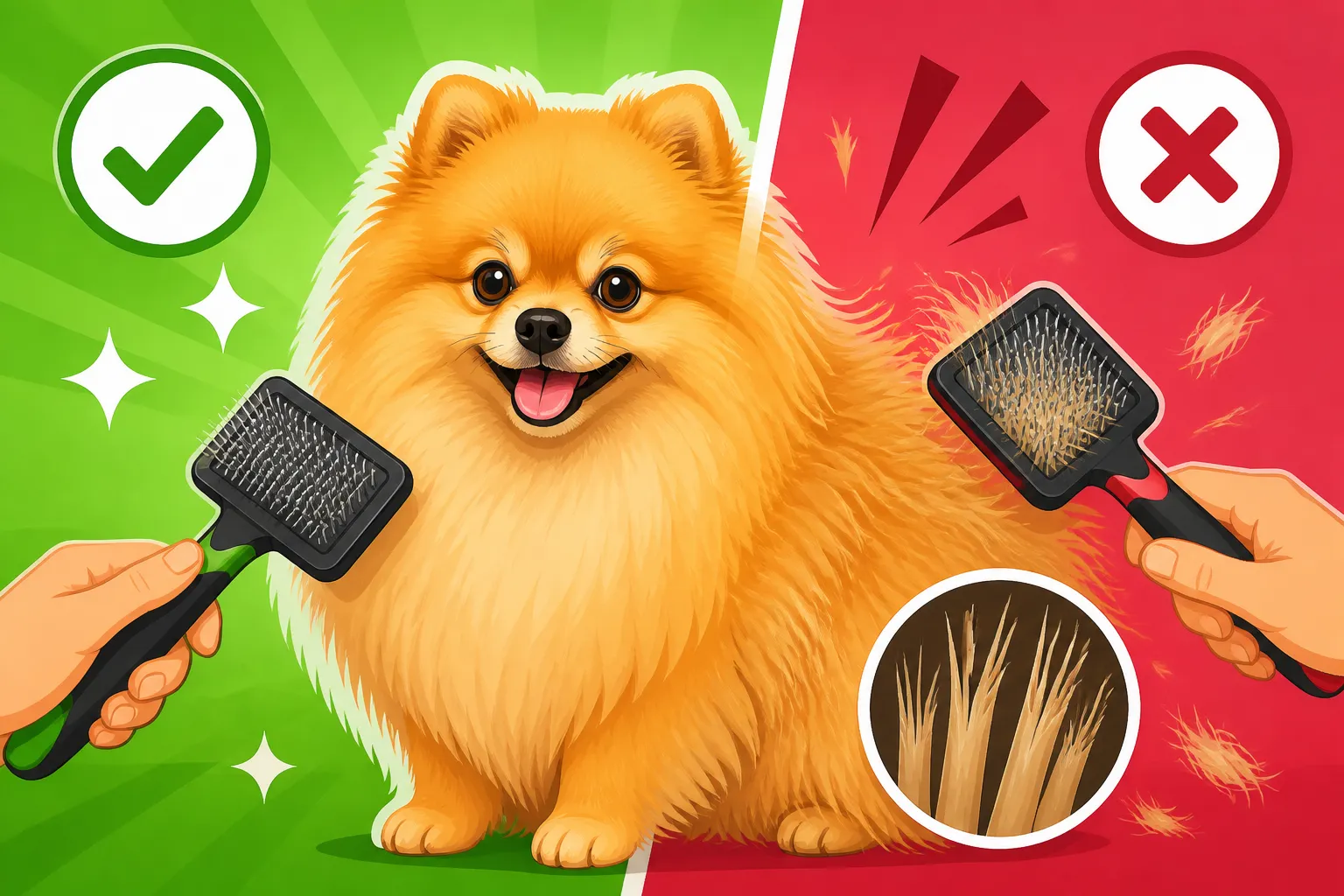
It’s a common worry for any Pomeranian parent: you look at that magnificent, fluffy coat, and you just know it needs a good brush. But then you hesitate. Is brushing it dry going to break all those precious strands? Will you accidentally damage that gorgeous double coat you work so hard to maintain? You’re not alone in that concern, and I’m here to tell you that the fear is absolutely valid. Brushing a dry Pomeranian coat can, indeed, cause breakage and damage. This guide will walk you through exactly why this happens, how to prevent it, and the best practices to keep your Pom’s coat healthy, strong, and stunning.
Understanding the Pomeranian Double Coat and Its Delicate Nature
Before we dive into the "how-to," let's really get to grips with what makes a Pomeranian's coat so unique and, frankly, a bit fragile when it comes to grooming. It's not just "hair"; it's a finely tuned, two-layered marvel that serves many purposes. Understanding its structure is the first step in learning how to care for it without causing harm.
The Intricate Structure of Guard Hairs and Undercoat
Your Pomeranian's coat is a classic double coat, a characteristic inherited from their larger Spitz ancestors. This means it has two distinct layers, each with a specific job. The outer layer consists of longer, coarser "guard hairs." These are the hairs that give your Pom its vibrant color and that wonderful "stand-off" appearance. They are designed to be water-resistant and to protect the delicate inner layer from dirt, debris, and environmental elements. They're like the shingles on a roof, providing the first line of defense.
Beneath these guard hairs lies the "undercoat." This is a dense, soft, fluffy layer of shorter hairs that provides insulation, keeping your Pomeranian warm in winter and helping to regulate their body temperature in summer. It’s this undercoat that gives them their plush, cloud-like feel. Think of it as the thick insulation in your attic. Both layers work in tandem to keep your dog comfortable and protected. The unique way these two layers interact, with the guard hairs supporting the fluffy undercoat, is what gives the Pomeranian its signature look. Disturbing this balance, especially through improper brushing, can impact both its appearance and its protective qualities. The Double Coat That Makes a Pomeranian and Why It Stays On goes into even more detail about this amazing structure.
Why Pomeranian Hair Is Prone to Breakage
Despite its density and impressive volume, individual Pomeranian hair strands are surprisingly fine. This fineness, combined with the sheer number of hairs packed into that small body, makes them susceptible to breakage. Imagine a single strand of human hair – now multiply that by thousands, each one fine and relatively delicate. When these fine hairs are dry, they lack elasticity and moisture, making them brittle. Brittle hair snaps much more easily than hair that is properly moisturized and supple.
Furthermore, the double coat structure itself can contribute to tangling and matting. The soft undercoat can easily intertwine, especially during seasonal shedding or if not brushed regularly. When you try to pull a brush through dry, tangled, brittle hair, those fine strands simply can't withstand the force. They stretch, weaken, and then snap, often unnoticed until you see a significant amount of broken hair on your brush or a thinning patch on your dog. It's a frustrating cycle that can quickly compromise the beauty and health of their coat.
The Risks of Brushing a Dry Pomeranian Coat
The core issue here is moisture, or rather, the lack thereof. When a Pomeranian's coat is completely dry, especially if it's already a bit dehydrated from indoor heating or infrequent conditioning, it's operating at its weakest point. This makes it incredibly vulnerable to damage during grooming.
Friction, Static, and the Tangle Trap
One of the most immediate problems with brushing a dry coat is the creation of friction and static electricity. As your brush glides (or drags) through dry hair, it generates static, which causes the individual hair shafts to repel each other. This might sound benign, but static actually makes tangles worse and creates new ones. Instead of smoothing the coat, you're inadvertently creating more chaos.
Moreover, friction on dry hair can literally abrade the cuticle, the outer protective layer of each hair strand. This opens up the hair shaft, making it even more porous and prone to moisture loss in the future. It’s a vicious cycle: dry brushing causes friction, friction causes static, static causes tangles, and all of these contribute to breakage. When you encounter a small knot and try to brush it out on a dry coat, that knot acts like a tiny anchor, and the brittle hairs around it simply snap under the tension.
Snapping, Splitting, and Coat Damage
Every time a dry hair strand snaps, it either breaks off completely or, worse, develops a split end. Just like with human hair, split ends on a Pomeranian's coat travel up the hair shaft, weakening the entire strand and making it look dull and unhealthy. Over time, consistent dry brushing can lead to a significant amount of broken hair, resulting in a noticeably thinner, less voluminous coat. That beautiful, fluffy silhouette starts to diminish, and patches might appear less dense.
This damage isn't just cosmetic. Healthy hair plays a vital role in your Pomeranian's natural protection. Damaged guard hairs lose their ability to repel water and dirt, and a compromised undercoat can't insulate effectively. It's truly heartbreaking to see a once-lustrous coat become dull and sparse due to preventable damage. This is especially critical during periods like the "puppy uglies" when their coat is already undergoing significant changes, or for older Poms whose coats may naturally thin with age. The Age a Pomeranian's Coat Starts to Thin is a related read that touches on natural thinning.
Damaging the Undercoat and Guard Hairs
The undercoat, being so fine and dense, is particularly susceptible to damage from dry brushing. When you try to force a brush through a dry, matted undercoat, you can literally rip out clumps of healthy undercoat along with the tangled sections. This not only thins the coat but can also cause "brush burn" or irritation to the delicate skin underneath.
The guard hairs, while tougher, are not immune. Their protective outer layer can be stripped away by abrasive dry brushing, leaving them dull, brittle, and prone to breaking. Once a guard hair is damaged, it often loses its stiffness, meaning it won't stand off as beautifully, impacting the overall appearance. Think of it like trying to brush wet cement; it's just not going to work out well. Proper preparation ensures that both layers of that magnificent coat remain intact and healthy, serving their purpose effectively.
Preparing the Coat for a Safe Brush
The secret to brushing your Pomeranian's coat without causing damage lies in proper preparation. It's not just about what brush you use, but how you prepare the hair to receive that brush. Think of it as priming a canvas before painting; you wouldn't just slap paint on a bare surface, would you?
The Essential Role of a Detangler Spray
This is where a detangler spray becomes your absolute best friend. A good quality detangler spray provides a protective barrier and lubrication to each hair strand, reducing friction and static, and making it easier for the brush to glide through the coat. It hydrates the hair, restoring elasticity and making it less prone to snapping. Think of it like a leave-in conditioner for their fur.
There are many excellent detangler sprays available from reputable pet suppliers. You can find a wide range of options on sites like Chewy or Amazon, often specifically formulated for double-coated breeds or long-haired dogs. Look for sprays that are pH-balanced for dogs and free from harsh chemicals or strong perfumes that might irritate your Pomeranian's sensitive skin. Keeping a good quality detangler on hand is paramount for your grooming routine. You might find more options for sprays in Detangler Sprays for a Pomeranian.
Light Misting, Not Drenching
When applying a detangler spray, the key is moderation. You're not trying to give your Pomeranian a bath; you're simply adding enough moisture and lubrication to facilitate brushing. A light misting is all that's needed. Hold the bottle about 6-8 inches away from the coat and spray evenly, ensuring the mist penetrates the top layer to reach the undercoat.
It's often best to work in sections. Lift a section of the top coat, mist the undercoat directly, and then mist the top layer of that section. Avoid drenching the coat, as this can make it too wet to brush effectively and may even encourage matting if not thoroughly dried. The goal is a damp, supple feel, not soaking wet. A properly misted coat will feel slightly cool and slick to the touch, ready for a gentle brush.
Tackling Mats Before Brushing
Before you even think about doing a full brush-out, you must address any existing mats or tangles. Trying to brush through a mat on a dry or even lightly misted coat is still a recipe for breakage and discomfort for your Pom. Mats are essentially felted hair, and they need special attention.
Start by gently separating larger mats with your fingers. If they're small, you can apply a bit more detangler spray directly to the mat and work it in with your fingers, trying to loosen the hairs. Use a wide-toothed comb, or a special mat-breaking tool if necessary, to gently tease the mat apart, working from the outer edges inwards. Hold the hair closer to the skin to minimize pulling on your Pomeranian's skin, which can be painful. If a mat is too tight or too close to the skin, do not force it. It’s far better to carefully cut it out with blunt-nosed scissors (always pointing away from the skin) or, even better, seek professional grooming help. For more detailed advice, check out Cutting a Mat Out of a Pomeranian.
Choosing the Right Grooming Tools
Having the right tools is just as important as proper preparation. For a Pomeranian's double coat, you'll generally need two main types of brushes:
- Slicker Brush: This brush has fine, wire bristles closely set together, often with a slight bend at the tips. It's excellent for getting deep into the undercoat, removing loose hair, and breaking up minor tangles. Make sure to get one with soft, flexible pins, as stiff ones can scratch the skin.
- Pin Brush: A pin brush has wider-spaced, longer metal or plastic pins with rounded tips. This is great for the top coat, for finishing, and for distributing natural oils. It's gentler than a slicker and helps to fluff up the coat.
- Wide-toothed Comb: Essential for checking your work and for gently teasing out small tangles.
You’ll want to invest in good quality brushes that are comfortable for you to hold and effective for your dog's coat type. The Slicker and Pin Brush a Pomeranian Needs has more information on selecting these crucial tools. Always make sure your tools are clean and free of old hair, as this makes them less effective and can introduce bacteria.
Best Brushing Practices for a Healthy Pomeranian Coat
Once you’ve prepped the coat with a detangler and tackled any mats, you're ready for the actual brushing. This is where technique really matters to ensure you're effectively grooming without causing any damage. Consistency and patience are your best friends here.
Brushing in Sections, Layer by Layer
The biggest mistake many owners make is trying to brush the entire coat at once. For a dense double coat like a Pomeranian's, this is incredibly inefficient and will lead to snagging and breakage. The most effective method is to brush in sections, layer by layer, working your way down to the skin.
Start by parting the hair horizontally at the bottom of the body, just above the legs. Hold the upper section of hair up with one hand or a clip. Now, with your slicker brush, gently brush the exposed lower section of hair downwards, always brushing away from the skin, not into it. Use light, feathery strokes. Once that section is thoroughly brushed, let down another small section of hair and repeat the process, working your way up the body. This meticulous approach ensures you're reaching all the way to the skin, removing loose undercoat and preventing mats from forming deep within the layers. Working a Pomeranian's Coat in Sections to the Skin offers a deeper dive into this technique.
The Importance of Regularity and Consistency
It might sound obvious, but regular brushing is the single most important factor in maintaining a healthy Pomeranian coat and preventing damage. The more frequently you brush, the less likely mats are to form, and the easier each grooming session will be. For most Pomeranians, a thorough brush-out 2-3 times a week is ideal. During shedding seasons, you might need to increase this to daily brushing.
Skipping sessions allows loose hair to get trapped within the coat, forming tangles that quickly turn into painful mats. When you finally get around to brushing a heavily matted coat, you’ll inevitably cause more stress and potential breakage, not to mention discomfort for your dog. Regularity doesn't just prevent mats; it also stimulates blood flow to the skin, which promotes healthy hair growth, and distributes natural oils throughout the coat, keeping it shiny and strong. How Many Times a Week a Pomeranian Is Brushed can help you determine the best schedule for your specific Pom.
Gentle Strokes and Appropriate Pressure
When brushing, always use a light hand. You're not scrubbing a carpet; you're tending to delicate hair. Use gentle, sweeping strokes. The goal is to detangle and remove loose hair, not to pull or rip through the coat. If you encounter any resistance, stop immediately. Do not force the brush. Instead, go back to using your fingers or a wide-toothed comb with a bit more detangler spray to work out the snag.
Applying too much pressure with a slicker brush can irritate your Pomeranian's skin, leading to "brush burn," redness, and discomfort. Always be mindful of the pressure you're applying and watch your dog's reaction. If they seem uncomfortable or try to pull away, it's a sign you might be brushing too hard or hitting a sensitive spot. Think of it like brushing your own delicate hair; you wouldn't yank through a knot, and your Pom deserves the same gentle care.
Post-Brush Conditioning for Extra Luster
After a thorough brush-out, especially if your Pomeranian's coat tends to be on the drier side, a light leave-in conditioner or a conditioning spray can do wonders. These products help to seal the hair cuticle, lock in moisture, and add an extra layer of protection and shine. They can also help reduce static and make the coat feel even softer and more manageable.
Simply mist a small amount over the freshly brushed coat, gently massaging it in with your hands or a soft brush. Again, avoid oversaturating the coat. Choose products specifically designed for dogs, ensuring they are non-greasy and won't weigh down that beautiful fluff. This final step isn't just about aesthetics; it contributes to the long-term health and resilience of your Pomeranian's double coat, making it more resistant to future tangles and breakage.
Table: Dry Brushing vs. Conditioned Brushing for Pomeranians
| Feature | Brushing a Dry Coat | Brushing a Conditioned/Misted Coat |
|---|---|---|
| Friction/Static | High, leads to increased tangling and flyaways | Low, minimal static, easier brush glide |
| Hair Breakage | High risk of snapping, splitting, and damage | Low risk, hair is supple and elastic, less likely to break |
| Mat Removal | Difficult, painful, likely to cause breakage | Easier, detangler helps loosen mats, reduces pulling |
| Coat Health | Can lead to dull, thin, and damaged coat over time | Promotes healthy, shiny, and voluminous coat, maintains integrity |
| Comfort for Dog | Often uncomfortable, can be painful, creates negative associations | More comfortable, pleasant experience, builds trust |
| Overall Result | Damaged hair, potential skin irritation, less effective grooming | Smooth, soft, well-maintained coat, efficient grooming |
This table clearly illustrates why skipping the conditioning step can lead to significant issues and how a little extra effort can make a huge difference in your Pomeranian's coat health and overall comfort during grooming.
When Professional Help Is Necessary
Sometimes, despite your best efforts, things get a little out of hand. Maybe you inherited a rescue Pomeranian with a neglected coat, or perhaps a busy week meant grooming fell by the wayside. When you're faced with severe matting, it's tempting to try and tackle it all yourself, but there are times when professional intervention is not just helpful but essential for your dog's well-being.
Recognizing Beyond Home Repair
If your Pomeranian has large, tight mats, especially around the ears, armpits, or hindquarters, that you can't gently tease out with a detangler spray and comb, it's time to call a professional groomer. Mats that are pulling on the skin can be incredibly painful, restrict movement, and even lead to skin infections underneath. Trying to cut them out yourself when they are close to the skin is risky; you could easily nick your dog.
A professional groomer has specialized tools, techniques, and experience to handle severe matting safely and with the least amount of stress for your Pomeranian. They can assess the situation and determine if the mats can be carefully brushed out or if a complete shave-down is the kindest option. While a shave-down might feel drastic, it's often the most humane solution for a matted dog, allowing the skin to breathe and a healthy new coat to grow in. Whether a Matted Pomeranian Has to Be Shaved explores this topic further. Don't feel guilty about seeking help; it's a sign of a responsible pet owner prioritizing their dog's comfort.
Finding a Trustworthy Groomer
When looking for a groomer, especially for a delicate breed like a Pomeranian, do your homework. Ask for recommendations from other Pom owners, your veterinarian, or local breed clubs. Look for a groomer who has experience with double-coated breeds and understands the specific needs of a Pomeranian's coat. They should be knowledgeable about proper brushing techniques and the risks of shaving this breed, unless absolutely necessary due to matting.
A good groomer will also prioritize your dog's comfort and safety over aesthetics. They should be patient, use positive reinforcement, and be transparent about their methods and any recommendations they have for your dog's coat. Don't hesitate to ask questions, visit the facility, and observe how they interact with the dogs. A professional groomer can also be a valuable resource for advice on at-home maintenance and product recommendations tailored to your Pomeranian's specific coat type. Remember, a professional groomer’s insights can be invaluable in maintaining your Pom's coat, saving you from a potentially large The Grooming Bill Nobody Warns a Pomeranian Owner About down the line if problems go unaddressed.
Ultimately, preventing damage to your Pomeranian's coat comes down to consistent, gentle care, armed with the right tools and techniques. Avoid dry brushing at all costs, incorporate a good detangler, and don't be afraid to ask for professional help when mats get beyond your skill level. Your Pom's magnificent coat will thank you for it with years of beautiful fluff!
Disclaimer
This article is for general informational purposes only and does not constitute professional advice. Laws, prices and regulations vary by location and change over time. Consult a qualified professional for guidance on your specific situation.